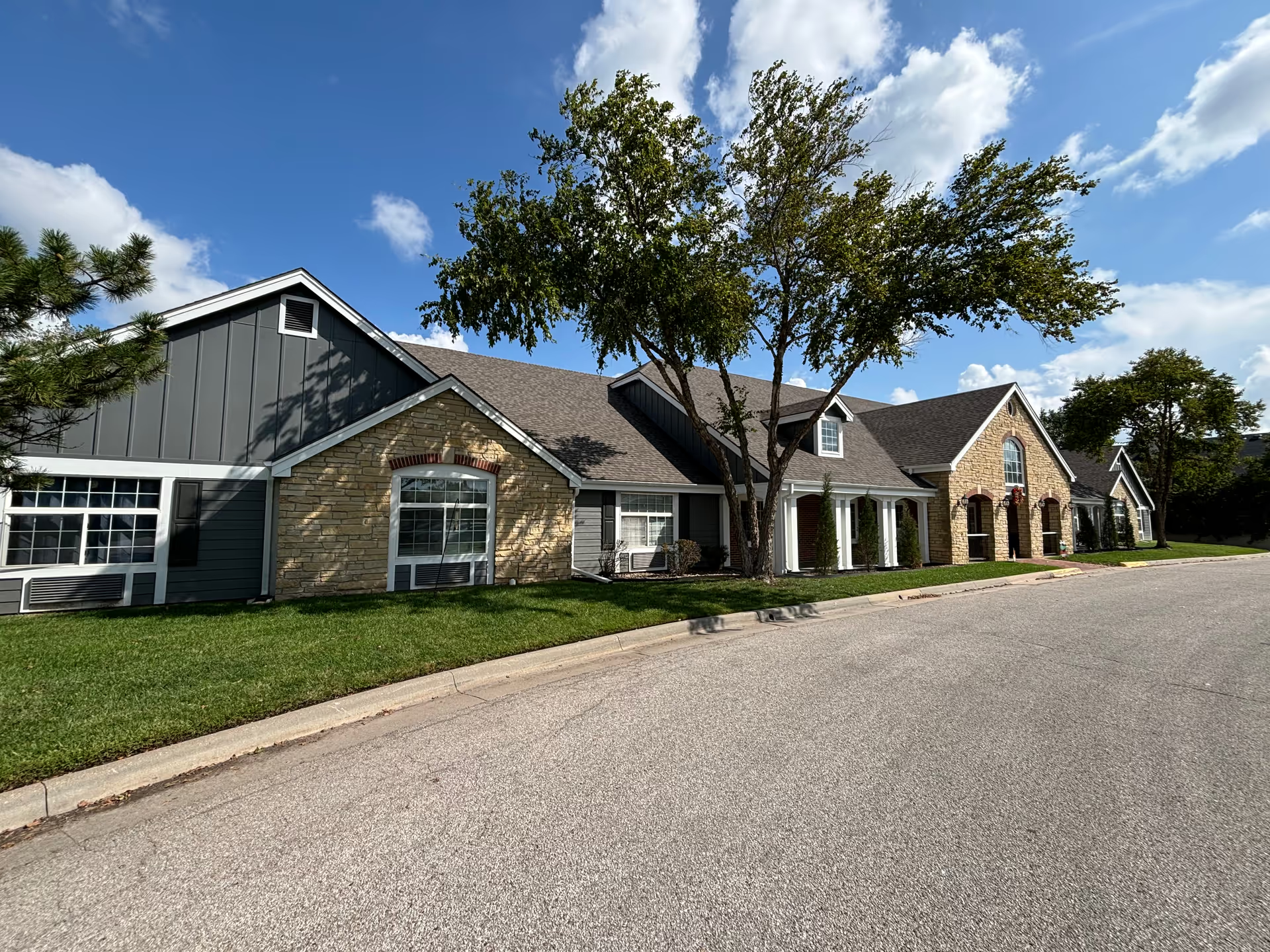
Brookdale Tallgrass is consistently described as a small, intimate assisted- and memory-care community with a strong emphasis on personalized, family-style care. Many reviewers highlight compassionate and attentive staff who create a welcoming, home-like atmosphere; staff responsiveness, hands-on nursing, medication reminders, and around-the-clock assistance are recurring strengths. The facility’s small size appears to support strong staff–resident relationships and a sense of togetherness that families often find reassuring.
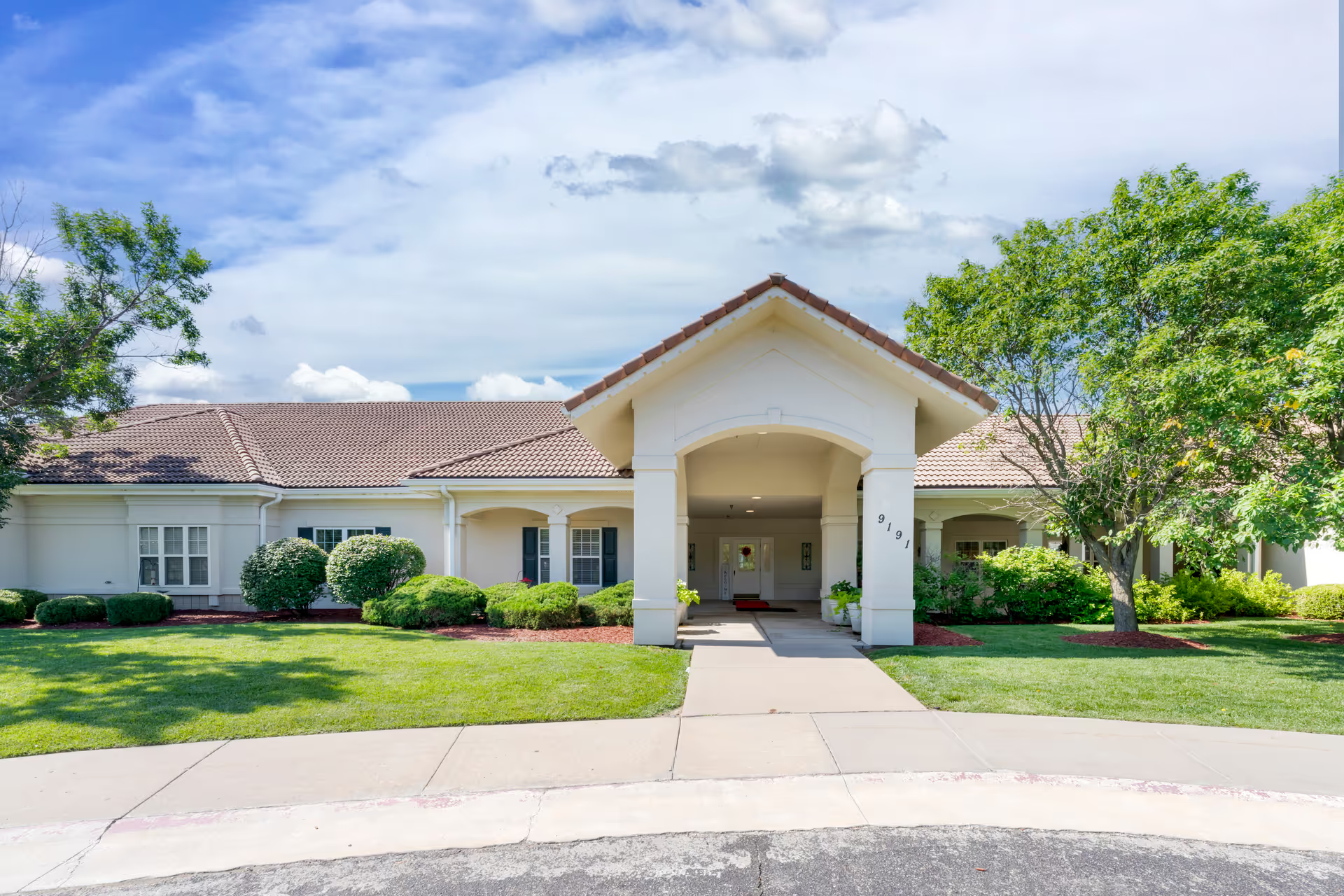
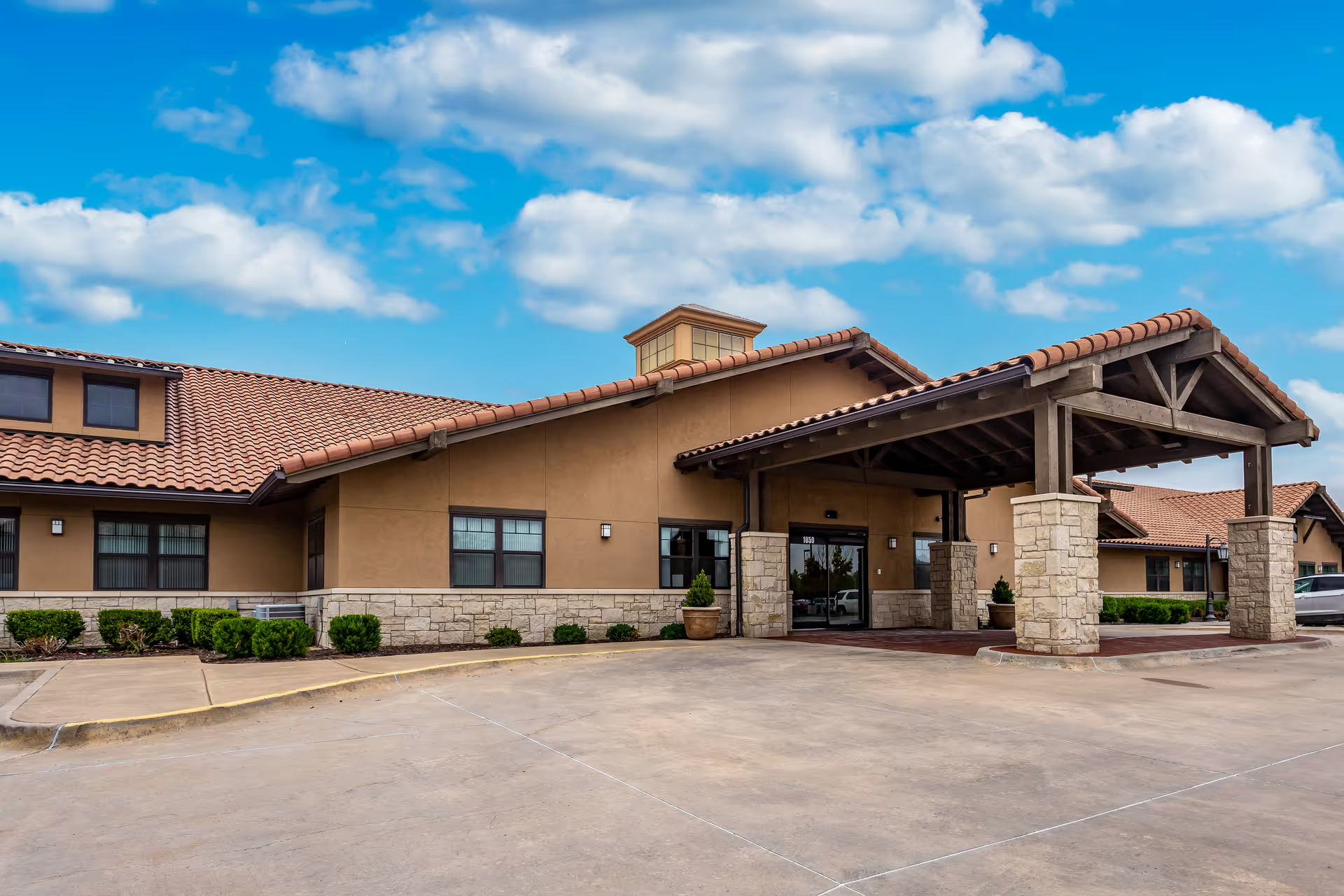
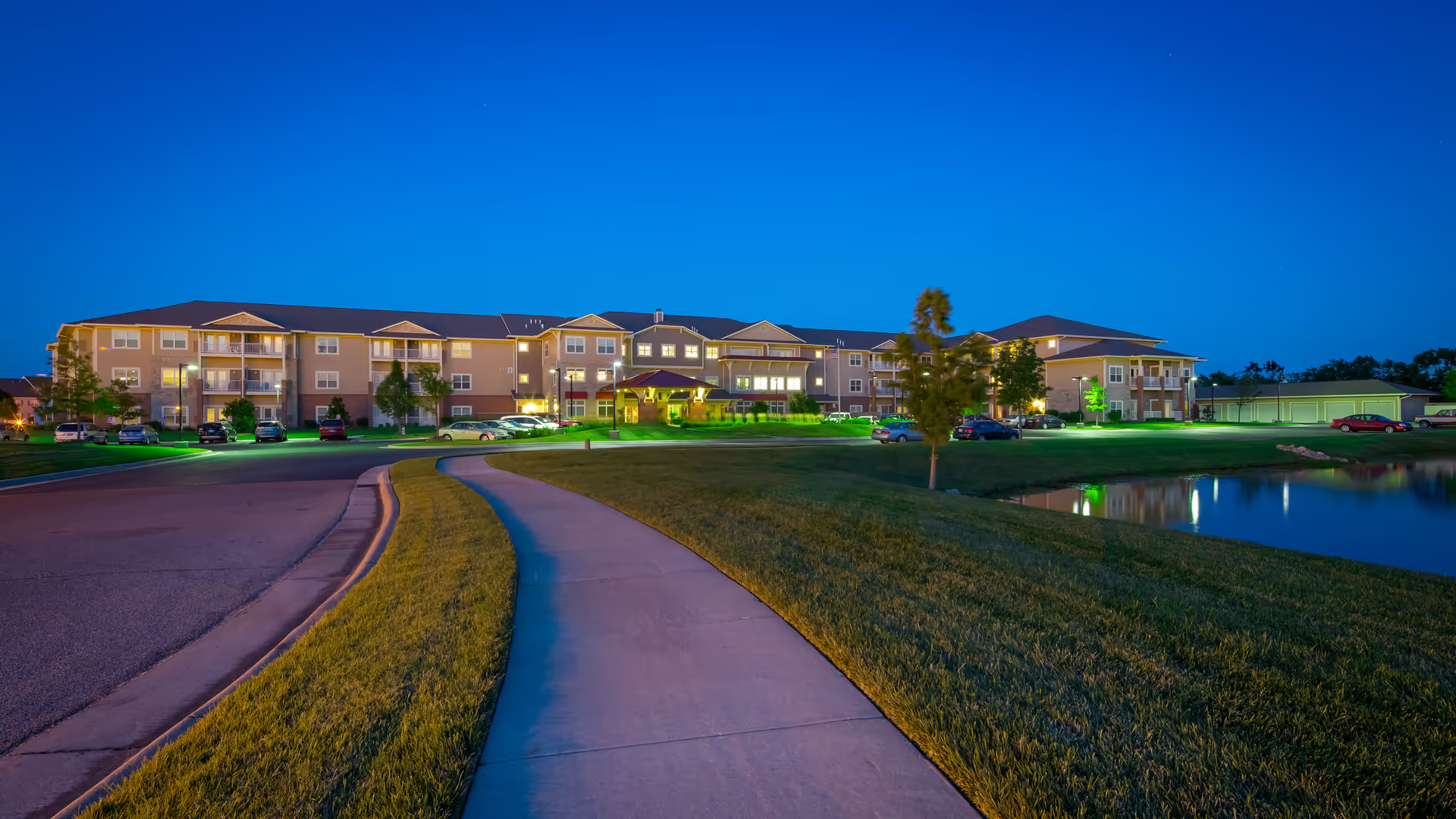
The physical environment receives frequent praise: reviewers note clean, well-maintained common areas (dining room, library, sunroom, enclosed patio, activity room), attractive grounds, and desirable amenities such as an on-site beauty shop and multiple comfortable gathering spaces including a great room with a fireplace. Apartments are described as compact and clean with good views, which appeals to residents seeking lower-maintenance living; however, the compact layouts can be tight for wheelchair or walker users and may feel small for families downsizing from larger homes.
Dining and activities are generally viewed positively. Several accounts praise five-star–level meals, consistent dining service, and a variety of social programming (movie nights, piano and sing-alongs, bingo, themed parties, and outings). At the same time, there are patterns noting uneven activity coverage — particularly limited programming in evenings and on weekends — and variability in participation. Transportation and outing opportunities exist, but reviewers sometimes experienced limited van availability or scheduling constraints.
Operationally, Brookdale Tallgrass shows mixed signals. Some reviewers commend proactive leadership, helpful admissions staff (named personnel were often singled out positively), and a smooth move-in process. Conversely, there are recurring comments about management turnover, on-demand staffing models that produce variable coverage, and occasional communication or appointment follow-through issues. Financial administration and billing have been called inconsistent in some accounts, and pricing is commonly described as higher than expected or not clearly explained.
Safety and clinical-practice concerns appear in a subset of reviews and focus on fall-prevention and incontinence-care processes. These references suggest opportunities to strengthen transfer-safety protocols, routine checks, and documentation practices to reassure families for higher-dependency residents. Additionally, the memory-care unit is described as more confined compared with the assisted-living areas; prospective families should assess the physical environment and programming fit for residents with dementia-related needs.
Overall, Brookdale Tallgrass presents as a clean, well-appointed, and staff-centered community that many families find comforting and effective for social engagement and daily assistance. Prospective residents and families should weigh the benefits of personalized, small-community care and strong dining/common-area amenities against operational considerations such as unit size, staffing variability, activity scheduling (evenings/weekends), transportation reliability, and the facility’s pricing and billing practices. A focused tour that asks about staffing patterns, fall-prevention protocols, activity schedules, and a detailed fee breakdown — plus a walkthrough of the memory-care unit — will help determine whether the community aligns with a particular resident’s clinical and social needs.