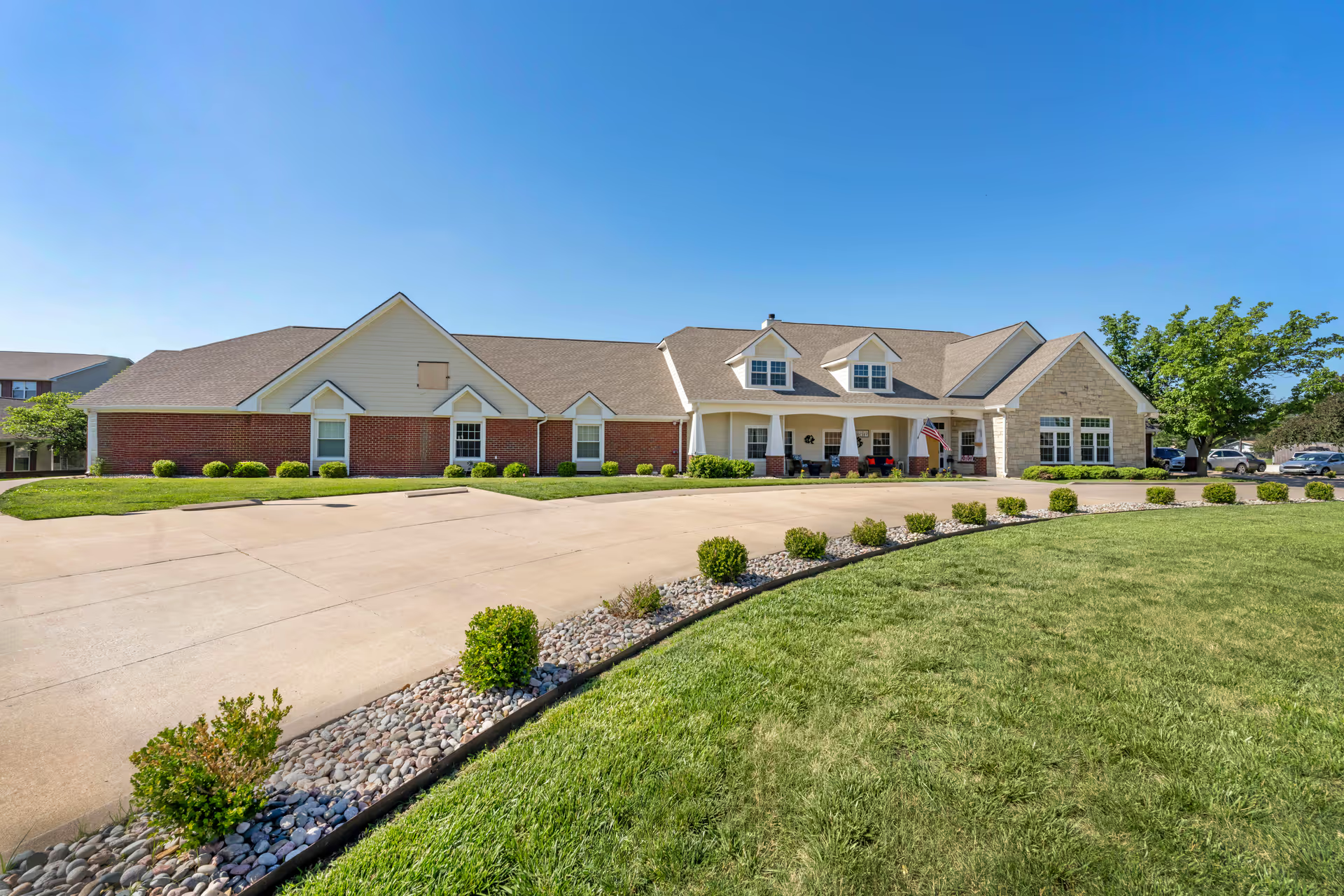
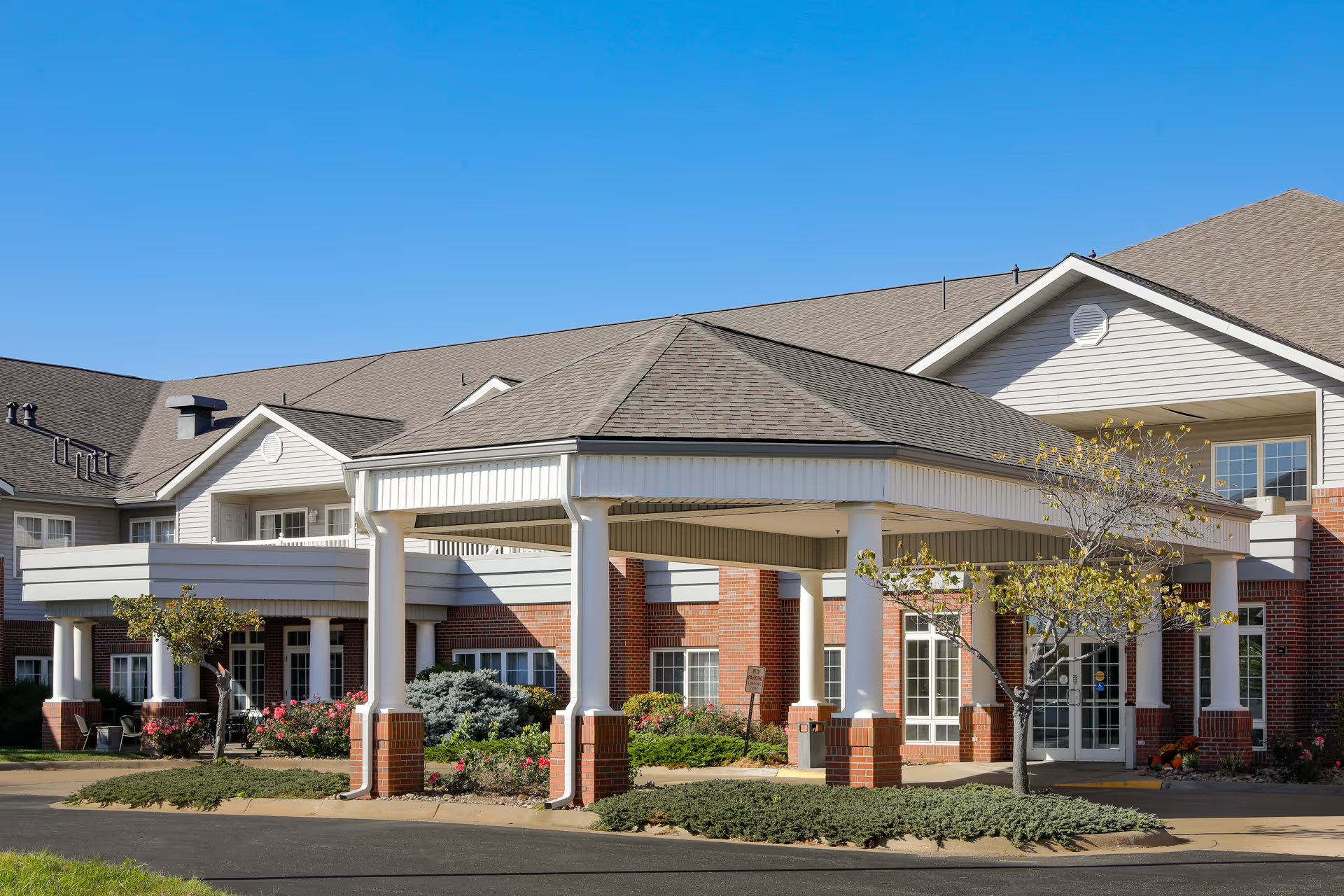
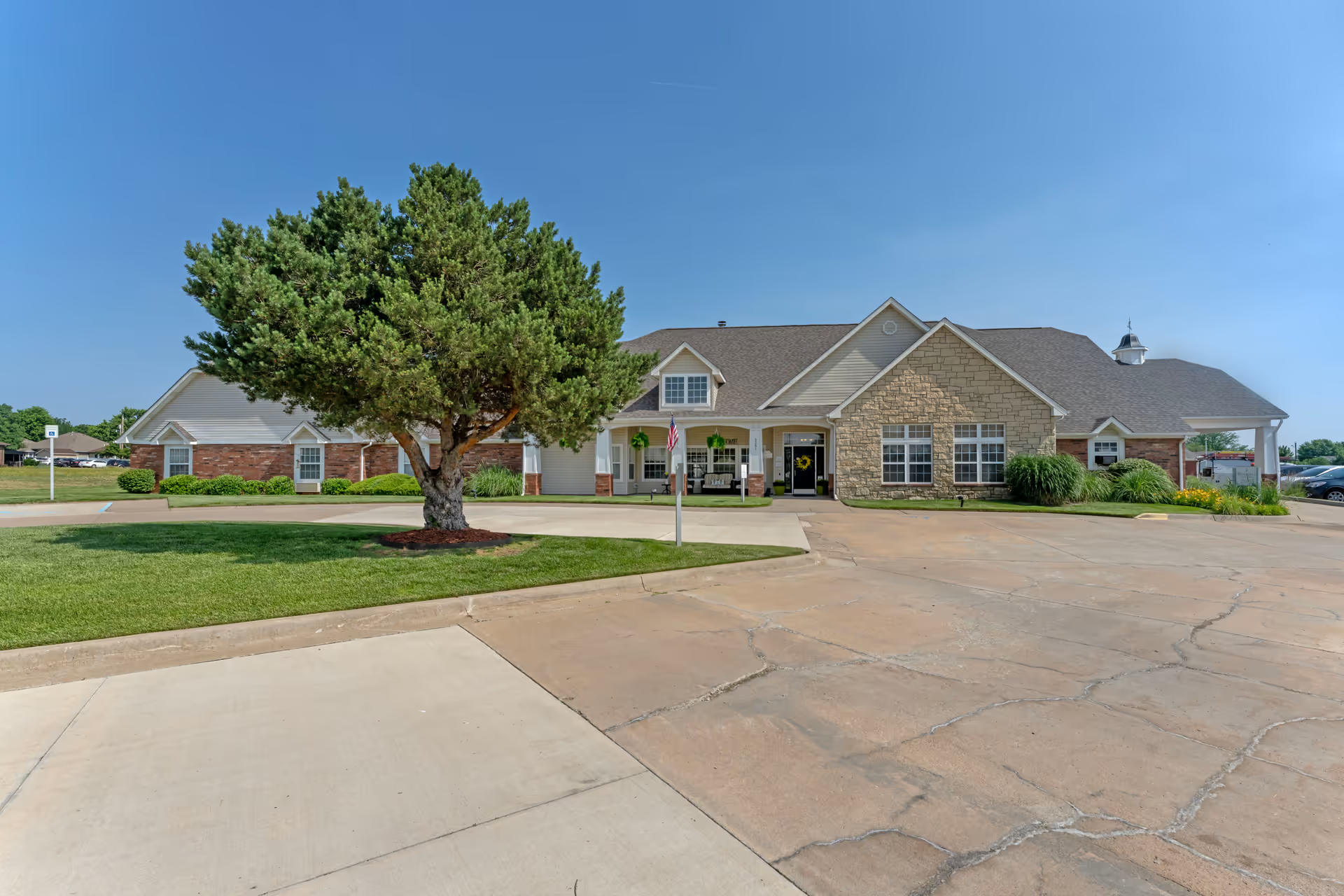
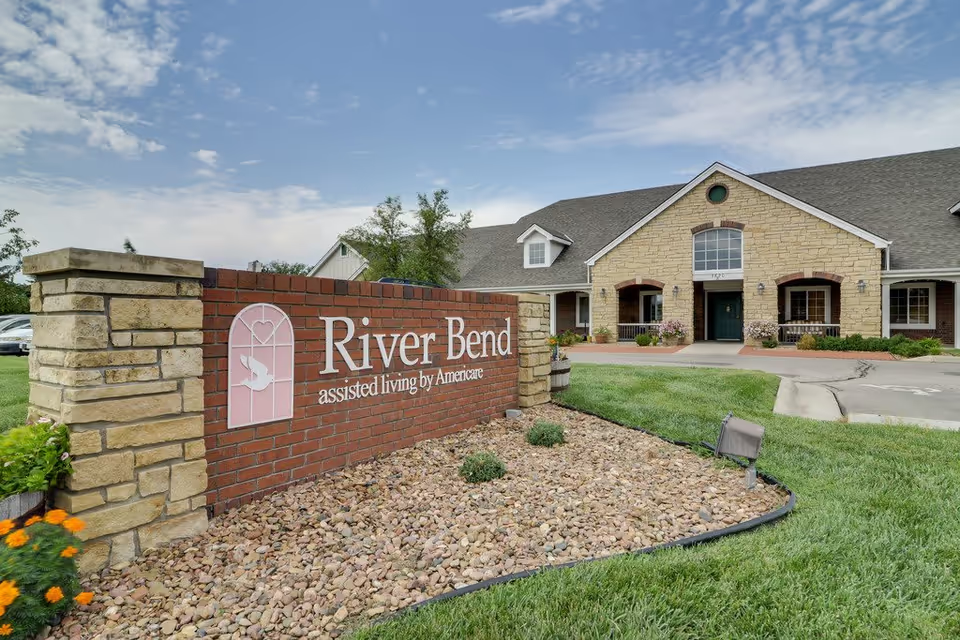
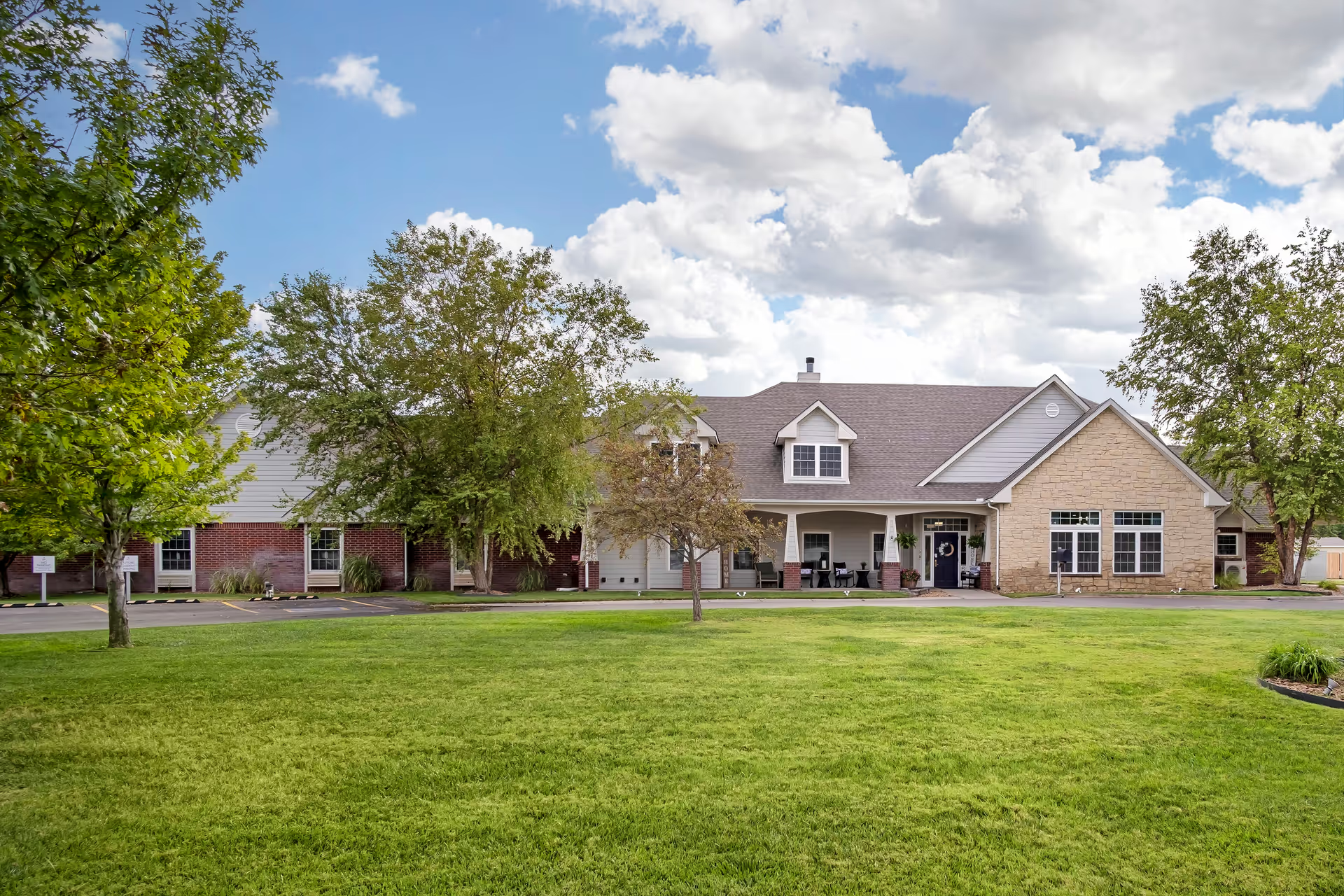
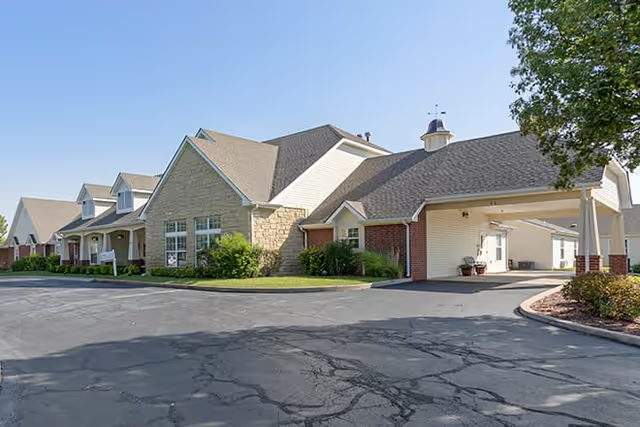
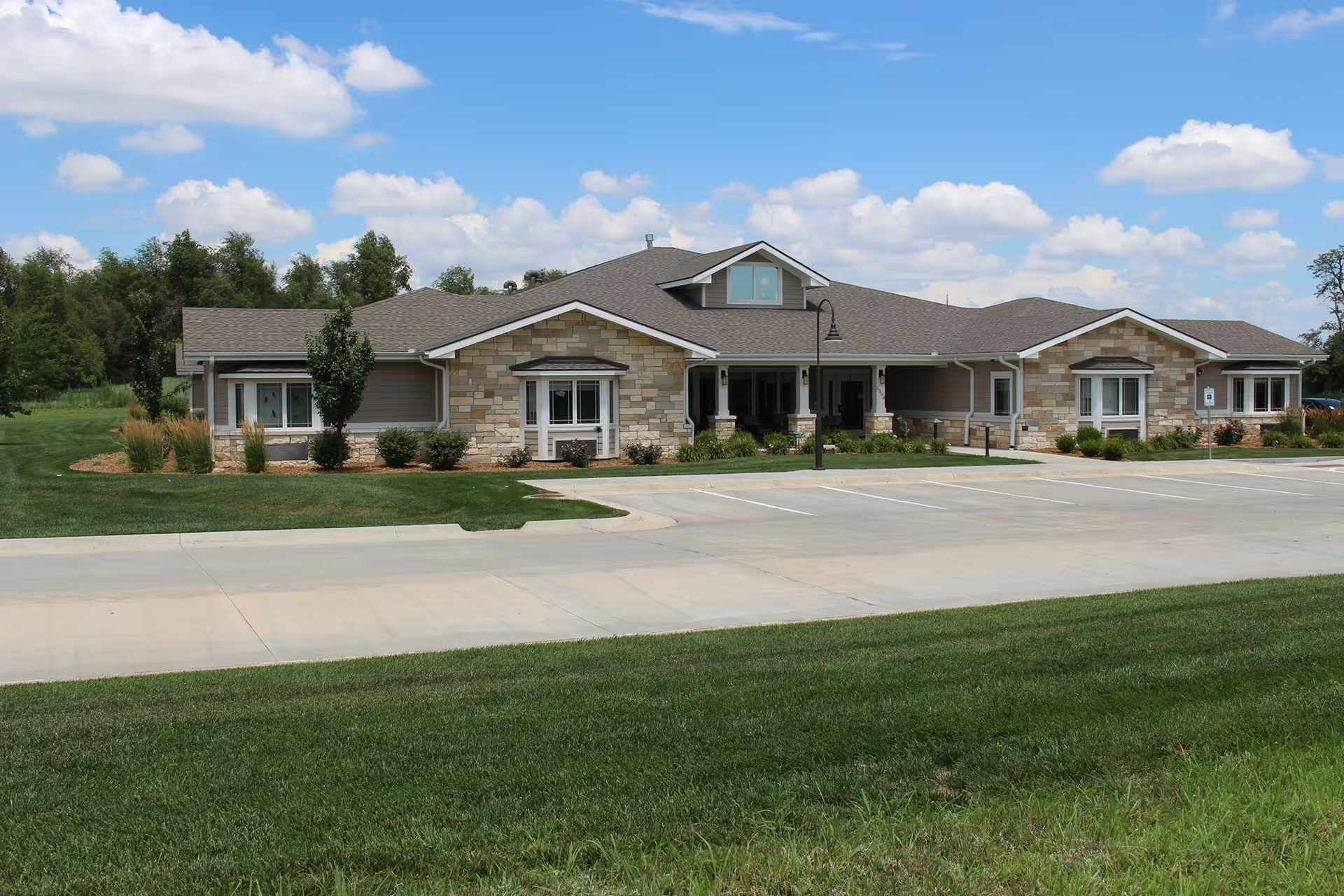
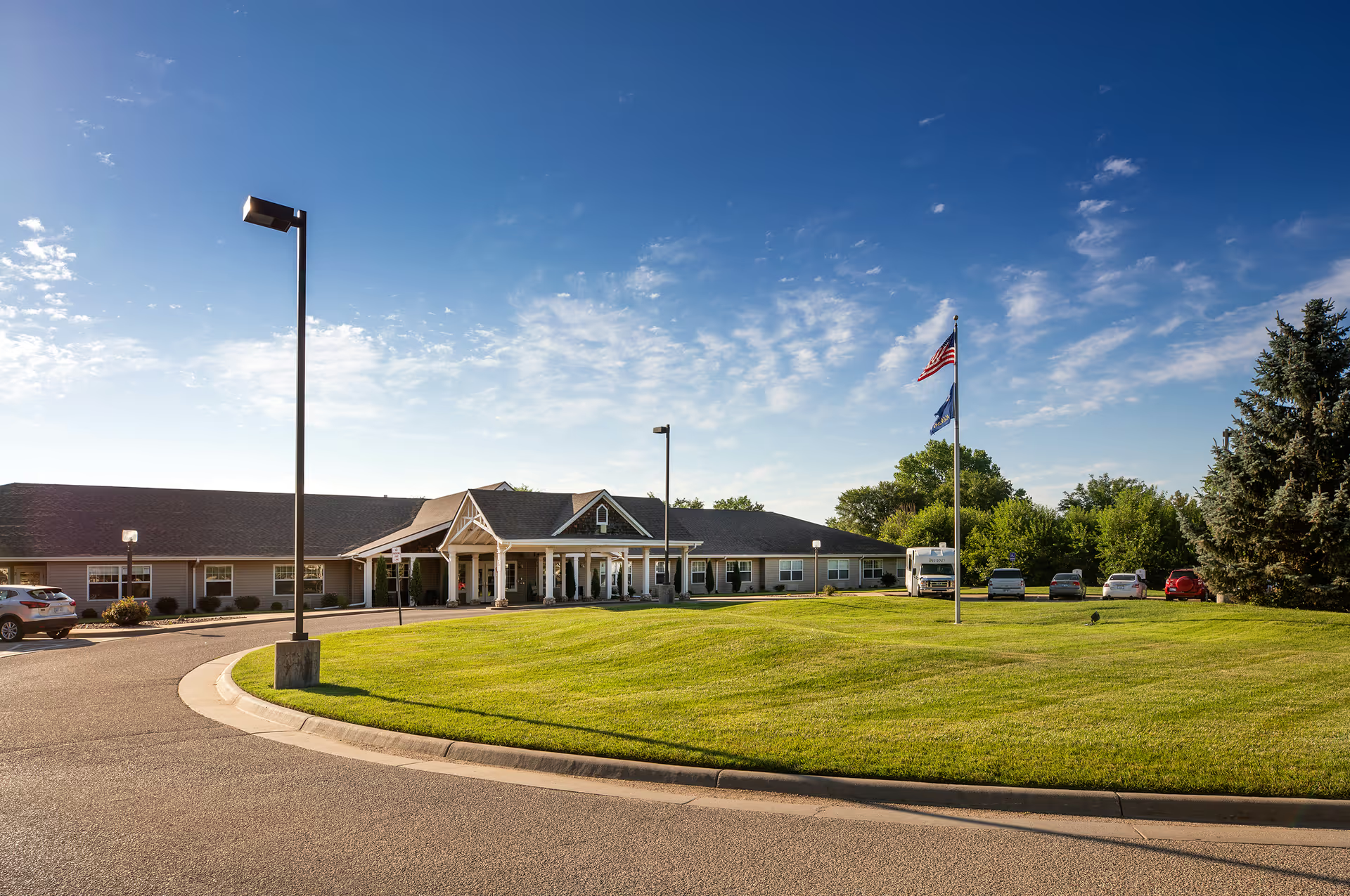
Good Samaritan Society - Ellsworth Village presents a mix of appreciable physical amenities and service-level concerns. On the positive side, the property has been recently renovated and contains well-sized apartments (including two-bedroom, two-bath layouts) with large walk-in closets and bay-windowed rooms. Common spaces—such as a sizeable lobby for socializing, a family room for gatherings, on-site garages, and an accessible laundry service—are frequently described as attractive and functional. The campus also offers multiple living models (independent units, assisted living, and cottages) and visible touches in common areas (for example, birds in a cage) that contribute to a residential atmosphere.
Staff impressions are mixed but include numerous comments describing employees as friendly, knowledgeable, and caring; these strengths appear to support positive social interaction in public areas and during scheduled events. At the same time, a pattern of operational concerns emerges in more clinical aspects of care. Several comments point to inconsistent care quality between shifts or units and to inadequate night-time staffing or responsiveness, which families should view as a potential risk factor when evaluating level-of-care needs. There are also specific concerns about irregular personal-care scheduling (including bathing and hygiene assistance) and about medication administration processes. The word "allegations" is used here sparingly to reflect that some feedback included serious medication-management concerns that merit verification with facility leadership and regulatory records.
Dining and activities show variability. The dining room model that allows menu ordering and the reports of generally acceptable to good food are positives; however, other accounts describe less palatable meals in some care areas. Activity offerings such as bingo, church groups, and Bible study are present and provide social and spiritual engagement, but there are also reports of limited or inconsistently implemented programming and of staff attention being directed to nonresident tasks rather than resident engagement at times.
Taken together, the pattern suggests a facility with solid physical infrastructure and important interpersonal strengths, but with operational inconsistencies that affect clinical care, night coverage, personal-care routines, medication management, and some programming. Prospective residents and families should consider touring multiple parts of the campus at different times (including evenings and weekends), request staffing ratios and night-coverage policies, ask about medication-administration protocols and oversight, sample meals, and review the activity schedule and attendance. Those steps can help clarify whether the facility’s strengths align with an individual’s care priorities and whether identified operational gaps have been addressed by management.