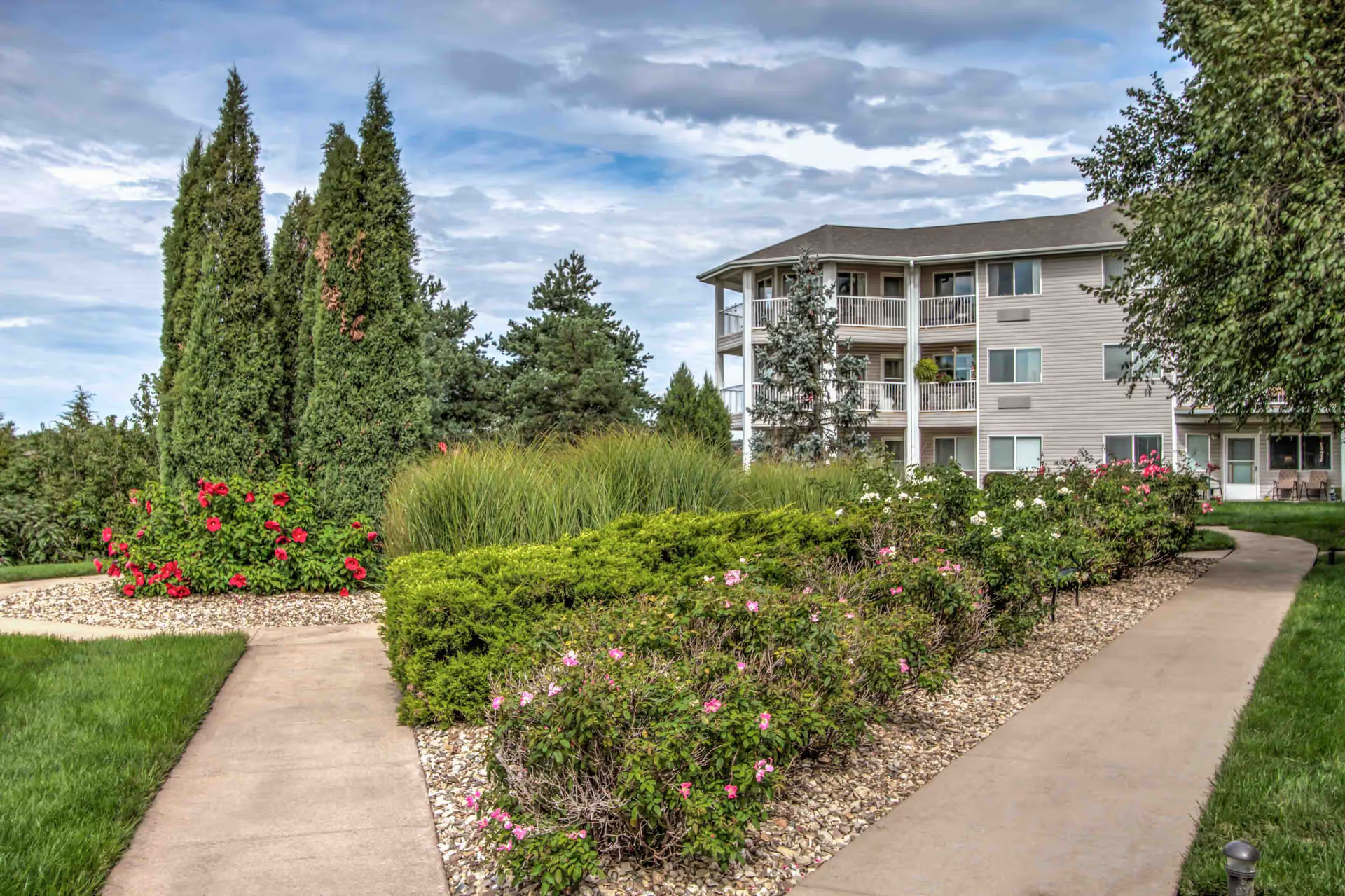
Overall impression: Reviews for Flint Hills Care & Rehab Center overwhelmingly highlight strengths in interpersonal care, dining, and the facility’s atmosphere, while also including a minority of serious care-related concerns. Many accounts emphasize compassionate, relationship-focused staff; a clean, homey environment; and well-prepared, nourishing meals. The facility’s smaller scale and pleasant grounds contribute to a family-like, secure feeling that families and residents often find comforting.
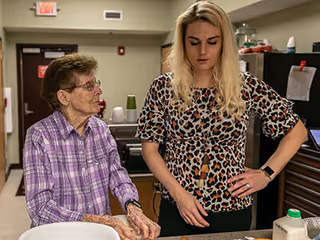
Care and staff: Nursing staff and CNAs receive consistent praise for being caring, respectful, and willing to go beyond basic duties. Families describe staff who build strong relationships with residents and who communicate supportively with relatives. At the same time, there are indications of variability: several comments describe inconsistent responsiveness to resident needs and concerns about the professionalism or tone of certain staff interactions. A limited number of accounts raise more serious questions about clinical responsiveness and case-management conduct; these contrast with the predominant positive comments and suggest variability in how care is delivered or coordinated.
Dining and activities: The dining program is a clear strength—meals are characterized as tasty, nutritious, and adaptable to individual requests, with kitchen and administrative staff noted for their attentiveness. Reviewers also mention an active calendar of activities and multiple dining rooms, which supports social engagement. While programming is generally viewed positively, a few entries lack detail about the scope and frequency of activities, so prospective families may want specifics during a visit.
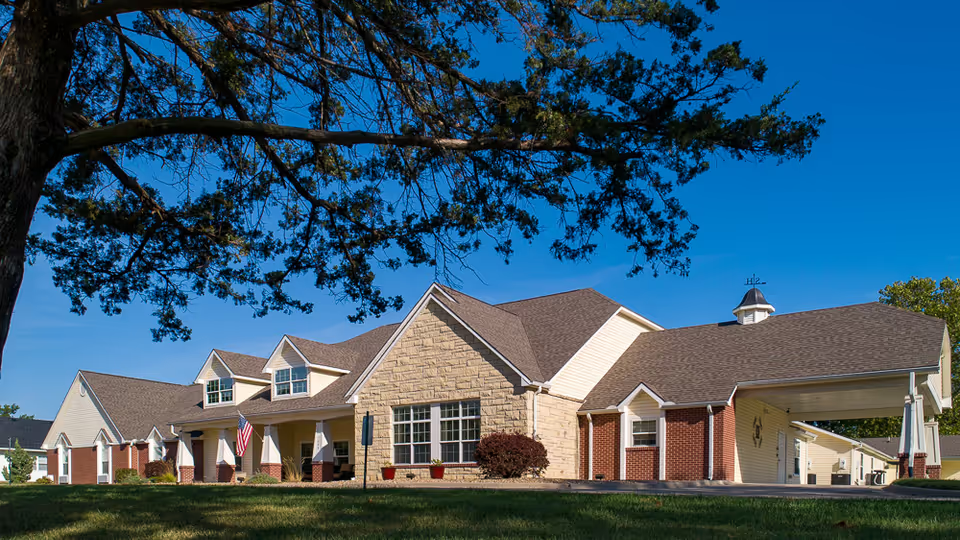
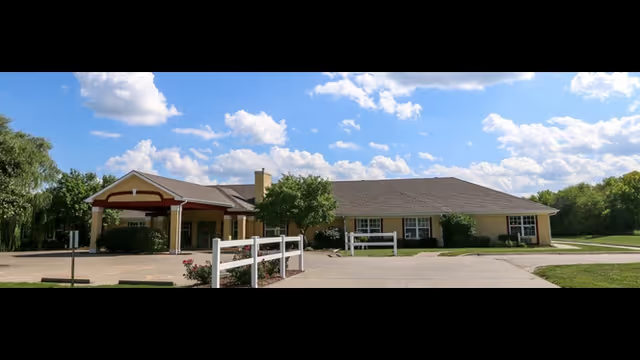
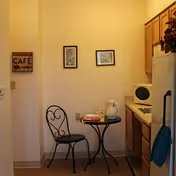
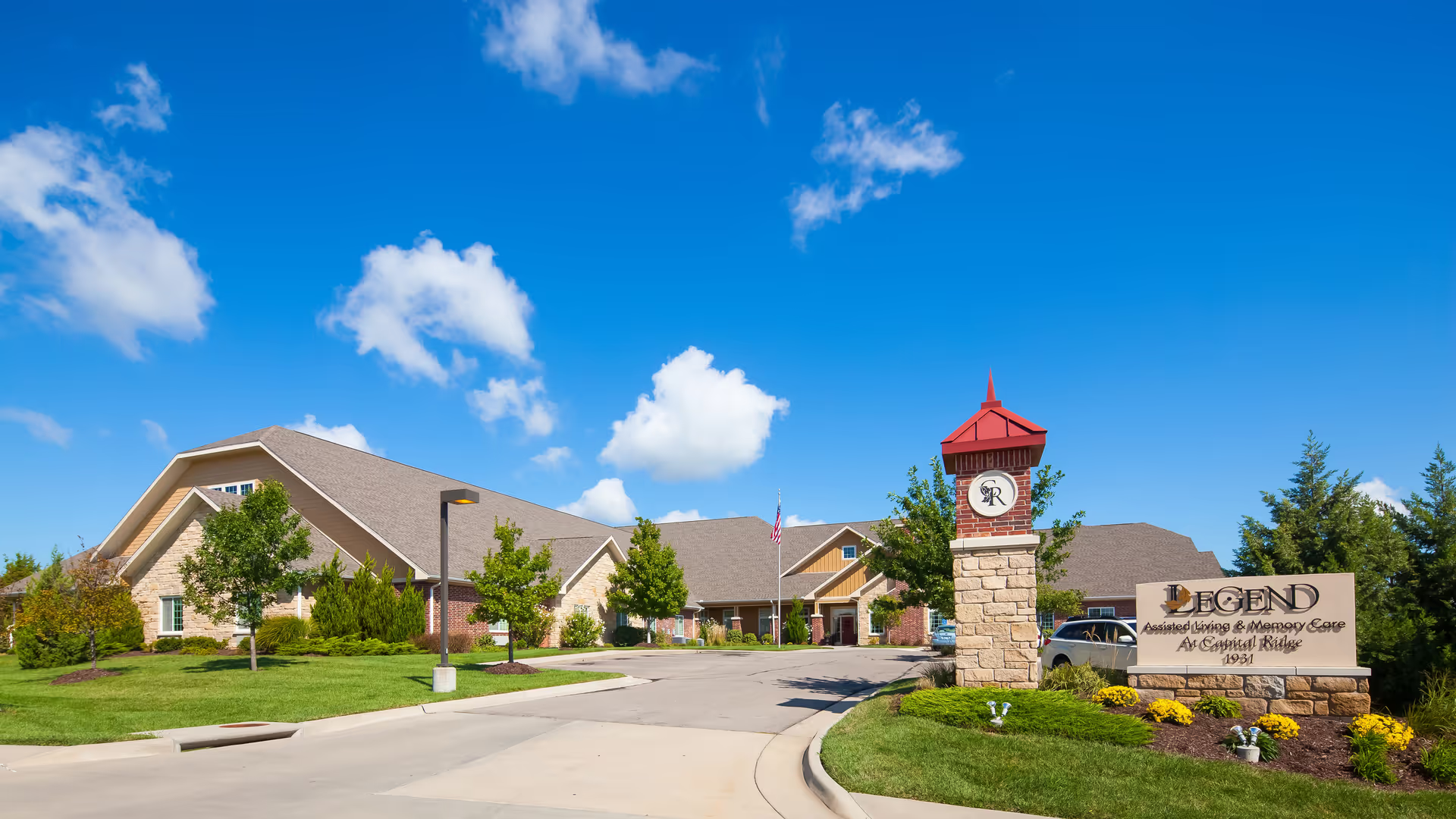
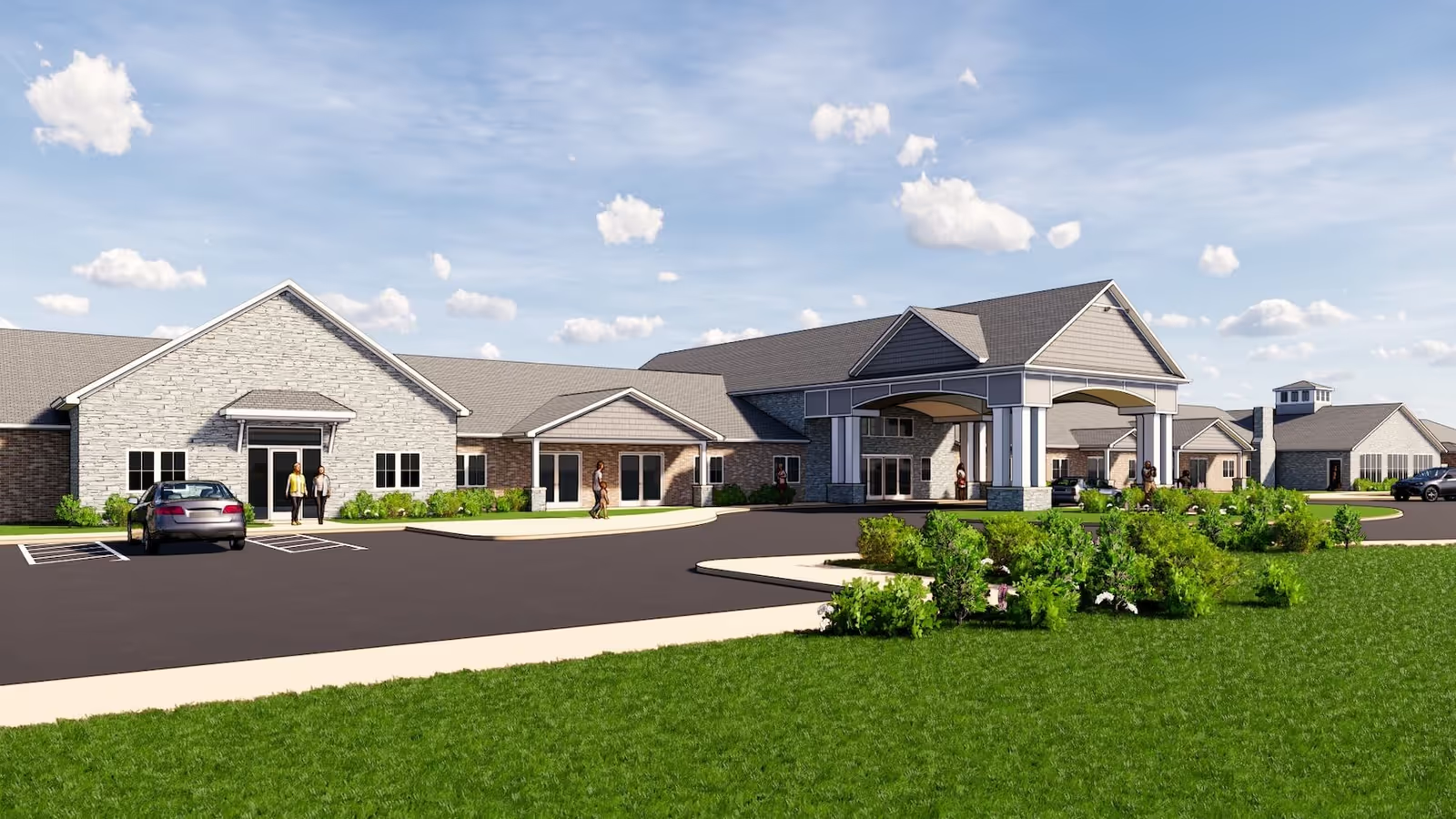
Facilities and value: The building and grounds are described as clean, safe, and homey rather than modern or upscale. Rooms are reportedly clean but not spacious, reflecting a more basic aesthetic. Several reviewers described the facility as cozy and small, which can be a benefit for continuity of relationships but may translate to smaller private spaces. There are perceptions among some families that pricing does not align with room size and facility finish level.
Management and notable patterns: Administrative responsiveness is frequently cited as a positive—administrators and kitchen staff are described as attentive and willing to accommodate requests. However, a few serious concerns appear in the record, including one allegation that resuscitation was initiated despite a documented DNR order; such accounts raise important questions about protocol adherence, emergency-response practices, and communication of residents’ advance directives. There are also references to challenging interactions with social-work or care-coordination staff, which suggest opportunities for improved transparency and professionalism in those functions.
Recommendation for prospective families: Flint Hills appears to offer strong relational care, a nourishing dining program, and a clean, secure environment with a home-like character. Prospective residents and families should balance those positives against the reported variability in responsiveness and the isolated but significant concerns about adherence to advance directives and staff communication. During a visit, consider reviewing staffing patterns, emergency and advance-directive protocols, social-work roles, and actual room dimensions to confirm the fit for the resident’s clinical needs and family expectations.