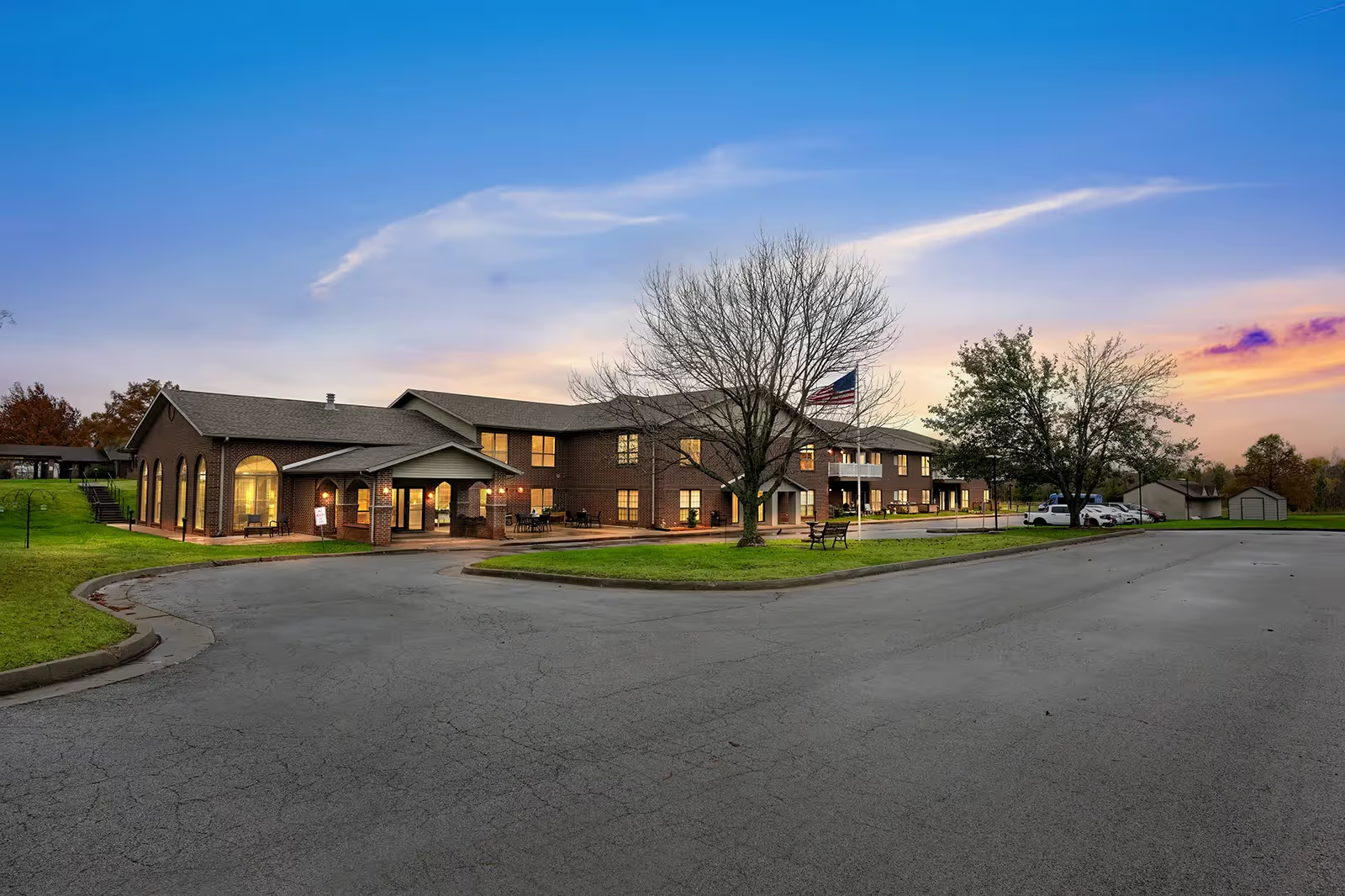
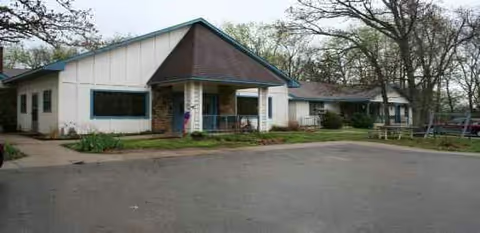
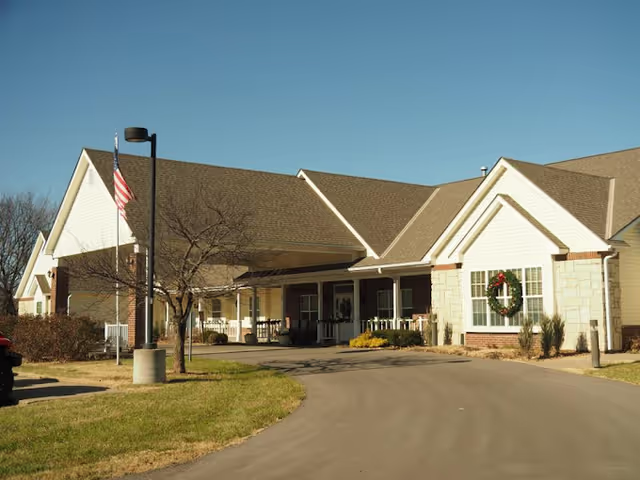
Overall impression: Reviews portray Fort Scott Presbyterian Village as a small, well-kept community with a strong emphasis on compassionate caregiving, resident advocacy, and an active program of social and volunteer opportunities. Many comments highlight a home-like atmosphere, clean and comfortable apartments, and staff who develop close, family-like relationships with residents. Several reviewers credit facility leadership with visible engagement on behalf of residents and families.
Care quality and staff: The dominant theme is attentive, reassuring care from staff who are described as caring, respectful, and capable. Staff members and specific leaders are frequently praised for advocacy and dedication to residents’ well-being. That said, there are intermittent concerns about variability in staff conduct and communication tone; a subset of remarks describe rude interactions or supervisory behavior that families found unsatisfactory. Additionally, some comments indicate inconsistencies in how medication and assistance are managed, which suggests prospective families should ask for specifics about medication protocols and staff training during a visit.
Dining and daily routines: Meal quality is generally described positively, and reviewers note good, comfortable dining arrangements. A recurring operational concern is that some families perceive meal-time monitoring or checks as intrusive; this points to a potential tension between staff oversight and resident autonomy during meals. Clarifying meal-service routines, monitoring practices, and resident-choice policies during a tour would be prudent for visitors who prioritize privacy and independence at mealtimes.
Activities, volunteers, and community life: The community’s activity program and volunteer involvement receive consistent praise. Reviews describe a wide variety of planned activities, strong volunteer engagement, and an environment that keeps residents engaged and socially active. These strengths contribute to residents’ reported satisfaction and the sense of a lively, engaged community.
Facilities and amenities: Multiple comments emphasize cleanliness, inviting common areas, and well-maintained apartments. The facility is described as unique and home-like rather than institutional, which many families found reassuring. Amenities and teamwork among staff are credited with supporting daily life and resident comfort.
Management and notable patterns: Leadership is often singled out as a strength—executive staff are described as experienced, passionate, and advocacy-minded. However, there are notes of uneven administrative tone and at least one indication of leadership turnover or change; combined with the other operational concerns, these suggest some variability in resident experience over time. Overall the pattern is largely positive, but prospective residents and families should probe medication-management processes, ask about staff training and retention, and request clarity on meal-time policies and administrative stability when evaluating the community.