The reviews for this senior-living community present a mixed but clear pattern: many families and residents praise the people and culture, while others raise operational concerns that could affect clinical care and daily comfort. Positive commentary centers on the caregiving team, on-site leadership, dining and activities; critical commentary centers on response times, family communication, hygiene, wound prevention, and medication management.
Care quality: Several families describe staff as kind, caring, and attentive, and some cite excellent oversight by nursing leadership. Concurrently, some reviewers described delays in attending to resident needs (long call-button response times) and expressed concerns about wound prevention and management. There are also specific, serious medication-management concerns raised by reviewers; one term used suggests possible inappropriate sedative use, so families should confirm the facility’s medication policies and oversight processes.
Staff and management: Staff are frequently characterized as friendly, helpful, and capable of creating a home-like environment. Leadership — including the administrator and director of nursing — receives positive remarks for engagement and responsiveness from families who are satisfied. At the same time, there are indications of variability in staff performance and workplace morale; isolated observations (for example, staff at a station spending time on phones) highlight inconsistencies. Prospective families should ask about staffing levels, turnover, and staff-training practices during a tour.
Dining and activities: The dining program and communal meals are commonly described positively; reviewers note enjoyable meals and strong social interaction at mealtimes. The activities director and the activities program are also highlighted as strengths, contributing to resident engagement and a pleasant communal atmosphere.
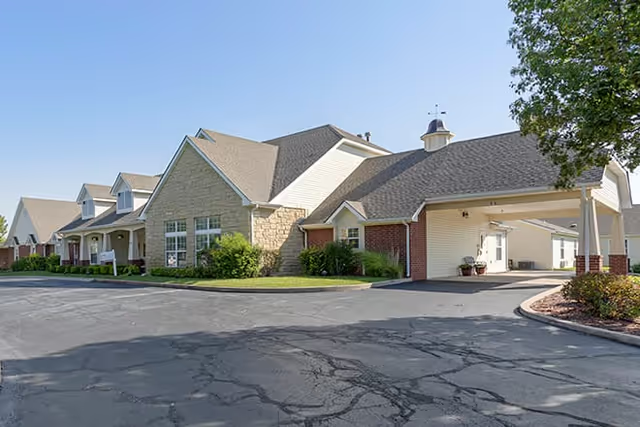
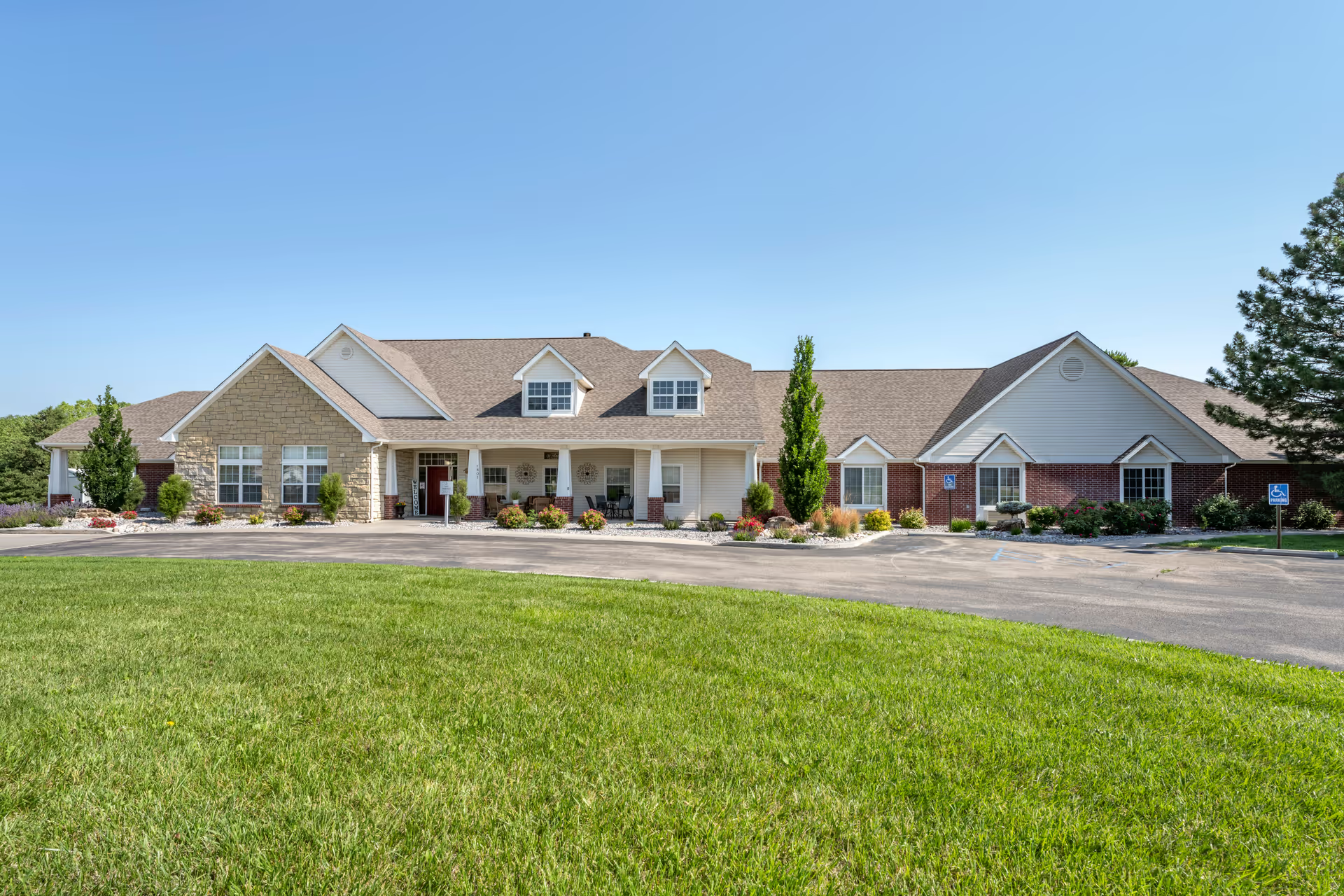
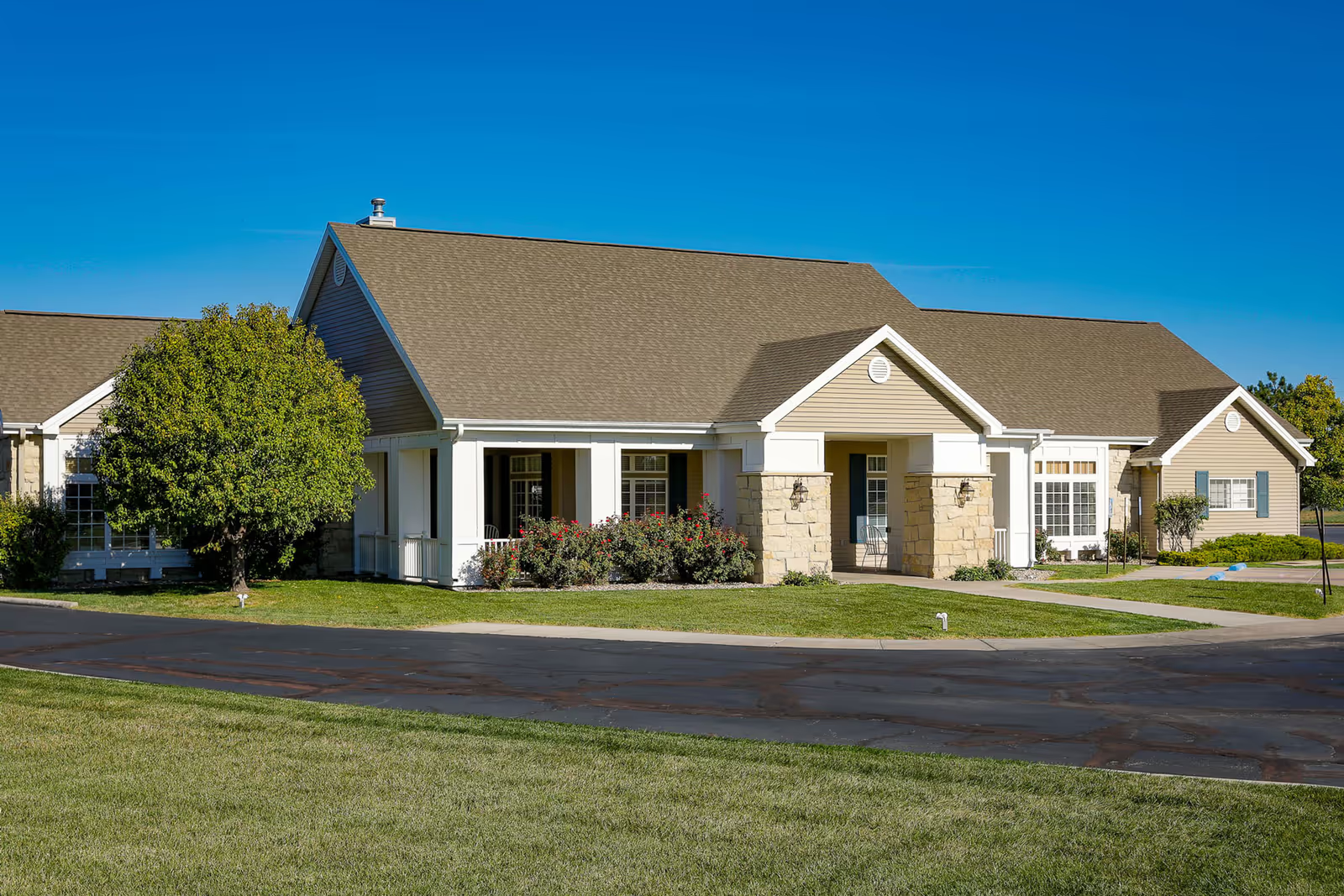
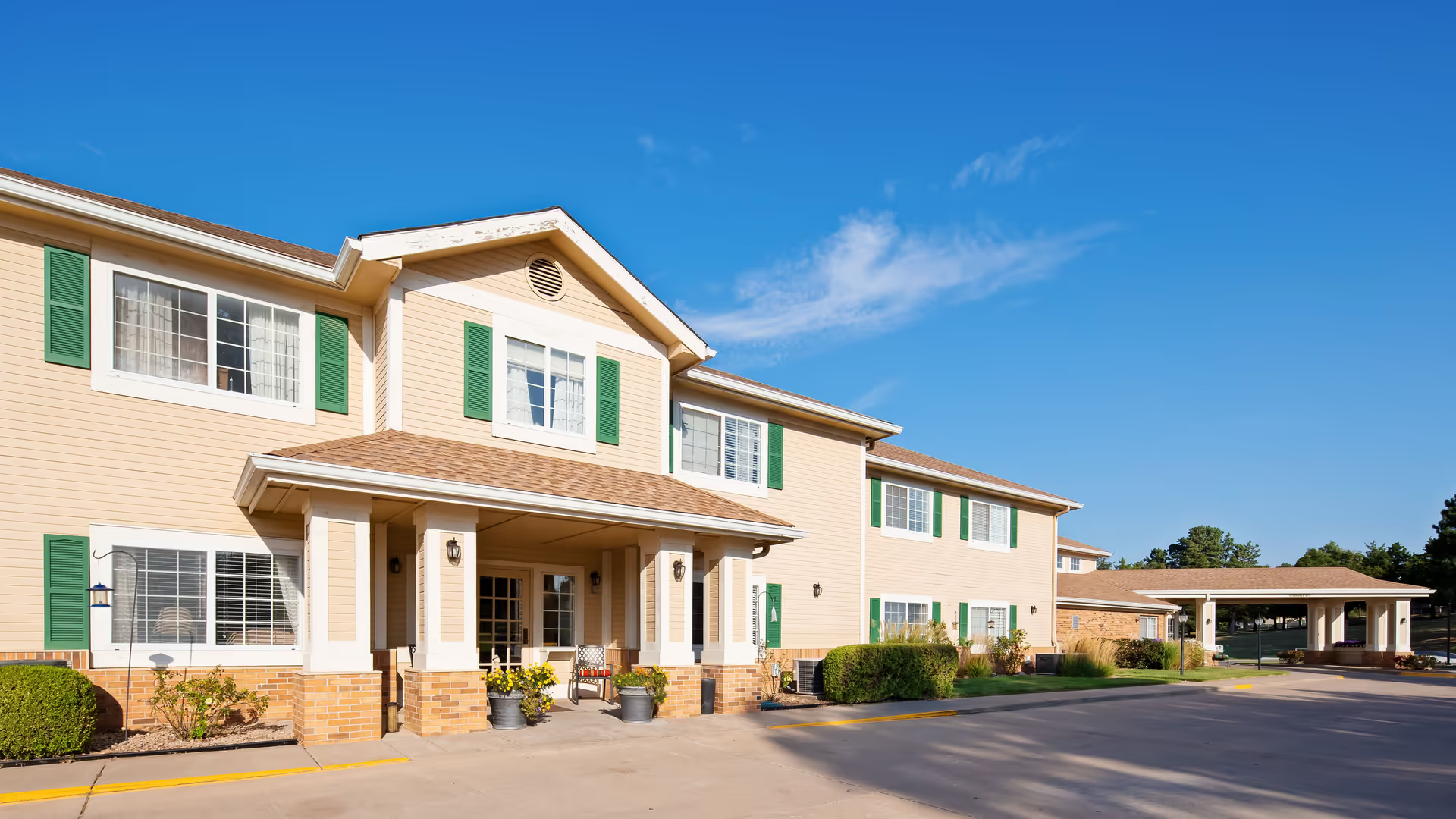
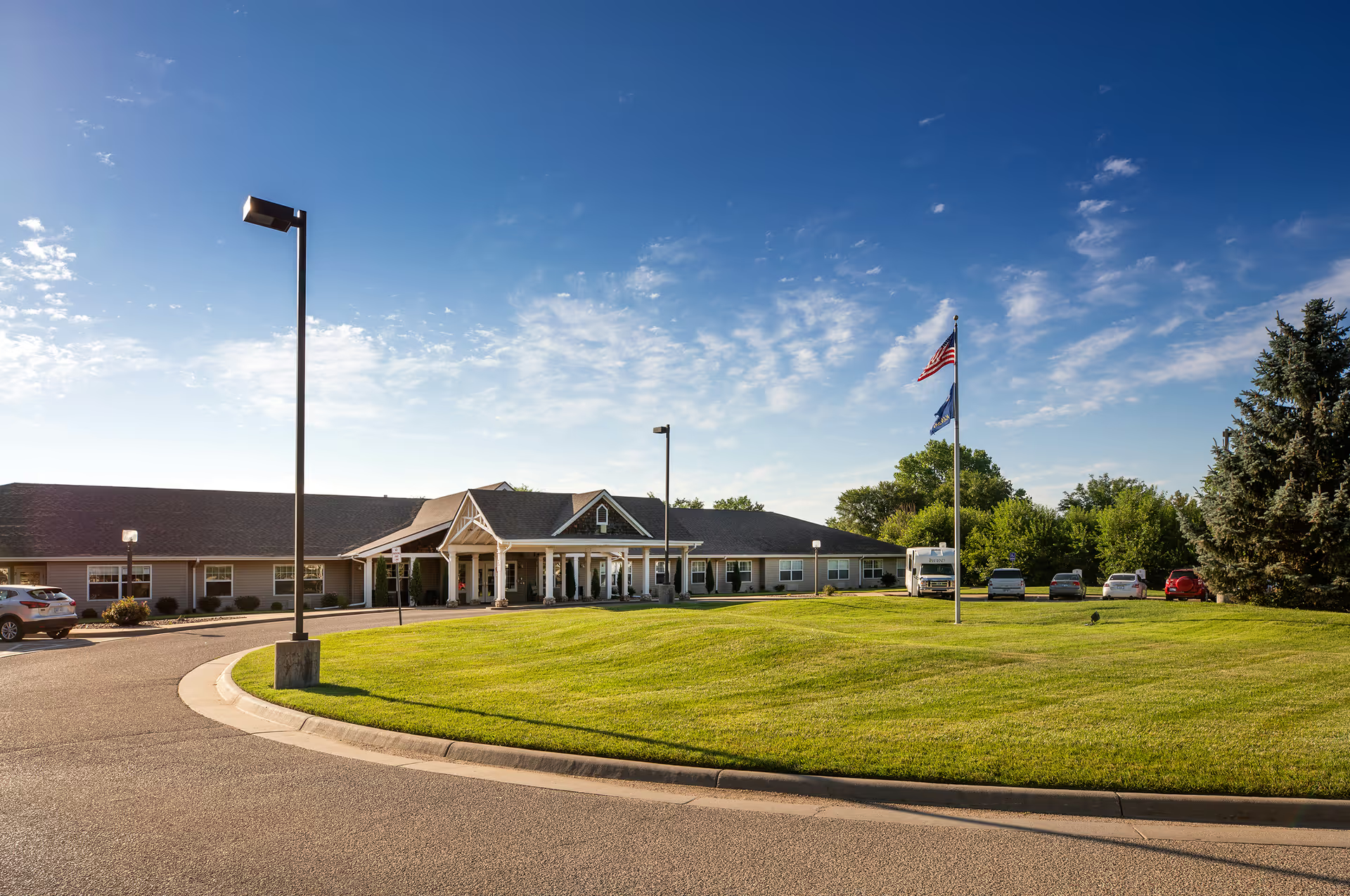
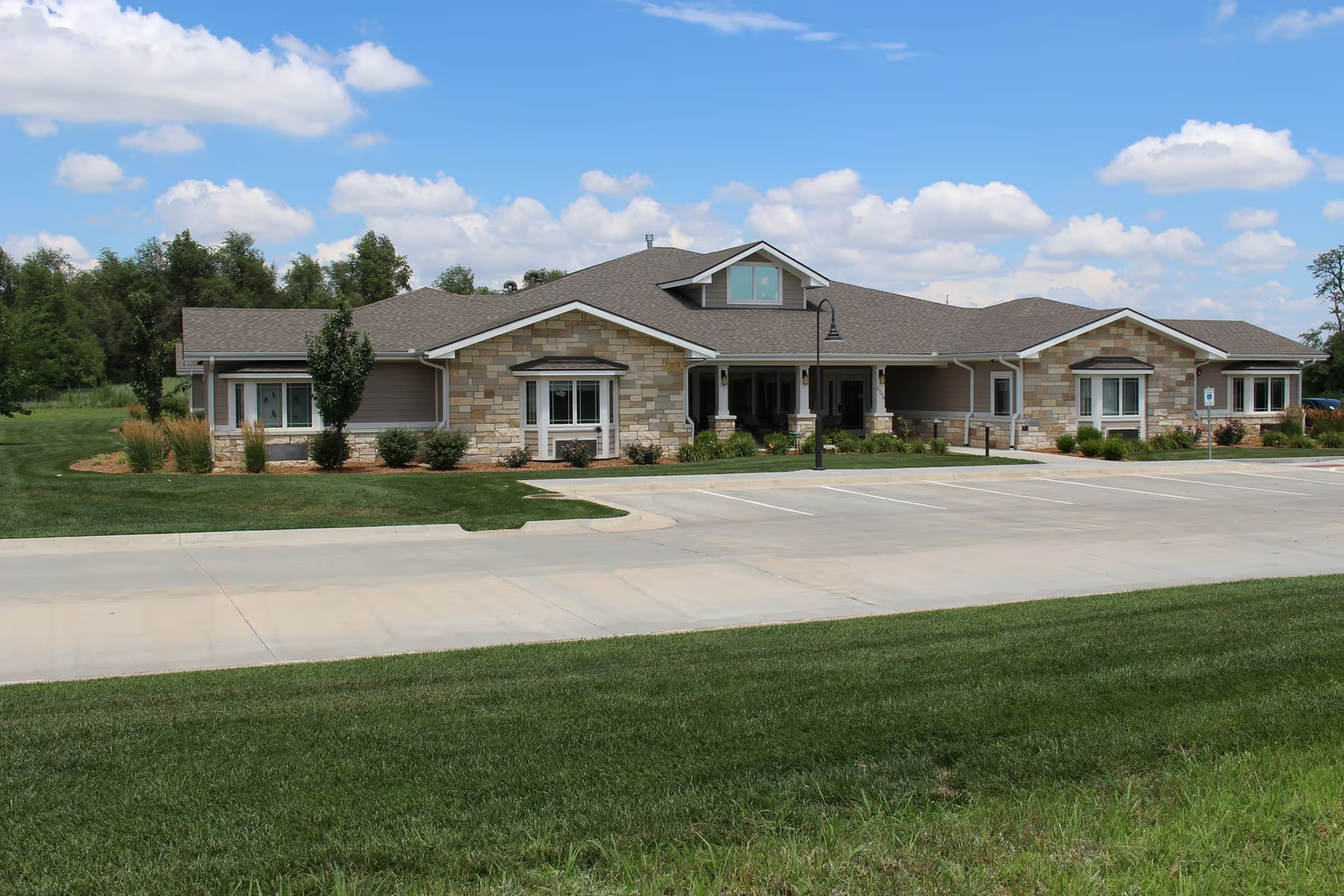
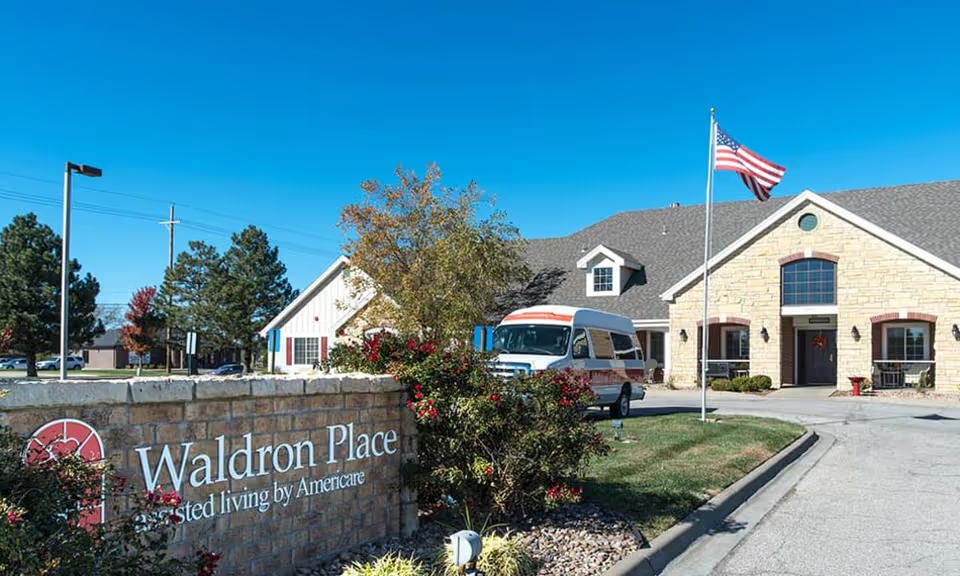
Facilities and infection-control: Reviewers mention planned renovations and an overall pleasant environment in some areas, but others raise cleanliness and sanitation concerns that could relate to infection risk and general comfort. There are also concerns tied to pressure-ulcer prevention and wound care practices. When evaluating the facility, families should request information about cleaning schedules, infection-control protocols, wound-care programs, and recent inspection or audit results.
Notable patterns and recommendations: The most consistent theme is a polarized experience—strong praise for staff and leadership alongside operational weaknesses that could materially affect resident safety and wellbeing. If you are considering this community, ask for concrete metrics and policies: average call-bell response times, medication oversight procedures, wound-prevention protocols, staffing ratios and turnover, family-communication protocols, and recent quality or inspection reports. When possible, visit at different times of day, speak with current residents and families, and review the resident care plan and medication-consent processes to address the specific concerns surfaced in reviews.