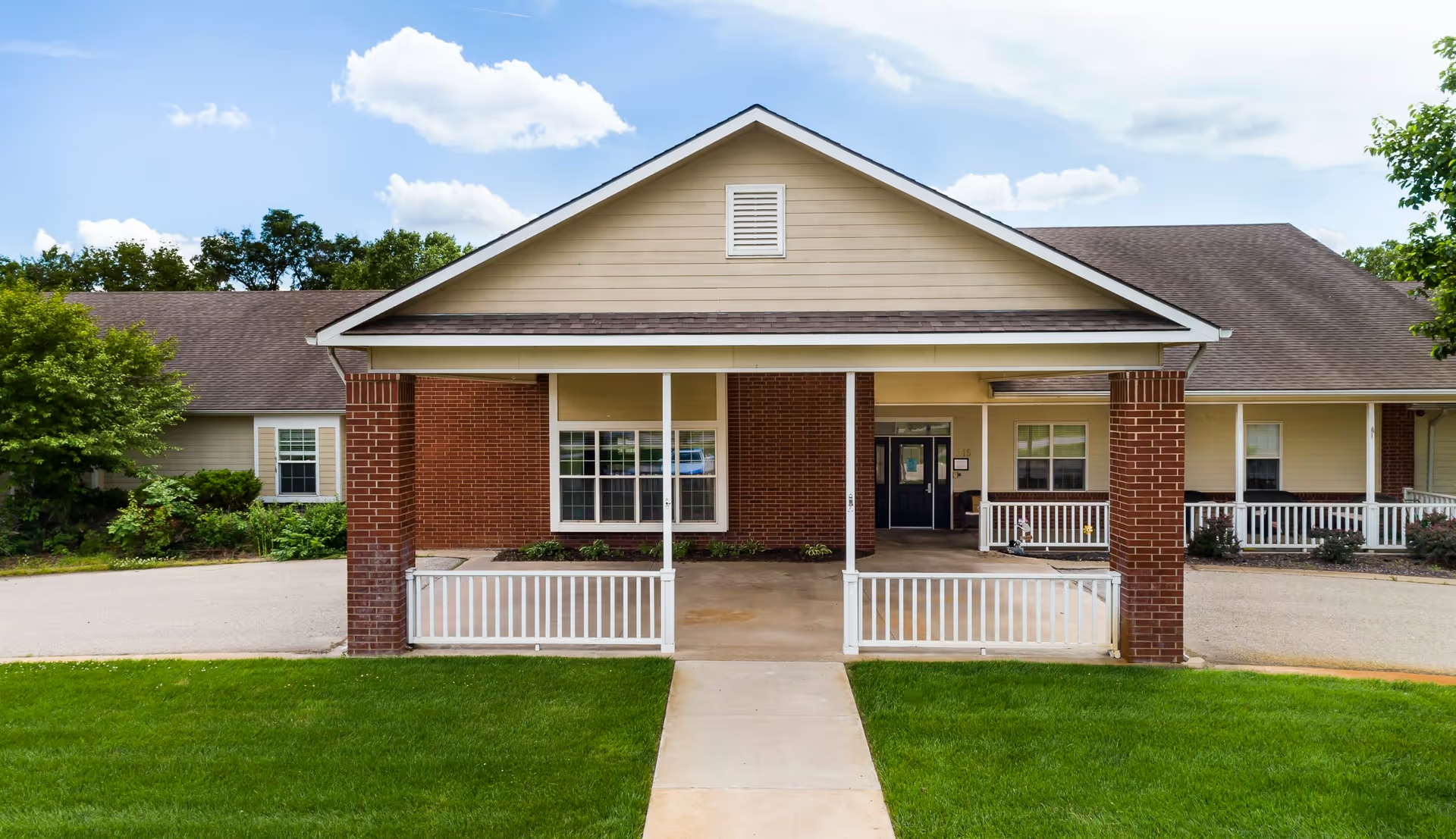
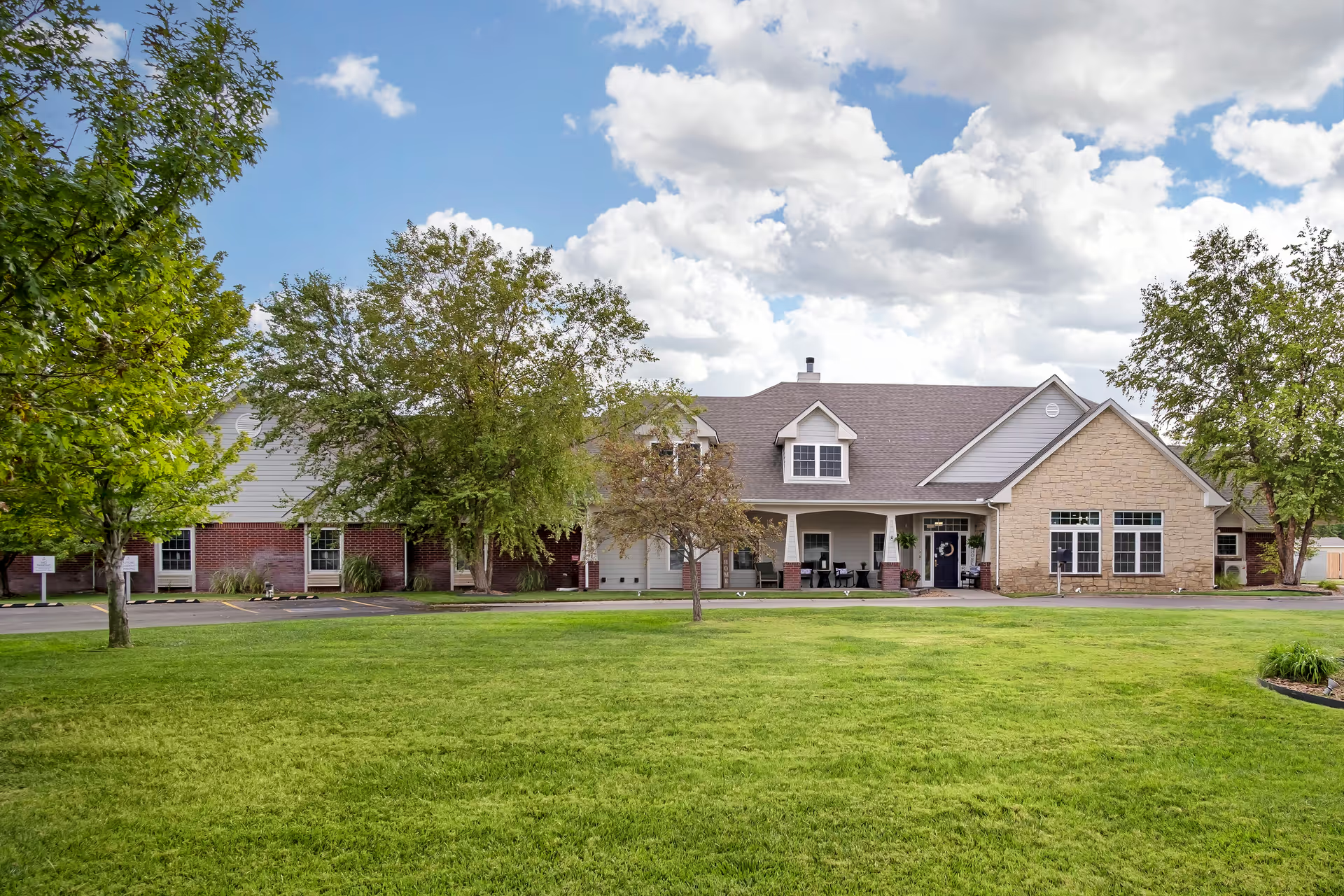
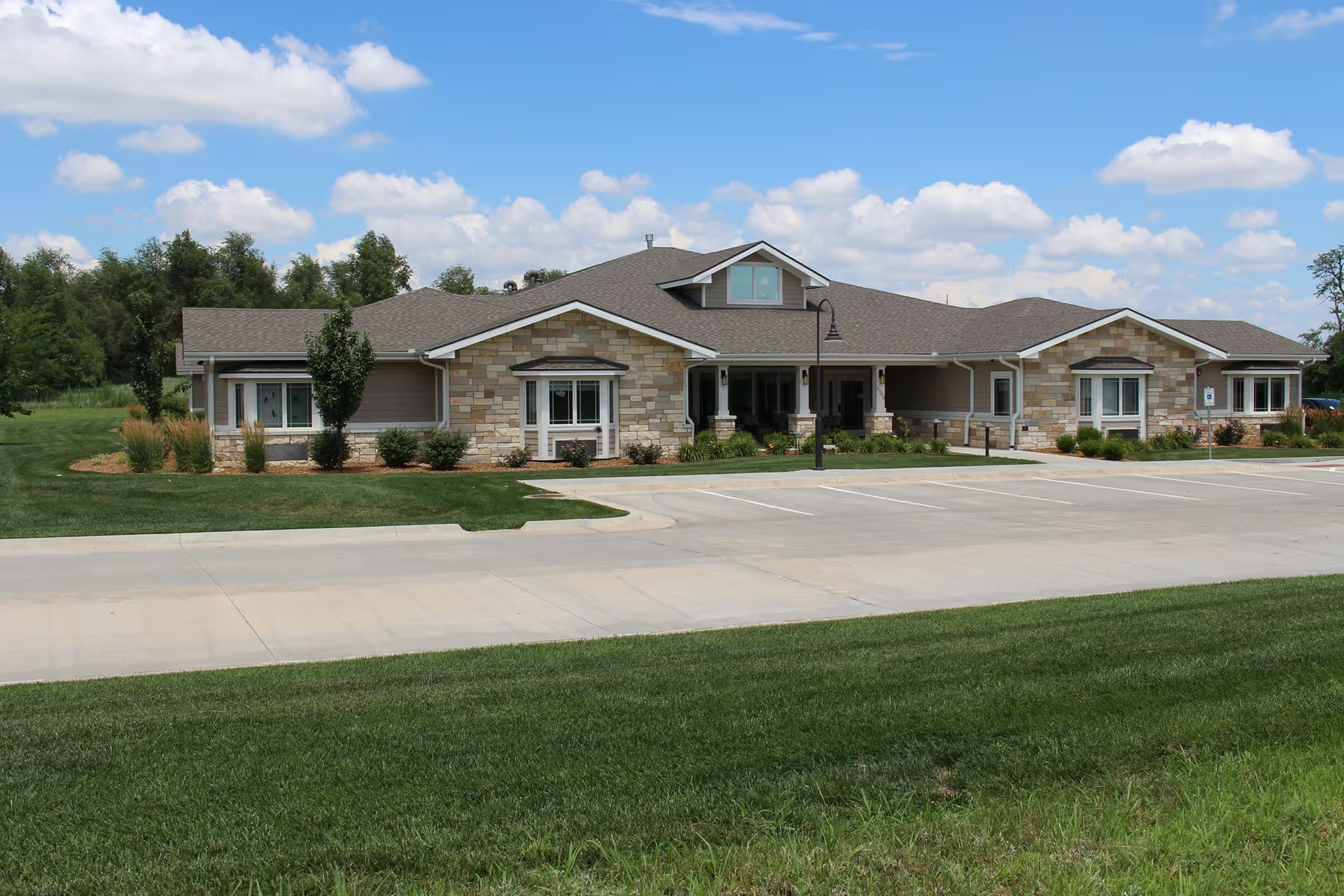
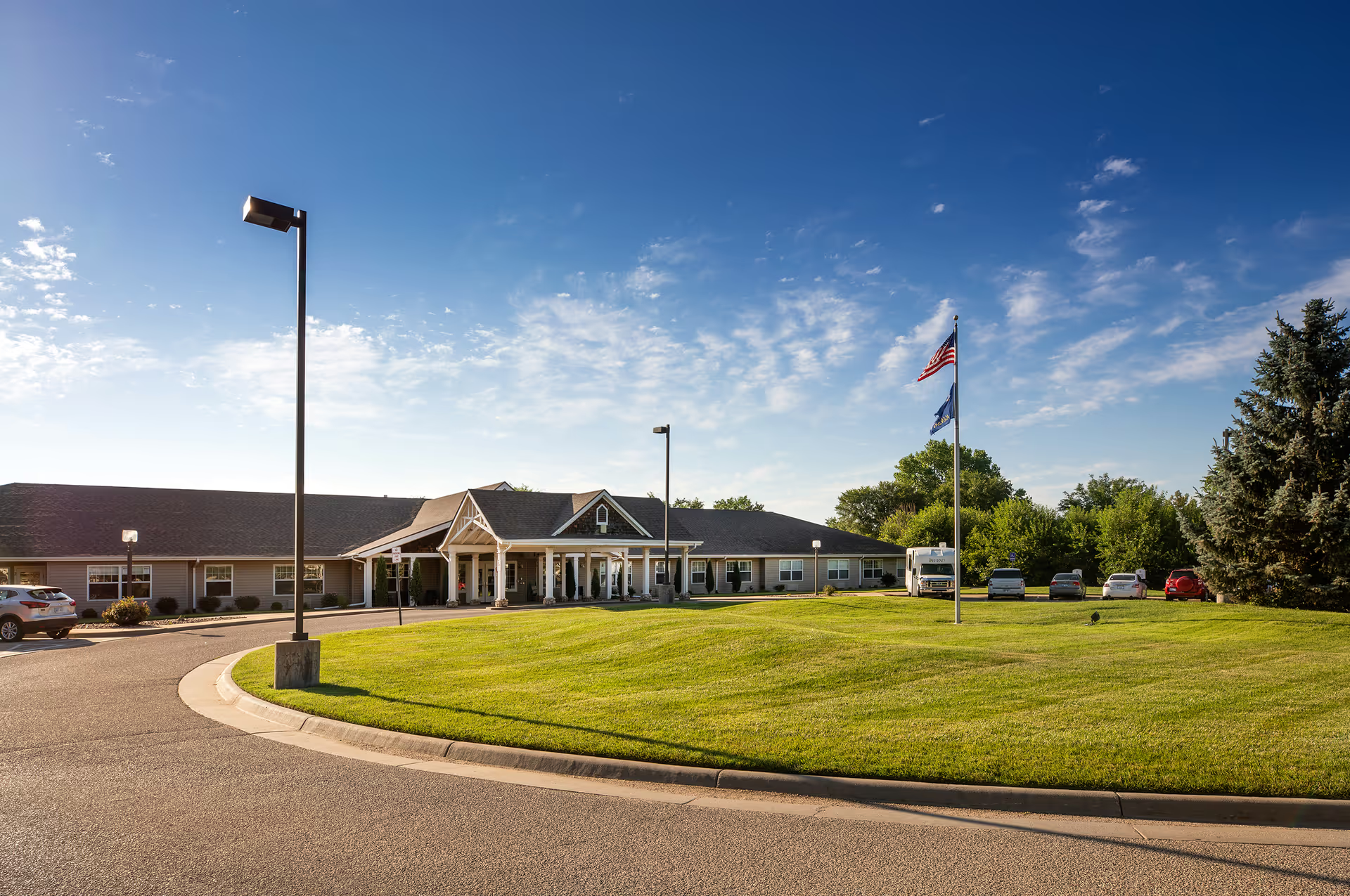
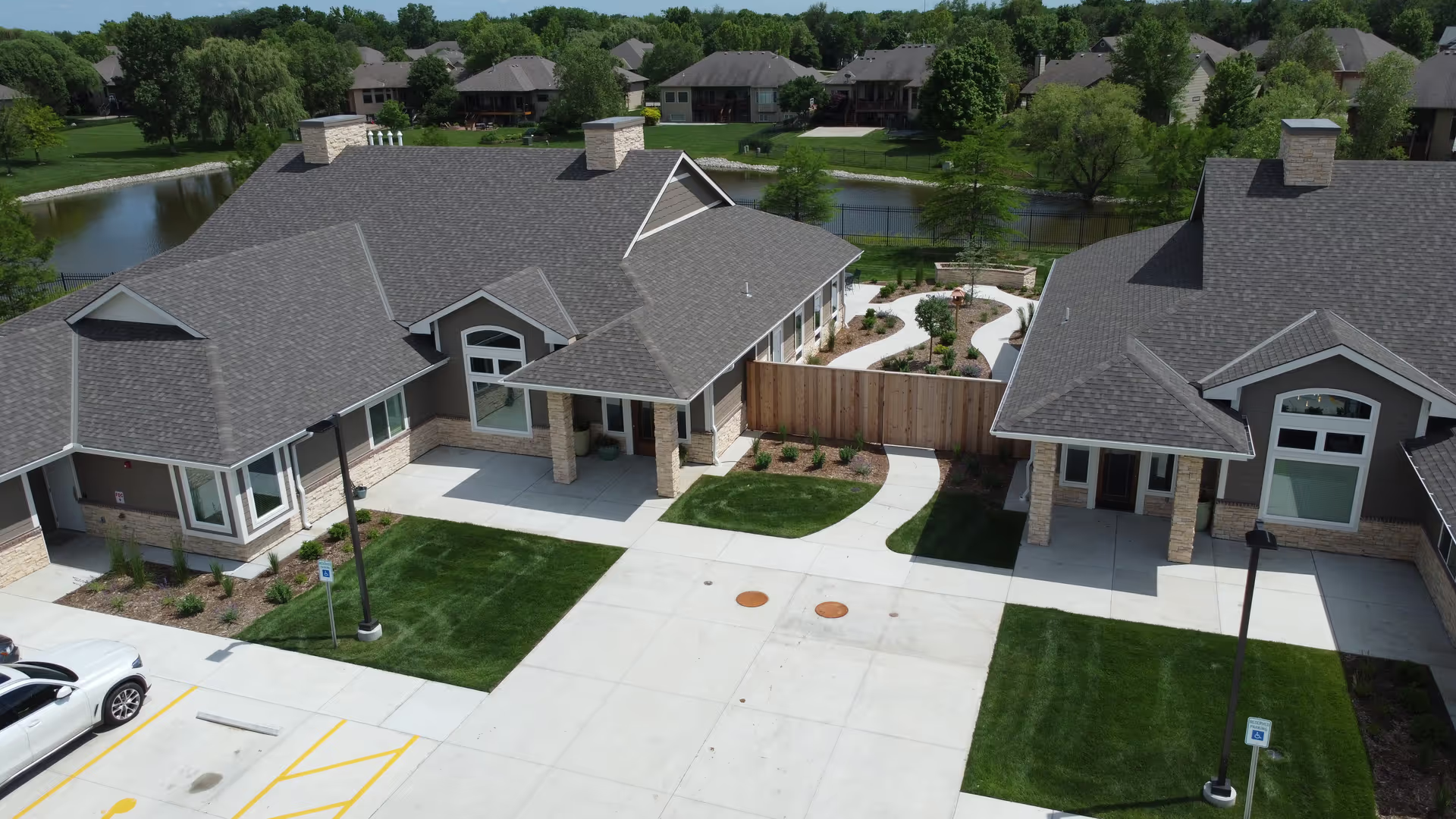
Reviews of Schowalter Villa describe a facility with many visible strengths alongside several operational inconsistencies families should weigh. Positively, the community presents as a modern, well-maintained campus with up-to-date technologies, attractive common spaces, and a range of on-site amenities such as a salon, gift shop, cafeteria and ice cream area. Multiple accounts highlight a strong, resident-focused activities program — including intergenerational events and offerings targeted to residents with Parkinson’s disease and dementia — and staff who are often described as caring, prompt, and knowledgeable. Dining is frequently praised for variety and quality, and rooms are noted as private and customizable in many cases.
Care quality and dementia services are an area of mixed feedback. While some families characterize clinical care as expert and compassionate, other accounts point to a mismatch between the facility’s advertised memory-care expertise and the on-the-ground experience for some memory-impaired residents. Concerns raised include residents becoming frequently upset or frightened and staff not consistently identifying or communicating behavior changes. These comments suggest variability in how dementia-focused practices are implemented and in staff comfort or training in specific situations.
Staffing and management patterns also show contrasts. Many reviewers commend individual staff members for kindness and responsiveness, yet others report inconsistent communication from leadership (for example, calls not being returned) and insufficient or less-experienced staffing on weekends. These patterns point to potential variability in coverage and supervisory consistency that can affect day-to-day responsiveness and family communication. Additionally, there are observations of uneven staff conduct and tone toward families in some interactions.
Dining, housekeeping, and personal care receive both praise and criticism. The community is credited with excellent, varied meals and multiple dining venues, but a subset of experiences describe less favorable meal quality. There are also specific sanitation and personal-care concerns — including inconsistent bathing schedules and cleanliness issues in some rooms — which indicate uneven implementation of routine care and housekeeping protocols rather than a uniformly poor standard.
Operationally, pricing is an important consideration: several accounts reference a high monthly cost (around $9,500), and some families feel the price does not always align with their expectations of memory-care consistency or day-to-day services. On the positive side, non-profit ownership and an expanded, navigable layout are noted as organizational strengths.
For prospective residents and families: visit the community at varied times (including weekends and meal times), ask for specifics about memory-care protocols and staff training, request recent staffing ratios and weekend coverage plans, review bathing/personal-care schedules and housekeeping procedures, evaluate dining options with a meal sample, and clarify what services are included in fees versus add-ons. Also request documentation on behavior-incident reporting and family notification policies to assess how the facility tracks and communicates changes in resident status. These targeted questions can help reconcile the facility’s many strengths with the operational variability described by different families.