Overall impression: Reviewers convey a largely positive view of Maple Heights Nursing & Rehabilitative Center, with consistent emphasis on the quality of direct care and the facility’s family-oriented culture. Many families described nursing staff, CNAs, and aides as attentive, compassionate, and proactive in daily needs and clinical decisions. Reviewers highlighted individualized touches in care — small adjustments, responsive bedside attention, and staff participation in resident activities — which contribute to a sense of personalized care.
Staff and management: The workforce and leadership receive frequent praise. Communication between staff and family members is described as strong, with management characterized as accessible, friendly, and easy to work with. Reviewers noted teamwork, high energy among staff, and a supportive administrative presence. These elements are cited as reasons families felt comfortable placing loved ones at the facility and as contributing to a family-like atmosphere.
Dining and activities: Dining is commonly mentioned as a positive element; reviewers referenced made-to-order breakfasts and an attention to meal quality and presentation. The activity program appears active and varied: live piano music, group games (including Wii), birthday celebrations, and staff-led events generate resident participation and social engagement. The facility’s use of music, celebrations, and inventive activities is reported to foster a pleasant, interactive environment.
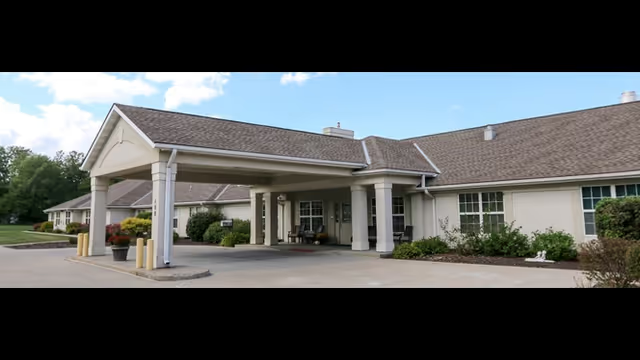
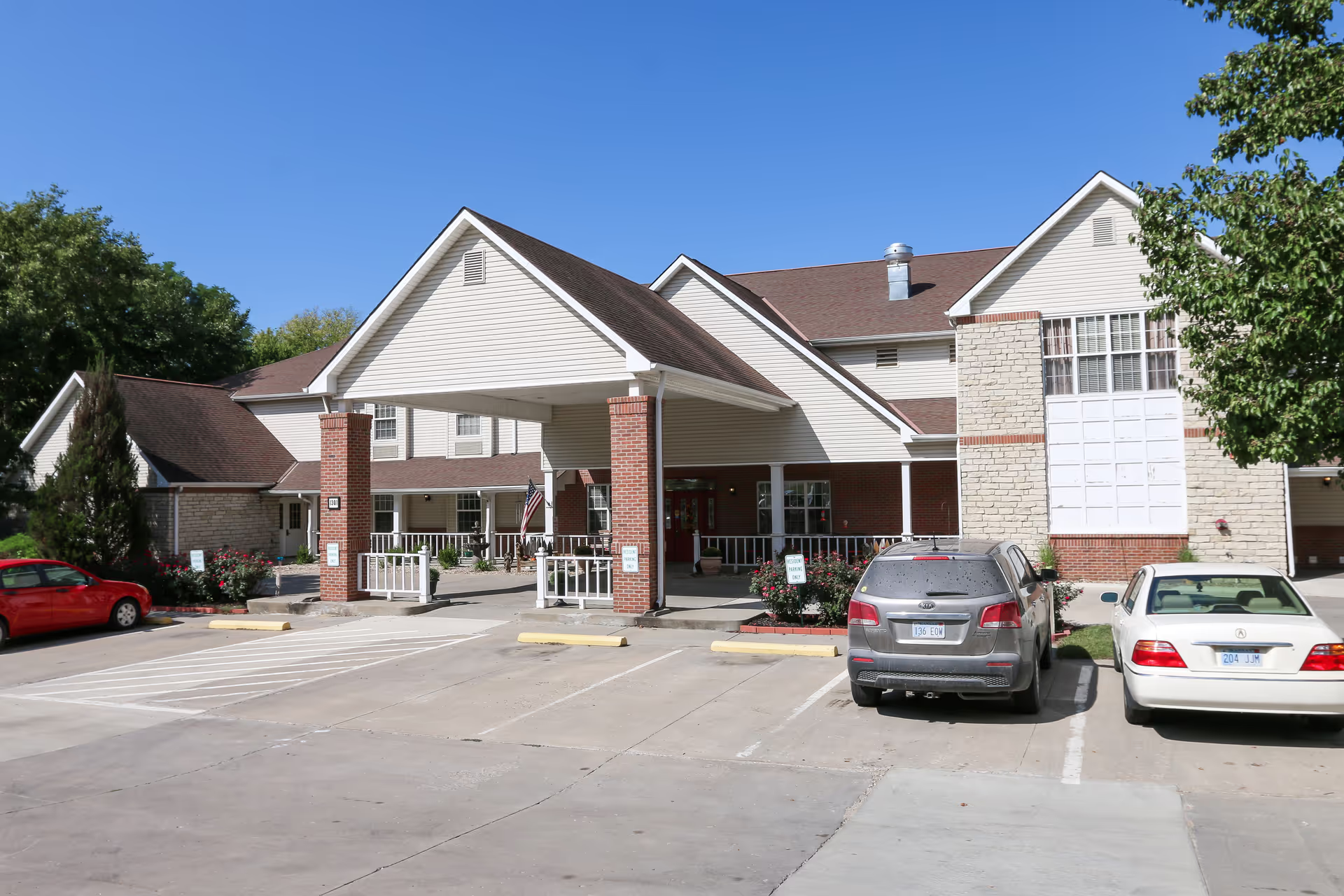
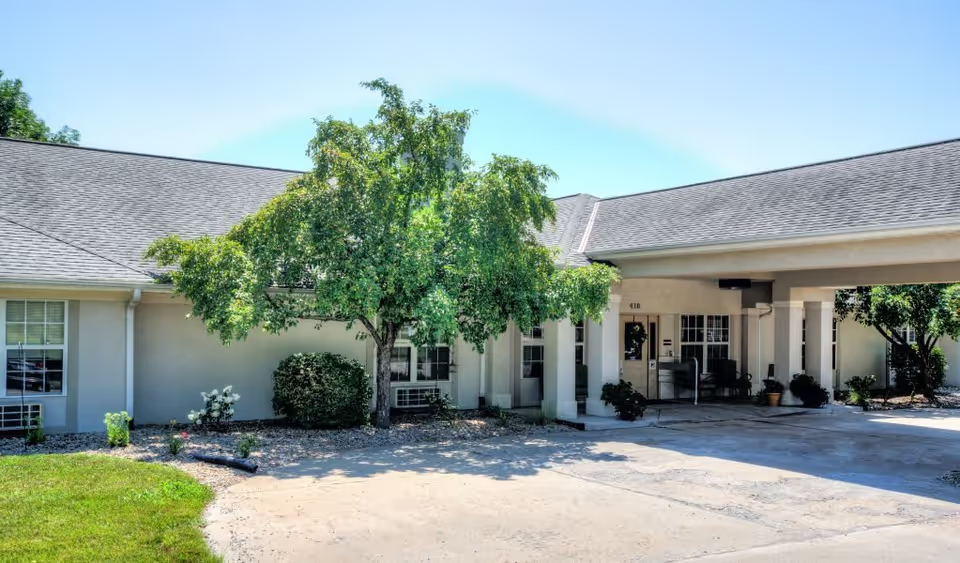
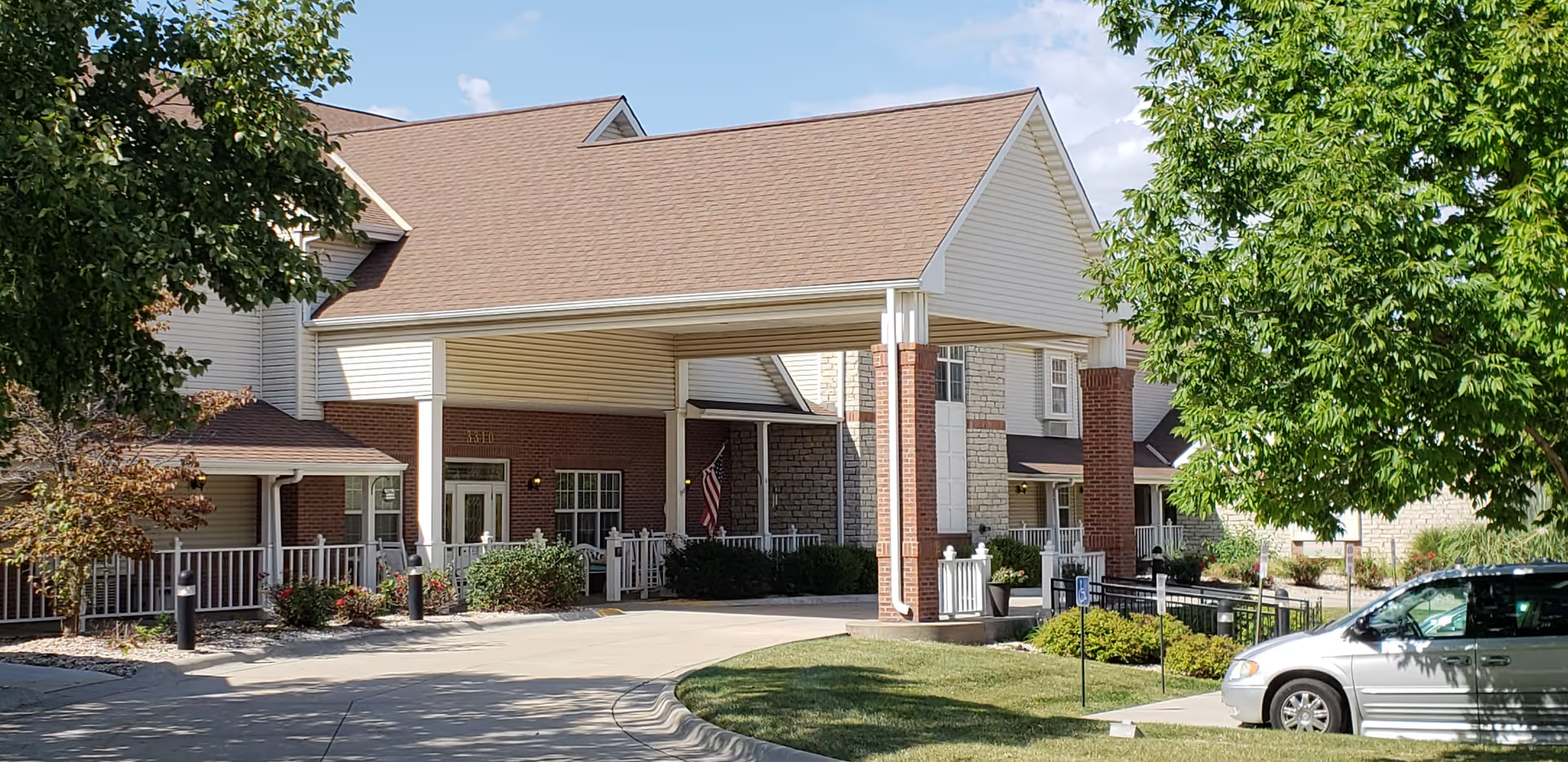
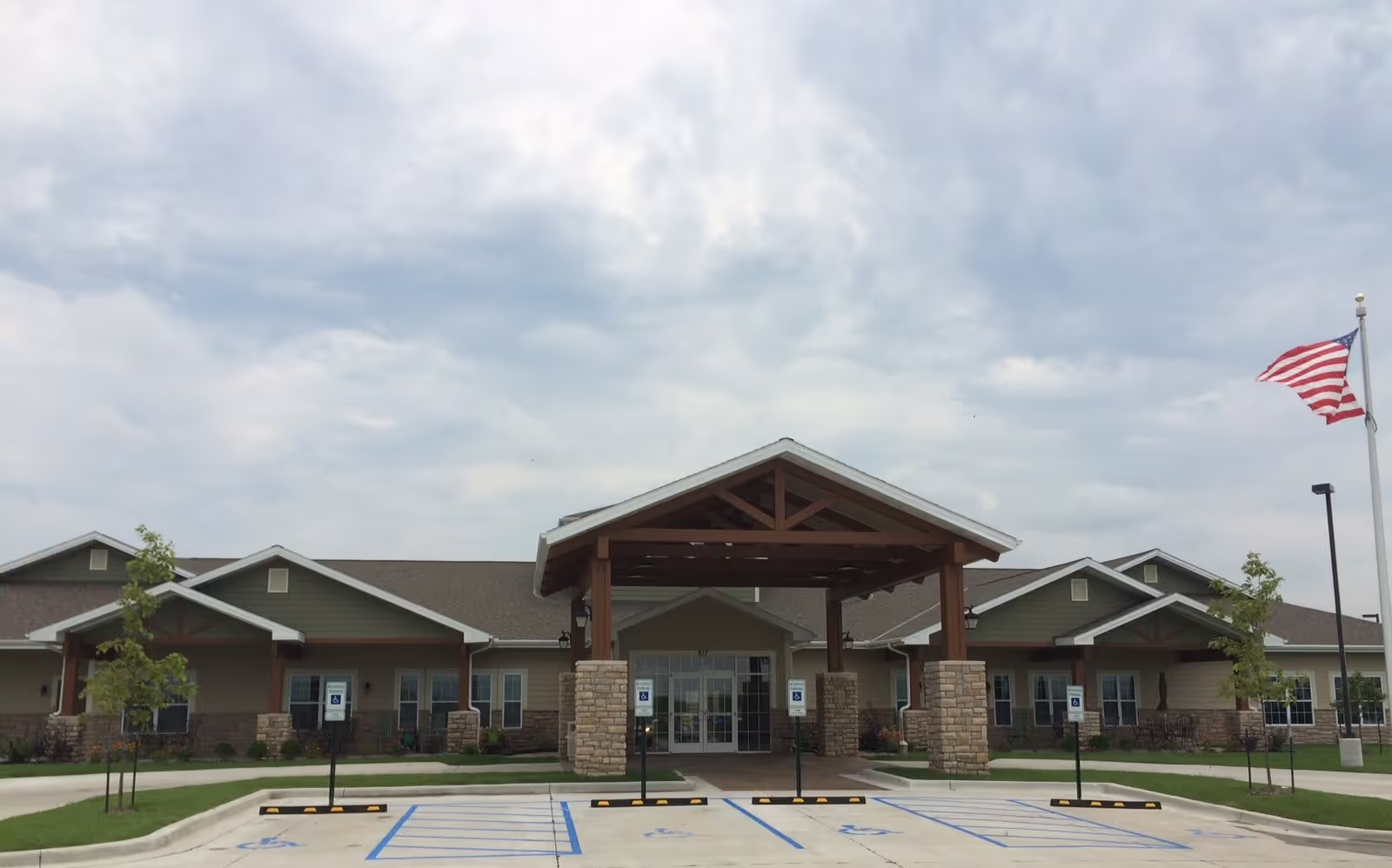
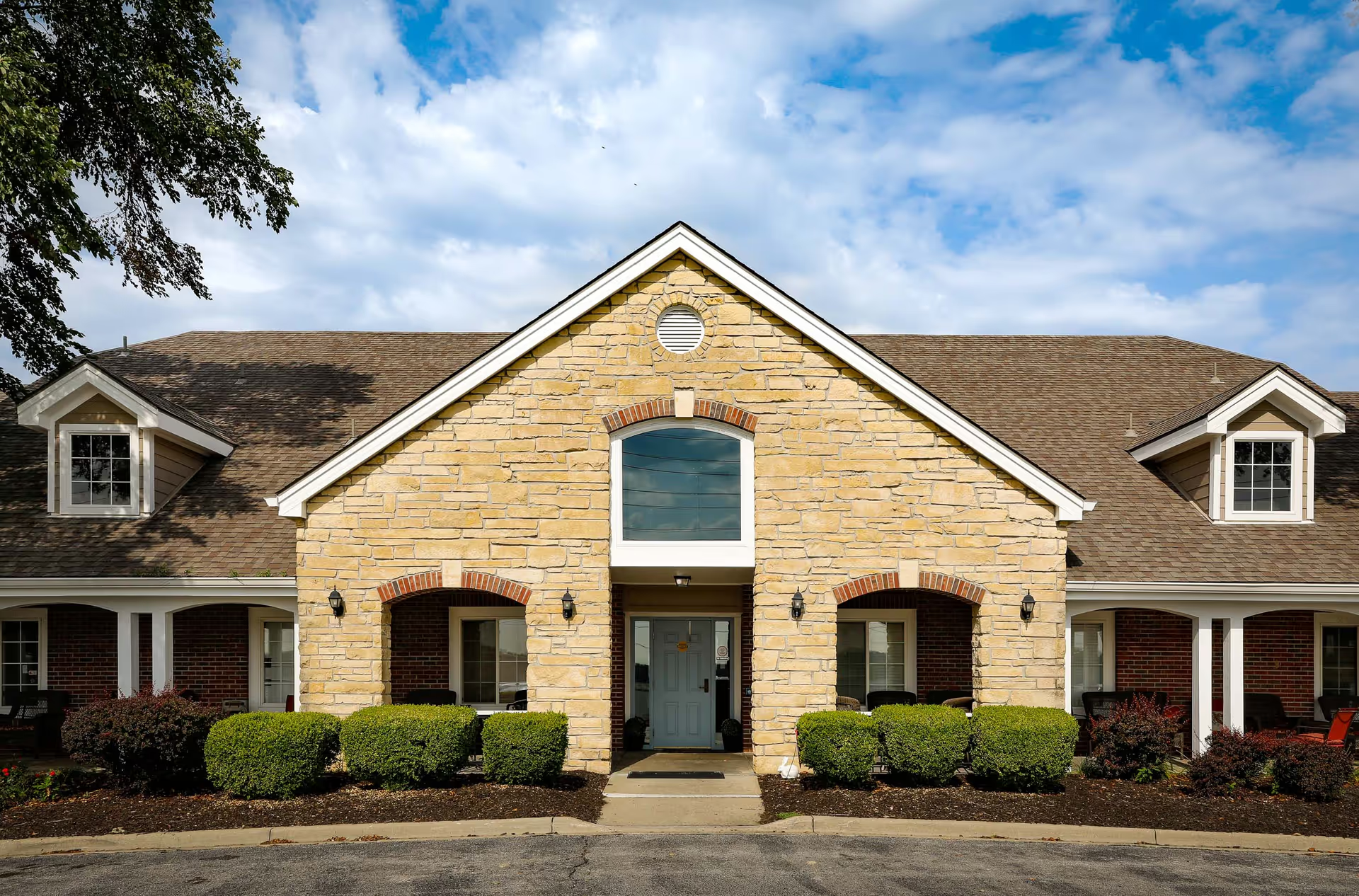
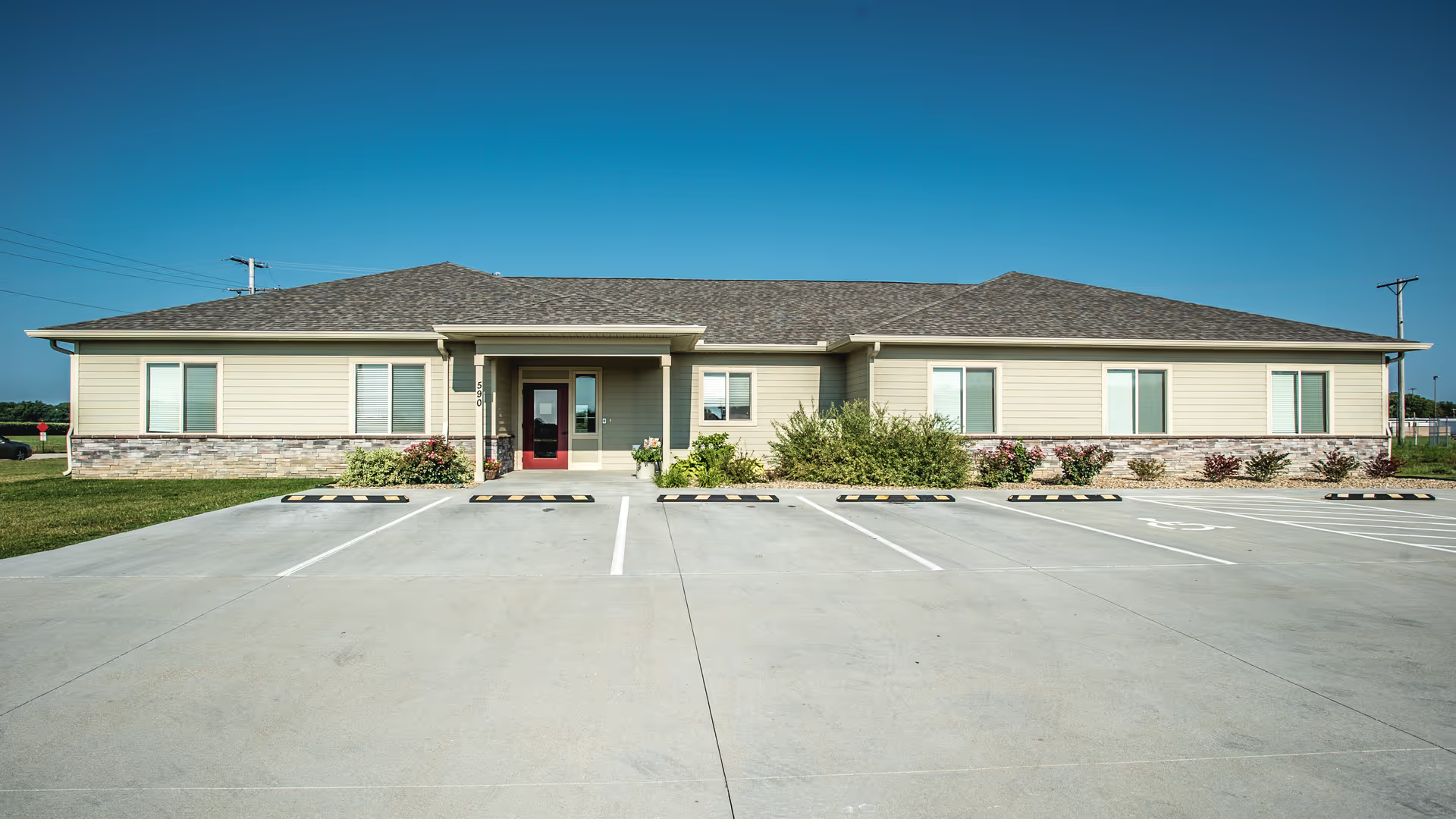
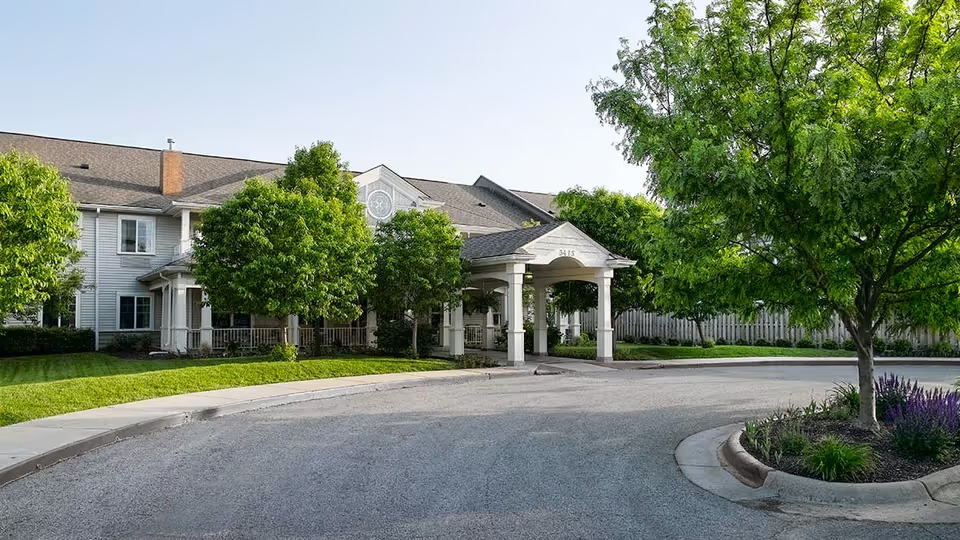
Facilities and environment: Descriptions of the physical environment are a mix of positive and pragmatic observations. Many reviews describe clean, odor-free resident rooms, well-kept common areas, and recent aesthetic improvements (for example, marble-top dining tables and other visible upgrades). The facility’s small-town location and a pet-friendly presence (a black lab referenced) are noted as conveniences for families and contributors to a homey feel. At the same time, reviewers indicate the building is older and undergoing renovations. That age, combined with occasional variability in cleanliness standards across different areas, is the primary operational shortcoming mentioned.
Notable patterns: The dominant theme across summaries is strength in staff-resident relationships and family communication; these consistently shape positive caregiver experiences. The most salient operational concerns are facility age and nonuniform cleanliness/sanitation standards, which appear to be actively addressed through renovations but are worth confirming during a tour. Prospective families should weigh the strong interpersonal care and activity offerings against the building’s age and ask about the renovation timeline, housekeeping protocols, and unit-specific cleanliness checks during a visit.