Overall impression: Villages at Vintage Oaks is described primarily as a clean, well-maintained senior living community with a strong front-line caregiving culture. Many families emphasize compassionate, attentive staff who build personal relationships with residents; long-tenured employees and frequent caregiver check-ins recur as consistent strengths. Licensed nursing availability, medication assistance with RN oversight, and on-site therapy services (OT/PT) contribute to a clinical profile that families find reassuring, particularly in memory-care contexts.
Care and staff: Care quality is the most consistent positive theme. Reviewers highlight individualized attention in daily living support, memory-care programming, assistance with toileting/bathing as needed, and efforts to involve residents in social activities. Housekeeping and laundry services are commonly included and are viewed favorably. That said, reviewers also describe variability in staff performance by unit or shift—examples include perceptions of less-attentive staff in certain buildings and turnover-related gaps—so prospective families should assess staffing stability during a tour.
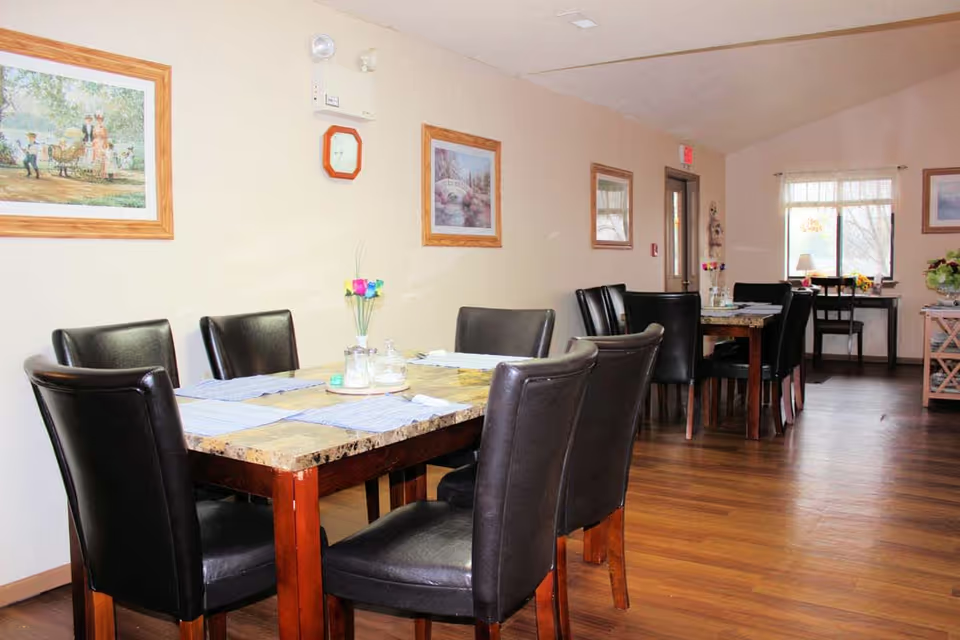
Dining and activities: Dining is generally viewed as a strength: three hot meals daily, dietitian-involved menu planning, in-room dining options, and alternative meal choices are noted. Several reviewers praised specific meals and portioning, though there is also a recurring note of inconsistent food quality and menu disruptions (attributed in some instances to pandemic-related sourcing or kitchen turnover). The activity program is broad—bingo, field trips, fitness classes, holiday events, salon services, and group outings are frequently mentioned—and many residents are described as socially engaged. A smaller subset of reviewers wanted greater variety or more frequent programming tailored to varying ability levels.
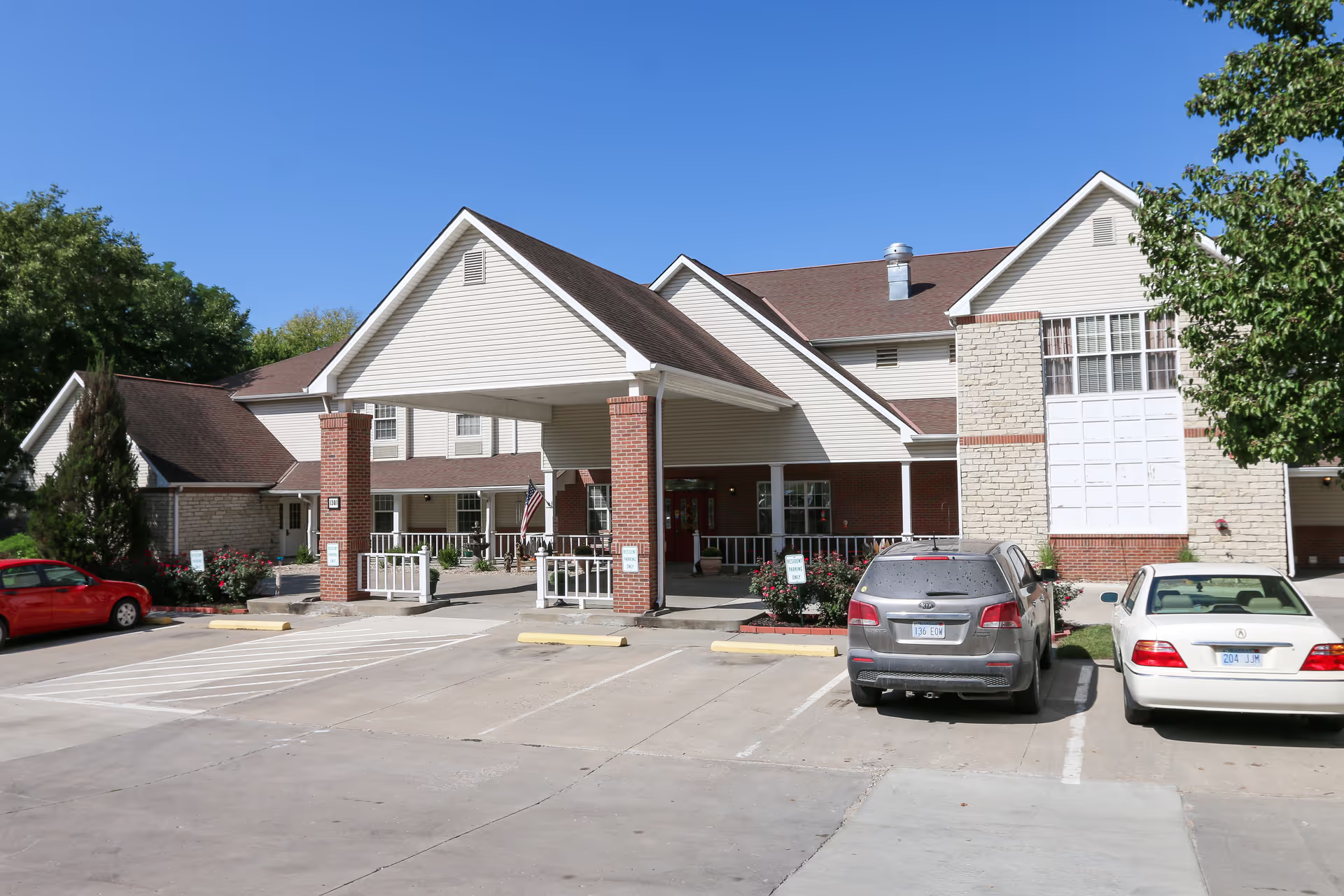
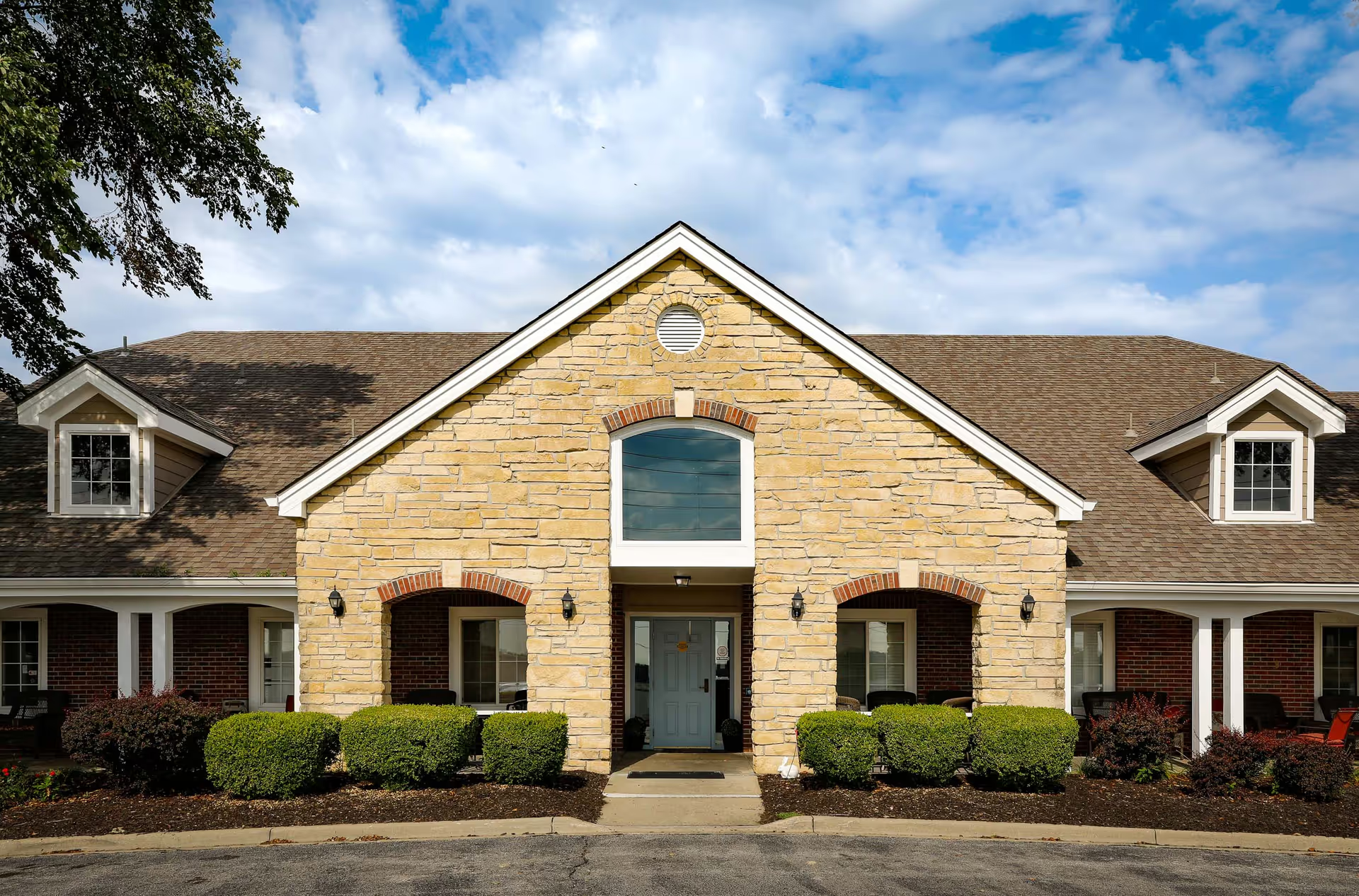
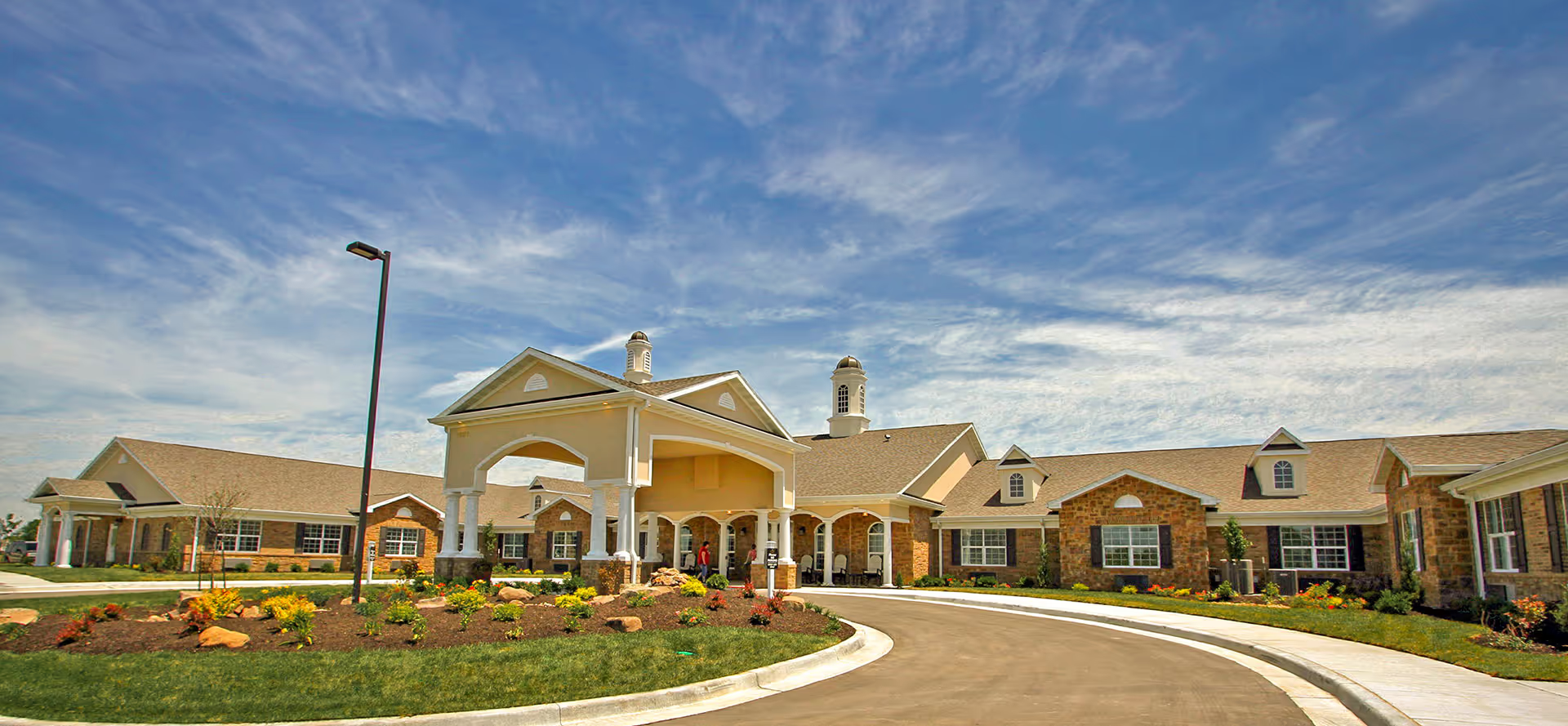
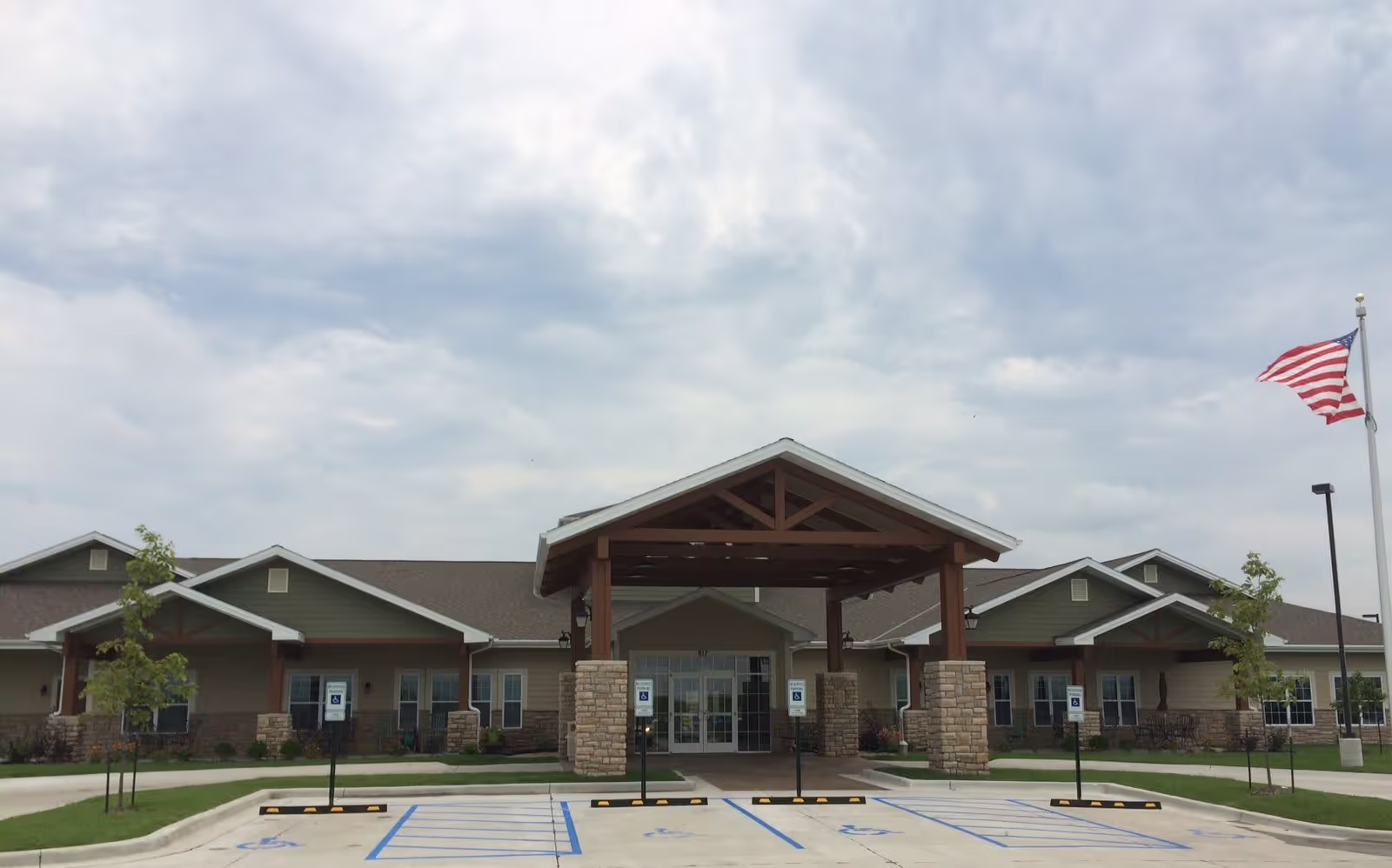
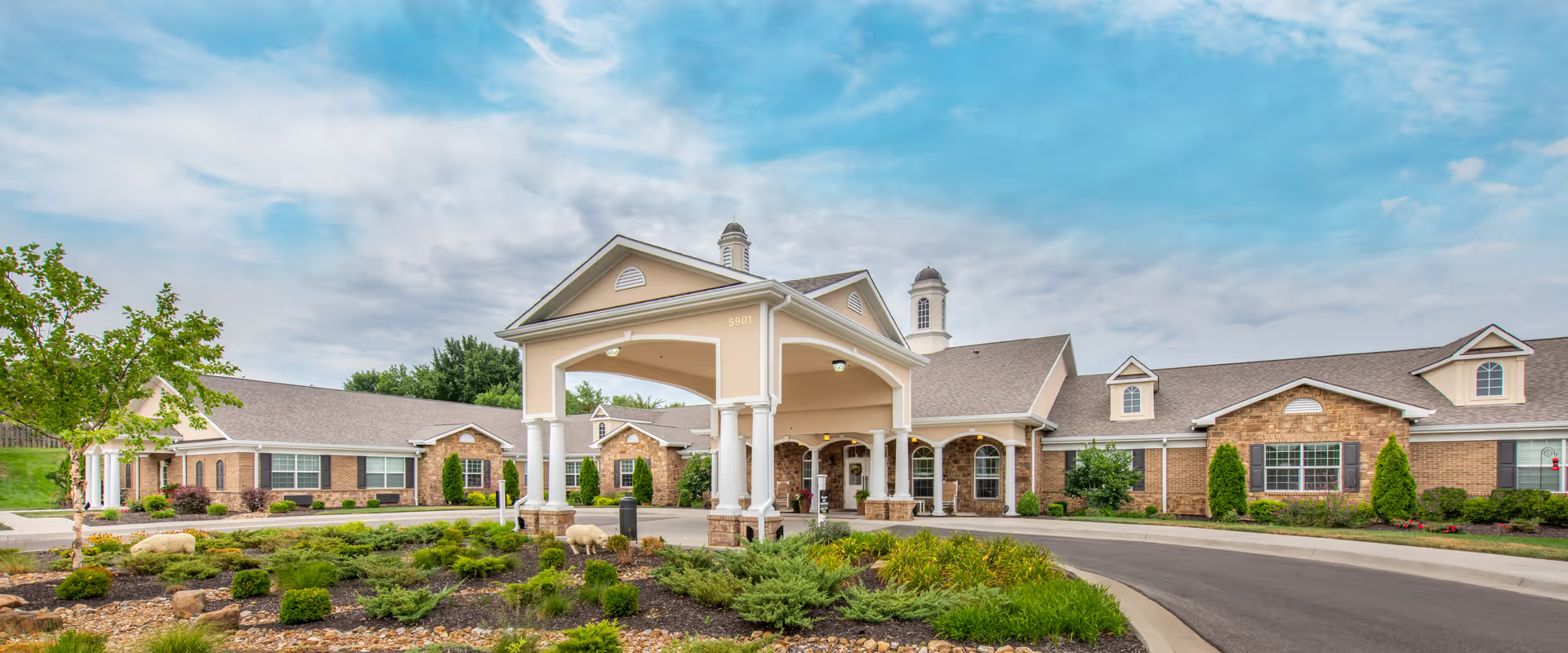
Facilities and safety: The physical plant receives positive comments for cleanliness, attractive common spaces (clubhouse, courtyard, dining room), and well-appointed apartments featuring walk-in closets, zero-entry showers, and kitchenettes. Safety measures such as call buttons and in-room intercoms are noted as reassuring. The community’s small, home-like scale and villa options with garages appeal to families seeking a less institutional environment. Some prospective residents found certain studio layouts cramped, and availability of larger units can be limited at times.
Management and operational patterns: Administrative themes are mixed. Front-line staff and building-level managers (including activity and housekeeping leadership) are often praised for responsiveness and going beyond expectations. In contrast, several families raised operational concerns around billing and financial administration: delayed refunds, duplicate or overcharges, and difficulties obtaining documentation or timely responses from corporate billing channels. There are also isolated but serious claims framed as allegations of financial misconduct; these are significant outliers that merit direct inquiry during prescreening and contract review. Communication challenges surfaced in other areas as well—difficulties with phone systems, slow corporate responsiveness, and occasional perceived rudeness from intake or administrative staff.
Notable patterns and advice: The dominant pattern is strong, resident-focused caregiving and an environment that many families describe as comforting and home-like. Operational weaknesses tend to cluster around administrative/financial processes and episodic staffing turnover, particularly in dining services. Prospective residents and families would benefit from: (1) asking specific questions about billing, refund timelines, and dispute resolution; (2) touring the particular building and units they will occupy to compare staff interactions and unit layouts; (3) inquiring about recent staff turnover and kitchen staffing stability; and (4) sampling meals and reviewing the activity calendar for alignment with the resident’s interests. Overall, the facility presents as a high-touch care environment with strong day-to-day caregiving, tempered by administrative areas that require scrutiny during decision-making.