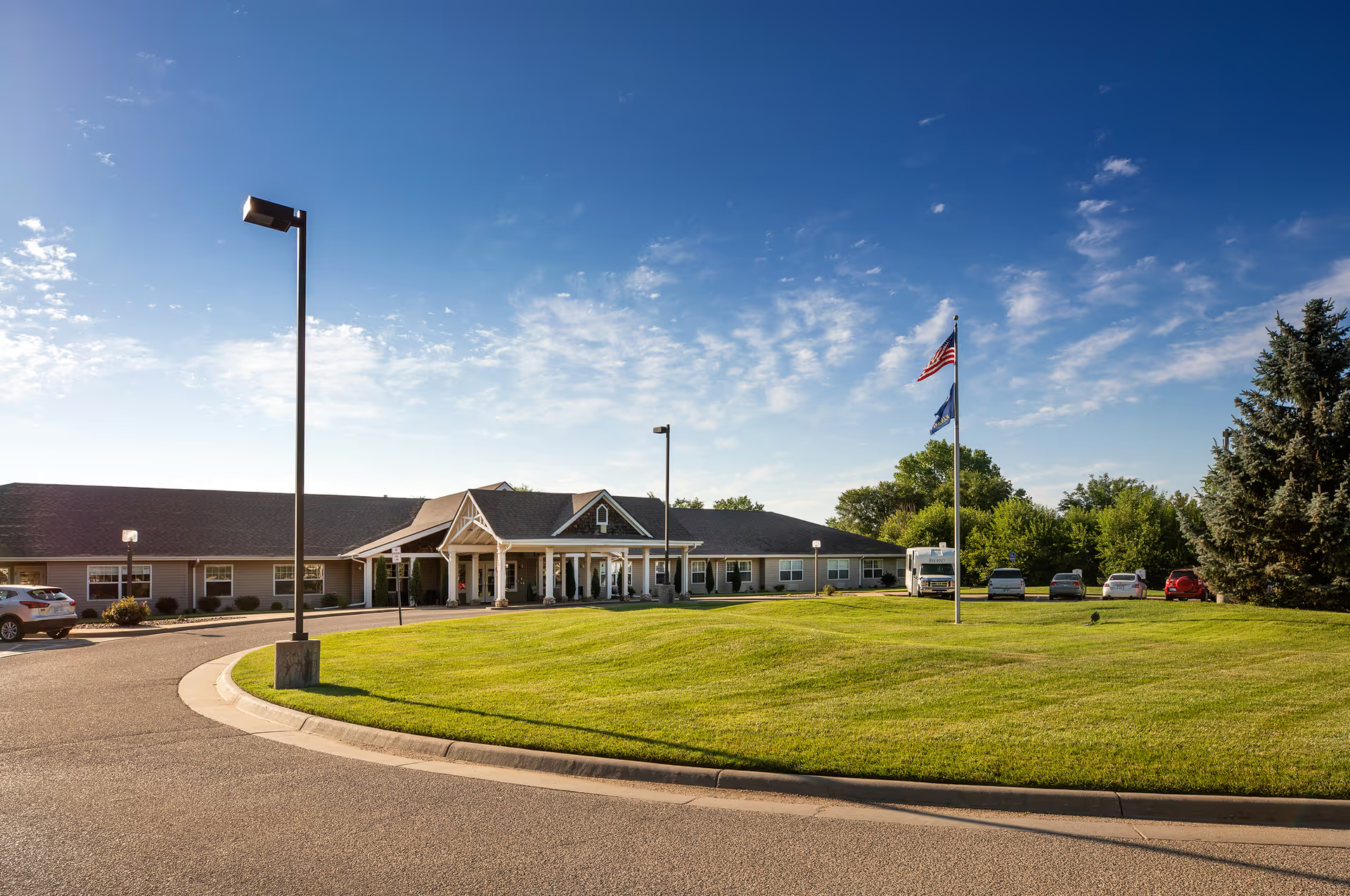
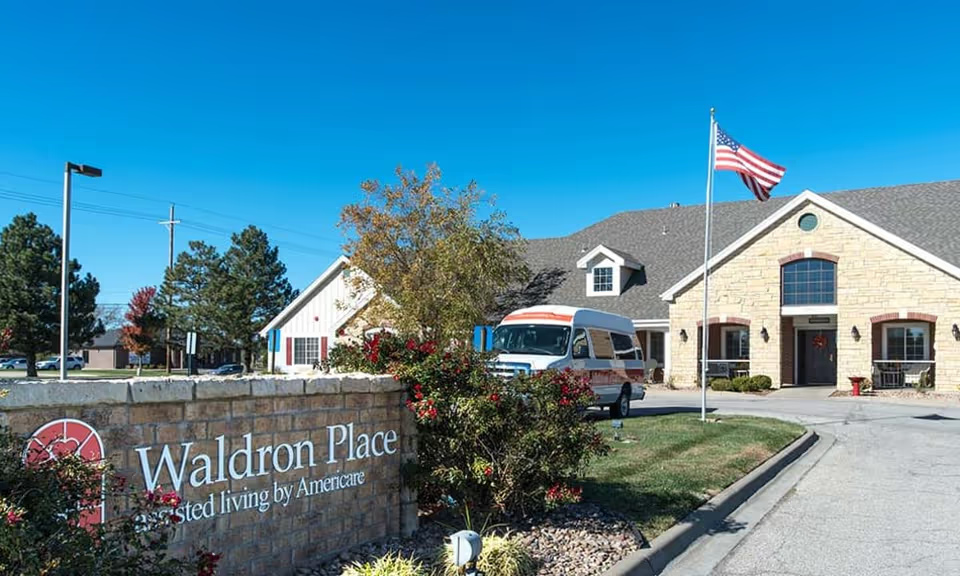
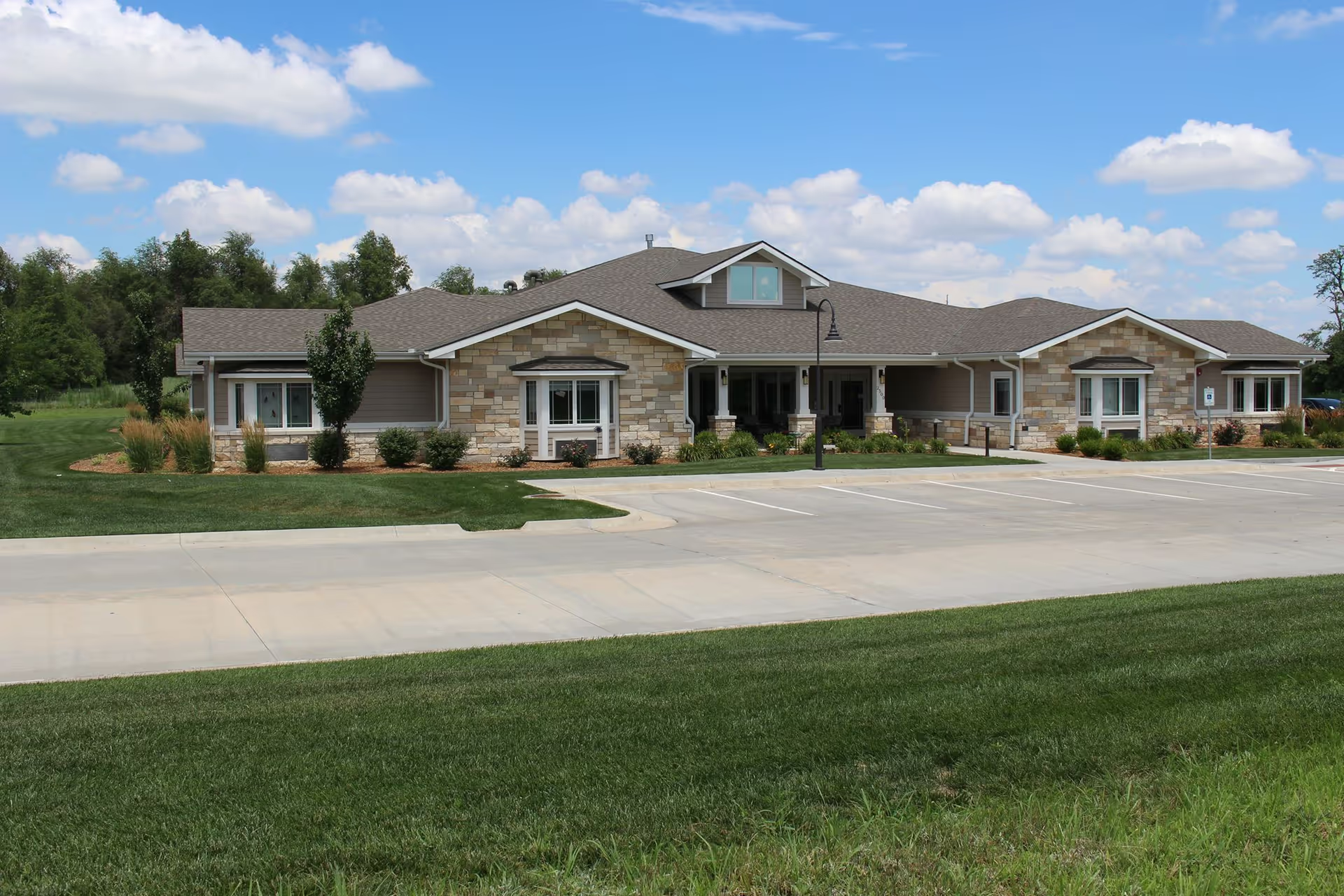
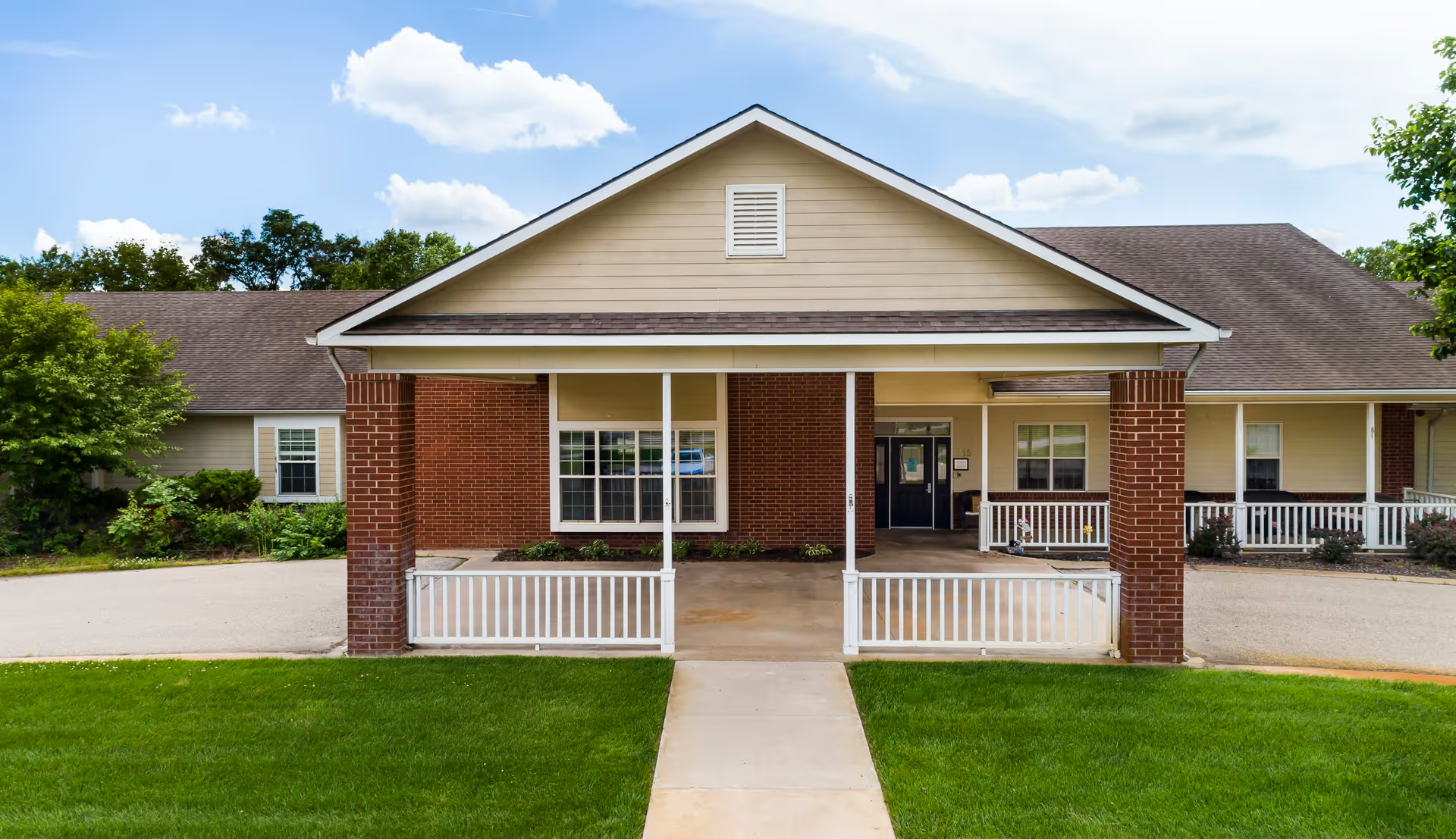
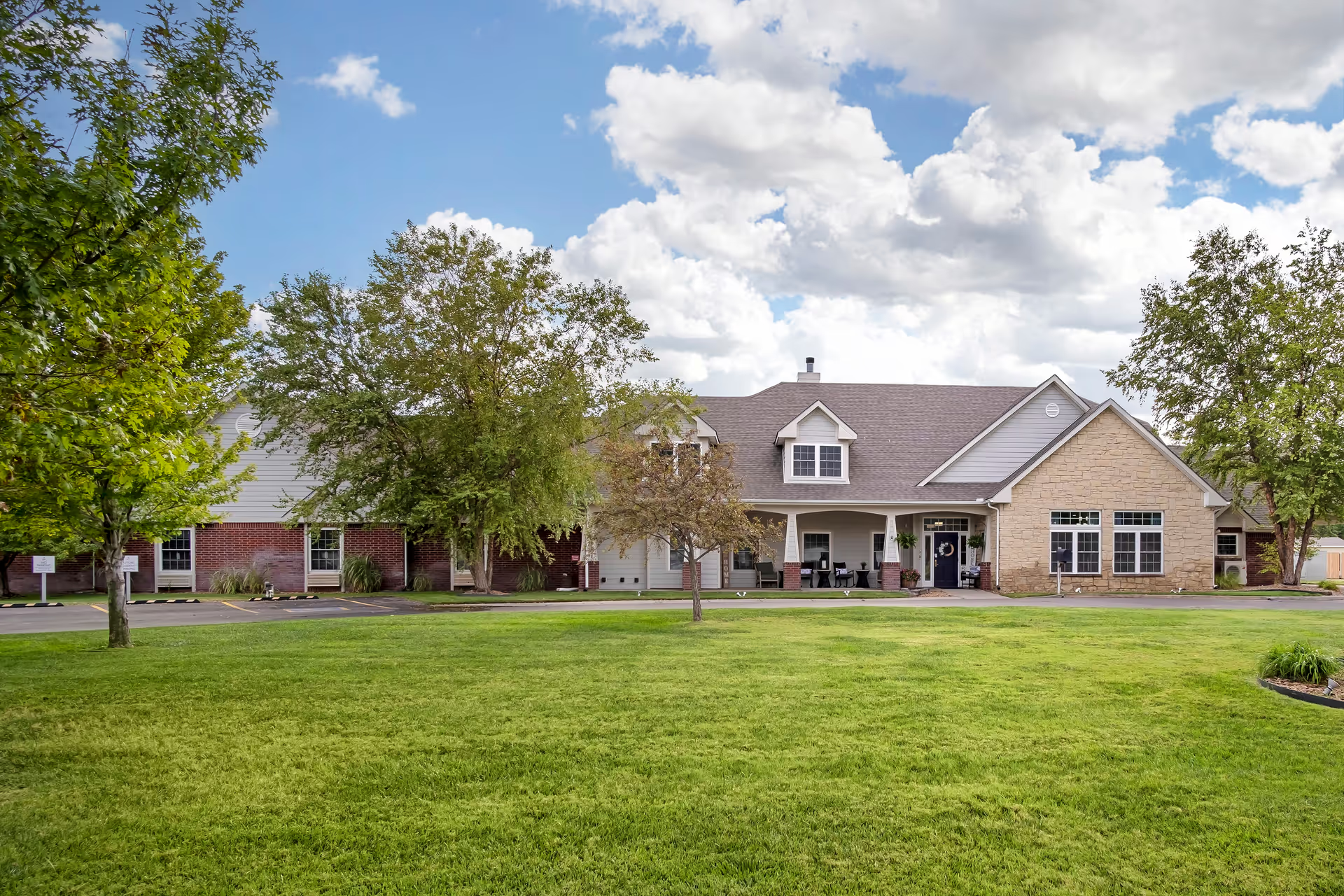
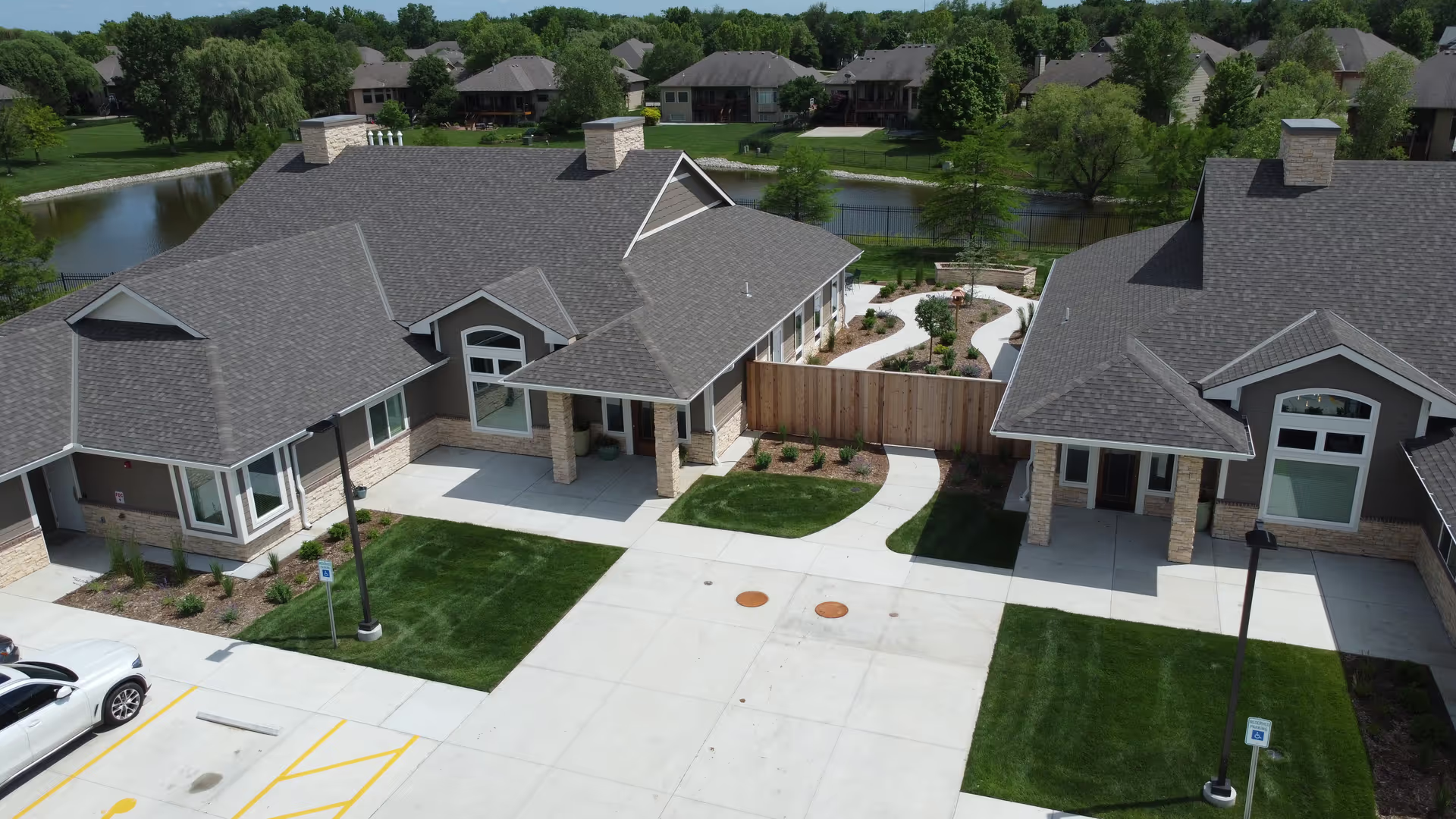
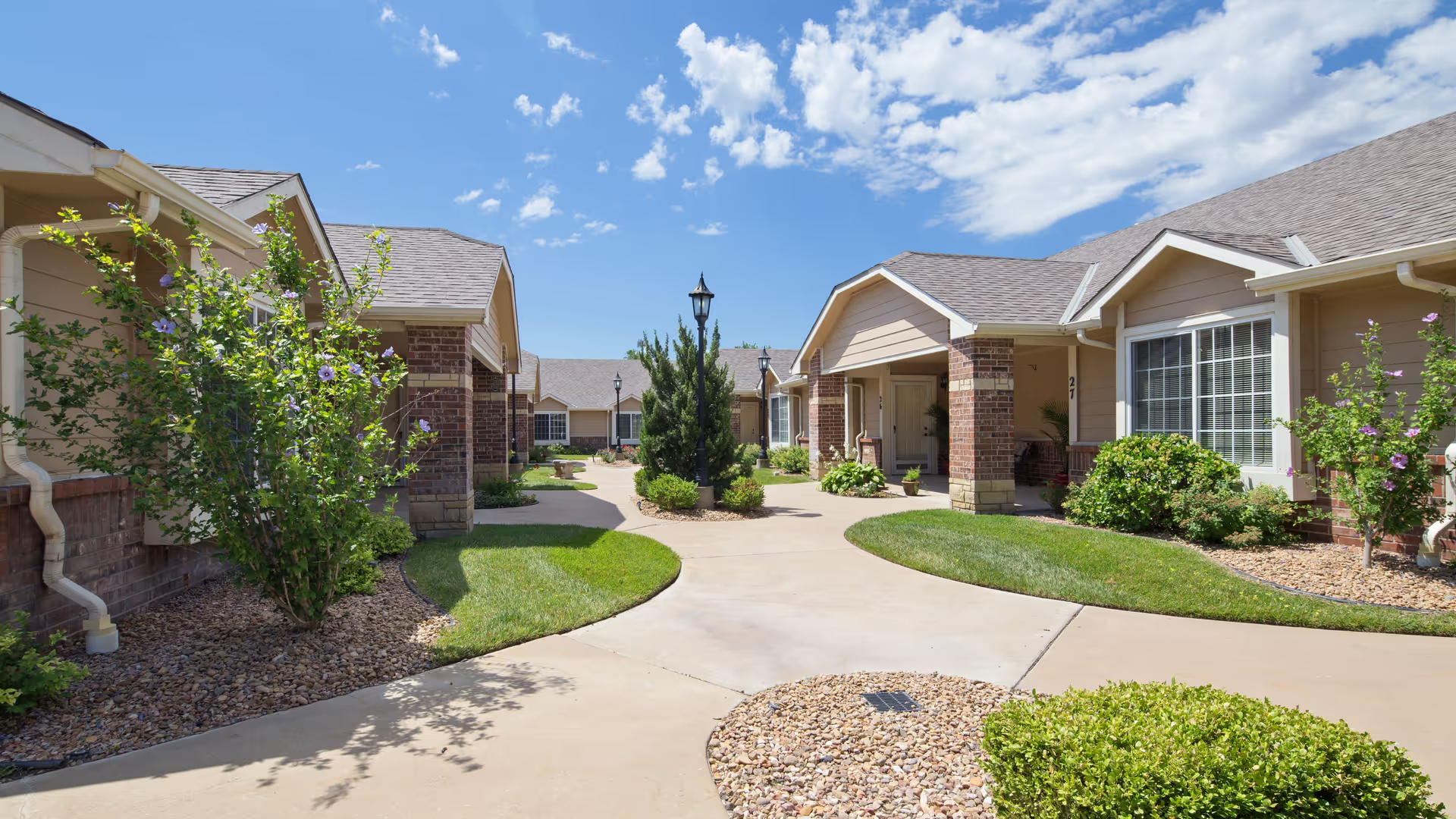
Overall impression: Reviews describe a facility with many physical and lifestyle strengths but also notable operational and clinical concerns. The campus, apartments and common areas receive consistent praise for maintenance, cleanliness and natural light; independent-living residents often emphasize affordability, included utilities, garages, and a close-knit atmosphere. Dining spaces are large and well-lit, with daily lunch service and generally favorable comments about food quality. The community offers a range of activities — faith services, exercise classes, and outings — plus transportation for shopping, which supports independent living and social engagement.
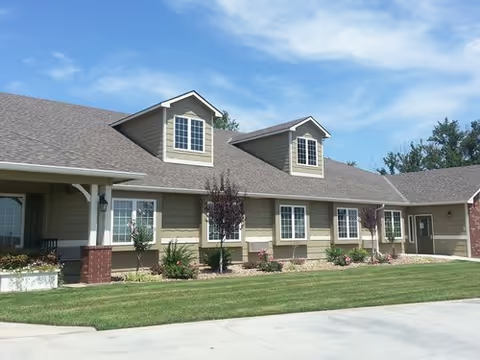
Facilities and amenities: The site is described as attractive and well-kept, with landscaped grounds, sidewalks, and roomy one-bedroom units. Large windows and open dining rooms are recurring positives. Apartment-level conveniences such as garages and functional kitchen areas are highlighted. A few reviewers noted missing in-room items or amenity inconsistencies; prospective residents should confirm which in-unit communications and fixtures are standard.
Care and staffing: Reviewer sentiment about staff and caregiving is mixed. Many accounts praise caring, efficient, and personable team members and highlight positive relationships between staff and families. Conversely, a pattern of understaffing and staff shortages is reflected in several critiques; these reports connect to delayed responses, limited availability of personnel, and variability in day-to-day resident support. Prospective families should evaluate current staffing levels and shift coverage during tours.
Clinical quality and medication: Some reviews raise serious clinical concerns, including wound-care and infection-control needs and instances where medication administration or timely clinical attention was inconsistent. These comments suggest variability in clinical oversight and follow-up. Because these issues have direct impact on higher-acuity residents, families seeking skilled nursing or post-operative care should request details about clinical protocols, wound-care procedures, medication-administration checks, and recent quality indicators.
Management and operations: Several reviewers described challenges with management responsiveness, staff training, and communication from leadership. There are mentions of inconsistent staff professionalism and gaps in training that affect resident interactions. Operational policies — including move-out rules and limits on resident-installed items — were also criticized as restrictive by some families; confirm policy details in writing if these areas matter to you.
What to watch for and recommended questions: The facility offers many appealing features for independent-living residents and families valuing an attractive campus and active programming. However, given the mixed reports about clinical care and staffing, prospective residents should ask about current staffing ratios, turnover rates, clinical oversight for wound care and medications, emergency response times, and examples of staff training programs. Verify in-unit amenities and move-out/installation policies in advance. A site visit, conversations with nursing leadership, and review of the facility’s recent inspection or quality reports will help clarify whether the operational issues noted in some reviews have been addressed.