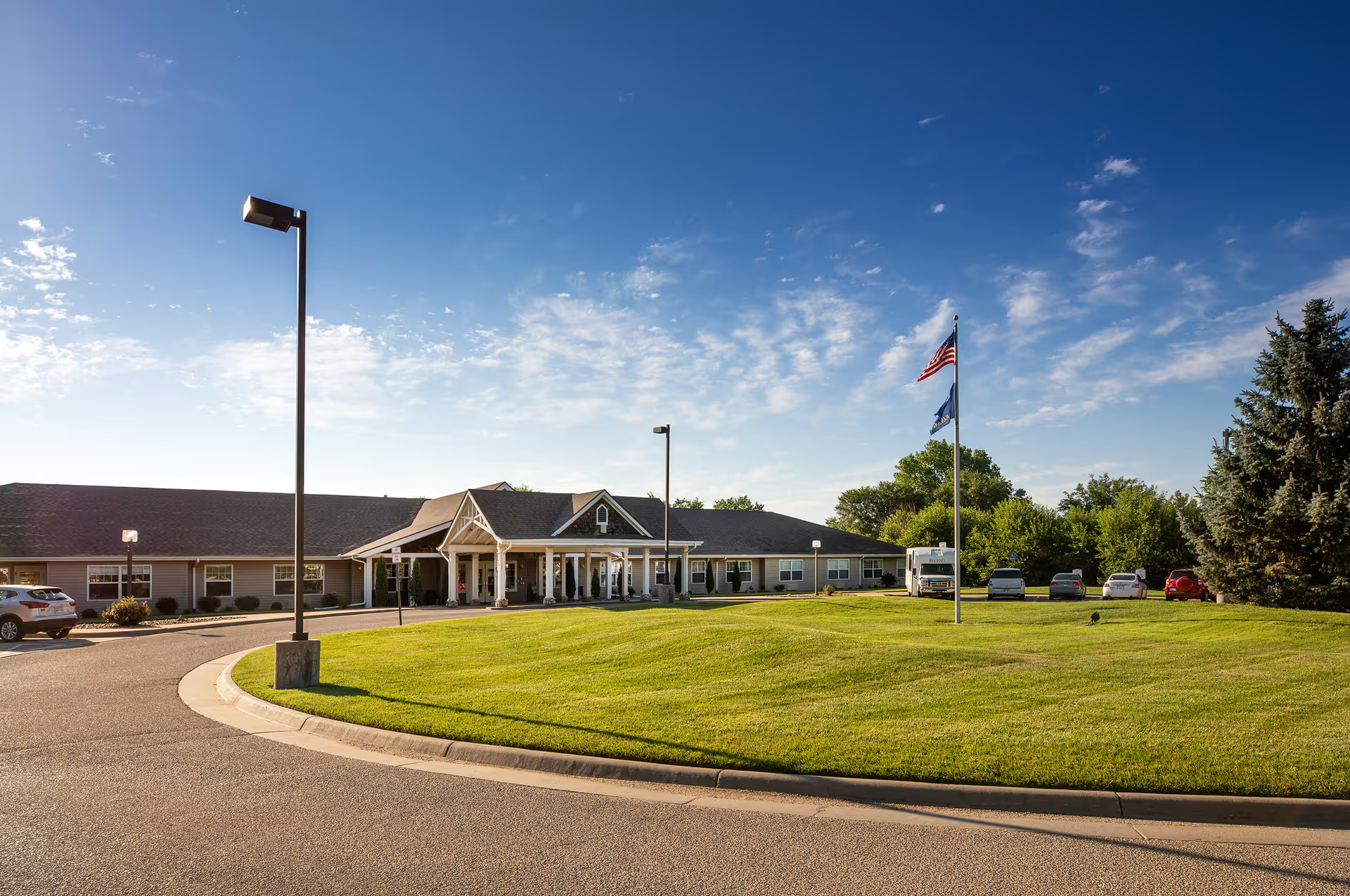
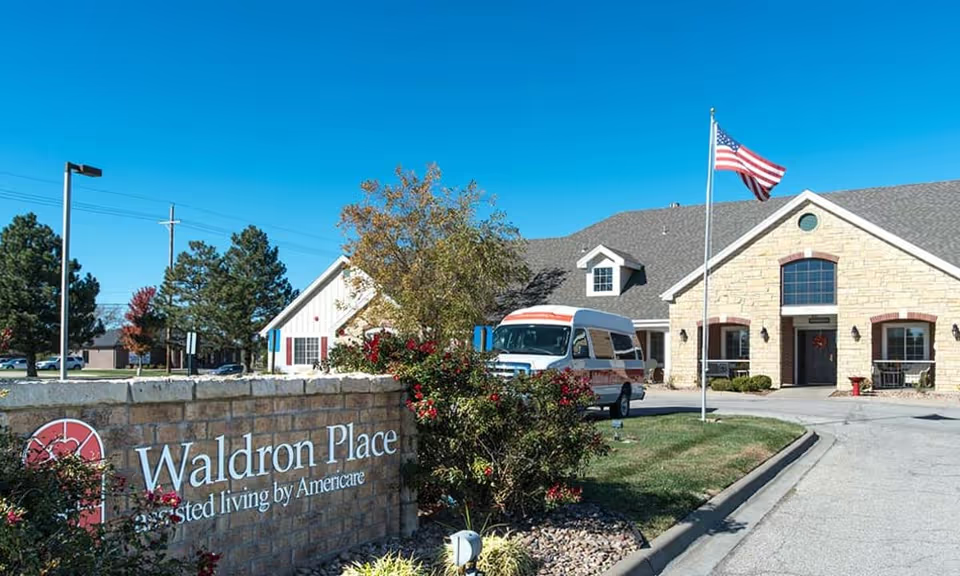
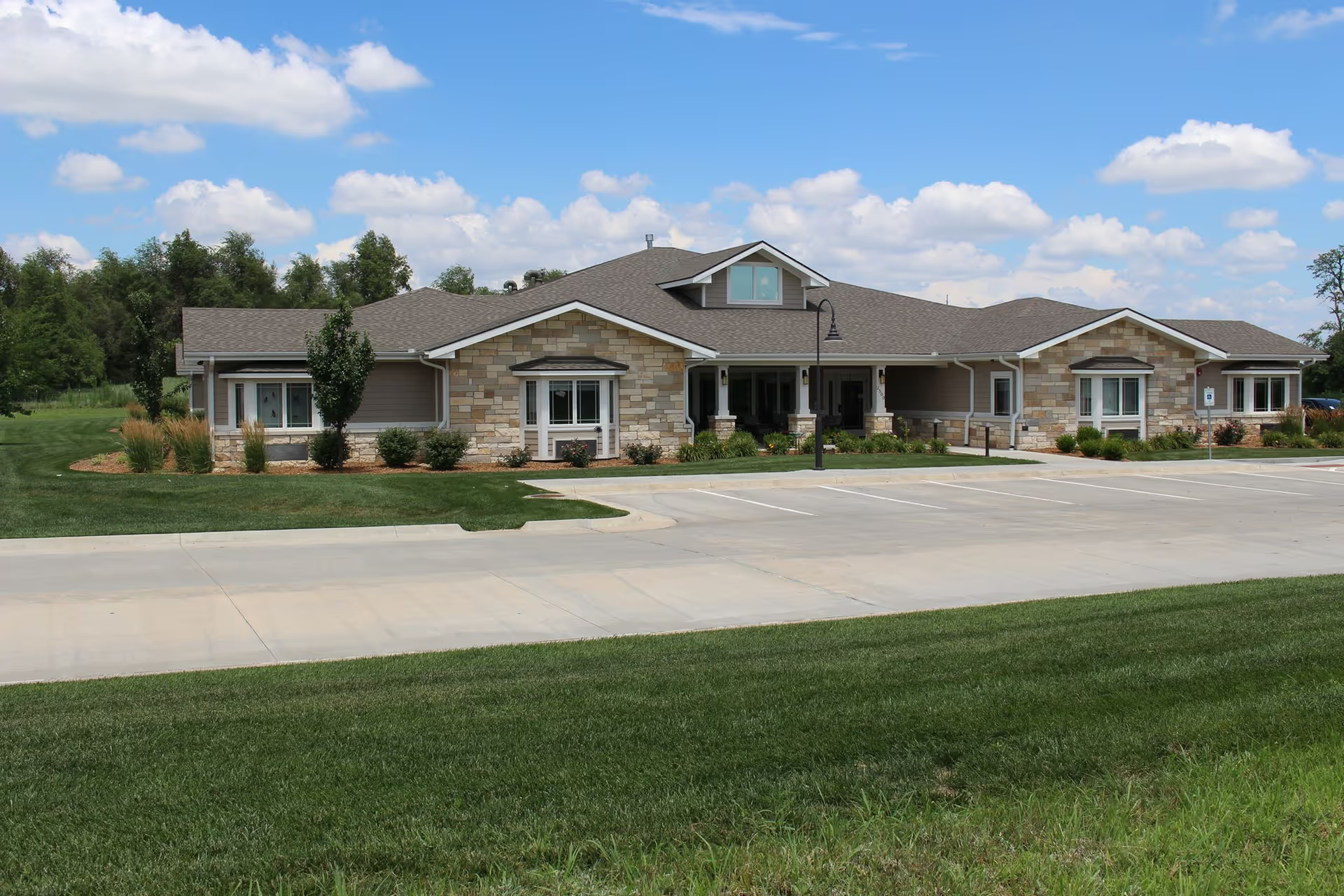
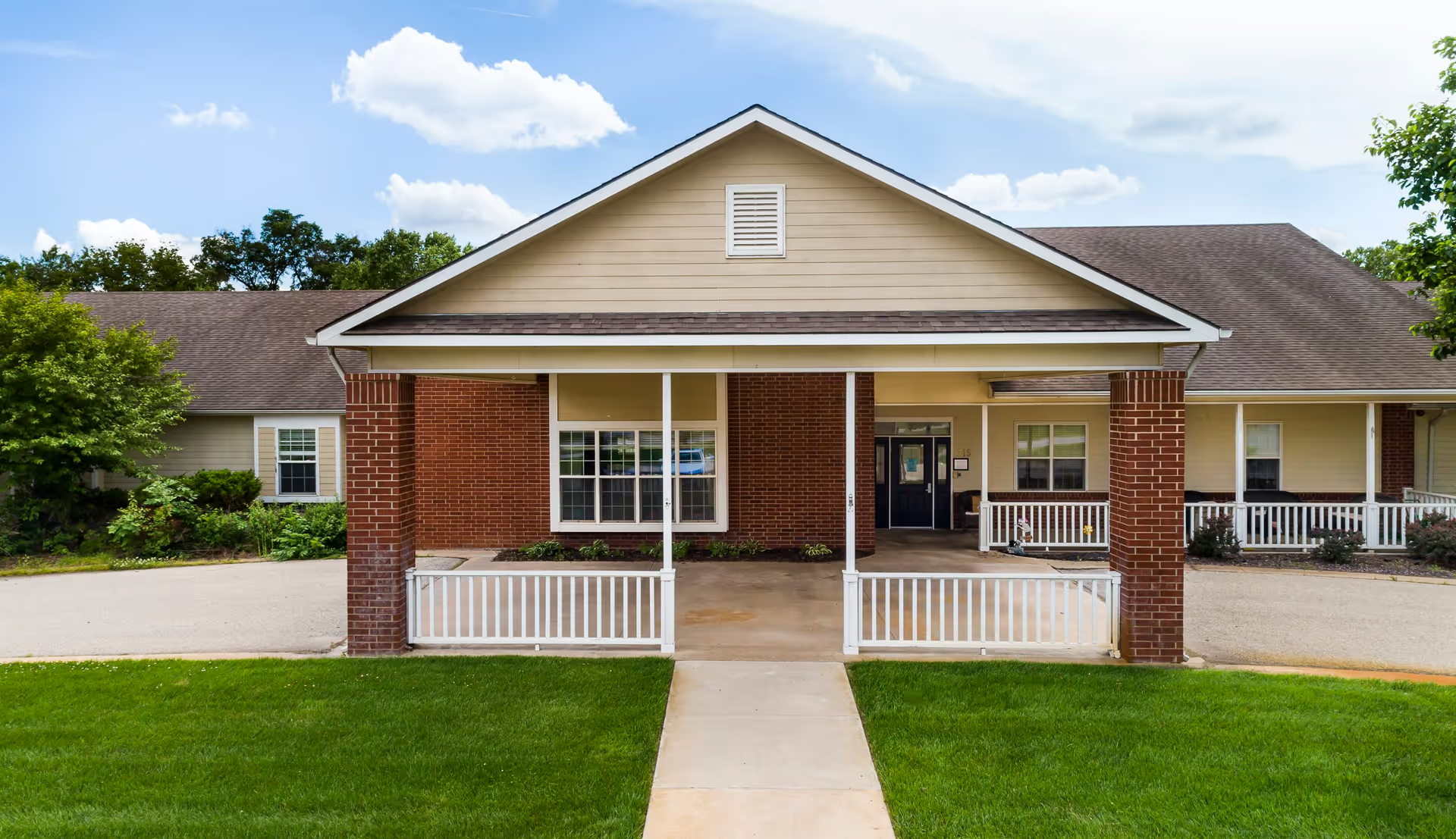
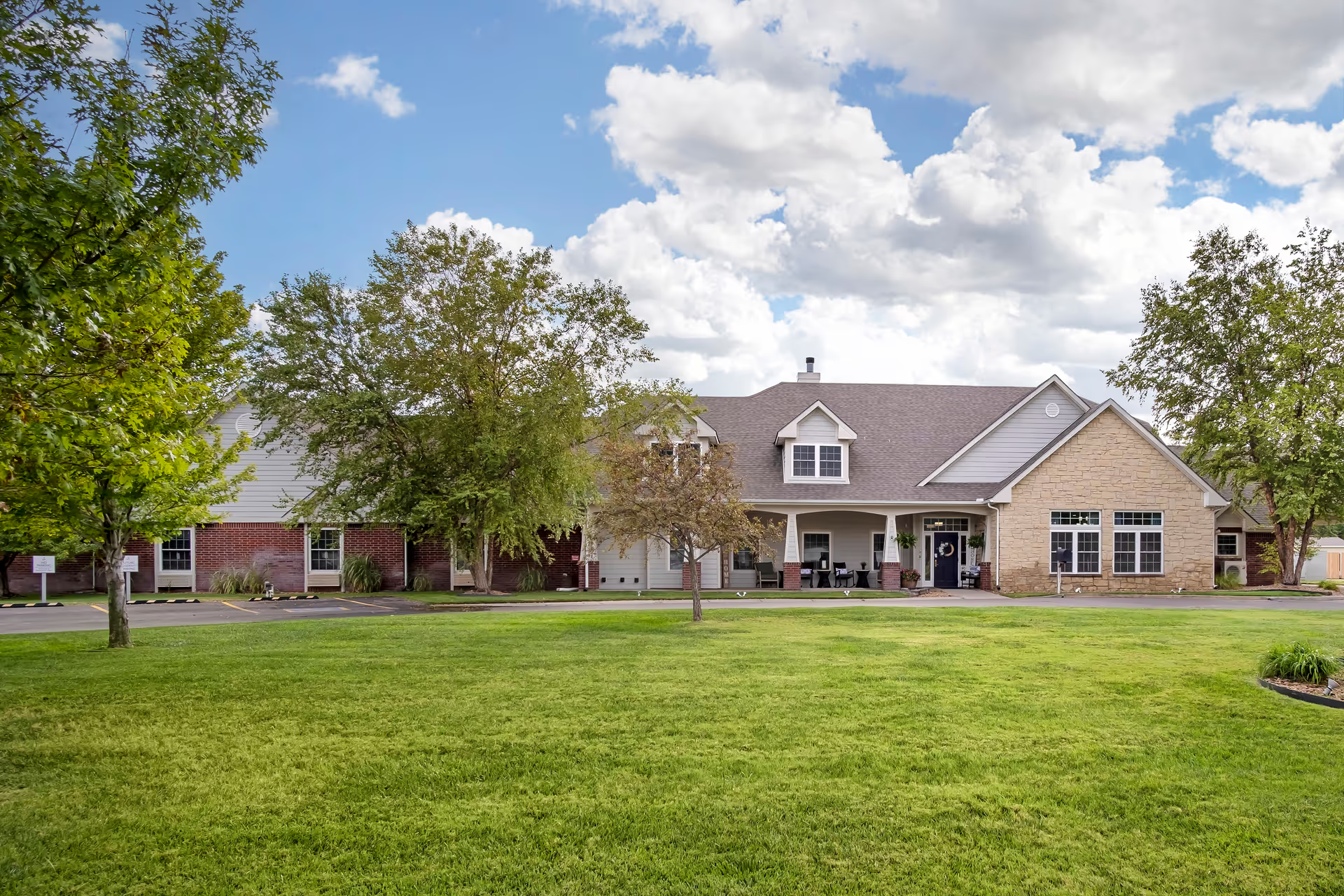
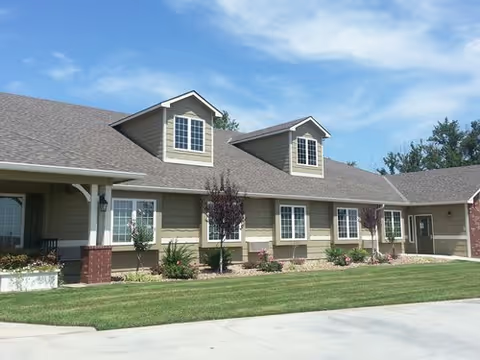
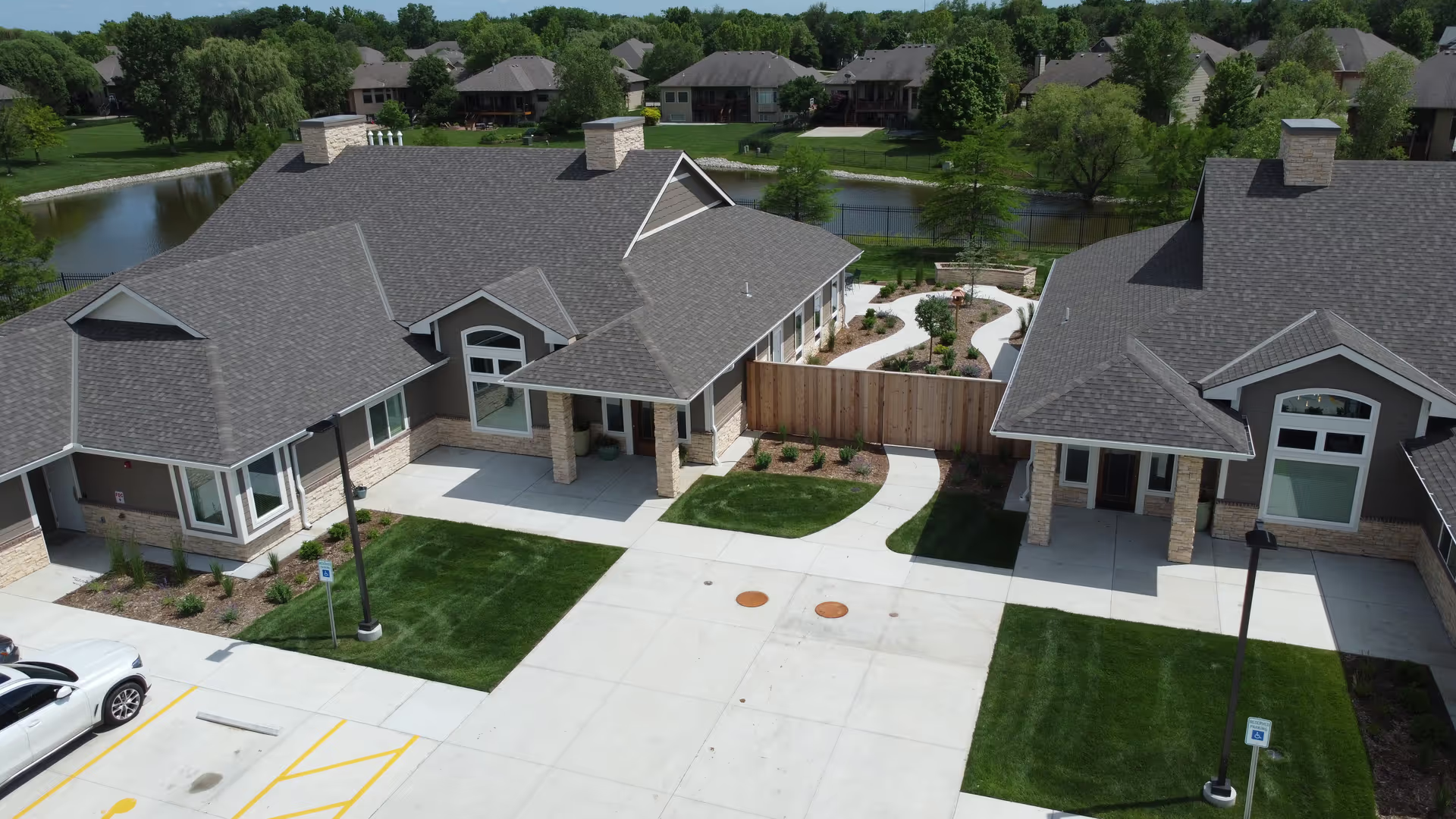
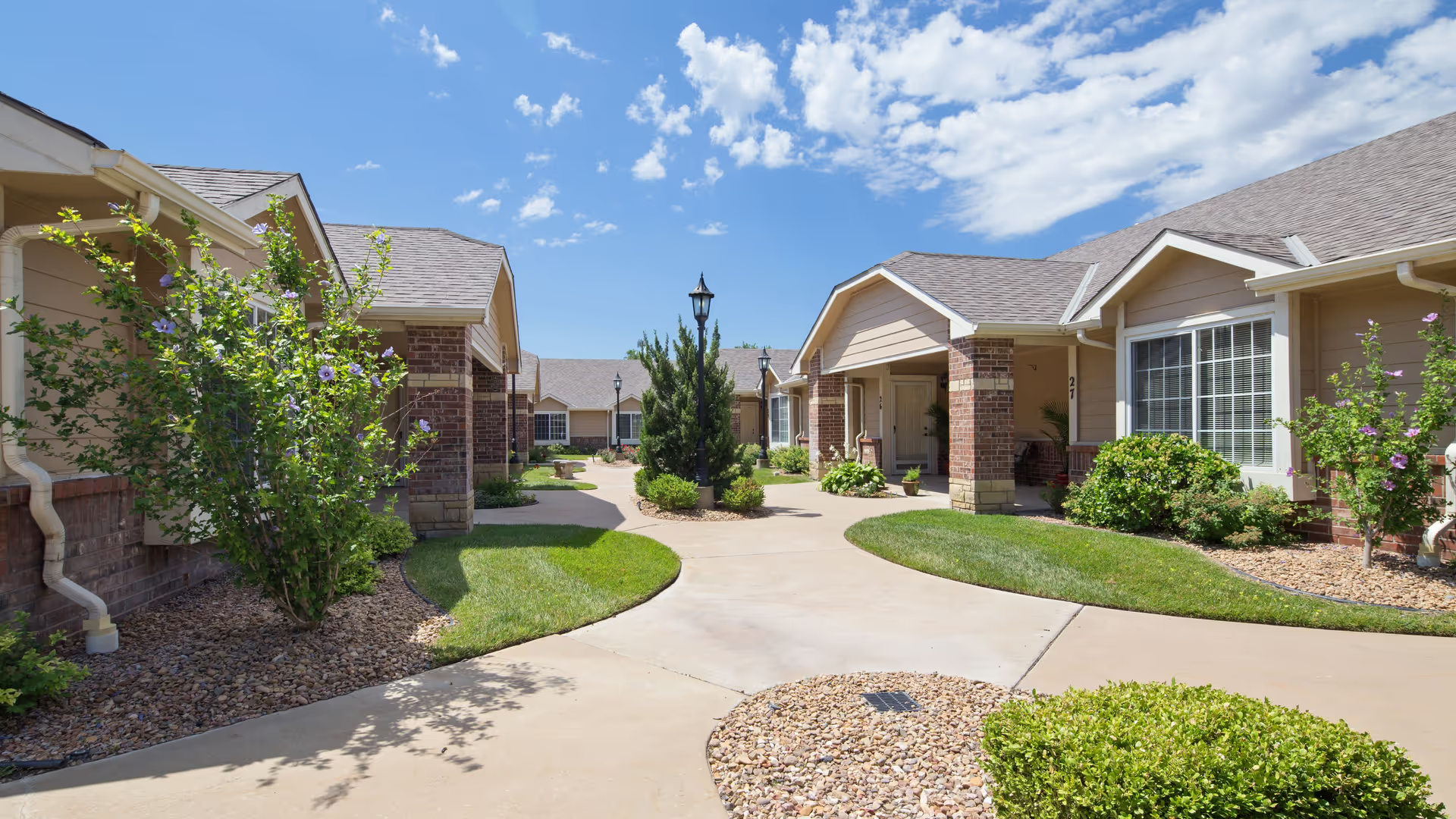
Overall impression: The Wesley is described as a large, well-appointed retirement community offering a full continuum of care from independent living through memory care and skilled nursing. Reviewers consistently highlight physical attributes such as clean common areas, spacious independent residences, and a variety of attractive program spaces. Many families and staff describe a warm, social resident community and frequent opportunities for engagement.
Care quality and clinical concerns: Many accounts praise attentive, compassionate caregiving and effective clinical services—particularly in therapy/rehabilitation and memory-care programming. At the same time, there are significant countervailing accounts describing lapses in clinical processes. Specific concerns include medication-management process gaps and situations where staff responsiveness was perceived as inadequate. These conflicting perspectives suggest generally strong clinical capability in some units or shifts, paired with inconsistent execution in others.
Staff and organizational culture: Staff are frequently called out as a major strength—kind, engaged, and proactive caregivers who build relationships with residents. Several frontline employees and managers are named positively for their responsiveness and helpfulness. However, persistent concerns about staff morale, workload, and management treatment of employees appear across reviews. That pattern is associated with perceptions of inconsistent conduct among staff, variability in service levels, and occasional breakdowns in accountability.
Dining and daily services: Independent-dining experiences are often described as high quality, with an elevated dining room atmosphere. Conversely, meal quality and presentation in skilled nursing areas are described as less consistent, with some families characterizing it as lower quality or overly processed. Operational strengths cited include prompt laundry service, attentive housekeeping, and generally clean dining and living spaces. Portion size and meal customization are noted as areas where expectations differ among residents.
Activities, therapies, and community life: The Wesley offers a broad activities program—bingo, games, craft fairs, theater and choir groups, visiting entertainment, and regular outings via a community bus. A dedicated activity center and an organized weekly activity sheet are highlighted as positive contributors to resident engagement. Therapy and rehabilitation services are present and frequently mentioned as helpful during transitions or recovery periods.
Facilities, safety, and transitions: Physical facilities receive high marks for maintenance, room sizes, and the quality of independent homes. Nonetheless, reviewers indicate variability in experience between levels of care and across units. Safety- and security-related conduct concerns are reported in a small number of accounts; there are also remarks about problematic interactions involving certain staff or security personnel. Families also describe mixed experiences with transitions between assisted and skilled levels, including concerns about communication and consistency during those transfers.
Management and notable patterns: The overall pattern is one of strong programming and many committed staff members, paired with operational inconsistencies that tend to cluster around particular units, shifts, or managerial practices. Positive mentions of specific managers and tour staff coexist with critiques of leadership accountability and workplace culture. Serious individual claims—such as allegations about medication errors or unprofessional conduct—appear in isolated but consequential accounts and underscore the importance of asking about medication protocols, staffing patterns, and grievance/incident processes during a tour.
For prospective residents and families: The Wesley demonstrates many institutional strengths—comprehensive care levels, a rich activity schedule, well-kept facilities, and many staff who are described as caring and engaged. At the same time, variability in service delivery, medication processes, and staff conduct are recurring themes. Prospective residents should verify current staffing levels, medication-safety procedures, how the facility manages transitions between care levels, meal options across units, and how leadership addresses staff concerns and family complaints to confirm that the experience matches expectations.