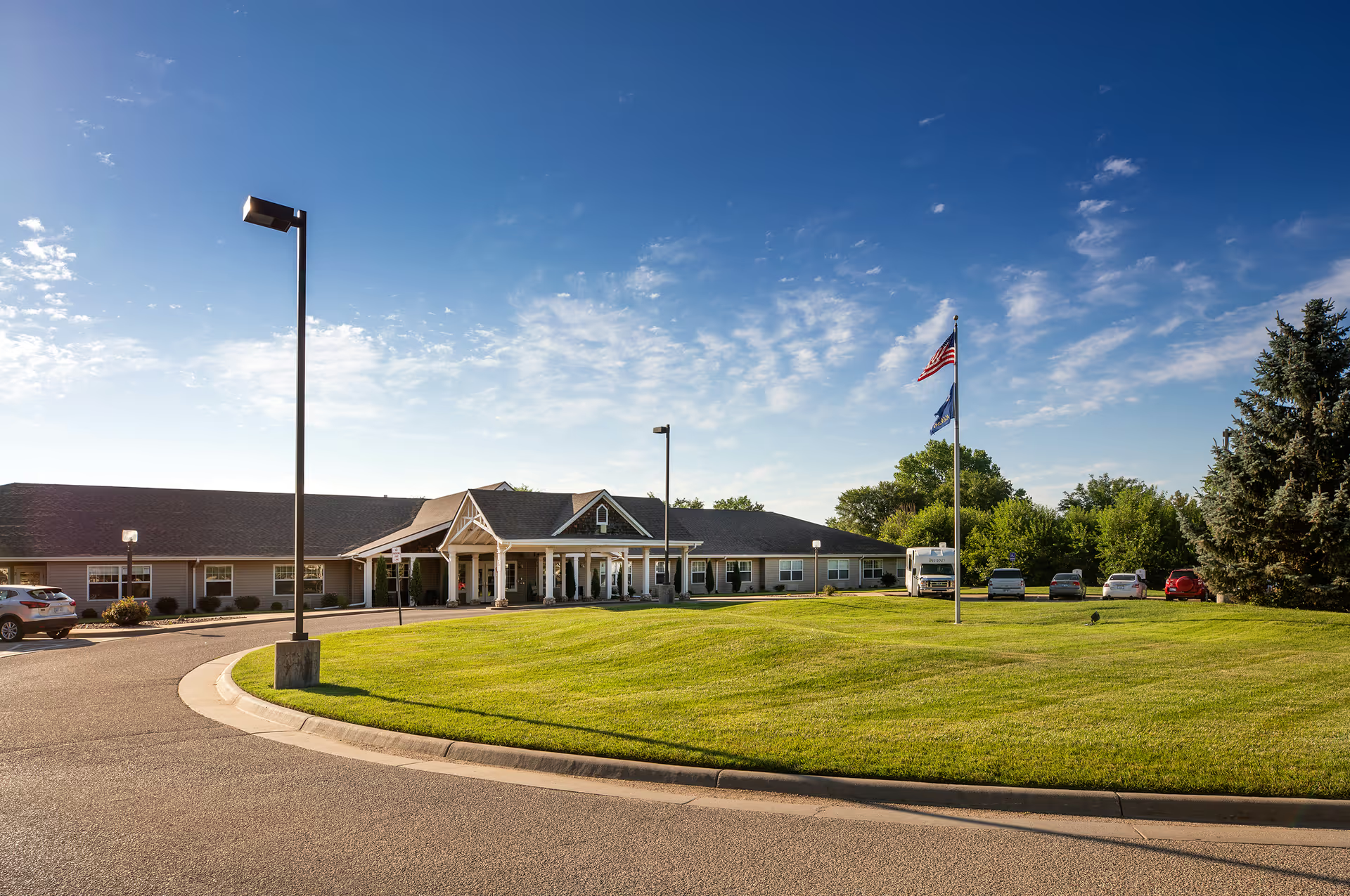
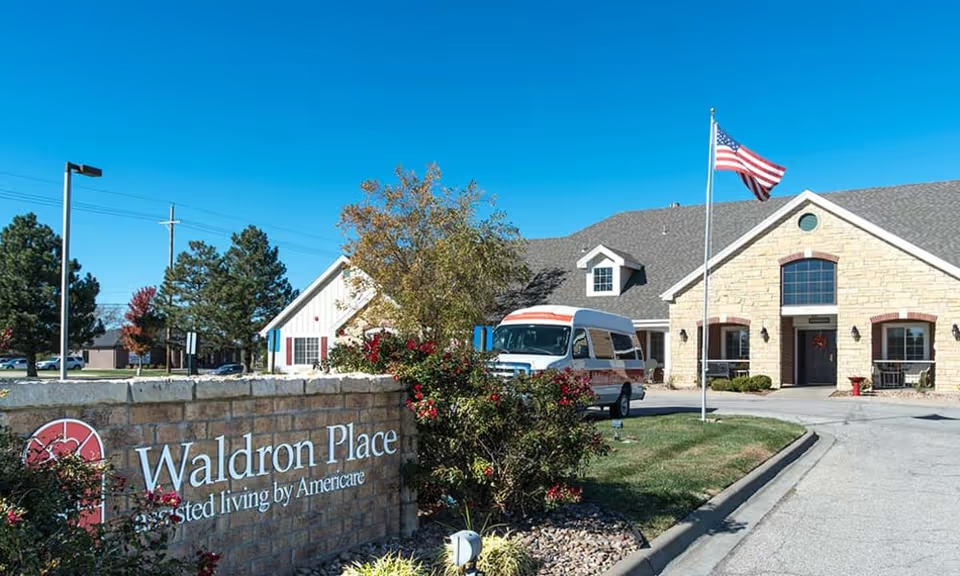
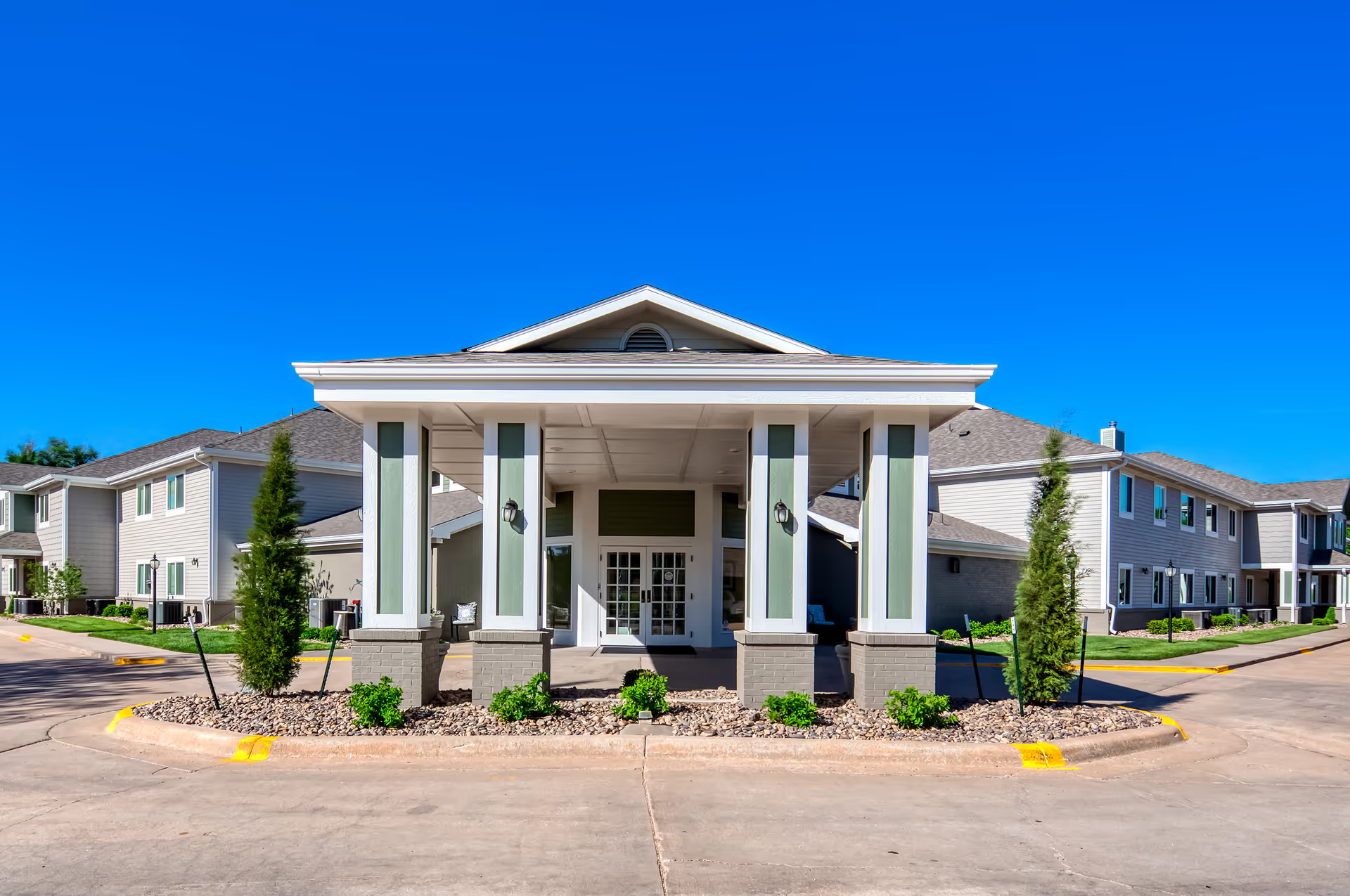
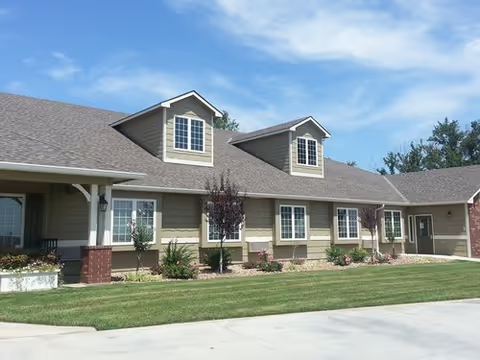
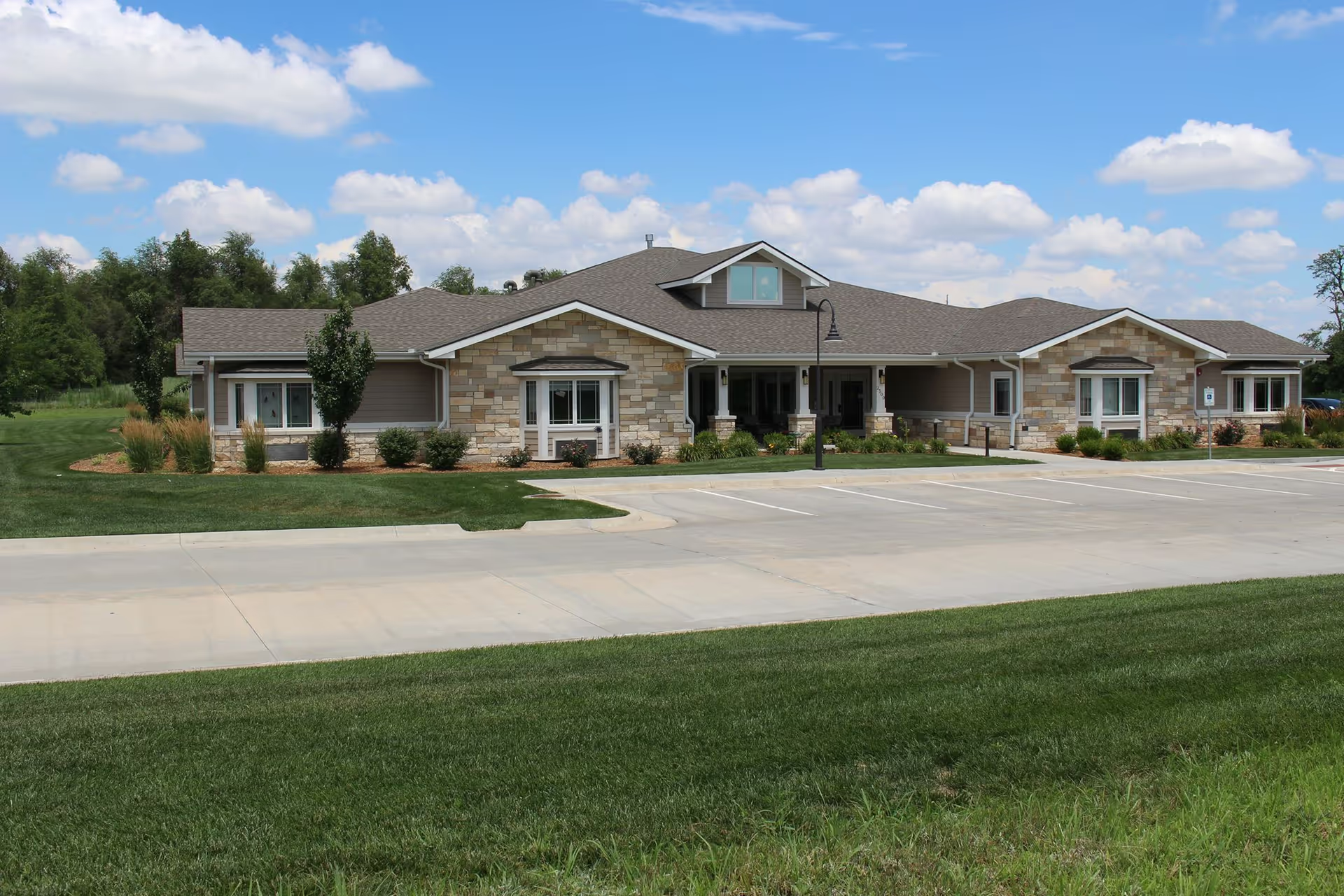
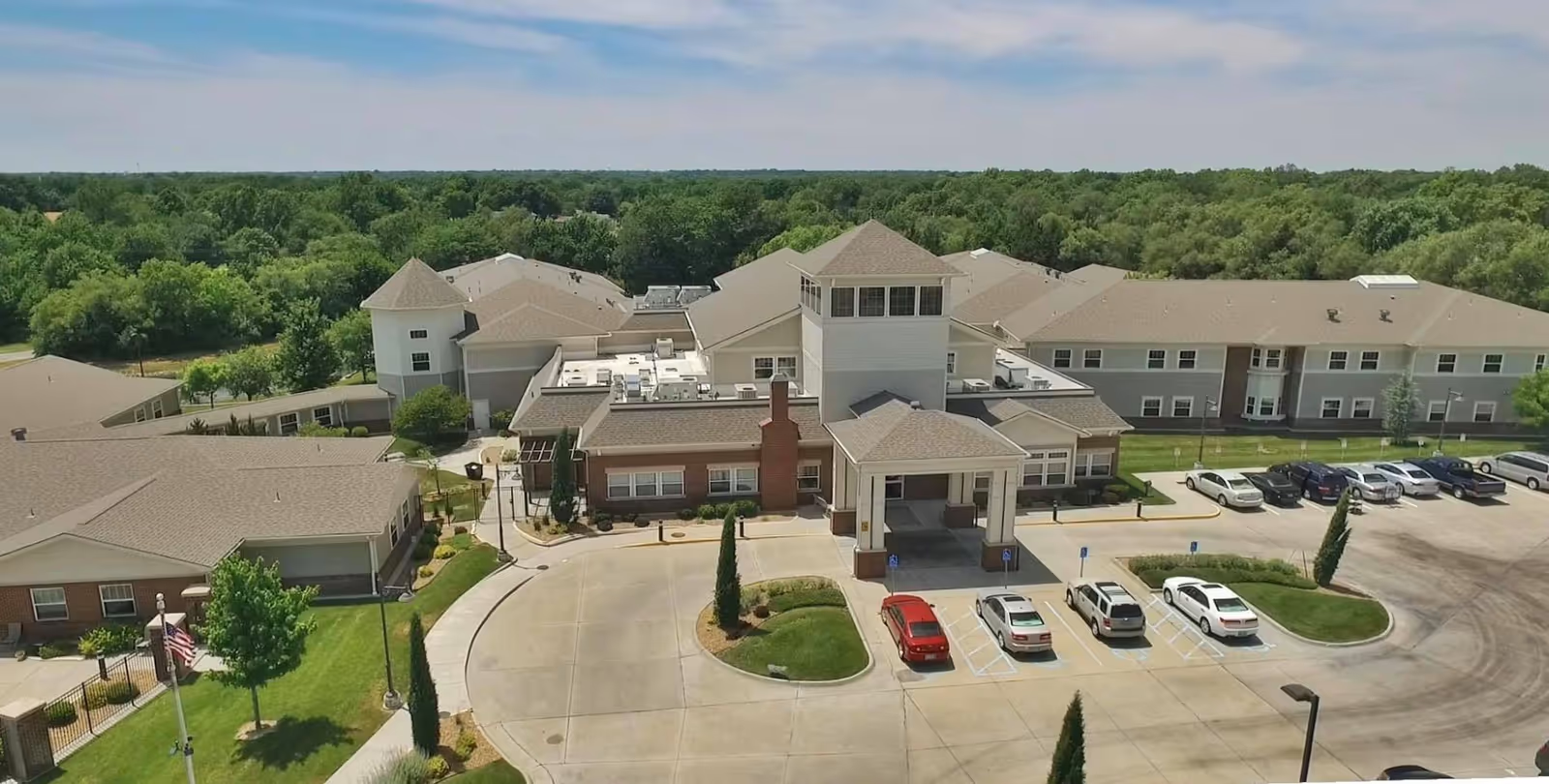
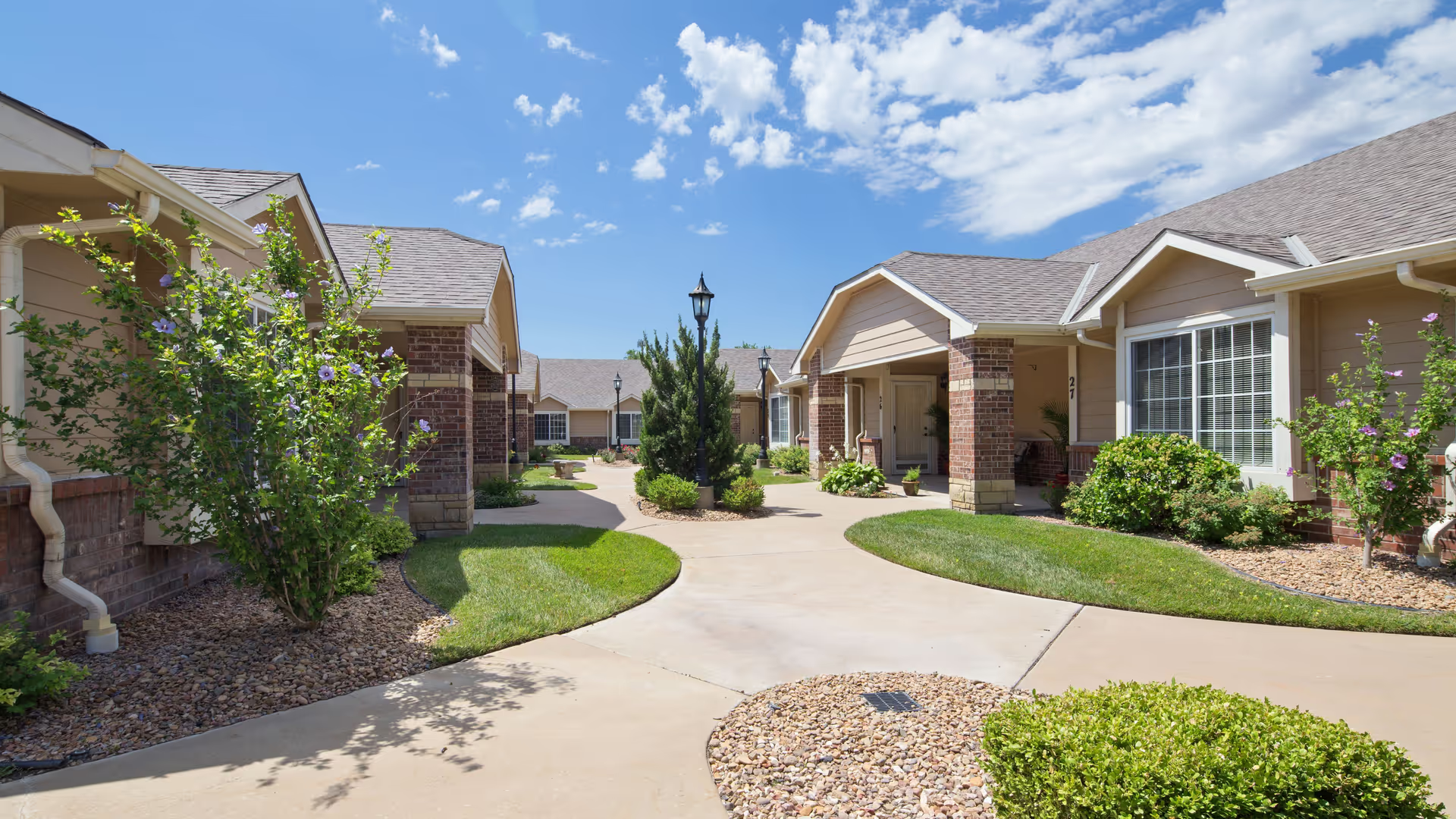
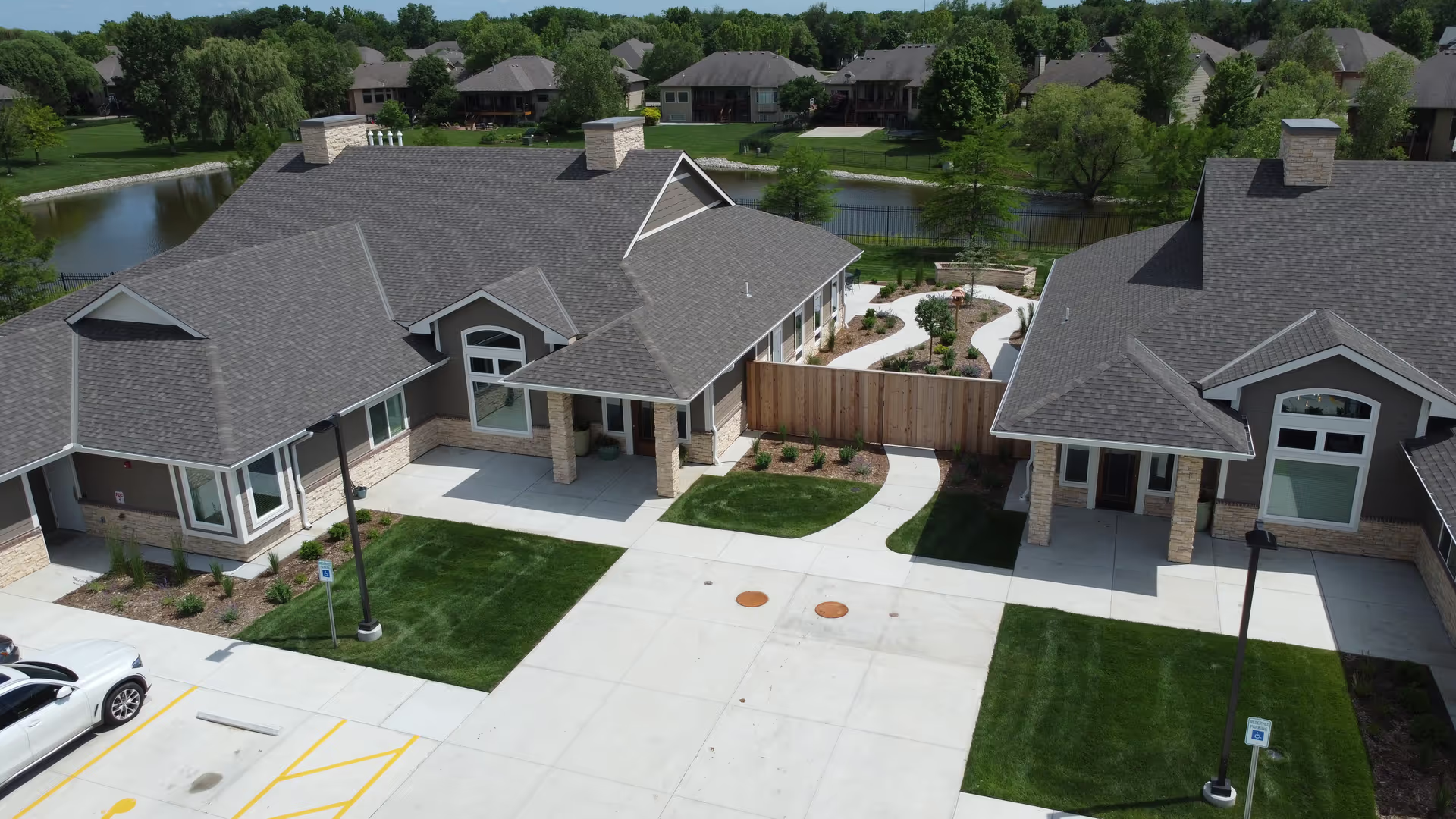
Overall impression: Wheatlands Healthcare Center is presented in reviews as a largely positive, resident-focused facility with many families expressing trust in long-term care and frequent praise for staff responsiveness and compassion. Reviewers consistently describe a clean, well-maintained environment with active communal spaces and a culture that keeps residents engaged and visible in common areas.
Care and staff: Care quality is portrayed as a strength. Caregivers and aides are described as attentive, kind, and reassuring; families credit them with providing excellent day-to-day support and creating a calm atmosphere. Several comments single out staff members for exemplary conduct during admission and ongoing care. At the same time, a pattern of variability emerges: some families described staff who appeared disengaged or reluctant to interact with visitors, and others commented that less-experienced or younger nurses did not reflect the broader standard of care. These observations suggest uneven professionalism and experience levels across shifts or teams rather than a uniform practice issue.
Dining and daily living: Dining receives positive mentions — food quality is called good and staff are described as patient and helpful during meals. Reviewers also note that residents are kept as busy as they want to be, indicating individualized attention to activity preferences. The facility’s intake and admission processes are generally characterized as seamless and accommodating, although a handful of families experienced check-in hiccups or found automated text-notification frequency intrusive.
Activities and social life: The facility offers a diverse activity program that supports socialization and engagement. Examples include Wii, Bingo, kickball, and structured group sessions; reviewers also highlight long, sustained activity blocks (two-hour sessions) that create a consistently active schedule. While many families appreciate the robust programming and sociable environment, the duration and intensity of some activities may not align with every resident’s energy or preference.
Facilities and management: Physical plant and grounds earn steady praise for cleanliness and upkeep; reviewers repeatedly describe a warm, pleasing environment. Management is viewed as receptive and family-oriented, with staff described as accommodating and focused on residents’ best interests. Communication practices include useful, low-tech tools (whiteboards) that support updates for hearing-impaired family members. Noted operational weaknesses include inconsistent check-in experiences and occasional overuse of automated messaging, which are manageable but worth addressing.
Notable patterns and considerations: Strengths cluster around compassionate caregiving, active programming, and a clean, well-managed facility that supports long-term residency. Areas for improvement are operational and cultural: standardizing staff–family engagement practices, addressing variability in staff experience through mentoring or scheduling, refining notification practices, and evaluating activity schedules to ensure they match diverse resident needs. Prospective families should weigh the facility’s strong culture and activity offerings against these operational variability elements when making placement decisions.