The reviews present a mixed but distinct pattern: many families praised the facility for its cleanliness, individualized care planning, and an engaged memory-care team, while others raised operational concerns that affect consistency of care. Clinical strengths that reviewers highlighted include professional care plans, staff who are attentive and compassionate, and a secured dementia wing that supports resident safety. Several accounts describe staff creating a family-like atmosphere and being welcoming to visitors, and activities programming and special events are frequently noted as a meaningful part of resident life.
Care quality appears uneven across reports. Positive descriptions of attentive bedside care and responsive memory-care staff are balanced by concerns about medication dosing accuracy and broader medication-management controls. These clinical concerns, alongside observations about inconsistent follow-through on care issues, point to variability in day-to-day clinical reliability rather than a uniform standard of practice.
Staffing and management are central themes. Multiple accounts praise individual caregivers as compassionate and helpful, yet there are recurring statements about high staff turnover, unstable staffing levels, and inconsistent staff conduct and communication. Some families described difficulties getting concerns addressed and characterized leadership as insufficiently responsive; these comments suggest gaps in leadership oversight and consistency of supervisory practices.
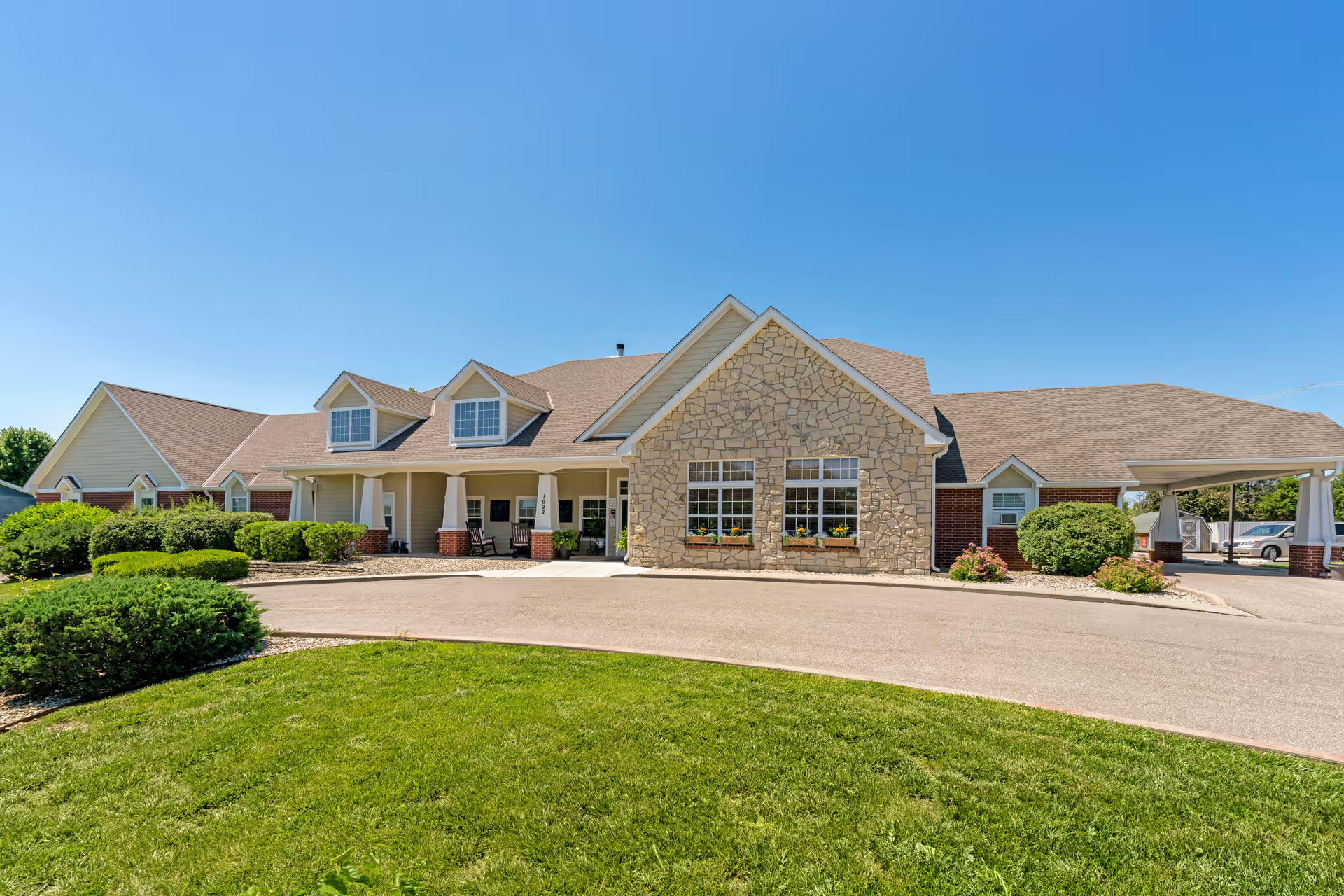
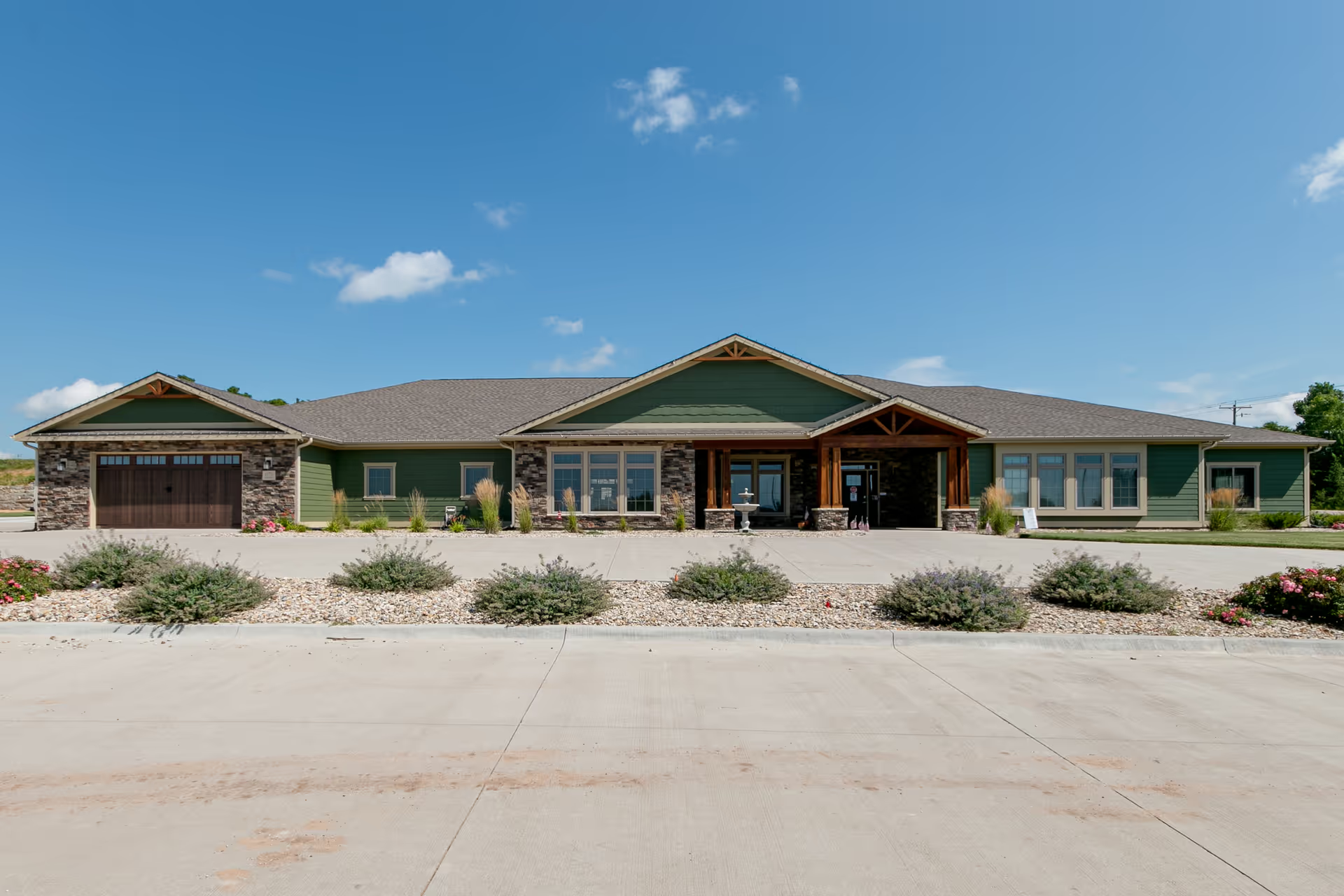
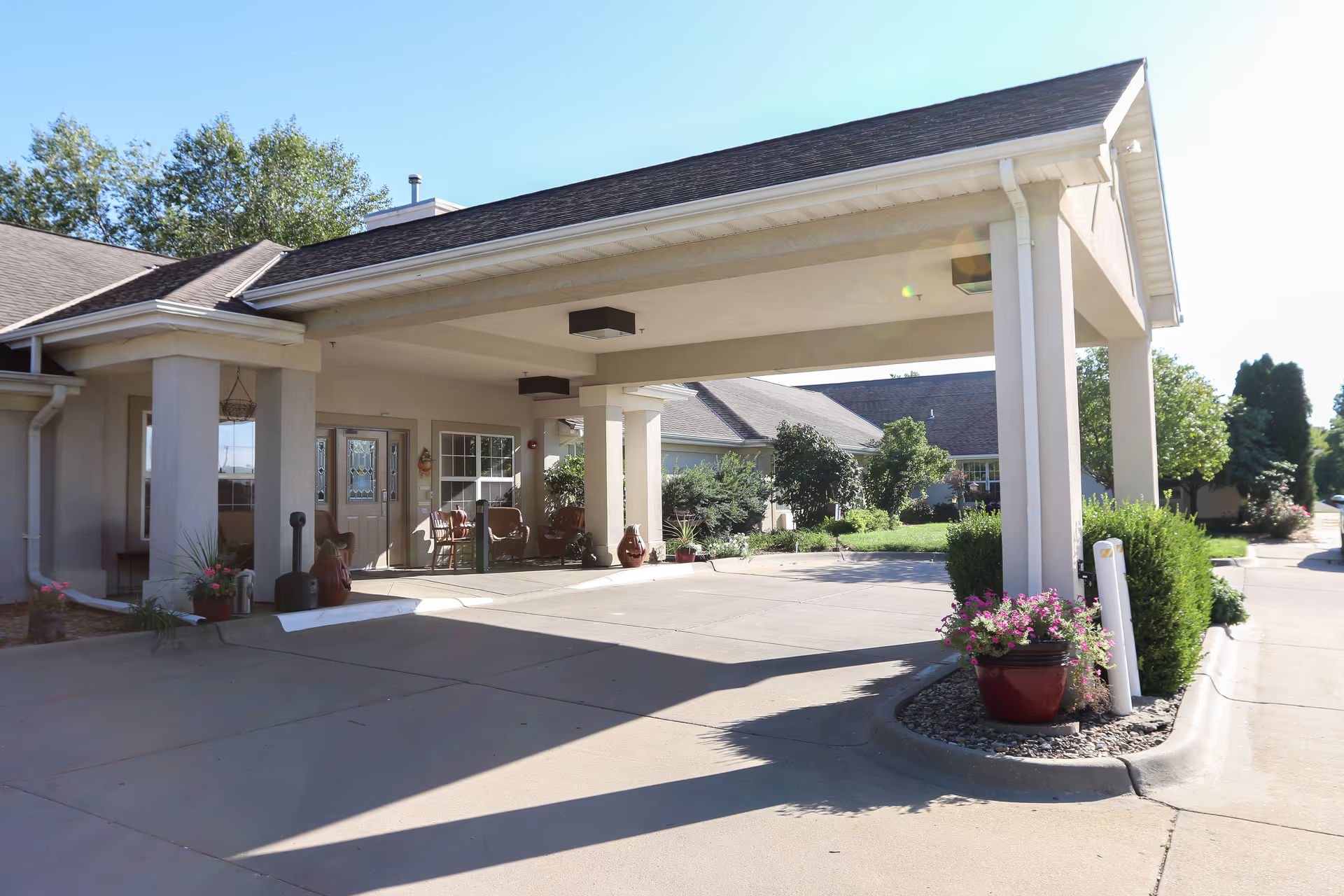
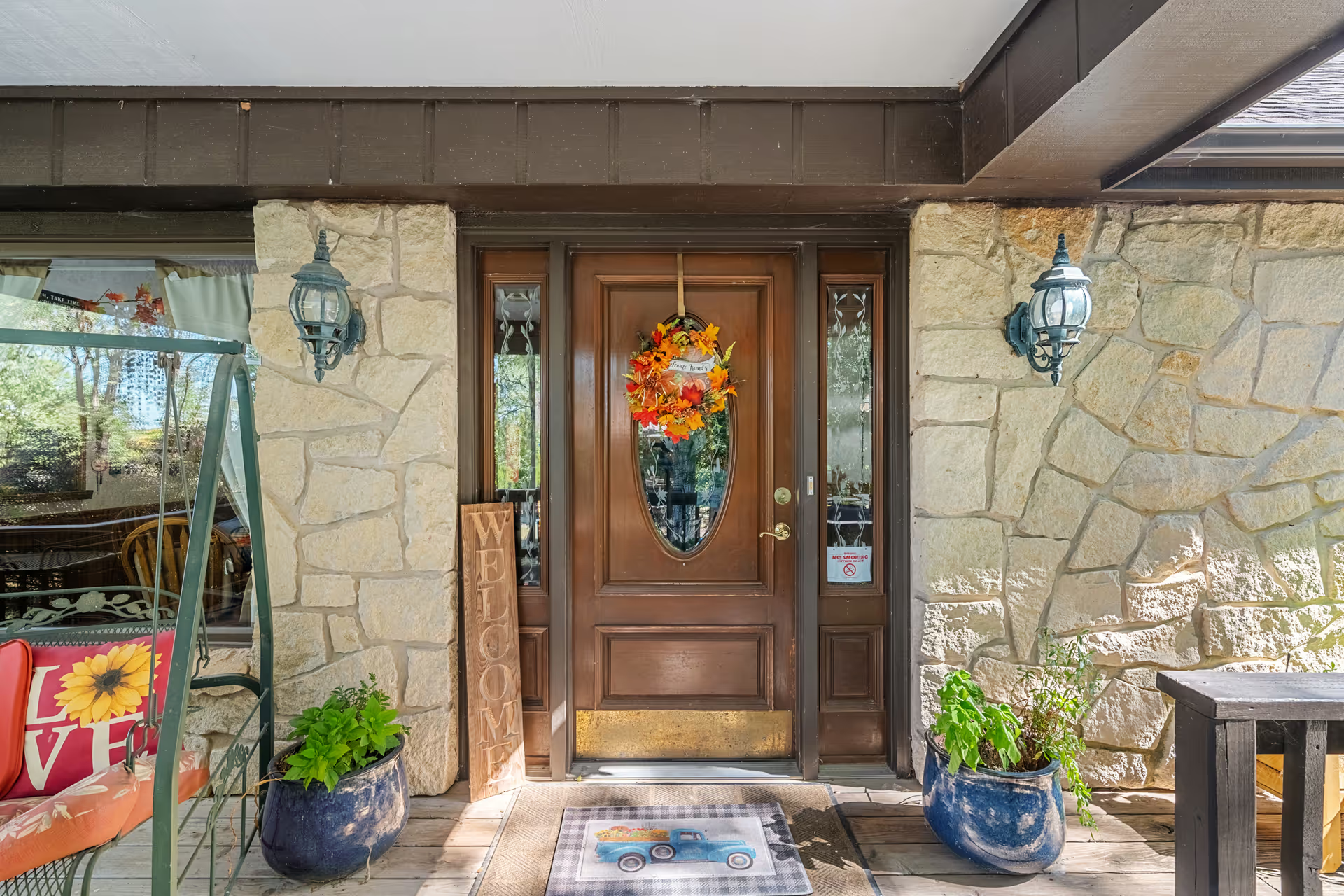
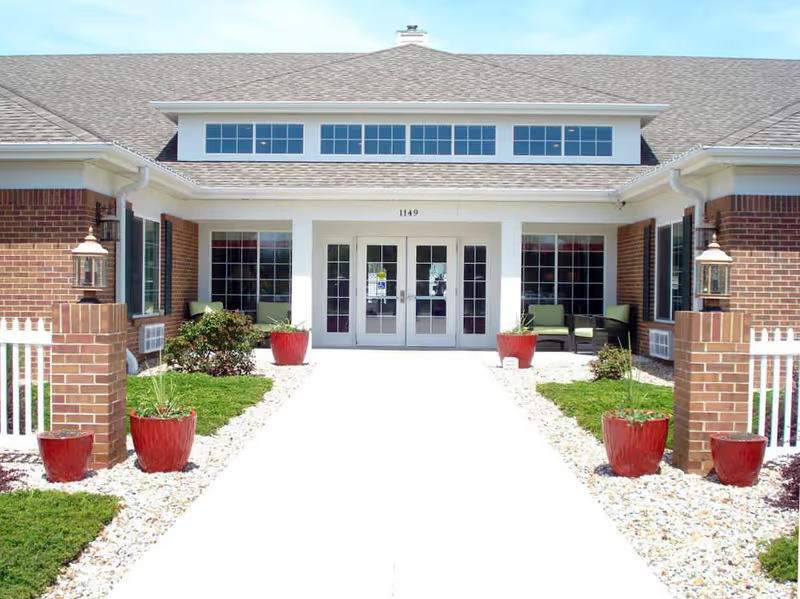
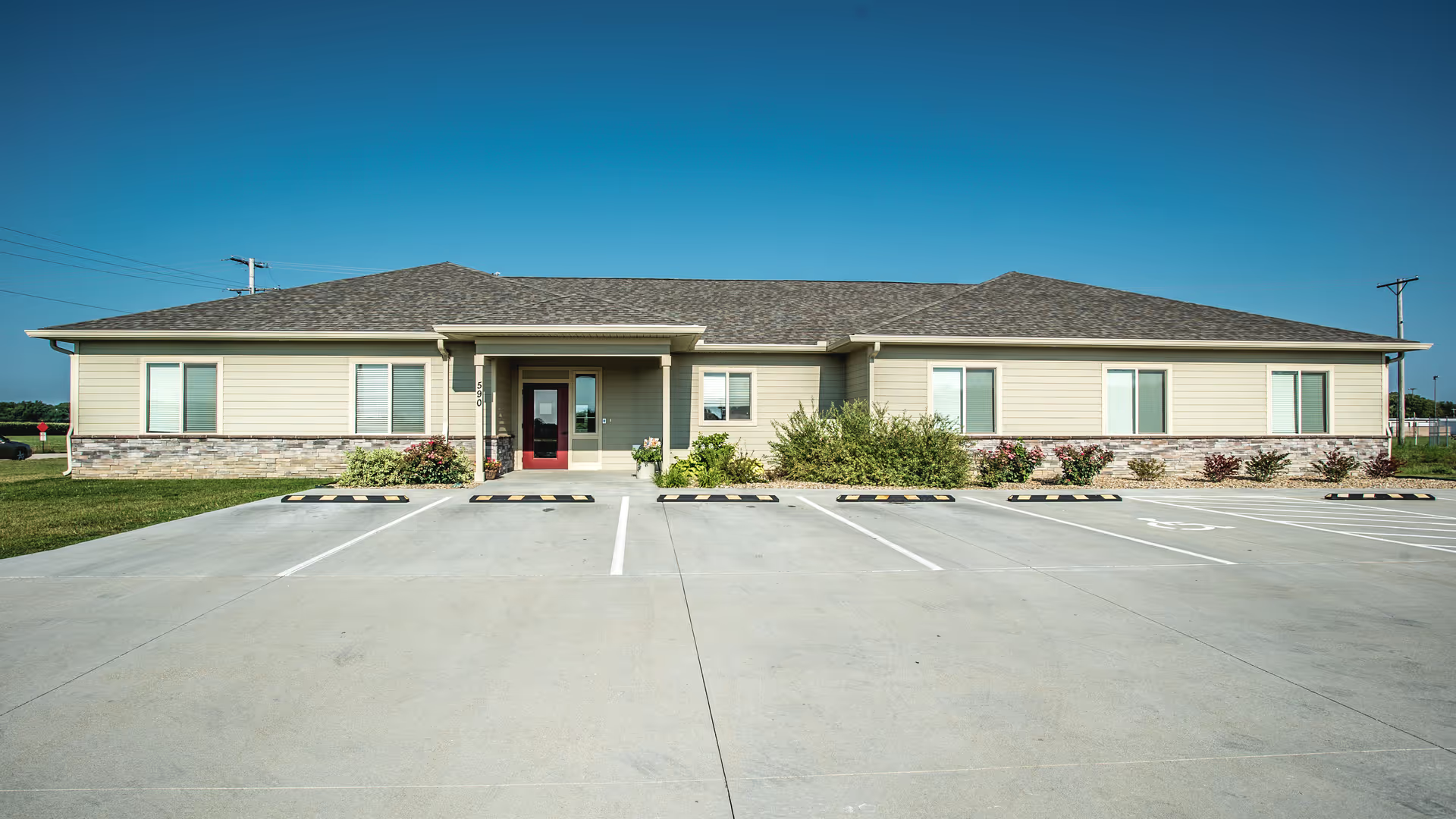
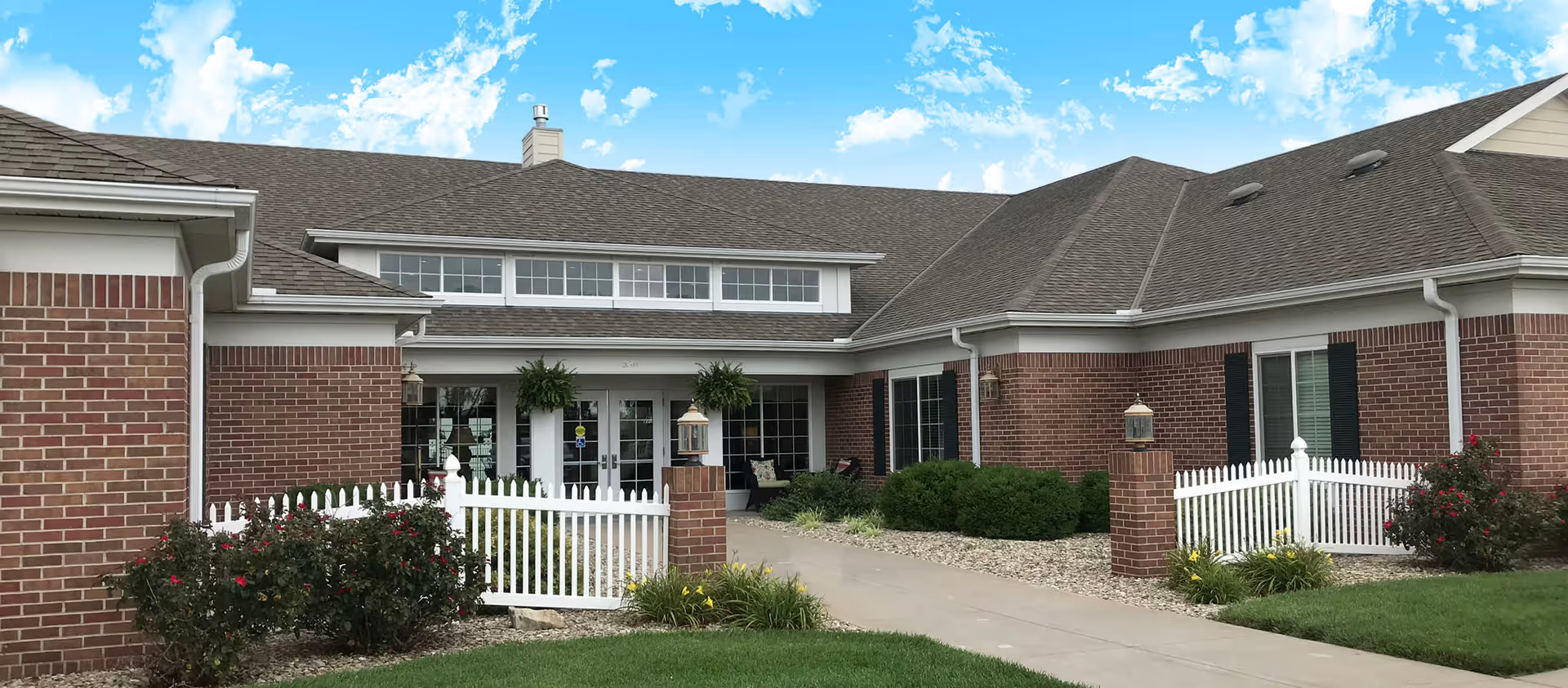
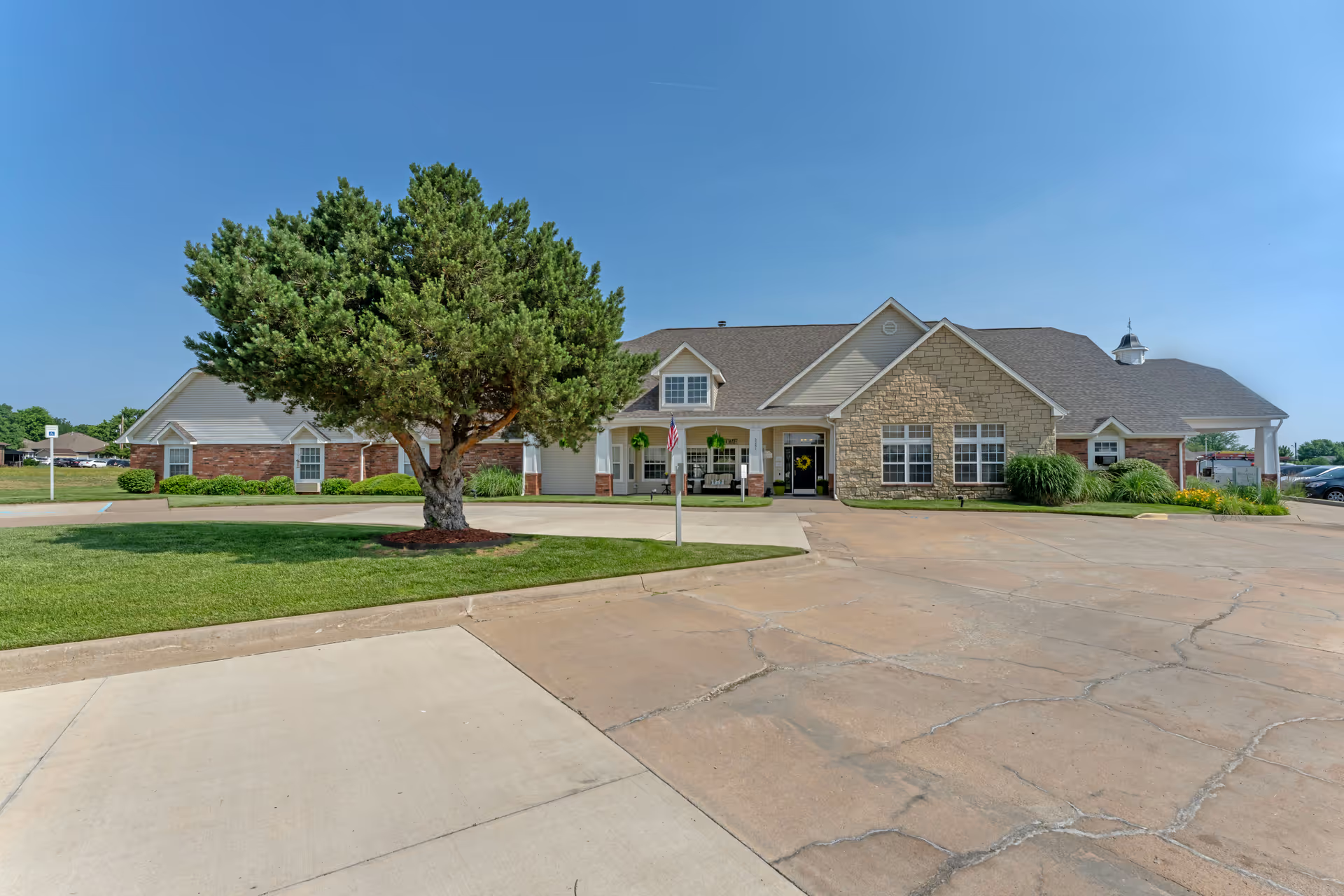
Facilities and programs receive generally favorable remarks: the building is described as clean and well maintained in many areas, with active social programming, group engagement, and special activities that contribute to resident quality of life. Reviewers also noted that portions of the facility are older and may require updating. The facility’s distance from town was mentioned as a practical limitation for family access and convenience.
There are isolated but serious interpersonal concerns, including an allegation of a discriminatory remark; reviewers framed this as a discrete incident rather than a pervasive culture. Taken together, the pattern suggests that while many families experience compassionate, resident-focused care and robust activity offerings, the facility has operational vulnerabilities — particularly around staffing stability, medication-management controls, and managerial responsiveness — that prospective families should explore during visits. Dining quality was not a prominent topic in the available summaries, so prospective families should ask for current menus and dining observations during a tour.