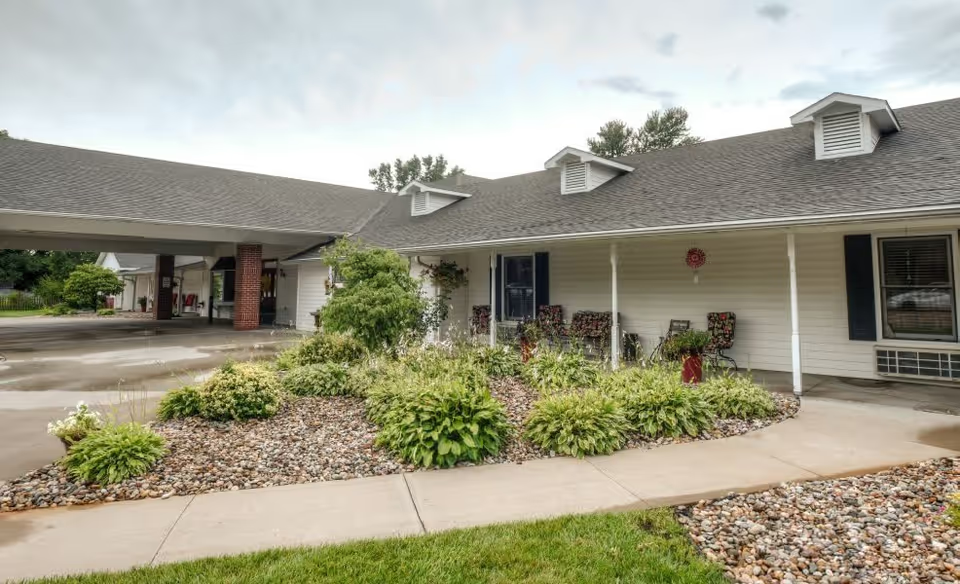
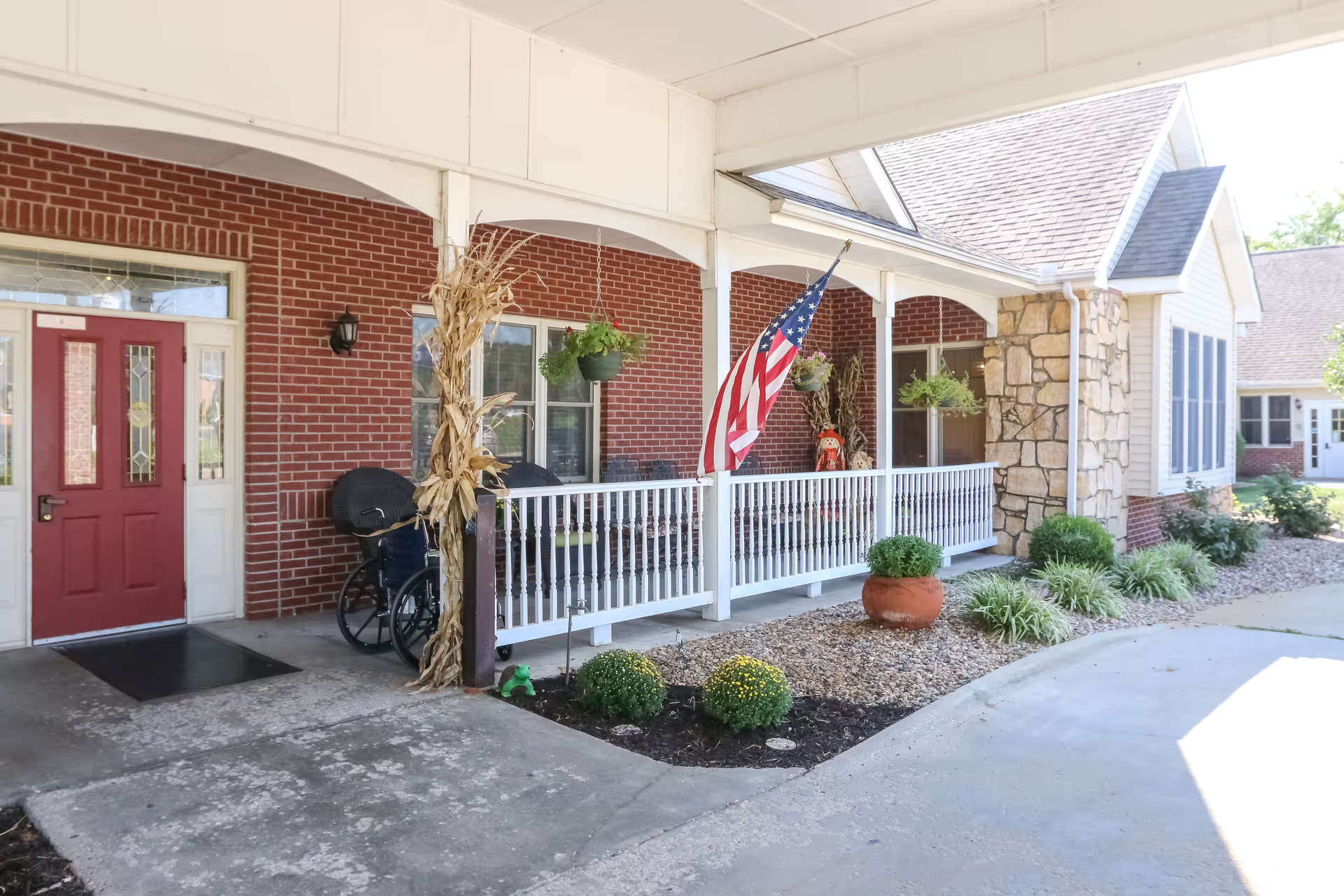
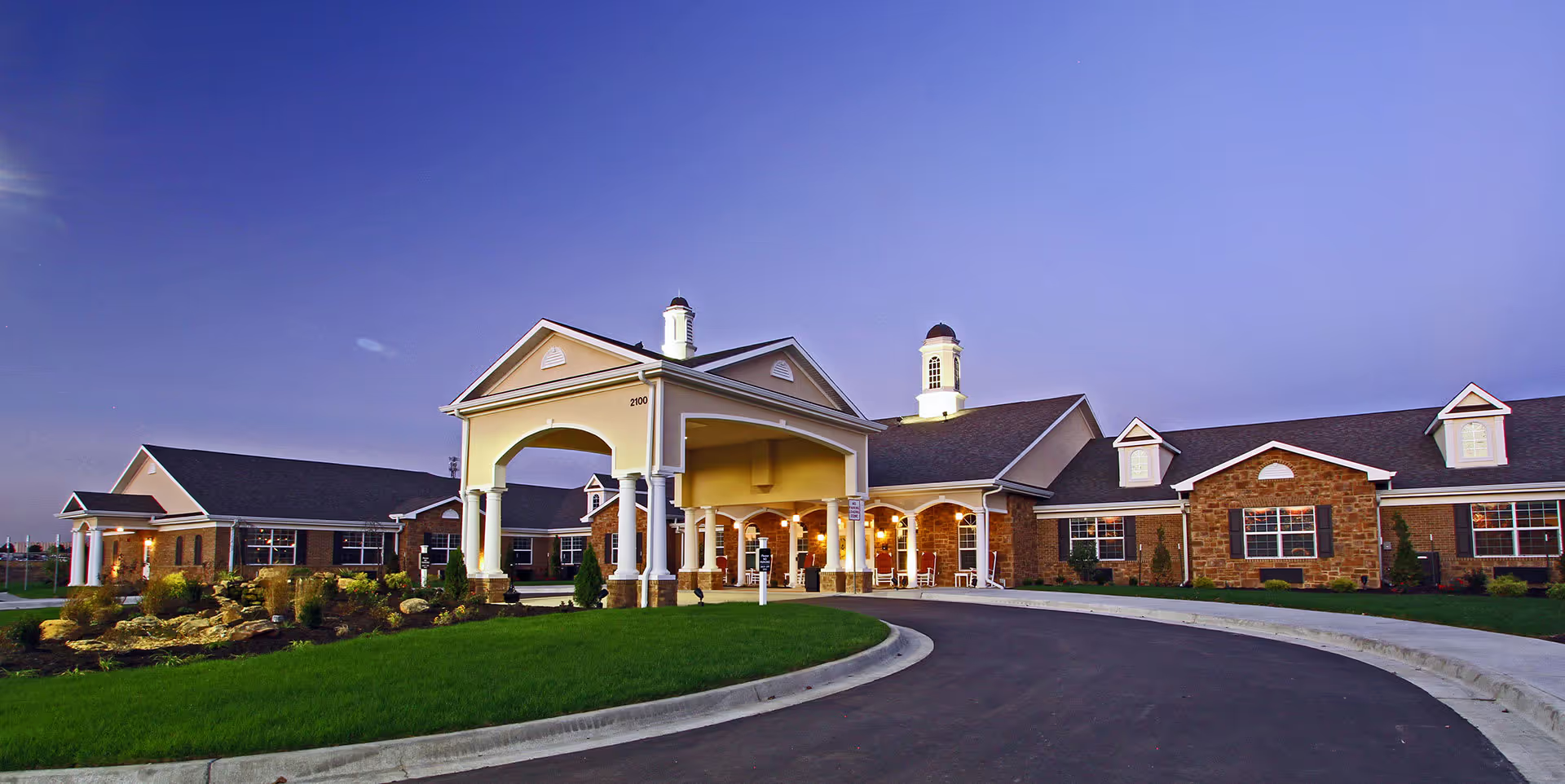
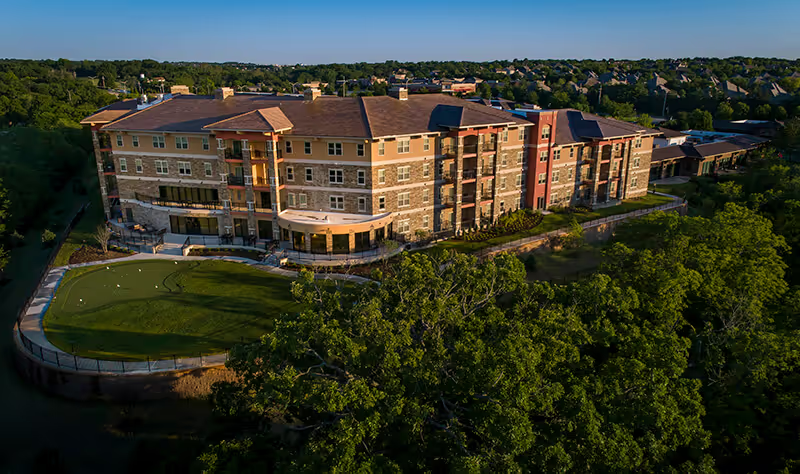
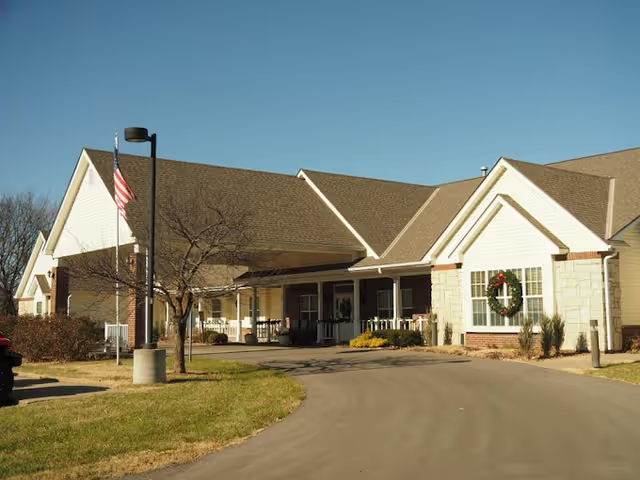
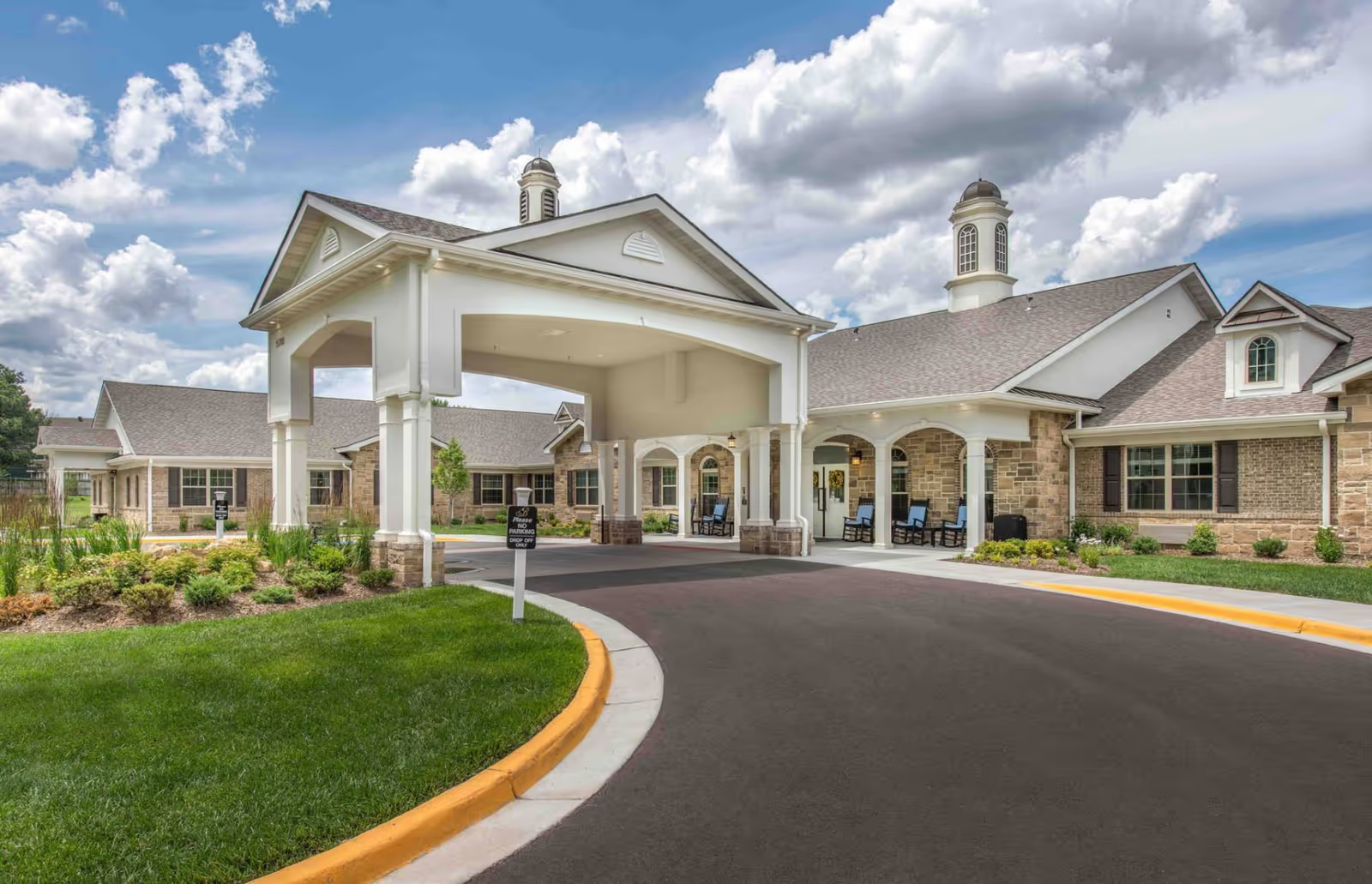
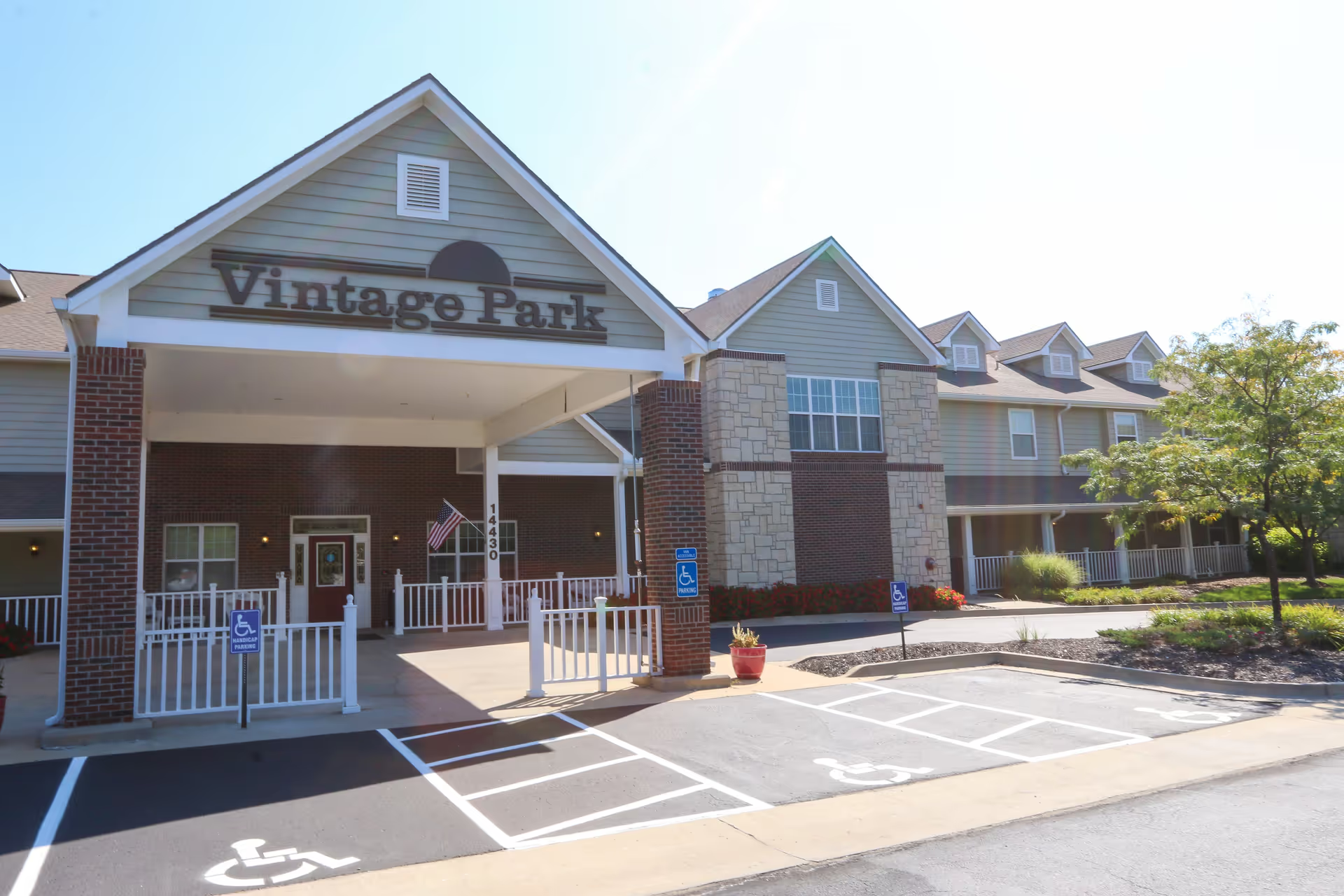
Overall impression: The reviews portray Louisburg Healthcare and Rehabilitation Center as a clinically capable, resident-centered facility with a strong emphasis on compassionate, family-style caregiving. Reviewers consistently cite warm staff-resident relationships, tenured hospice support, and visible clinical competence — examples include effective wound healing, MS-targeted care, and successful rehabilitation stays. The facility is described as clean and recently remodeled, with personalized resident rooms and a home-like atmosphere that families find reassuring.
Care and staff: Care quality is characterized by attentive nursing, engaged CNAs and med aides, and a hospice team experienced in end-of-life support. Reviewers emphasize individualized attention, smooth admission transitions, and open lines of communication with staff. Therapy services and rehabilitation are repeatedly praised for helping residents regain function and improve overall health; reviewers specifically note rapid improvement in pressure-related wounds and effective MS care. The tone toward staff is consistently positive, with frequent descriptions of staff going above and beyond and creating a familial environment.
Dining and activities: Dining receives favorable comments for taste and resident satisfaction. The activities program is a clear strength: residents have access to daily programming such as bingo and puzzles, music in common areas, pet interactions (birds and a house cat), and regular outings. An active activities director and engaging social options contribute to resident happiness and a sense of community.
Facilities and management: The physical plant and housekeeping are noted as clean and recently updated; reviewers describe a comfortable, remodeled interior and personalized living spaces. Management and clinical leadership are portrayed as professional and communicative, facilitating smooth transitions and family support during difficult times. The hospice team is singled out as tenured and effective in providing compassionate end-of-life care.
Notable patterns and cautions: The aggregate tone is strongly positive, with recurring themes of personal attention, clinical effectiveness, and a warm environment. A recurring operational concern is intermittent staffing shortages; reviewers occasionally note that staff appear stretched, which can lead to delays in routine tasks during high-demand periods. Prospective residents and families should weigh the facility's strong clinical and cultural attributes against the potential for temporary staffing variability, and consider discussing current staffing patterns and contingency plans with leadership during a tour.