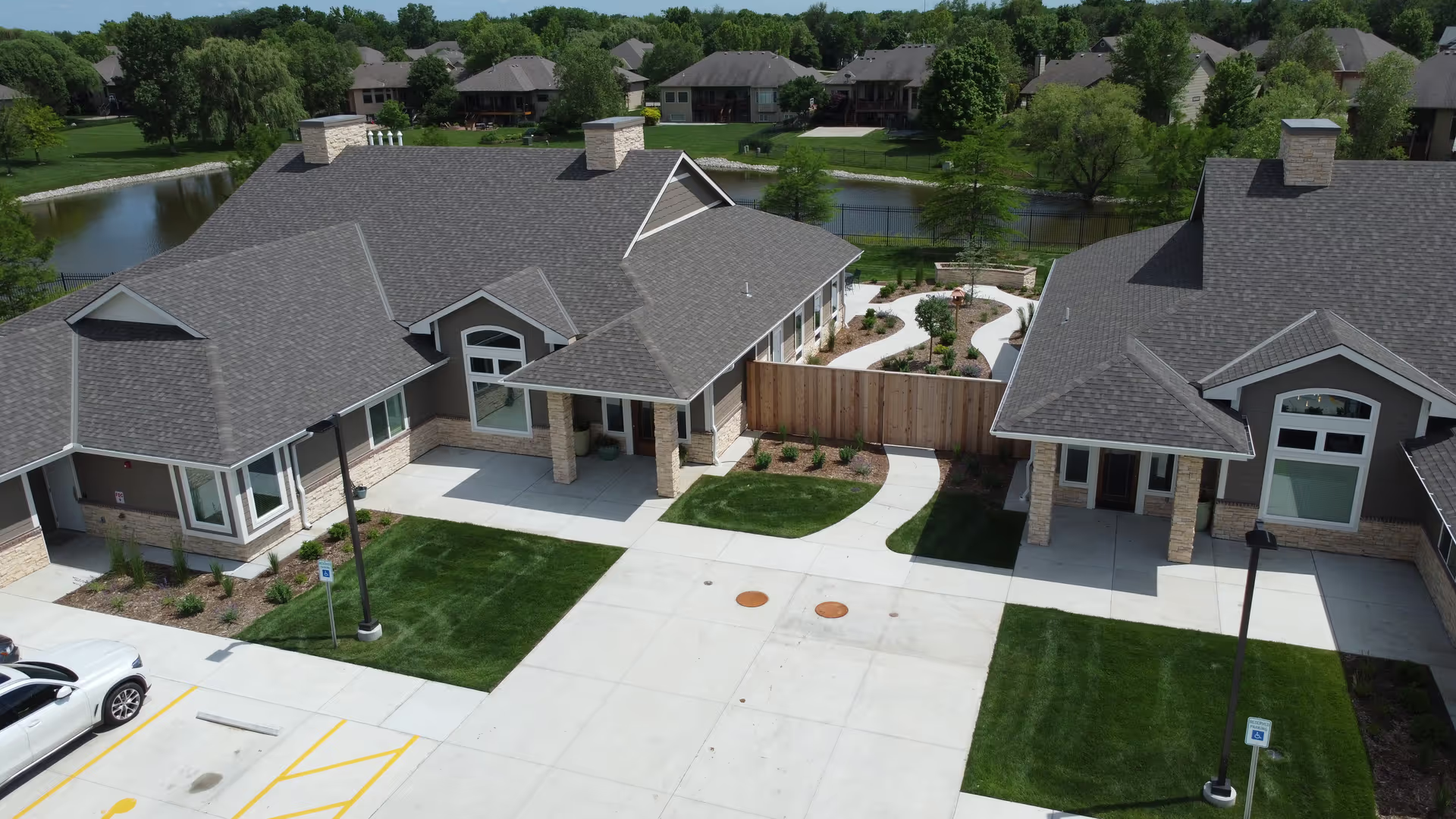
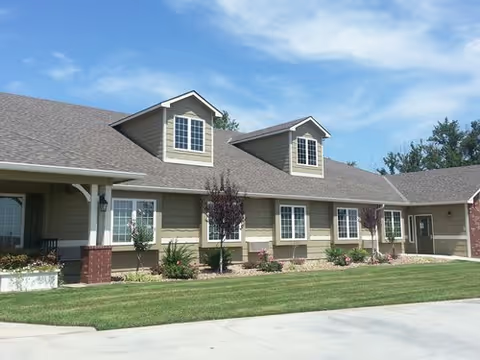
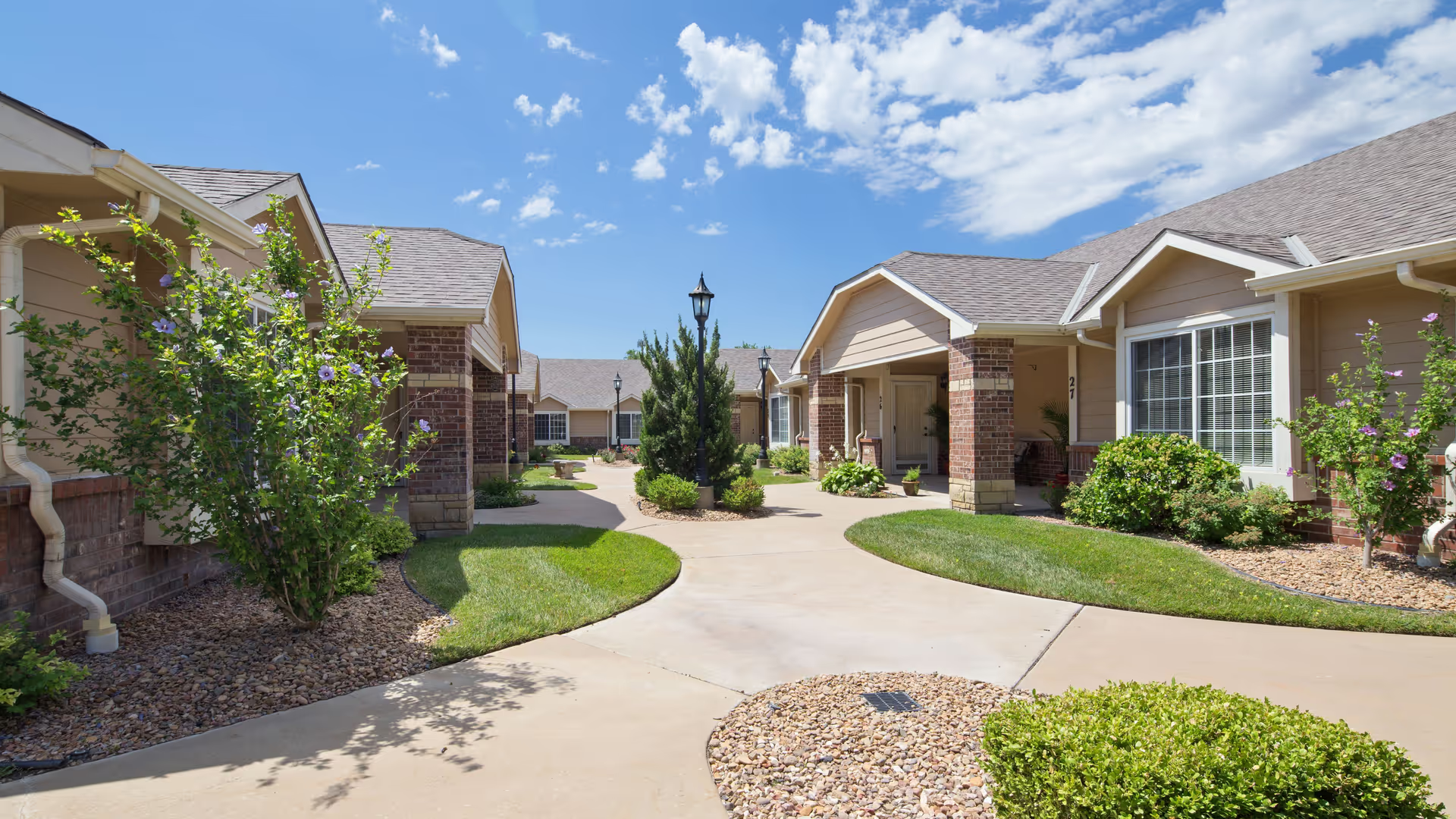
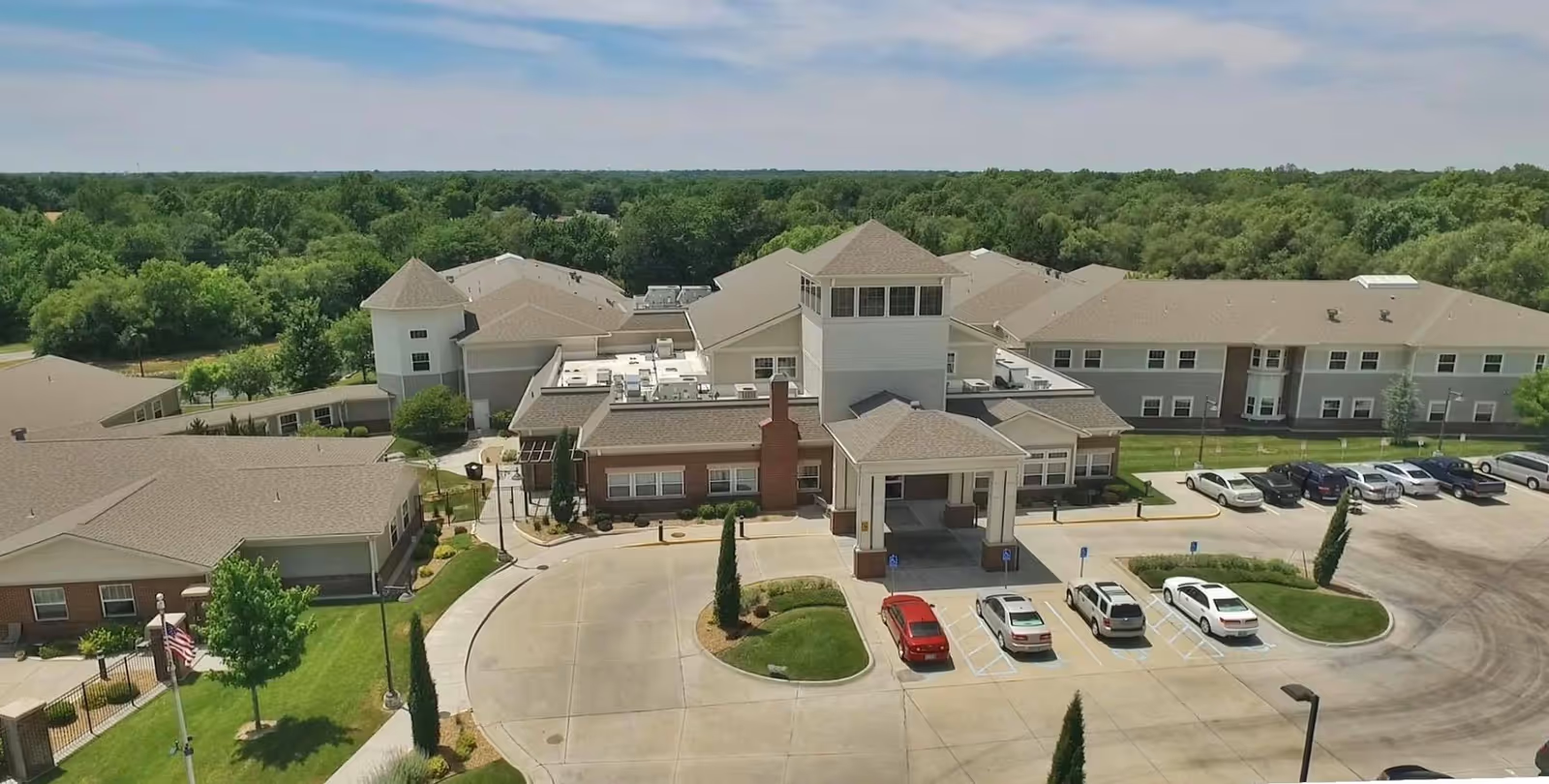
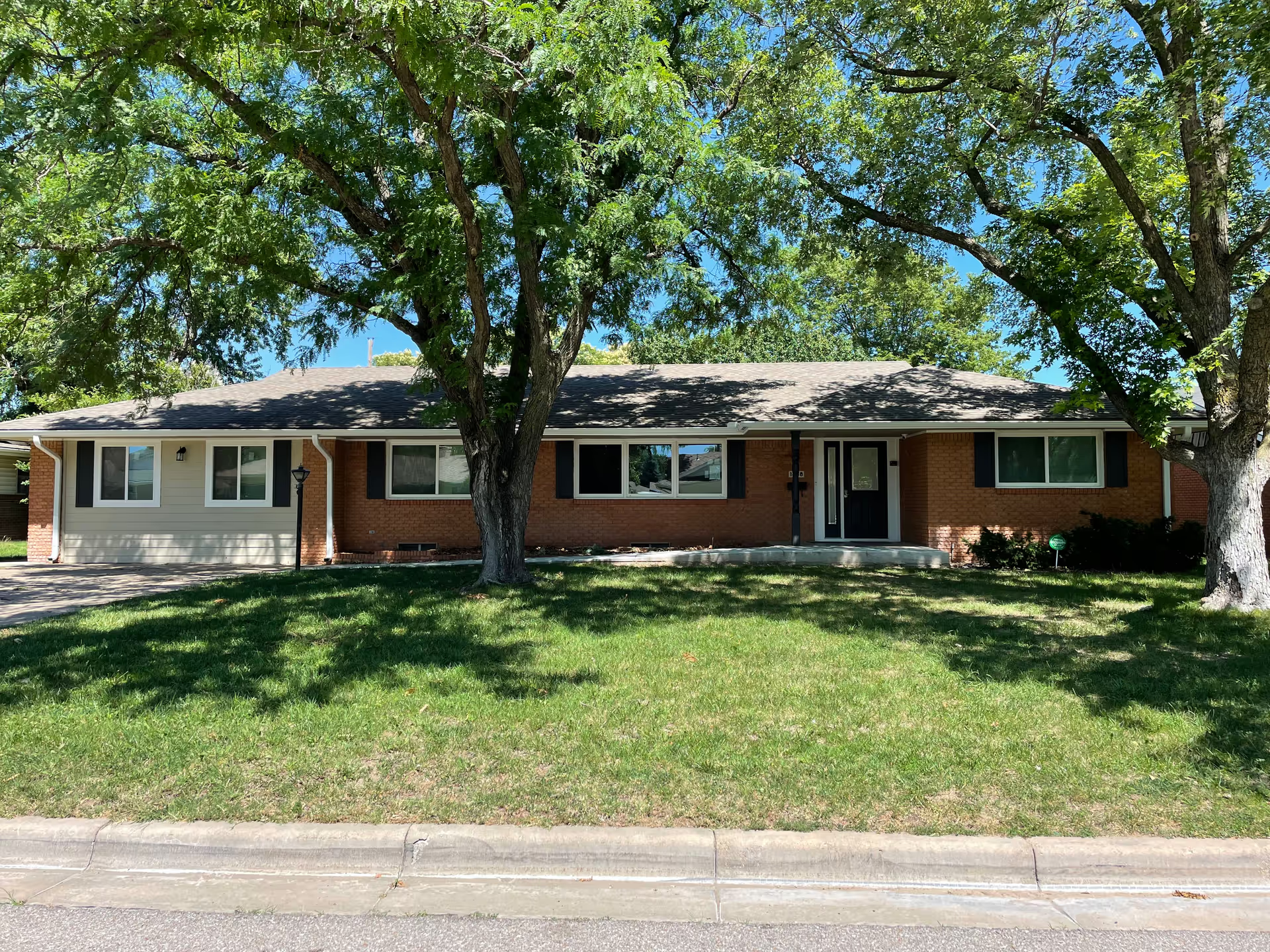
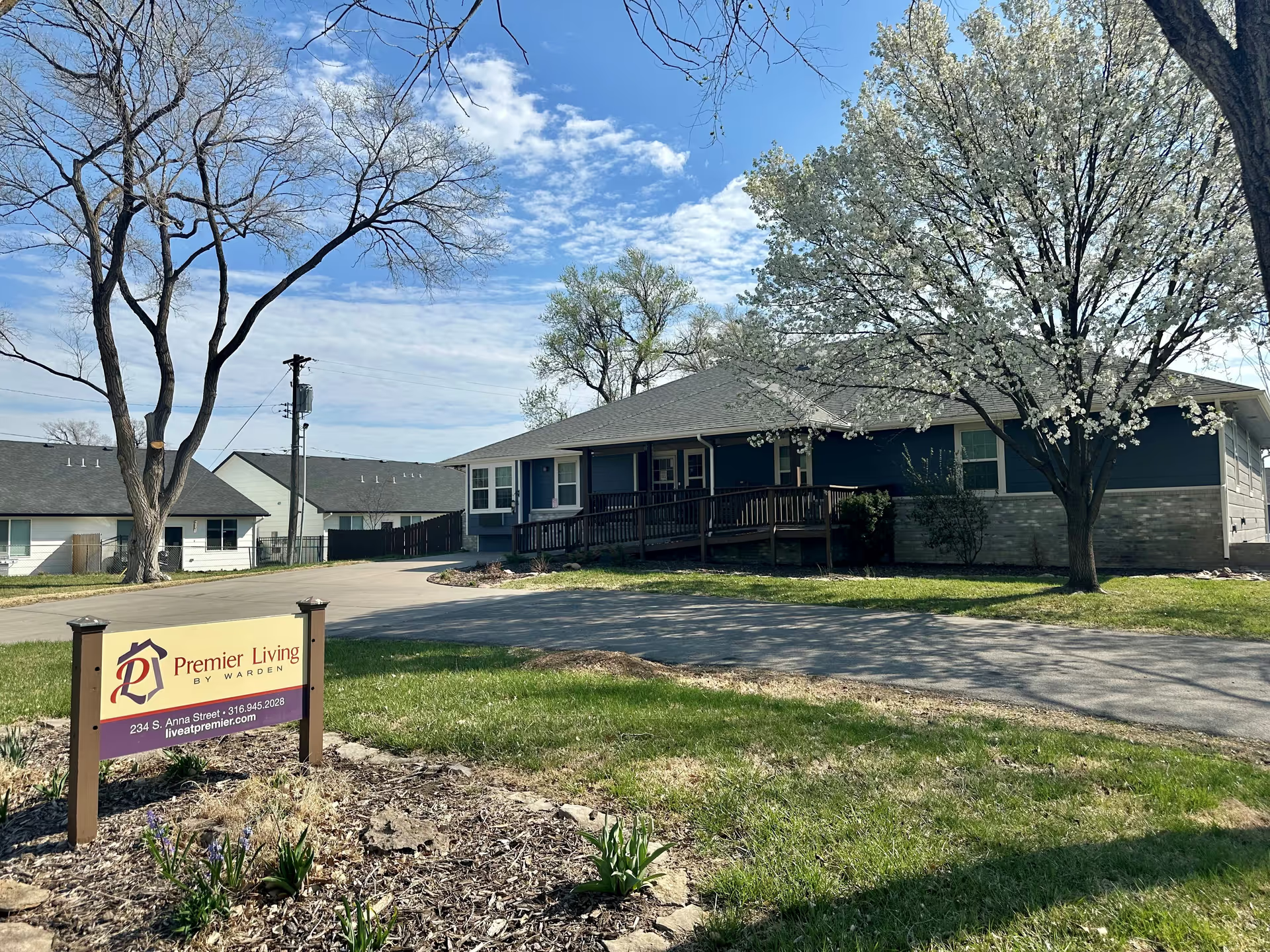
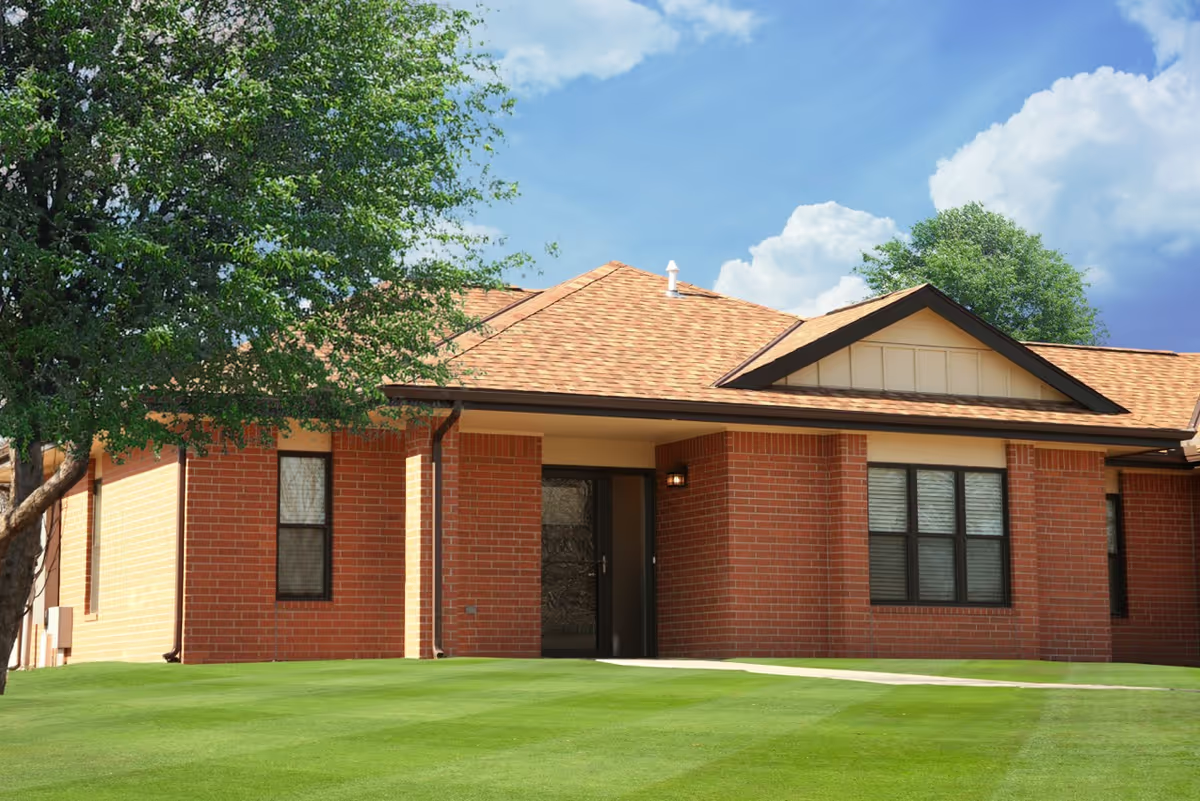
Overall impression: Reviewers portray The Villas at Hampton Lakes as a well-kept, community-oriented 55+ property with strong operational attention to grounds and facilities maintenance. Management and maintenance staff receive consistently positive references, and the campus landscaping and neighborly atmosphere are recurring strengths that contribute to a sense of safety and community for residents.
Care and staff: Praise for management and maintenance suggests an emphasis on responsiveness to facility issues and upkeep. There is limited direct information in these summaries about clinical care quality, nursing staffing levels, or medication management; prospective residents should request specific clinical staffing and care-process information if those are priorities. The positive comments about a "safe environment" and "excellent management" indicate satisfactory day-to-day operational oversight, but do not substitute for detailed clinical-performance data.
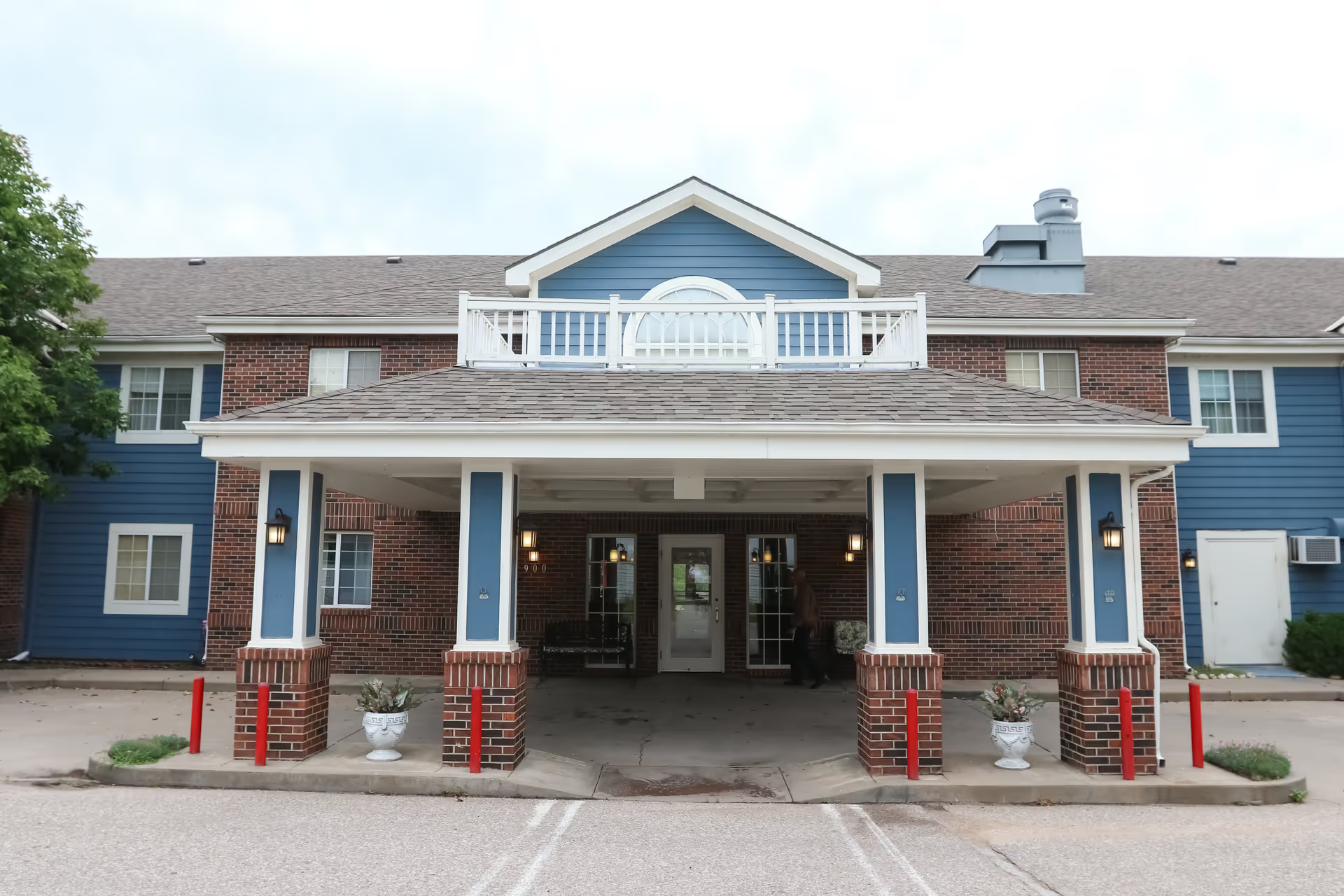
Facilities and safety: The property’s exterior and grounds are described as attractive and well-maintained, but reviewers raise consistent operational concerns about exterior accessibility and safety. Key issues include the absence of parking-area ramps and poorly lit curb/parking navigation that can create trip-and-fall hazards. These point to facility-level weaknesses in accessible-design features, exterior lighting, and fall-prevention measures. Prospective residents who use mobility aids or have limited vision should evaluate curb transitions, ramp availability, and lighting during a visit.
Dining and activities: The summaries do not provide substantive information about dining quality, menu variety, or structured activities and programming. The reference to a positive 55+ community atmosphere implies social opportunities, but families should ask for a current activities calendar, examples of social and recreational programming, and sample menus or dining policies to assess fit.
Notable patterns and recommendations: The dominant positive themes are strong management, attentive maintenance, attractive grounds, and a friendly resident community. The dominant negative pattern concerns exterior accessibility and safety (parking/curb design and lighting) that may increase fall risk. When evaluating the community, ask management about recent or planned accessibility upgrades, exterior lighting schedules and controls, routine safety audits, fall-prevention protocols, incident reporting and family communication procedures, and whether the property has completed an accessibility assessment or ADA-related improvements. Visiting at dusk or in low-light conditions will help assess lighting and curb navigation firsthand.