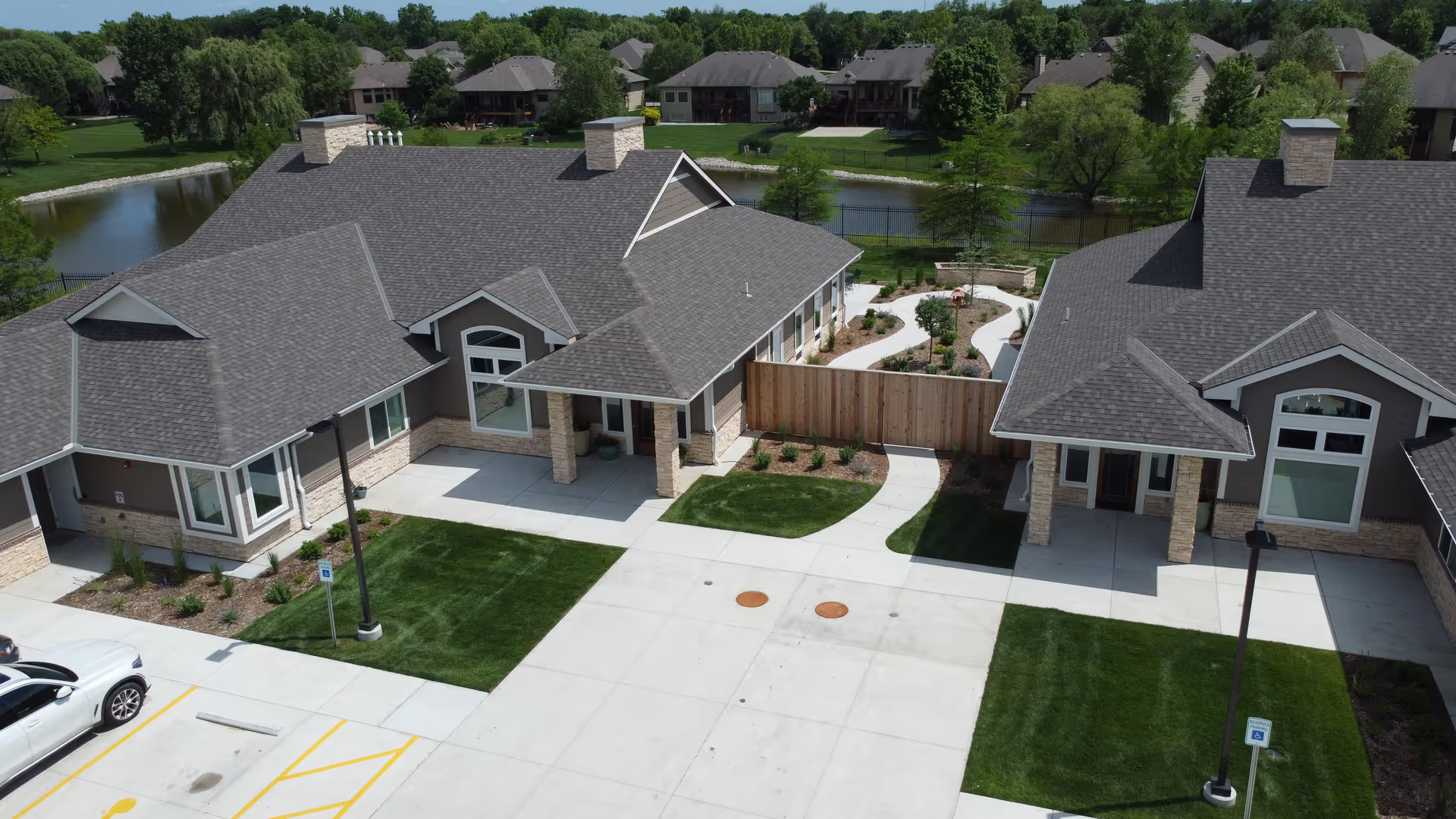
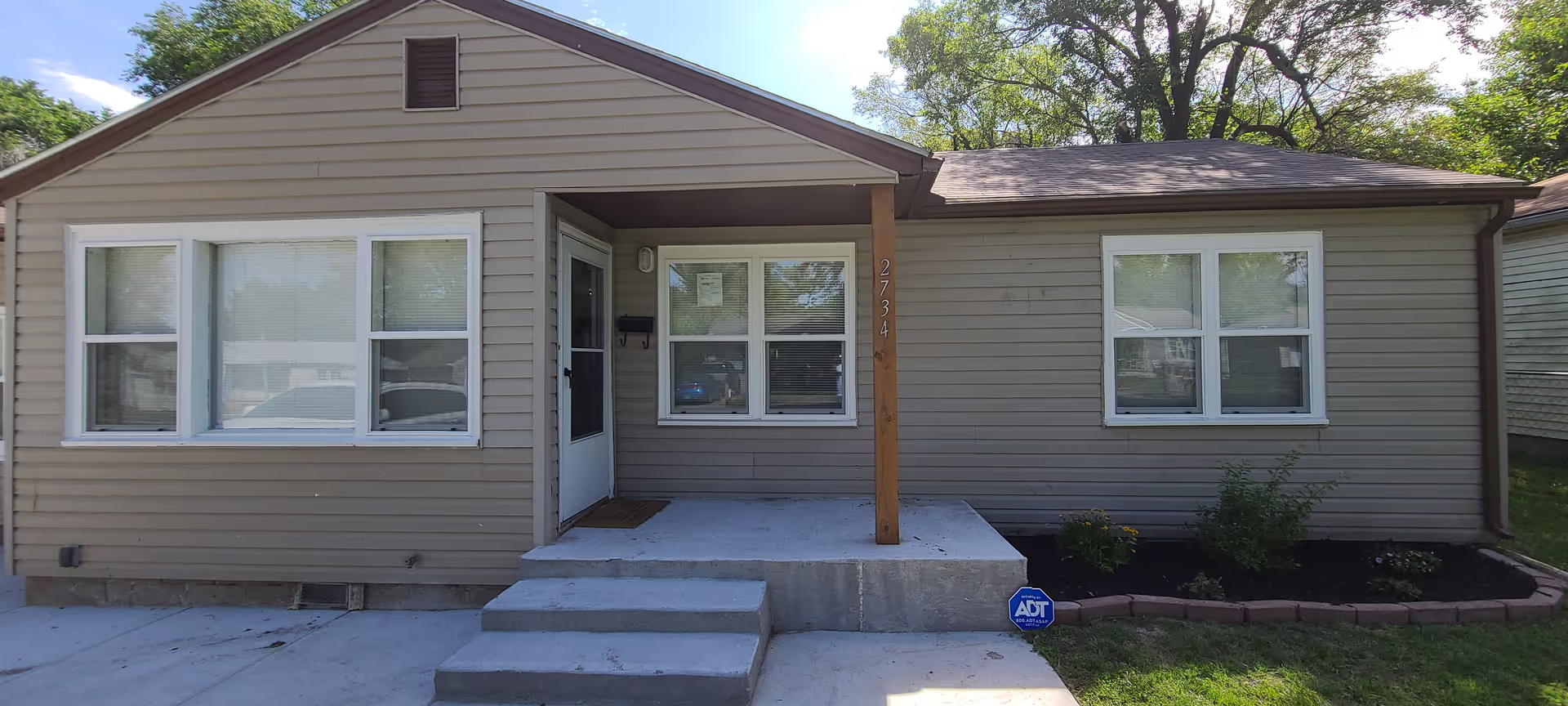
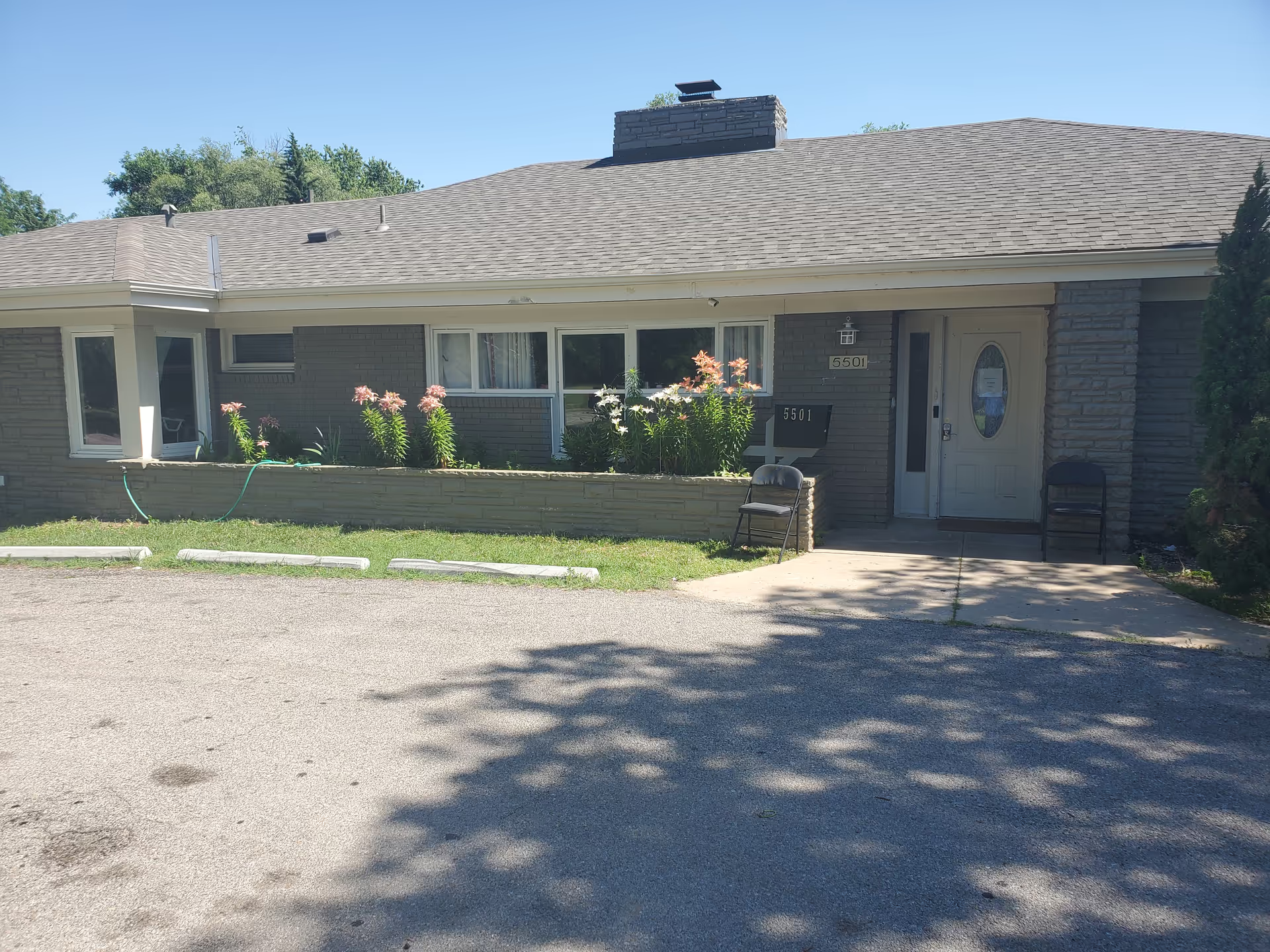
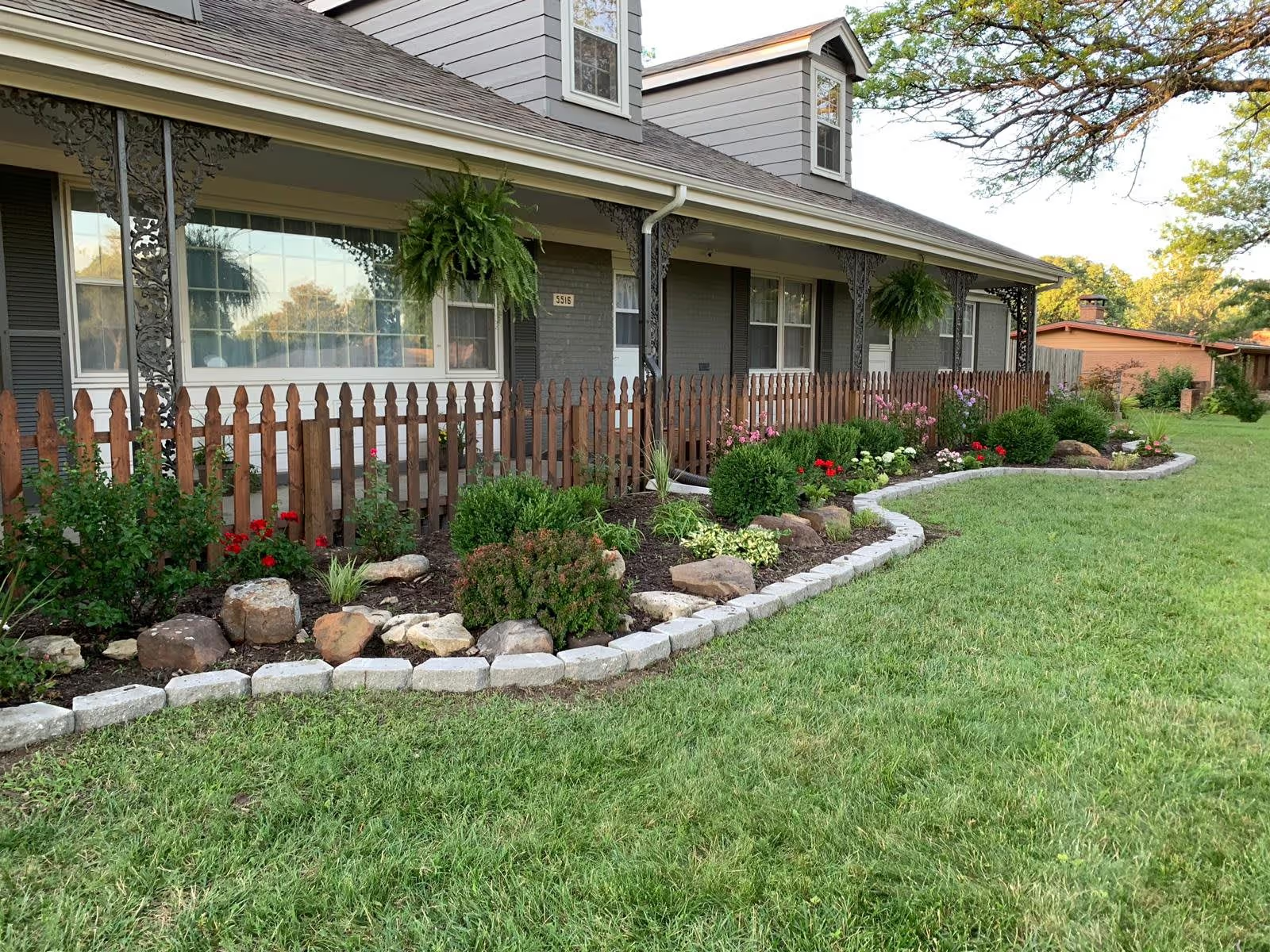
Overall impression: Reviews present a mixed but largely positive picture centered on strong, person-focused caregiving in a small, home-like setting. Many families praise attentive staff, individualized care plans (including dementia-specific programming), and an atmosphere that residents and families describe as warm and family-like. Positive operational highlights include a high staff-to-resident ratio in many homes, coordination with hospice when needed, hands-on admissions support, and clear assistance with Medicaid paperwork.
Care and staff: Care quality is often described as compassionate and personalized. Numerous accounts highlight staff who know residents well, provide emotional as well as physical support, and facilitate smooth transitions. Nursing and clinical access is viewed positively by many reviewers who cite responsive nurses and access to an on-call physician. However, there is a recurrent pattern of variability: some reviews describe inconsistent staffing levels, periods with limited licensed-nurse presence, and times when less-experienced aides (including younger staff) take primary responsibility for direct care. Those operational gaps are associated with delays in routine care tasks, sanitation and personal-care inconsistencies, and family concerns about supervision during clinical decline.
Dining and activities: Dining is a clear strength in most accounts. Home-cooked meals, flexibility to accommodate dietary needs, and an emphasis on fresh food are commonly noted. Social programming and activities such as music, holiday events, and other resident-focused gatherings contribute to a lively, home-like culture and to resident engagement.
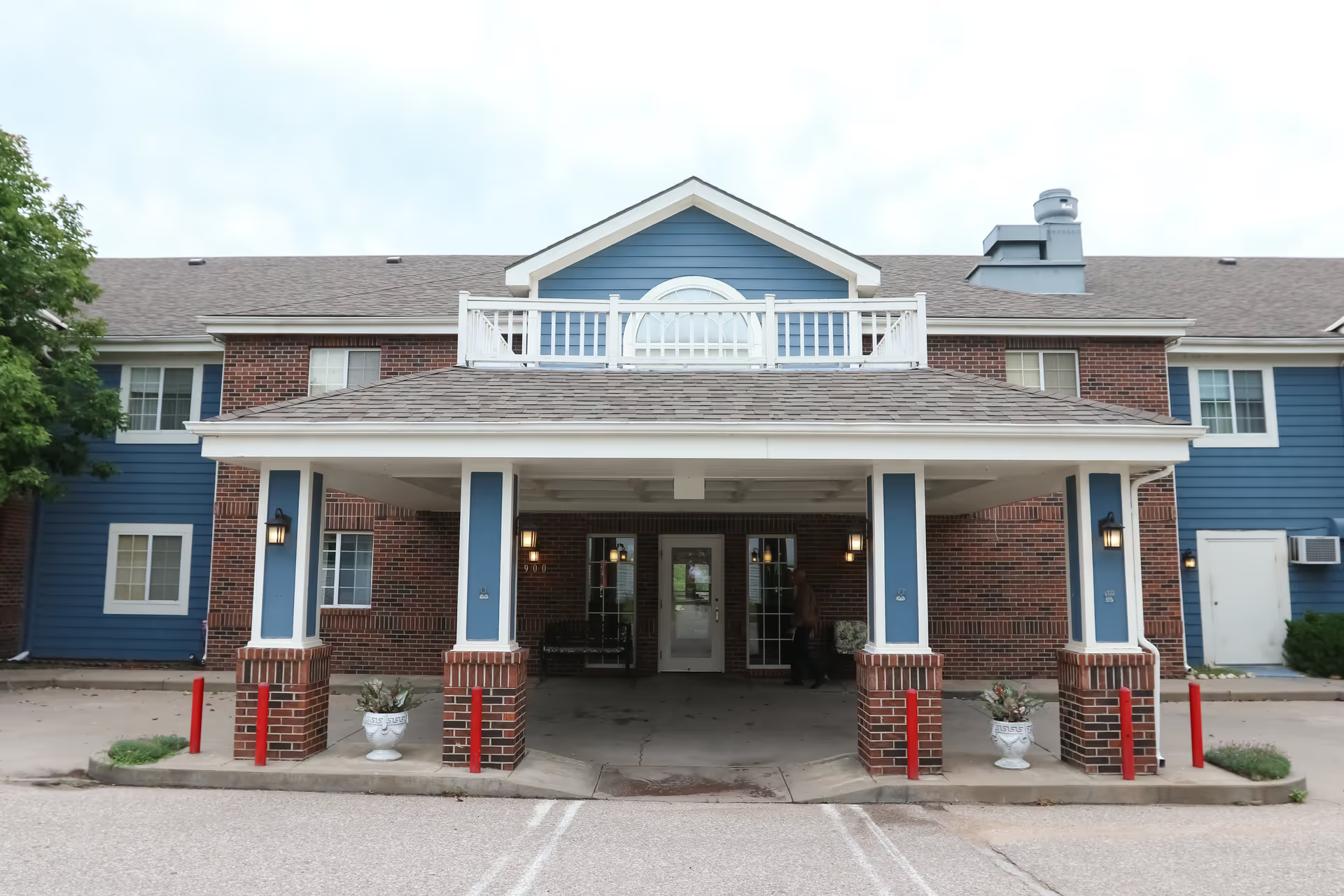
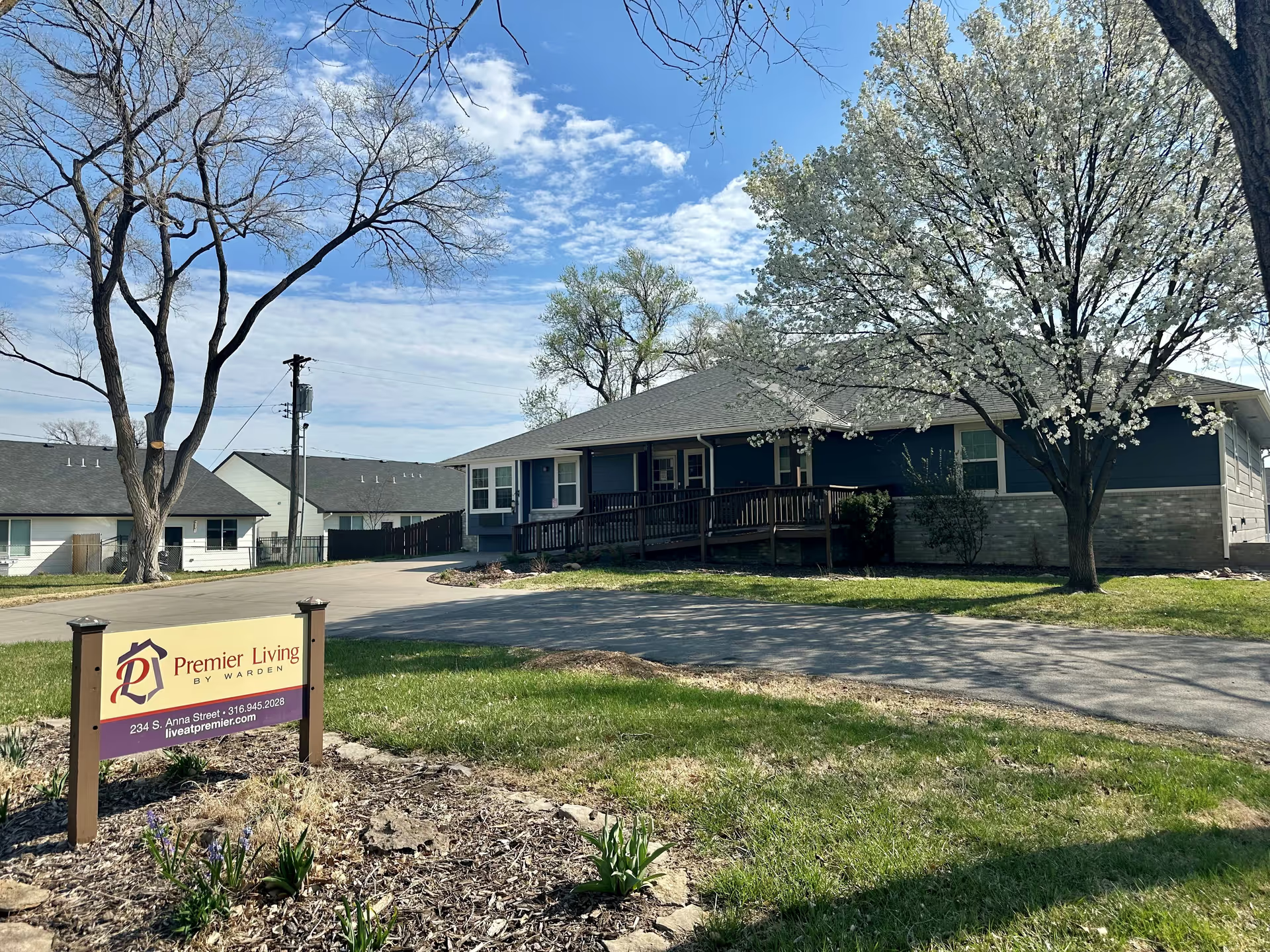
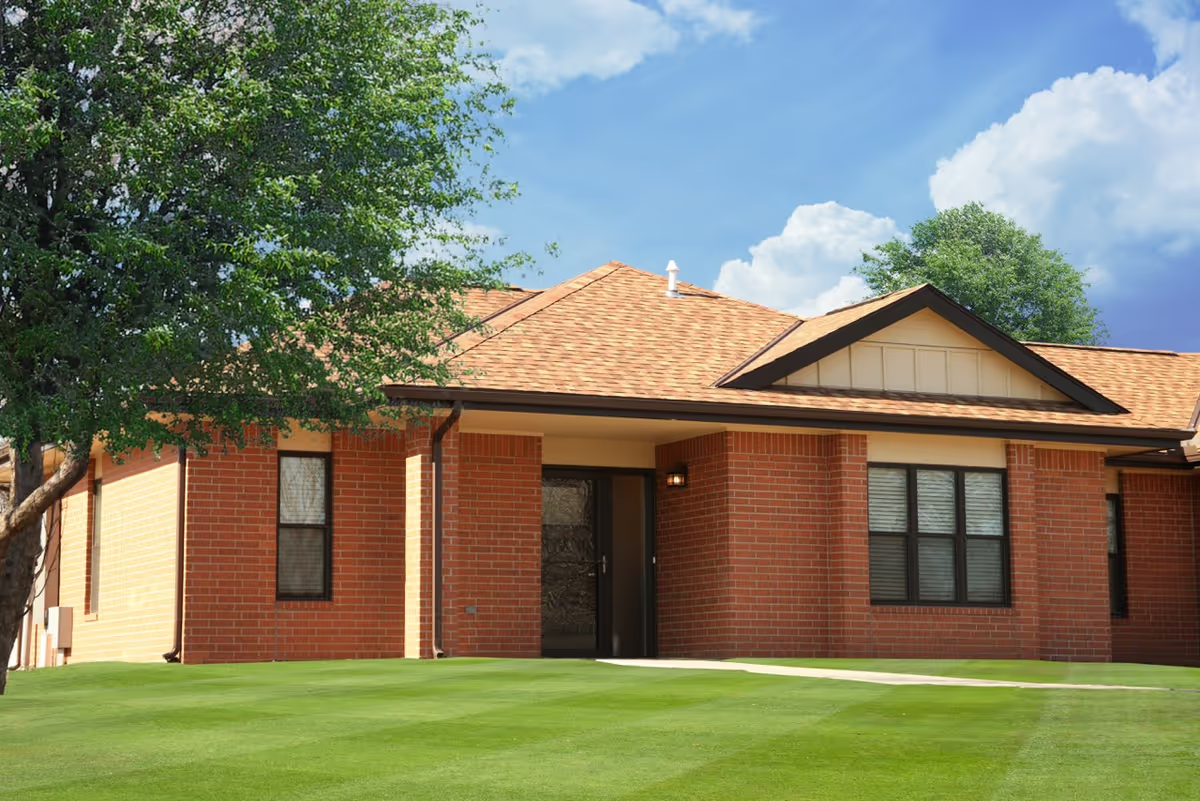
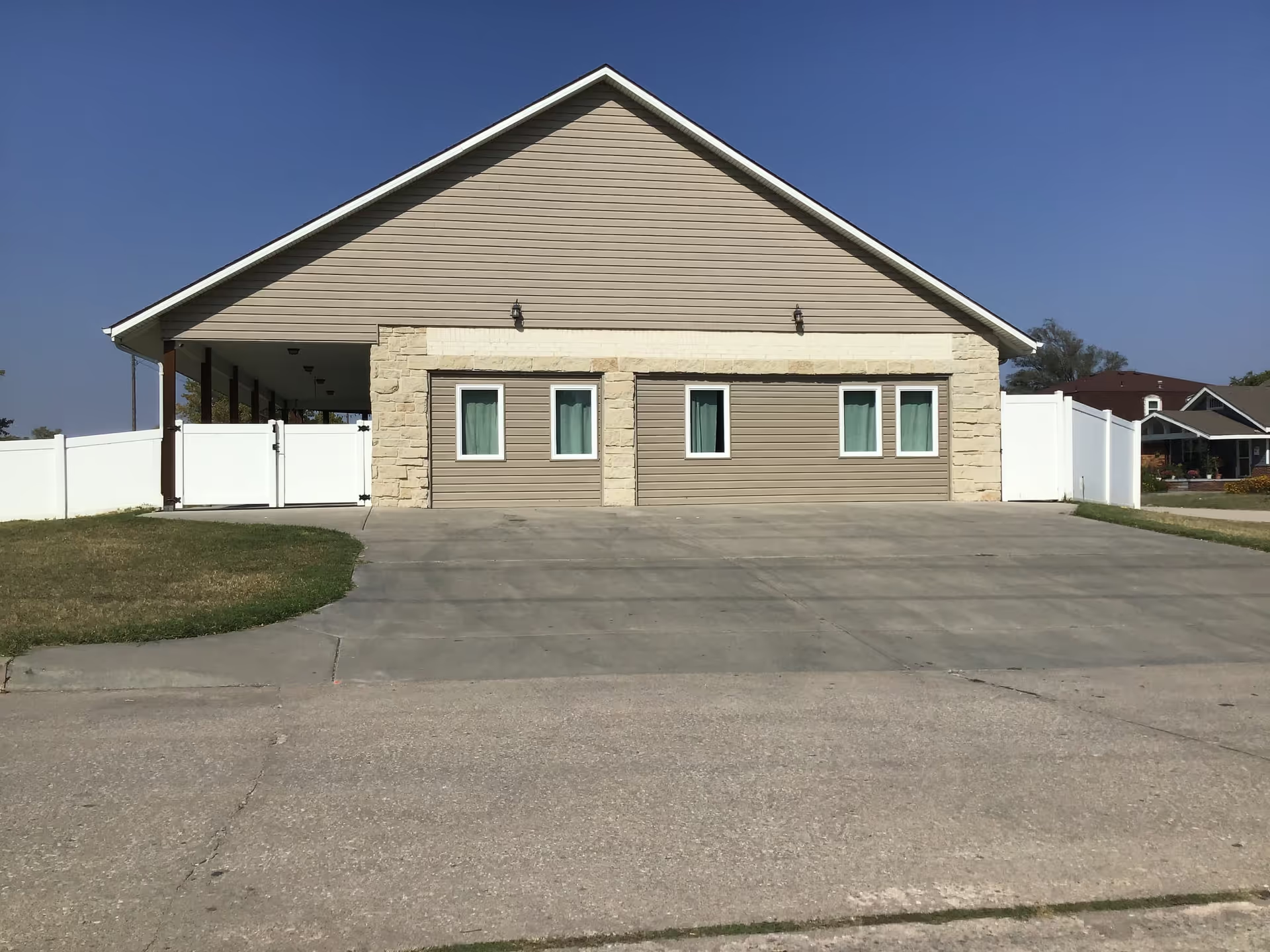
Facilities and maintenance: Many reviews emphasize clean, renovated, and comfortably furnished homes that feel more like residences than institutional settings. At the same time, a subset of comments raises sanitation concerns and notes isolated maintenance or equipment issues (for example, elevator reliability), indicating variability in environmental consistency between homes or over time.
Management and operations: Admissions coordination, Medicaid guidance, and hands-on transition support receive frequent positive mention; several families said they experienced smooth moves and clear orientation. Conversely, some reviews raise concerns about management and ownership practices, including perceptions of absentee leadership, prioritization of financial issues, and inflexibility in billing or discharge policies. Additional operational weaknesses surfaced around staff scheduling, compensation pressures, and turnover, which may contribute to the inconsistent experience across shifts or homes.
Notable patterns and considerations: The dominant theme is strong, compassionate day-to-day caregiving within a small-home model, paired with variability in clinical staffing and operational reliability. Prospective residents and families should weigh the facility's strengths in personalized, dementia-capable care, homemade meals, and hospice collaboration against the operational risks noted—particularly staffing consistency, licensed-nurse coverage, sanitation routines, and billing/discharge policies. When evaluating Keepsake Kottage, consider asking for written details about staffing ratios by shift, licensed nursing hours onsite, cleaning and infection-control protocols, staff training and turnover, emergency response procedures, and the provider's billing and discharge policies to clarify how the facility manages the operational areas flagged by some families.