Overall impression: Reviews present Lois House as a small, family-oriented assisted living community where staff behavior and interpersonal relationships are the dominant strengths. Families describe a warm, home-like atmosphere and emphasize the facility’s compassionate approach to daily care. Communication from management is characterized as clear and frequent, and owners and managers are described as accessible and directly involved in resident well‑being.
Care quality and staff: The most frequently cited strengths relate to staff demeanor and attention to residents. Care is described as individualized and delivered with patience and genuine concern; managers are noted for taking time to meet residents’ needs and for maintaining open lines of communication with families. These patterns suggest reliable day‑to‑day supervision and strong caregiver–resident rapport. At the same time, the review language points to a small, intimate staffing model; prospective families should confirm clinical staffing levels and on‑site clinical capabilities if higher-acuity medical needs are expected.
Dining: Review summaries do not provide detail about meals, menu variety, or nutritional programming. Given the absence of substantive commentary, families should request sample menus, dietary accommodation policies, and meal-service schedules during a tour to assess whether the dining program meets specific nutritional or therapeutic needs.
Activities and social life: Reviewers consistently highlight outings and social activities as positive contributors to residents’ quality of life. The activity program appears to emphasize social engagement and community outings, which many families found beneficial. If therapeutic or rehabilitation‑focused programming is required, ask about the availability of structured cognitive, physical, or occupational therapy options in addition to social activities.
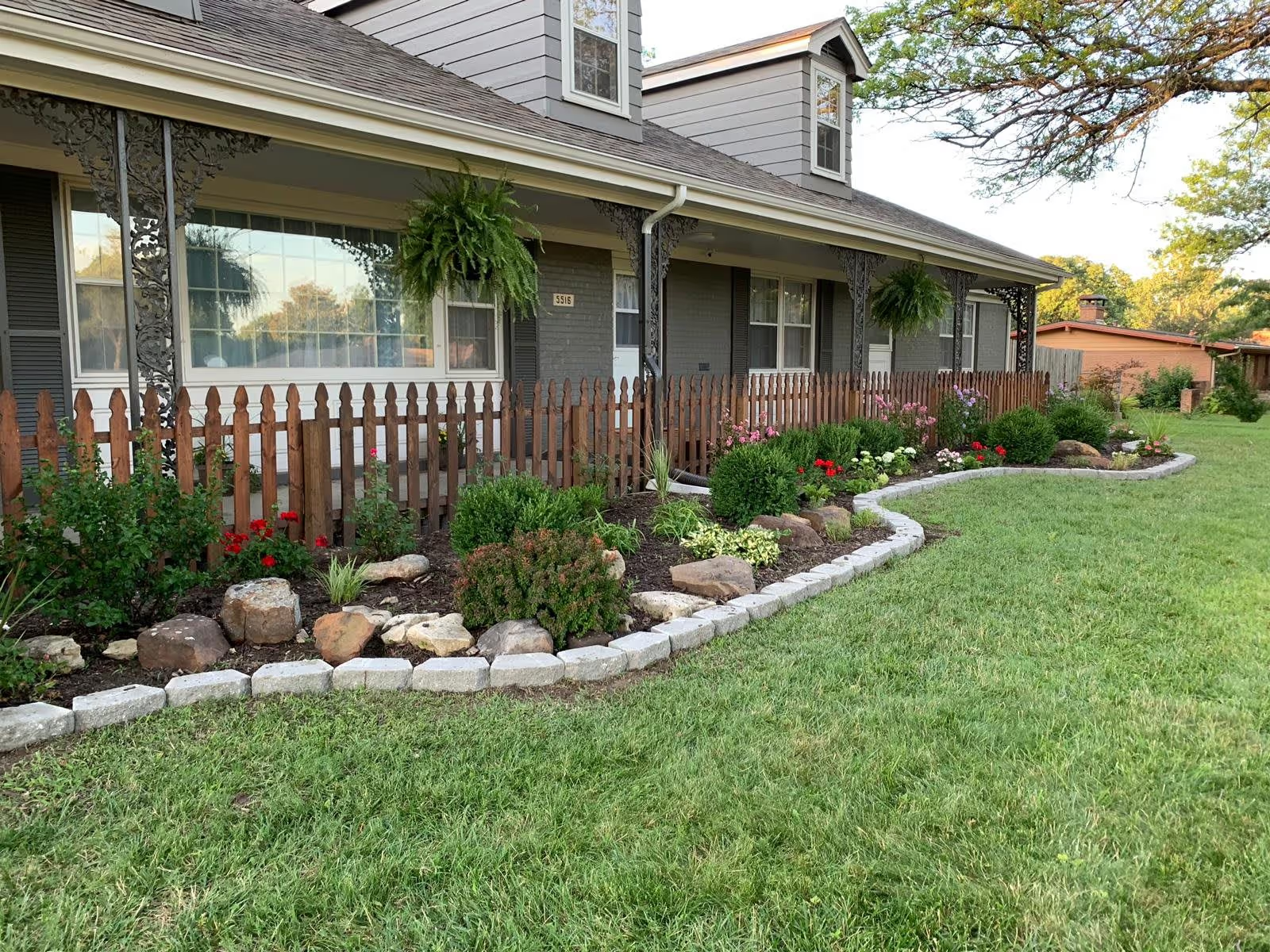
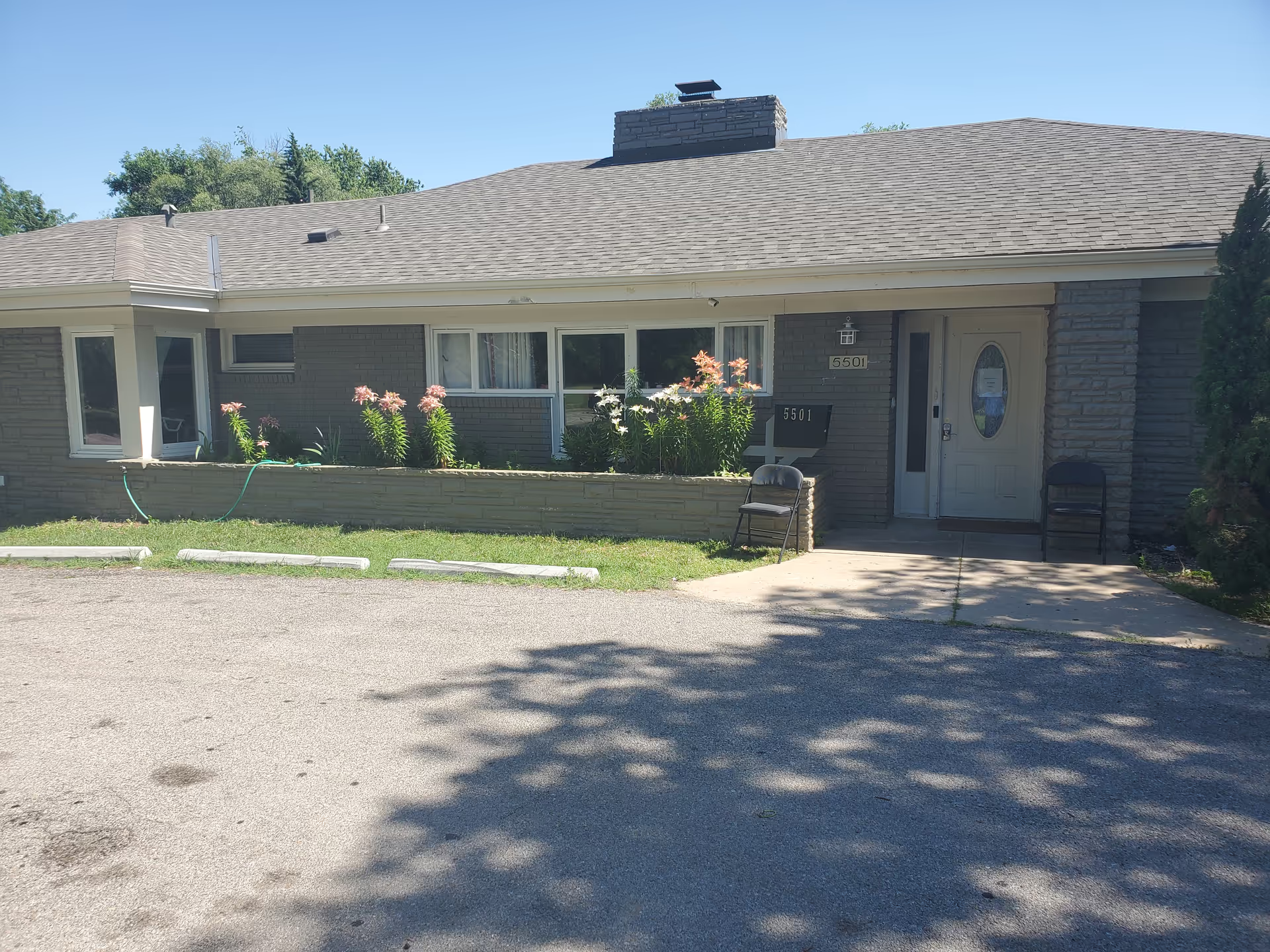
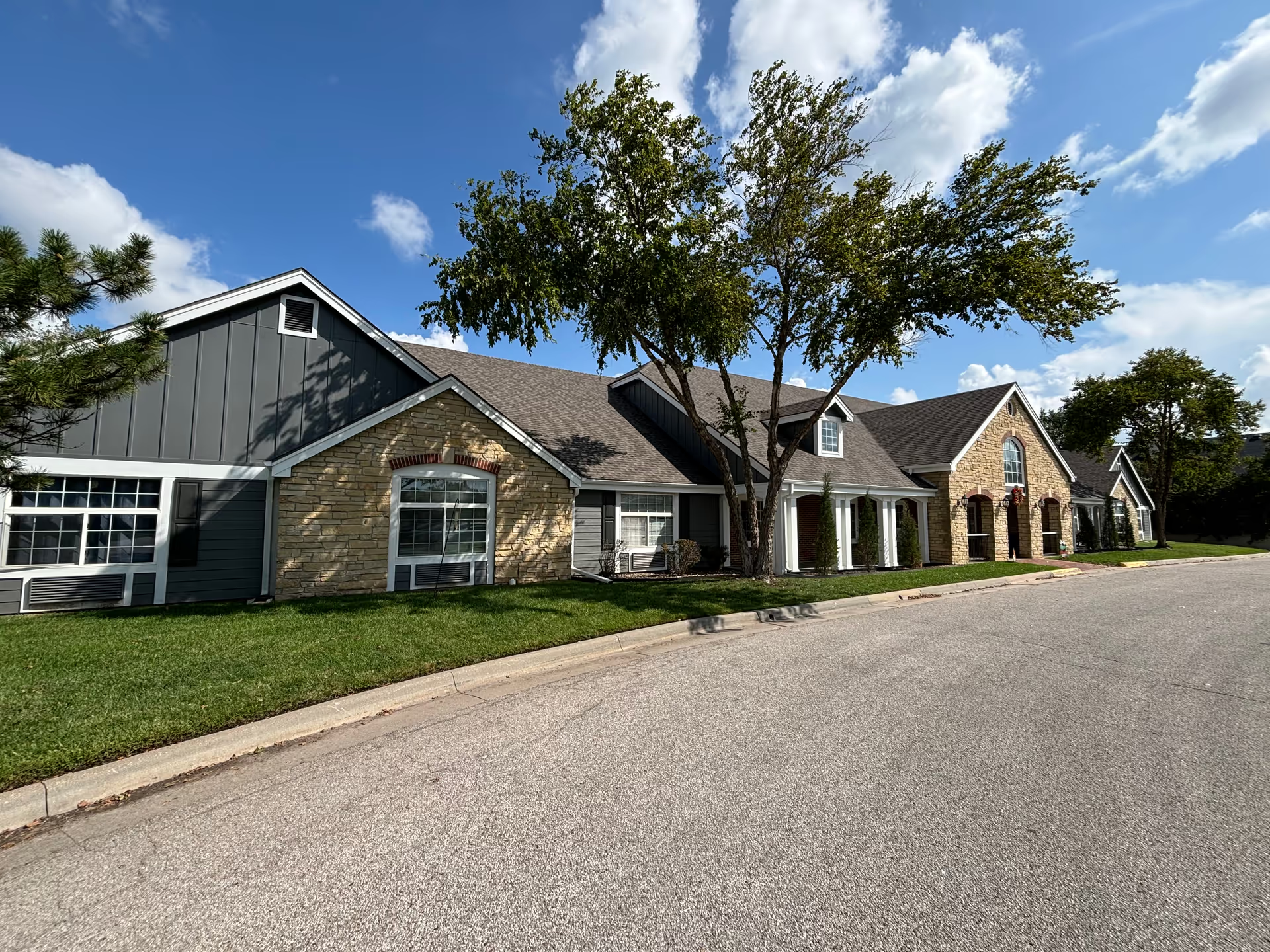
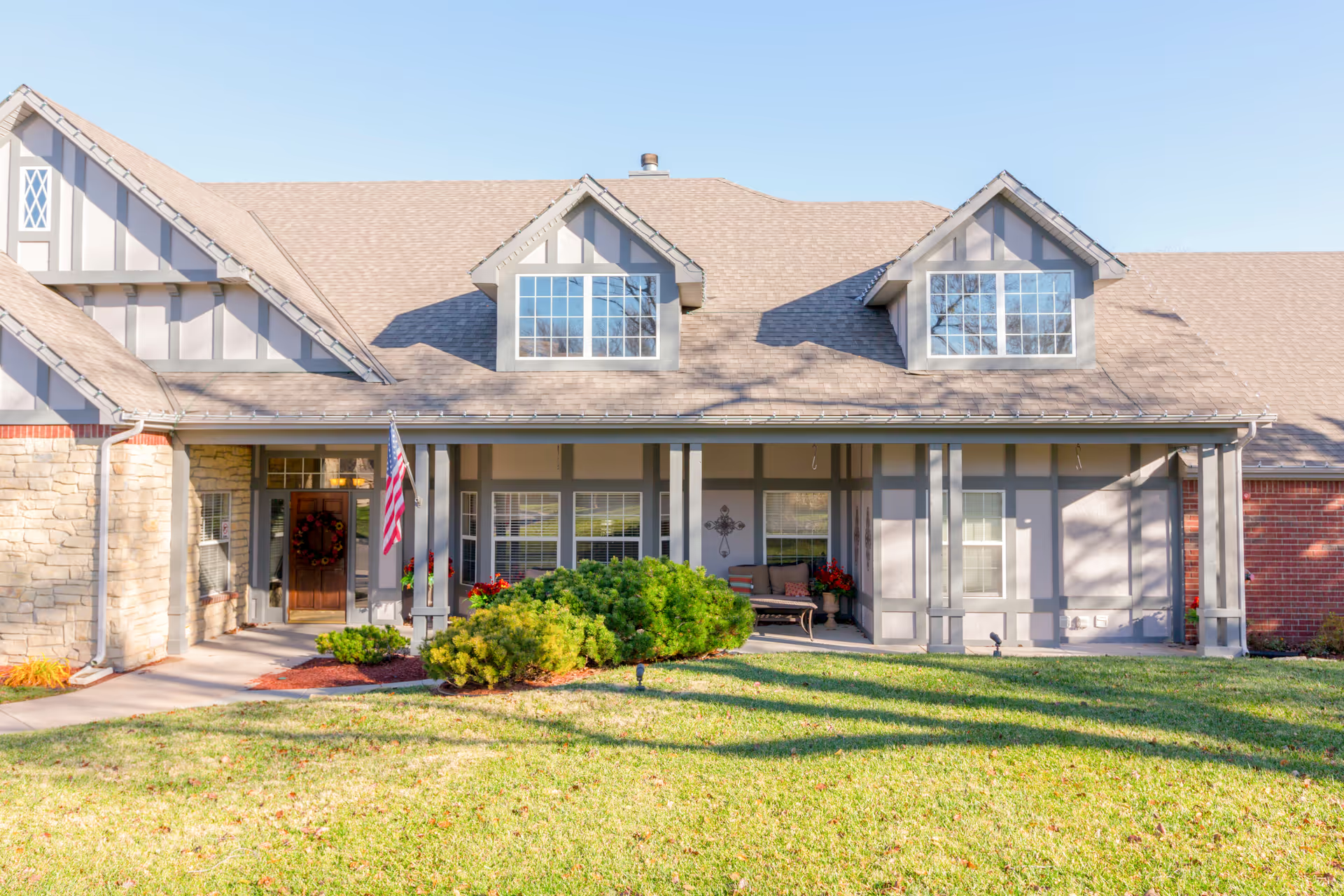
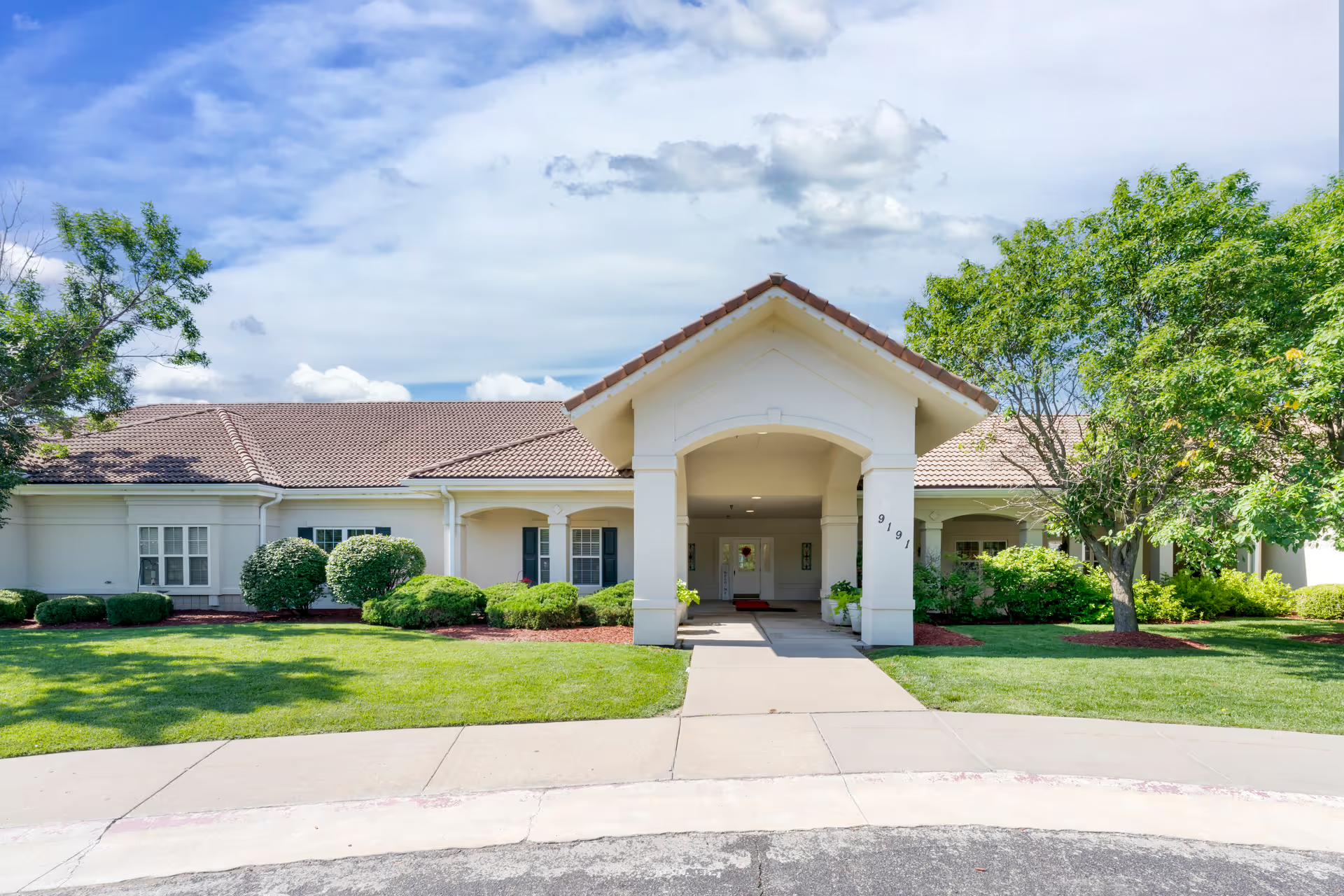
Facilities and environment: Descriptions emphasize a warm, home‑like setting rather than an institutional atmosphere. This can be an advantage for residents who respond well to a small, familiar environment. Visitors should evaluate physical accessibility, safety features, and the condition of common and private areas in person, since reviews focus more on interpersonal care than on built‑environment details.
Management and notable patterns: Management communication and owner involvement are recurring positives; families report transparent updates and the ability to speak directly with decision‑makers. That level of personal involvement is a strength for families who value responsiveness, but it can also indicate operational dependence on key individuals. Prospective residents should inquire about formal policies, staff training, backup supervision, and contingency plans to understand how continuity of care would be maintained if primary staff members are unavailable.
Actionable guidance: Lois House appears well suited to residents who prioritize compassionate, relationship‑based care in a home‑style setting and who do not require advanced on‑site medical services. During a visit, confirm clinical staffing patterns and credentials, review emergency and medication‑management protocols, inspect the dining program and sample menus, and request a calendar of activities including any therapeutic offerings. These checks will help determine whether the facility’s strengths align with a prospective resident’s clinical and social needs.