Overall impression: Reviews present a facility with consistently strong interpersonal strengths alongside several operational weaknesses. Many families and visitors emphasize the quality of day-to-day caregiving: staff are frequently characterized as compassionate, upbeat, and engaged with residents, and families describe effective communication and visible improvement in some residents’ condition. The administrative tone is often described as polite and knowledgeable, and hospice and family-communication supports are available.
Care and staff: The dominant positive theme is the staff-resident relationship. Caregivers are repeatedly praised for genuine concern, regular engagement, and teamwork that creates meaningful daily stimulation. These relational strengths appear to translate into observable resident progress for some families. However, operational staffing limitations emerge as a counterpoint. Reviews indicate limited clinical coverage (notably no on-site RN in some periods) and episodes of short staffing and high turnover. Those operational issues are associated with uneven service delivery, periods where cleaning and meal service suffered, and perceptions of inconsistent staff engagement.
Dining and activities: The programmatic aspects of the community are a clear strength. Residents have access to a range of activities, frequent outings, and on-site amenities such as a beauty salon; volunteers/academic groups were noted as contributing to programming. Many reviewers appreciated the apartment-like feel and the presence of kitchenettes in rooms. Dining opinions are mixed: the facility provides meals in a dining room and families value the social meal setting, but multiple reviews raised concerns about food quality and inconsistent dining satisfaction.
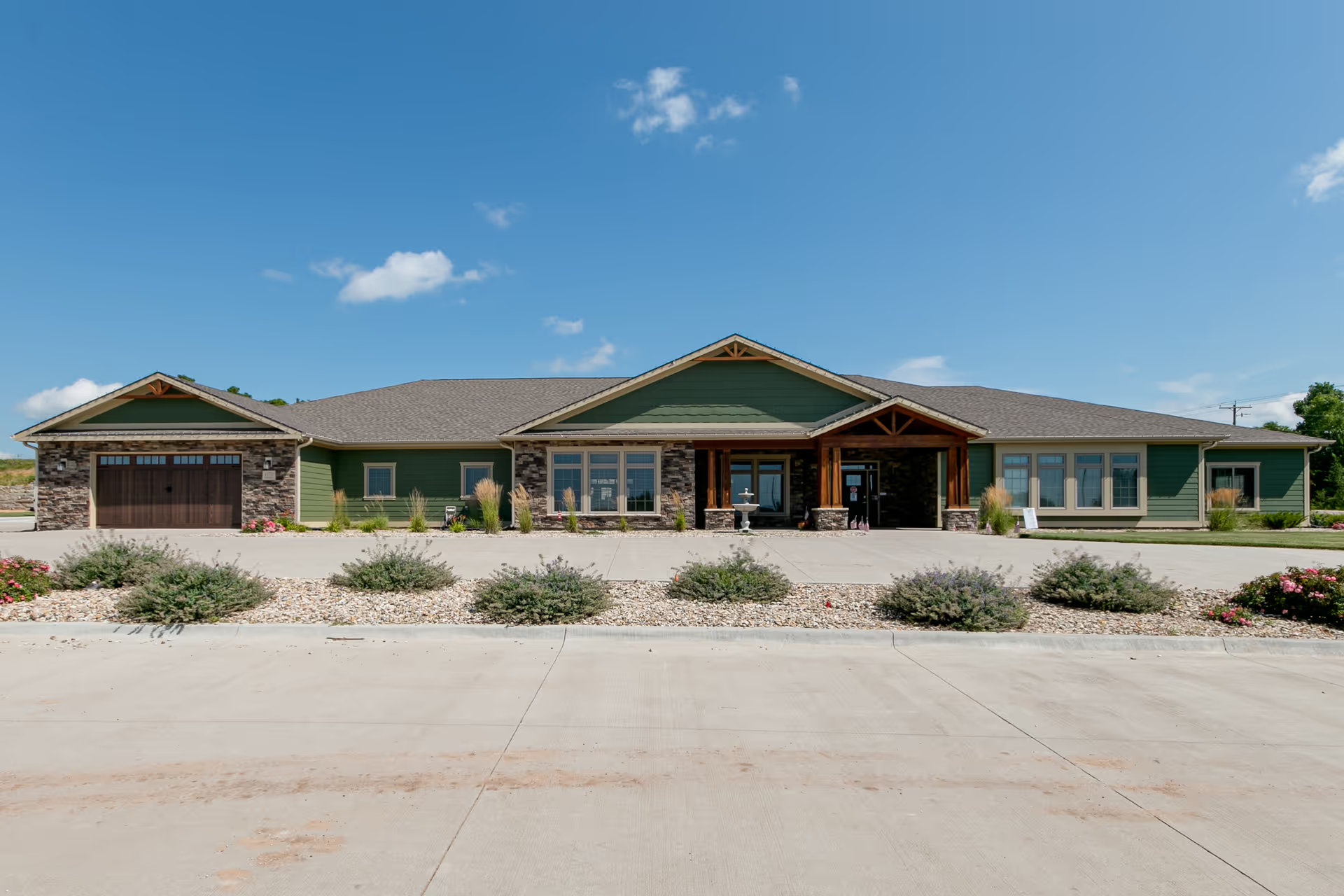
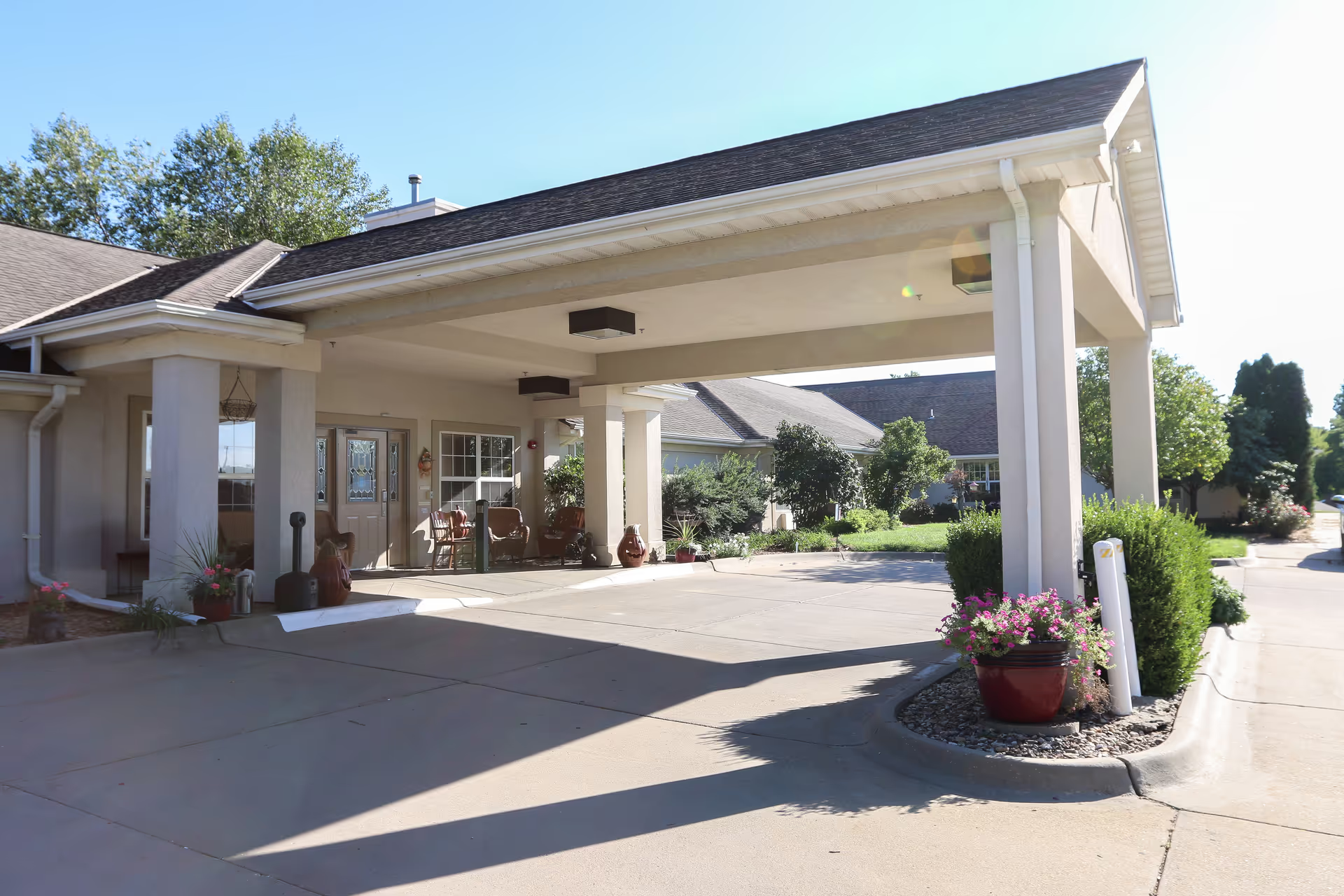
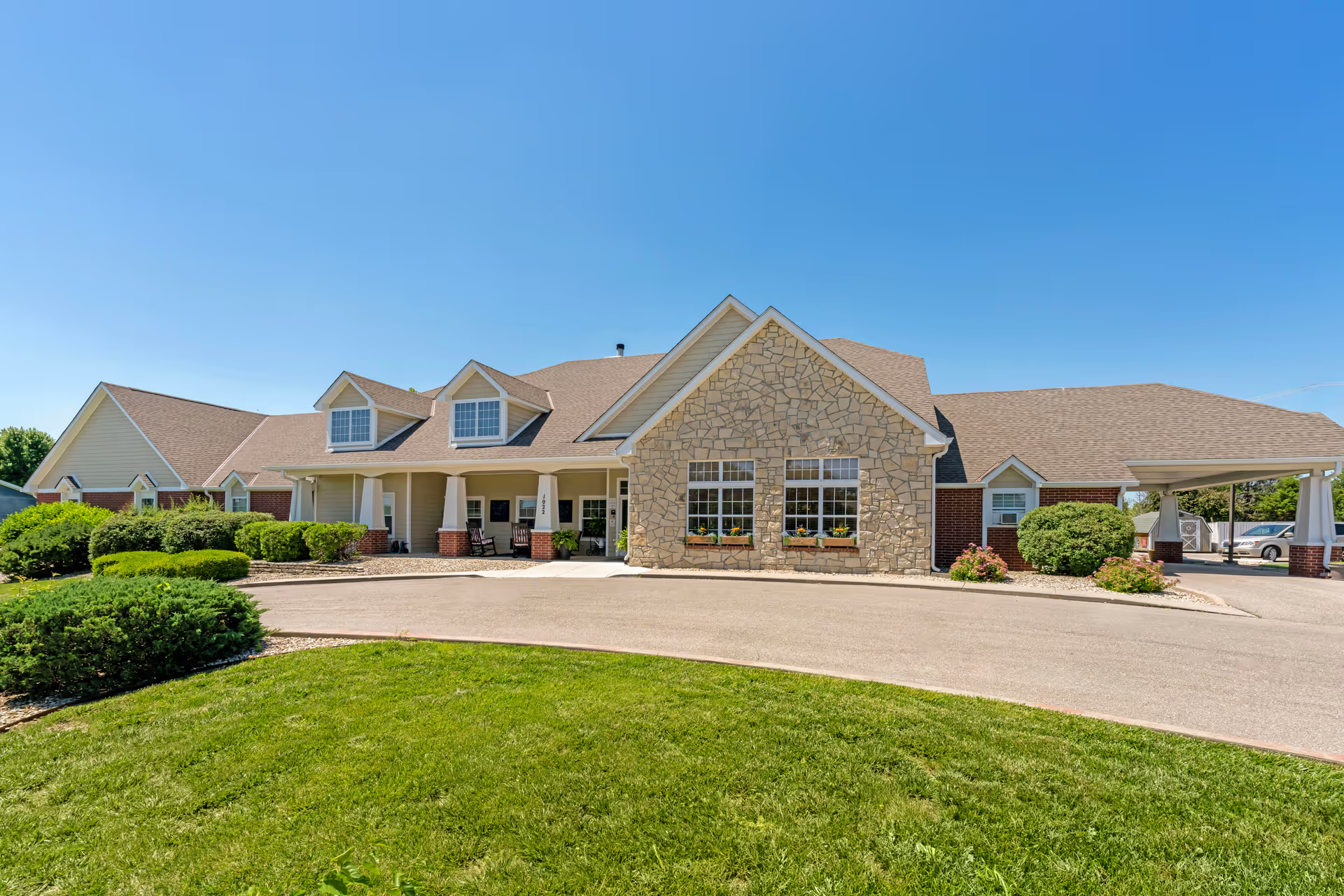
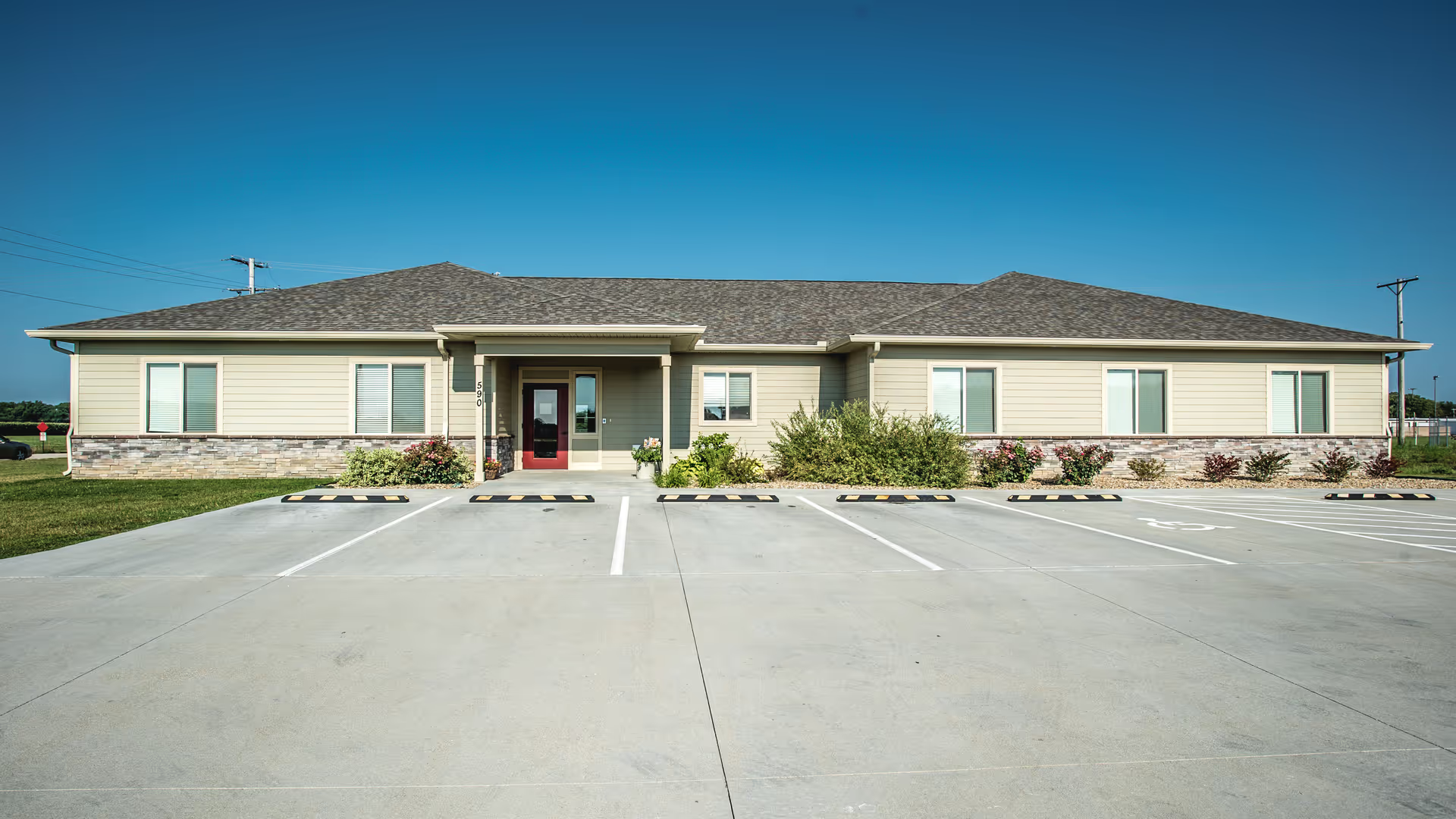
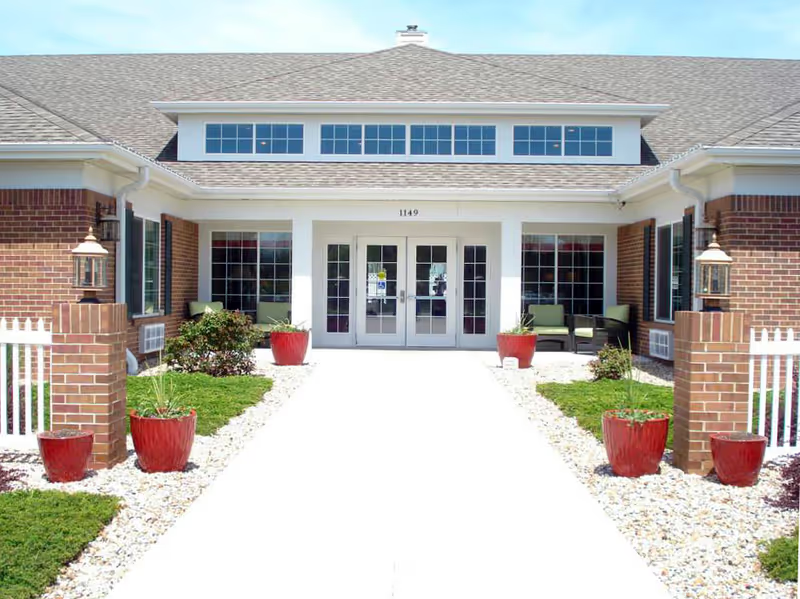
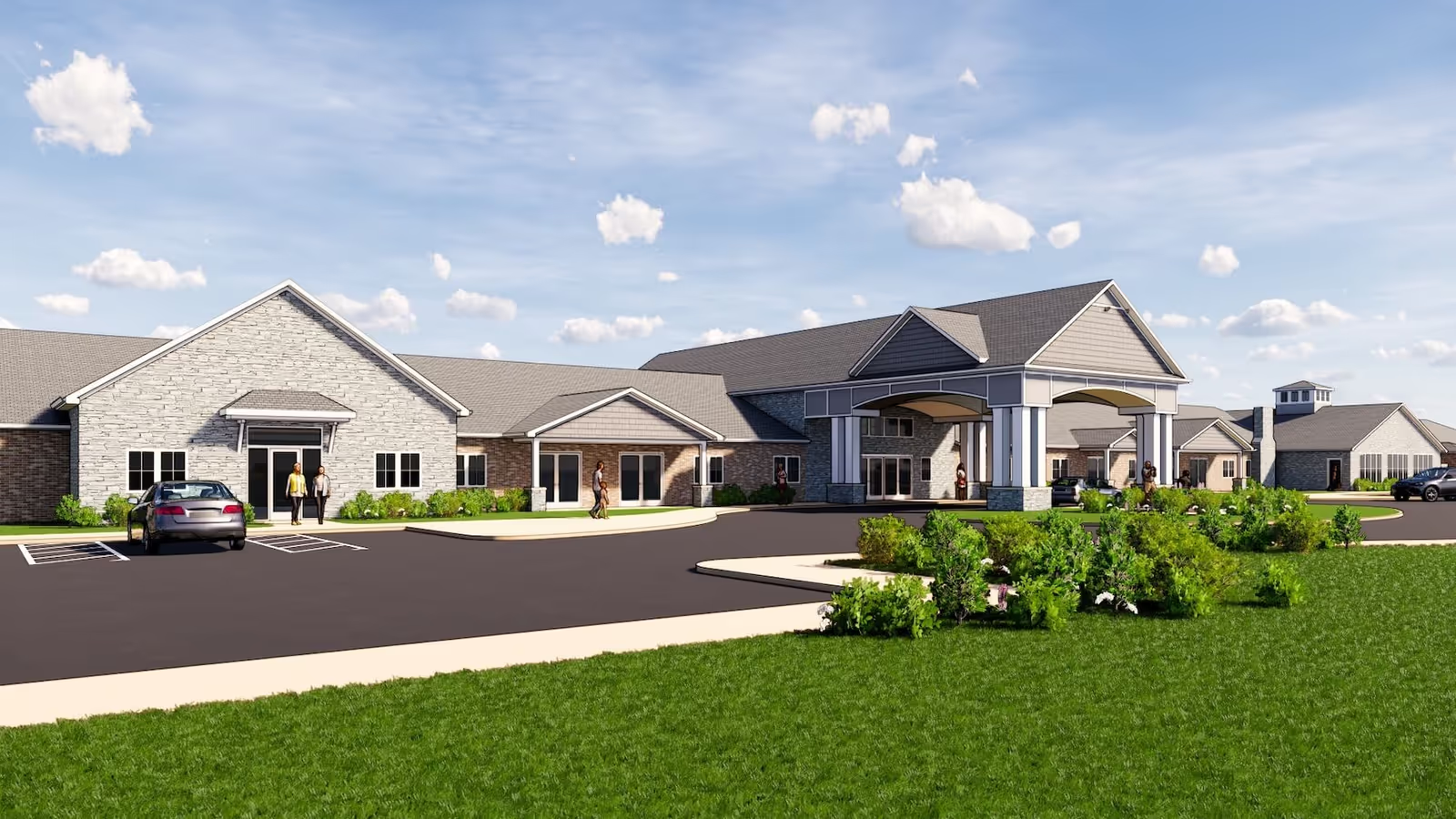
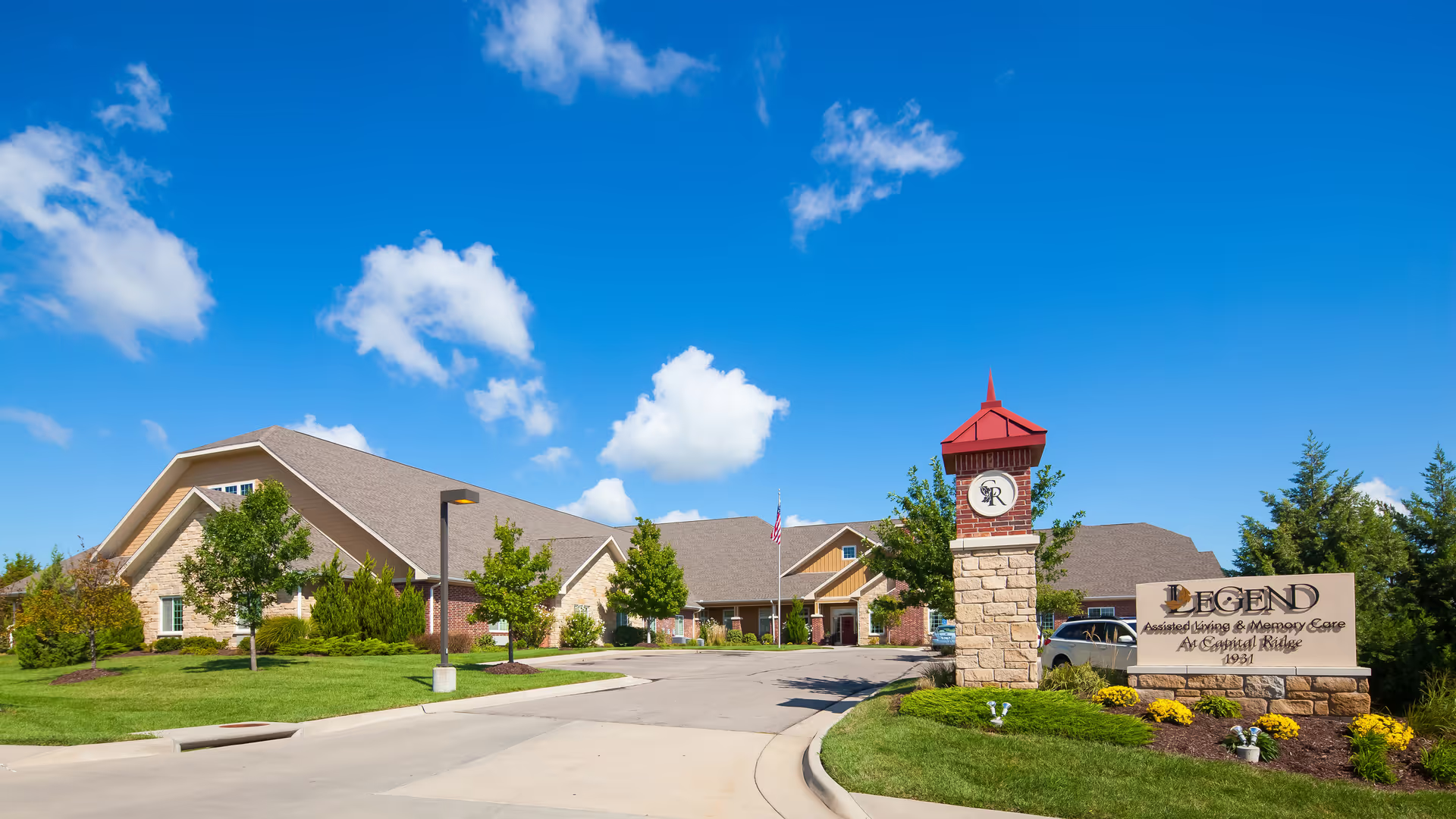
Facilities and environment: Physical attributes receive both praise and critique. The building is frequently described as quiet, hotel-like, and well-maintained in public areas; rooms with kitchenettes and accessible bathrooms with radiant heating were noted positively. At the same time, several comments point to dated sections that would benefit from renovation and to historical housekeeping lapses that at least some families felt needed attention. Accessibility features and apartment-style accommodations are strengths for those seeking a less institutional feel.
Management and patterns: Management was described positively by some (knowledgeable, communicative administrators) but others reported inconsistent leadership and communication problems, including concerns about transparency and personnel decisions. High staff turnover and reports of short staffing create variability in experience: some families encountered warm, reliable teams while others experienced gaps in responsiveness or uneven care. Cost and value also arose as a theme—some reviewers suggested rates may be higher relative to the level of upkeep and dining quality they experienced.
Bottom line: For families prioritizing compassionate, relationship-driven care and apartment-style living with active programming, this community shows many strengths. Prospective residents and families should balance those interpersonal and amenity positives against operational considerations: verify current clinical staffing patterns (RN coverage), ask about staff turnover and retention strategies, review housekeeping and dining policies, and tour recently updated versus older areas of the building to assess fit and value for cost.