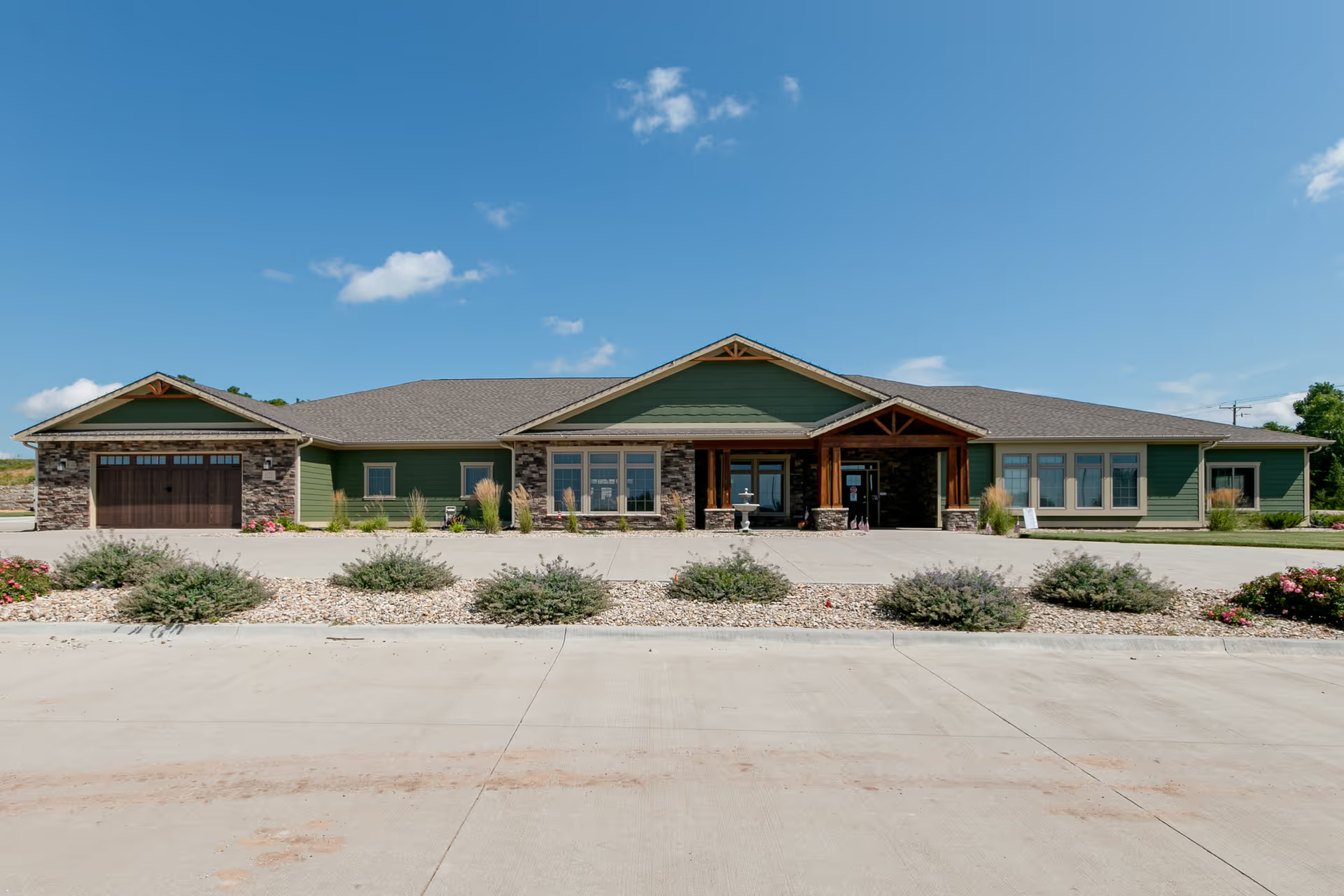
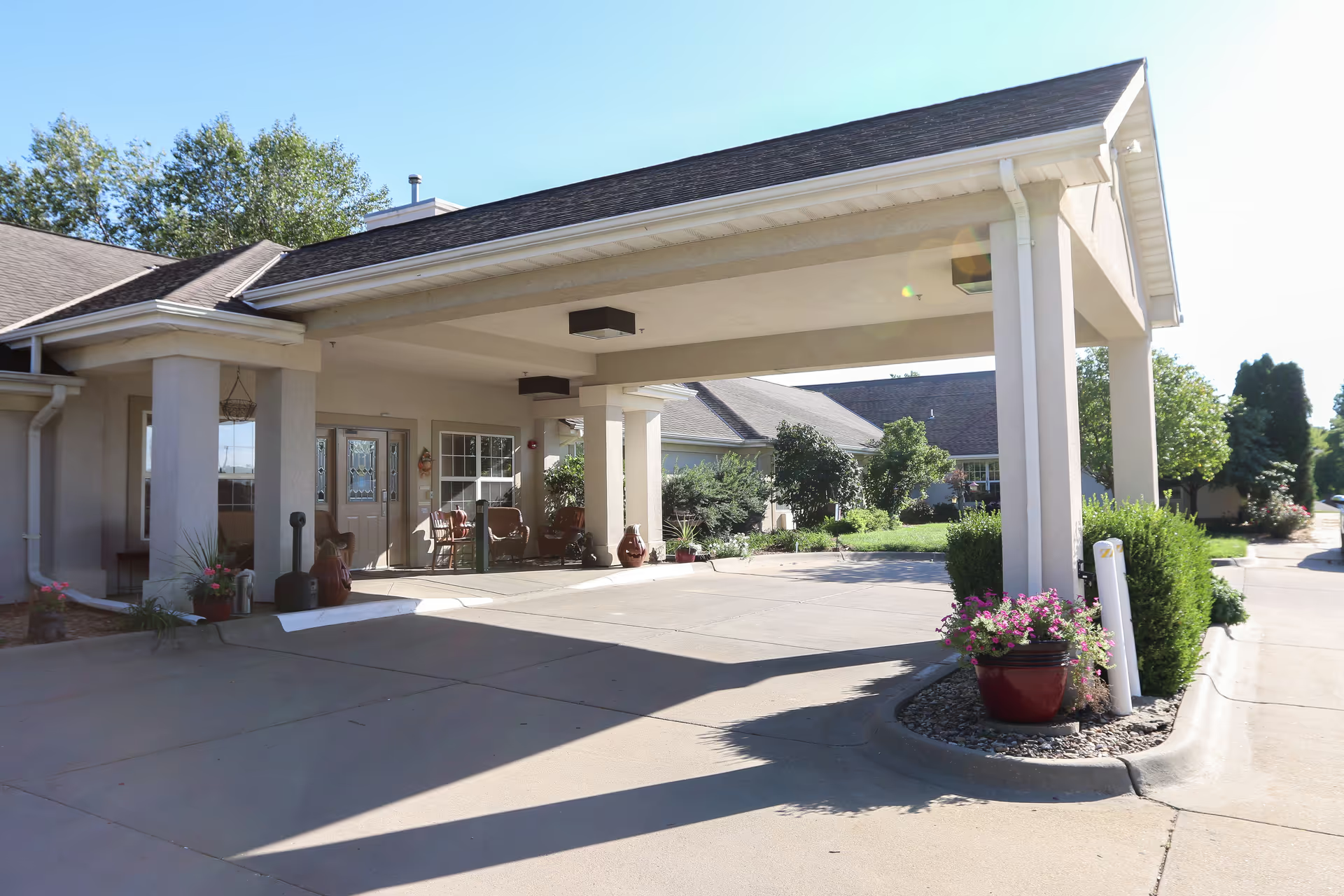
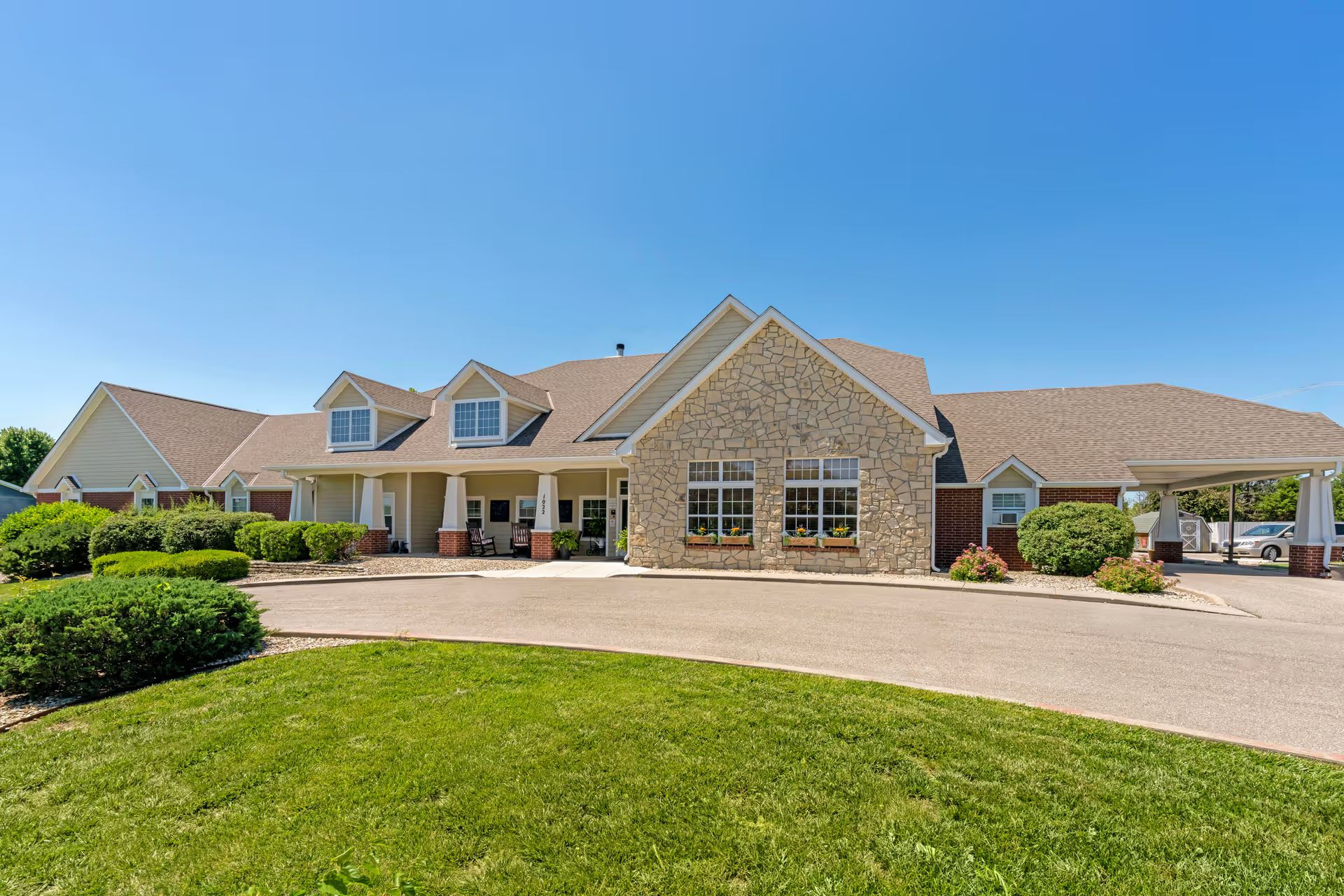
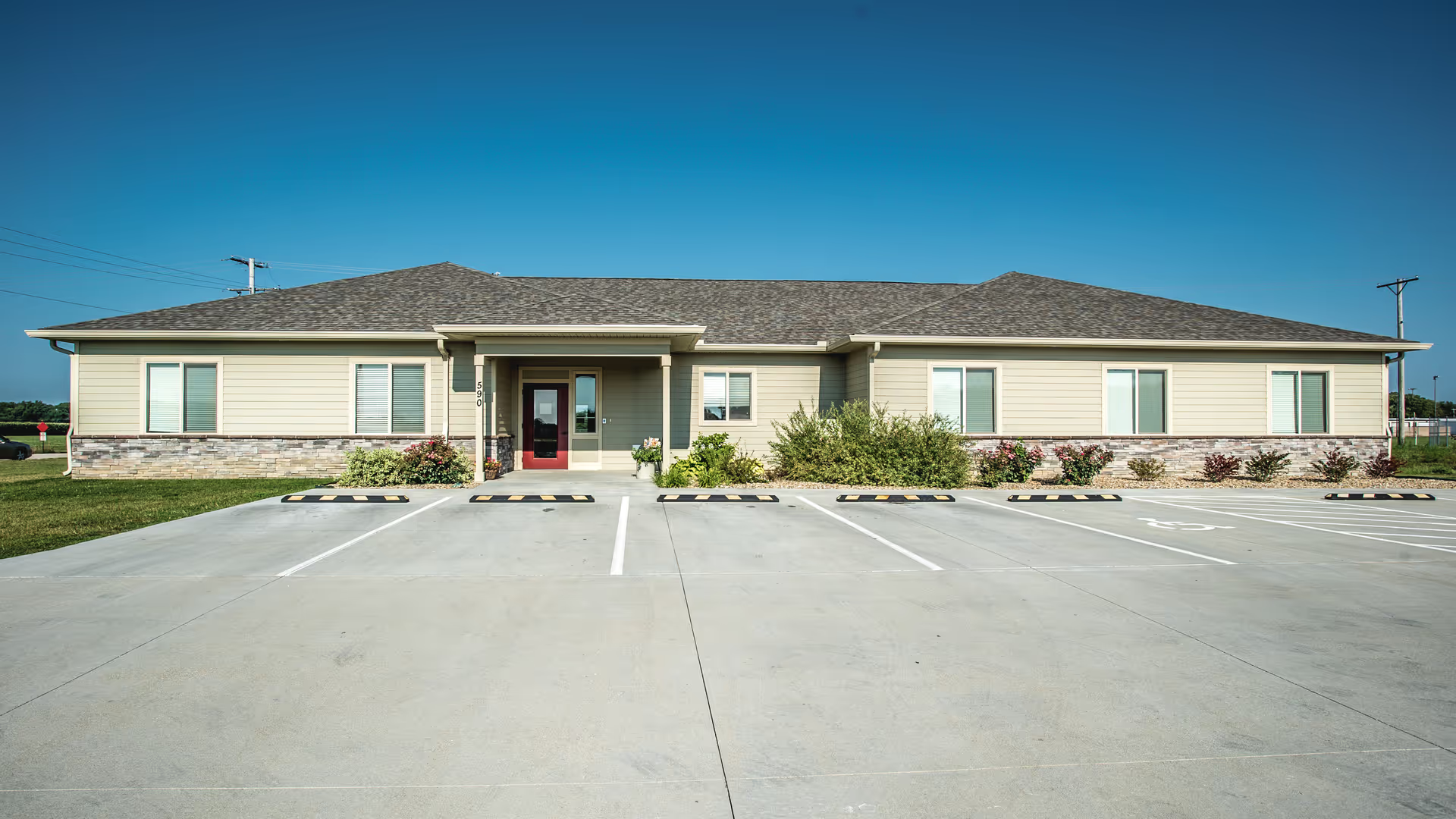
Meadowlark Hills presents as a large, full‑service retirement campus offering a broad continuum of care from independent living through assisted living and skilled nursing. It is commonly described as a scenic, well‑maintained facility with multiple social and cultural amenities — including a theater, cafés, dining venues, barber/beauty services, and organized campus-wide activities and classes — that support a socially active lifestyle. Many accounts emphasize on‑site clinical resources (doctors, dental, RNs, therapy services) and administrative assistance with care and insurance planning, which are strengths for families seeking a single-location solution.
Direct-care staff are frequently characterized as caring, personable, and knowledgeable; reviewers highlight supportive rehabilitation programs (including Parkinson’s therapy), robust activity programming, and opportunities for family dining and socialization. Dining is generally viewed positively, with multiple venue options and space for family visits. The campus scale and variety of amenities appeal to residents looking for an engaged, resort-style community with accessible transportation to appointments.
At the same time, the reviews reveal notable patterns of operational concerns. Several accounts point to inconsistent responsiveness from staff and variability in staff demeanor — some aides are described as energetic and compassionate, while others appear fatigued or brusque. There are also recurrent concerns about clinical consistency, including wound/skin‑care outcomes and episodic quality gaps, which suggest families should confirm current clinical staffing ratios and protocols. Reviewers cite restrictive or unevenly applied visitation practices and instances where mobility equipment or policies constrained resident independence; these indicate that family access and restraint/equipment policies merit discussion during touring.
A subset of reviews raises serious allegations regarding documentation integrity and financial conduct; because these are potentially significant, prospective residents and families should review the facility’s regulatory inspection history, ask about incident resolution processes, and request written policies on documentation, financial safeguards, and grievance procedures. Other practical considerations include reports of high medication costs or limited billing transparency and the potential for scale to reduce individualized attention in such a large campus. Overall, Meadowlark Hills combines substantial amenities and clinical resources with a mixed picture on consistency of care and management practices; due diligence on current staffing, clinical outcomes, visitation rules, and financial transparency is advisable for prospective residents and their families.