Reviews describe a facility with clear strengths in direct caregiving and certain program elements, alongside operational weaknesses that affect consistency of care. Many families praise the frontline staff as compassionate, attentive, and long-tenured; multiple comments describe residents who are happy, smiling, and thriving after placement. The memory-care unit is highlighted positively by several families for social integration and resident engagement when the program is working well. Families also note strengths in admissions (including furnished temporary apartments), supportive communication from some managers and executive leadership, and an activities director who organizes classes and events.
Care-quality impressions are mixed. Positive accounts emphasize respectful, dignified interactions, good family communication, and effective dementia-support in individual cases. However, other reviews raise serious concerns about medication administration and clinical oversight, including at least one described medication-administration incident. Reviewers also cite limited staff capacity and uneven training in dementia-specific care, which is associated with difficulty managing dementia-related behaviors and delays in personal-care assistance. These patterns suggest variability in clinical reliability and responsiveness depending on staffing and training availability.
Dining and activities show a similar split. Food is frequently described as visually appealing with good variety, and some residents enjoy the meals; a minority find the food bland. Activities exist — cooking classes, bingo, outdoor time and organized programs — and the activities director is regularly mentioned as a positive presence. Yet reviewers also describe inconsistent encouragement to participate, low stimulation for some residents, and many residents spending extended periods in their rooms, indicating variability in program reach and resident engagement.
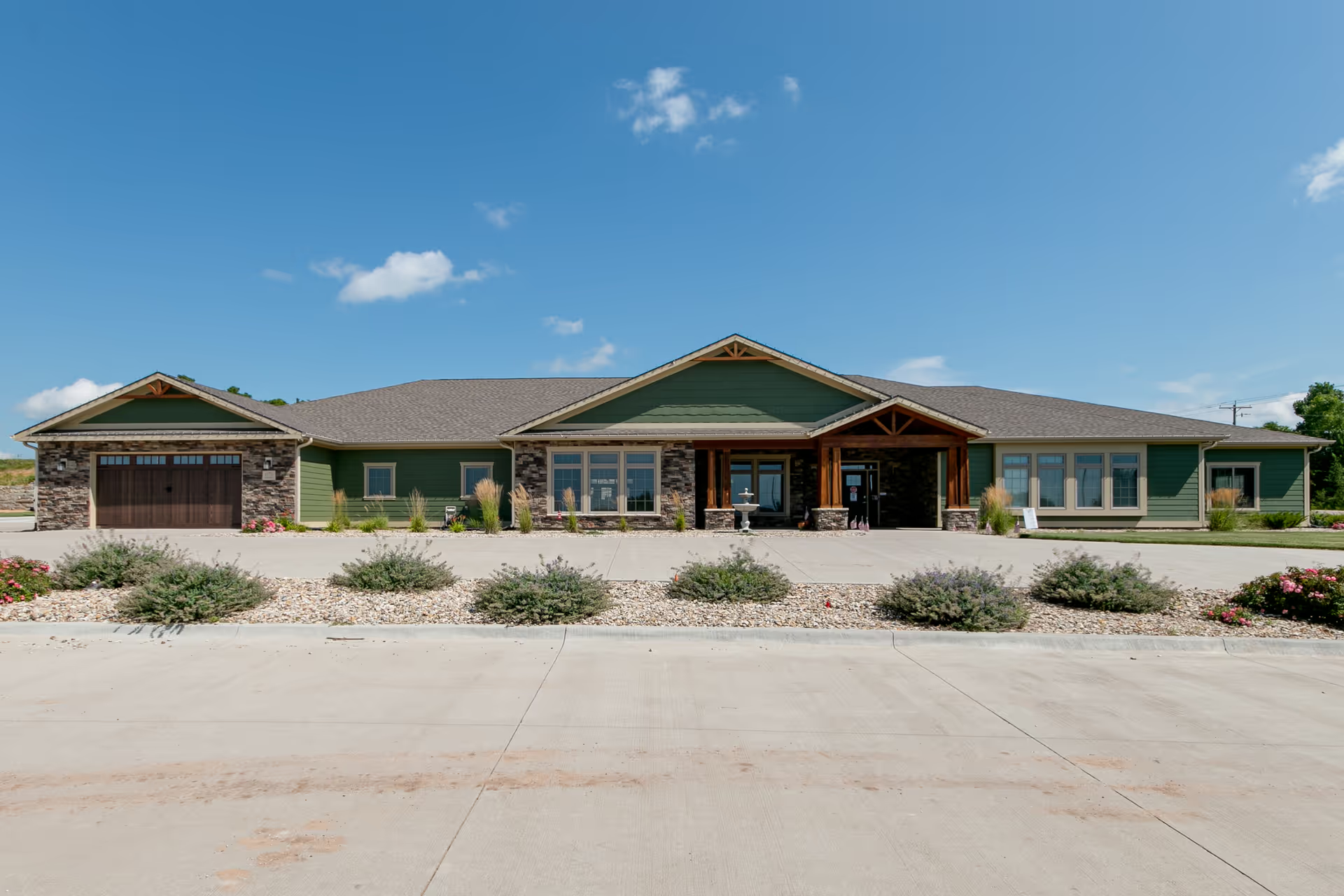
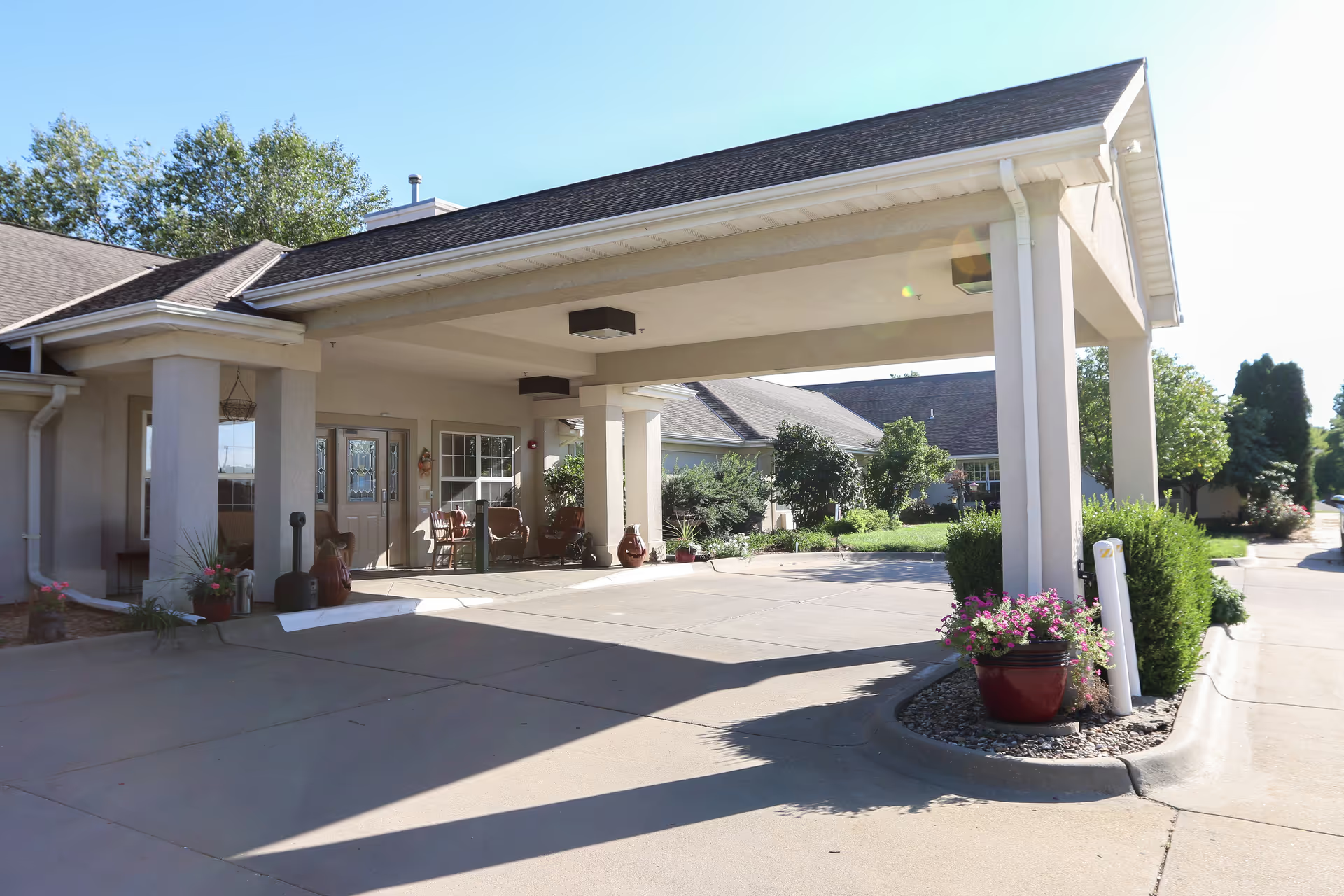
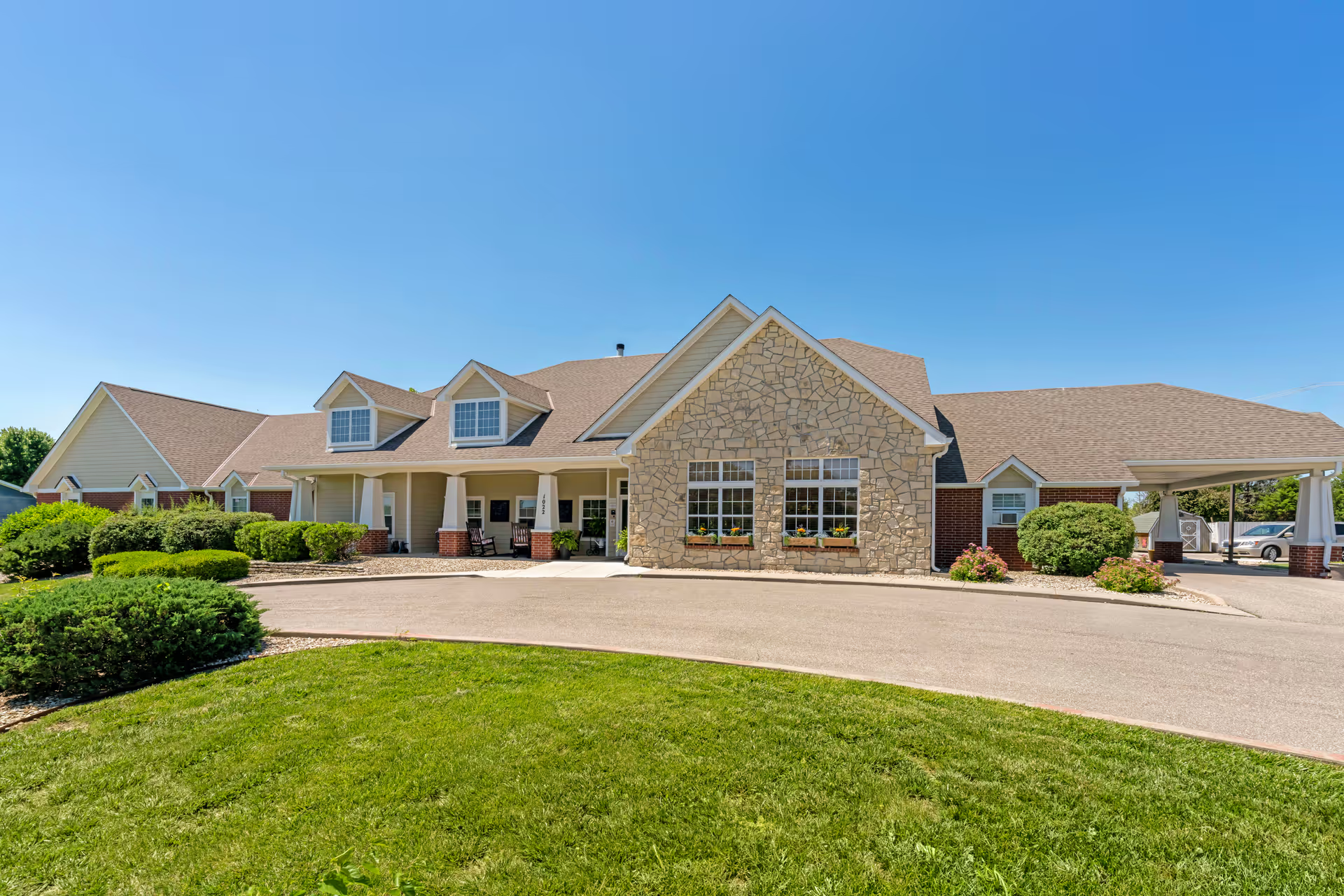
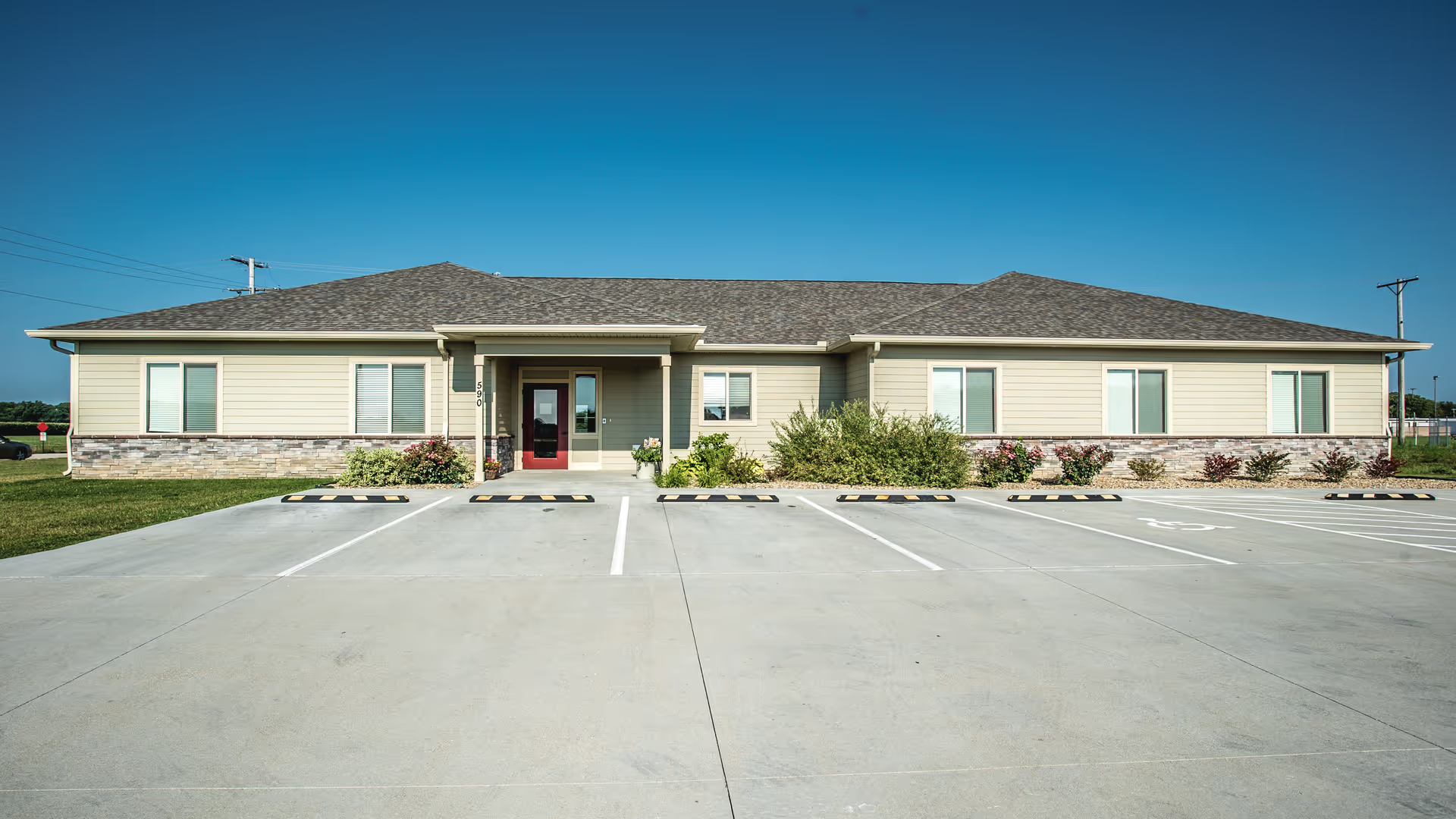
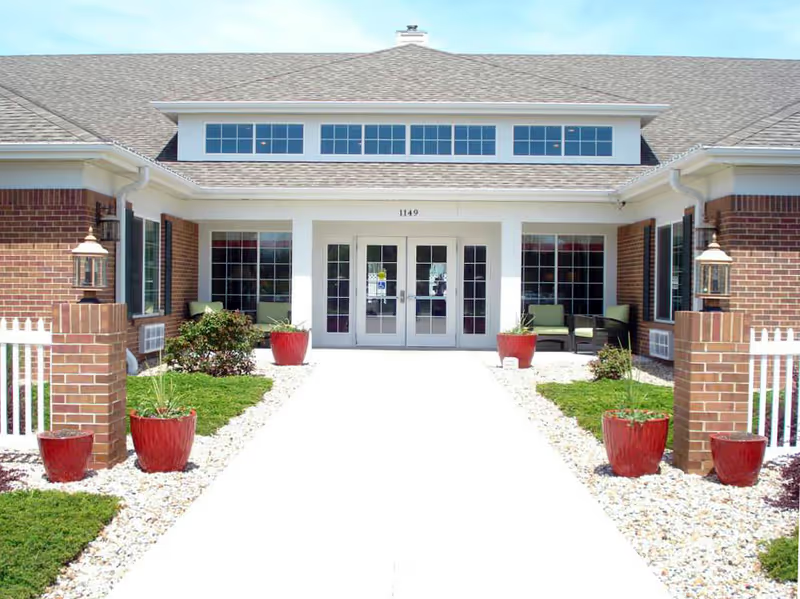
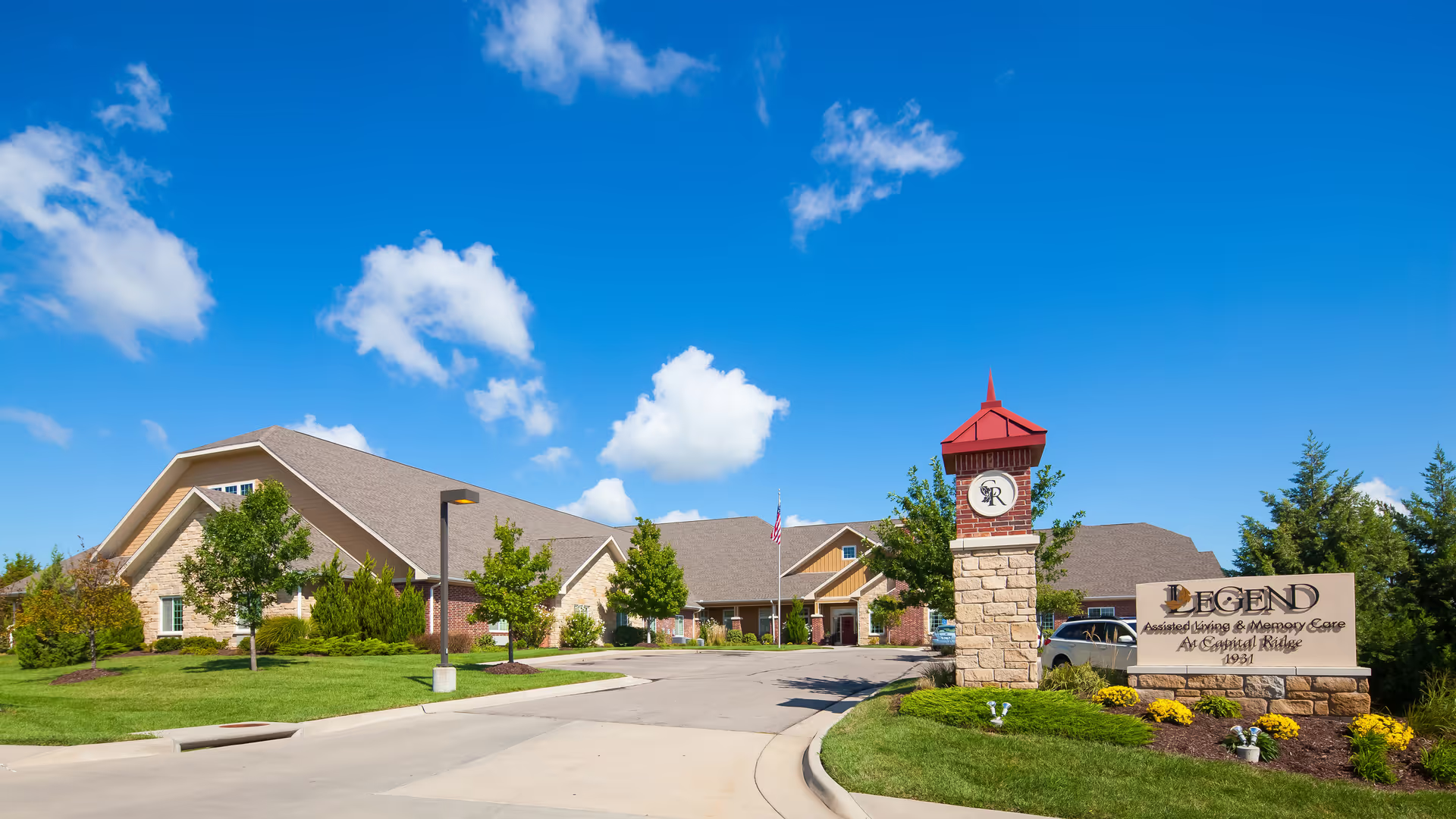
Facilities and maintenance combine positive and negative elements. The building and rooms are often described as comfortable and appropriately sized, and common areas are noted as clean with a pleasant smell. At the same time, reviewers note wear-and-tear (narrow, long corridors, visible aging) and inconsistent housekeeping or maintenance follow-through (delayed repairs, hallway vacuuming). These discrepancies point to an environment that is generally adequate but uneven in upkeep.
Management and operations show contrasting impressions. Some families single out an engaged executive director and responsive nursing or management staff who keep families informed and prioritize resident dignity. Conversely, administrative accessibility — particularly finance and billing — is described as difficult to reach by several reviewers, and there are comments about slow responses to routine requests. Safety-monitoring gaps (for example, inconsistent supervision of higher-risk behaviors) and delays in personal-care tasks further indicate operational areas that would benefit from stronger protocols, staffing stability, and training.
Overall, prospective residents and families should weigh the facility’s strong culture of compassionate frontline caregiving and certain programmatic strengths against evidence of operational variability. Key decision points include confirming current staffing levels and dementia-care training, asking about medication-administration safeguards and incident-response protocols, touring multiple parts of the building to evaluate maintenance and cleanliness consistency, and discussing communication pathways with administration and finance prior to admission.