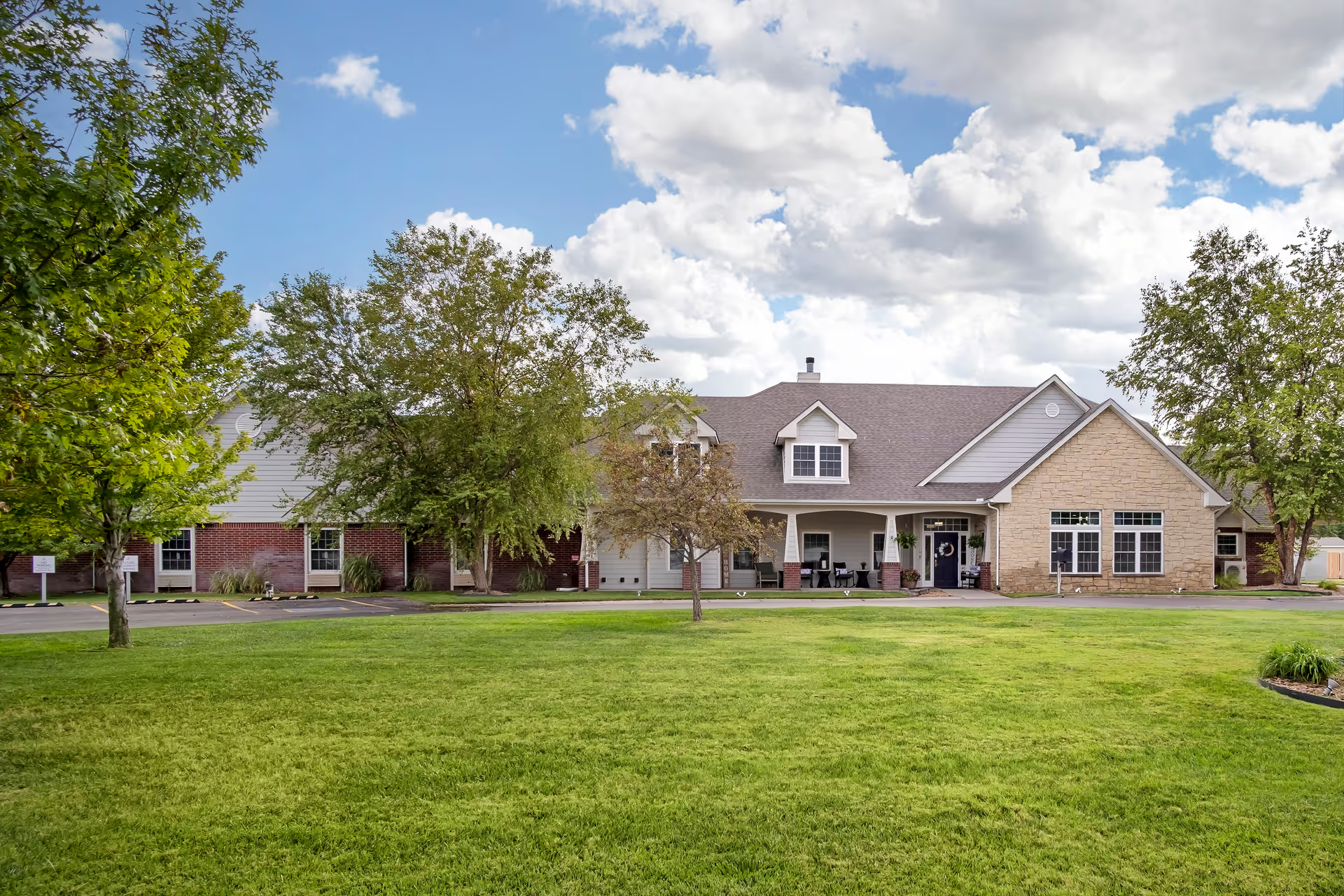
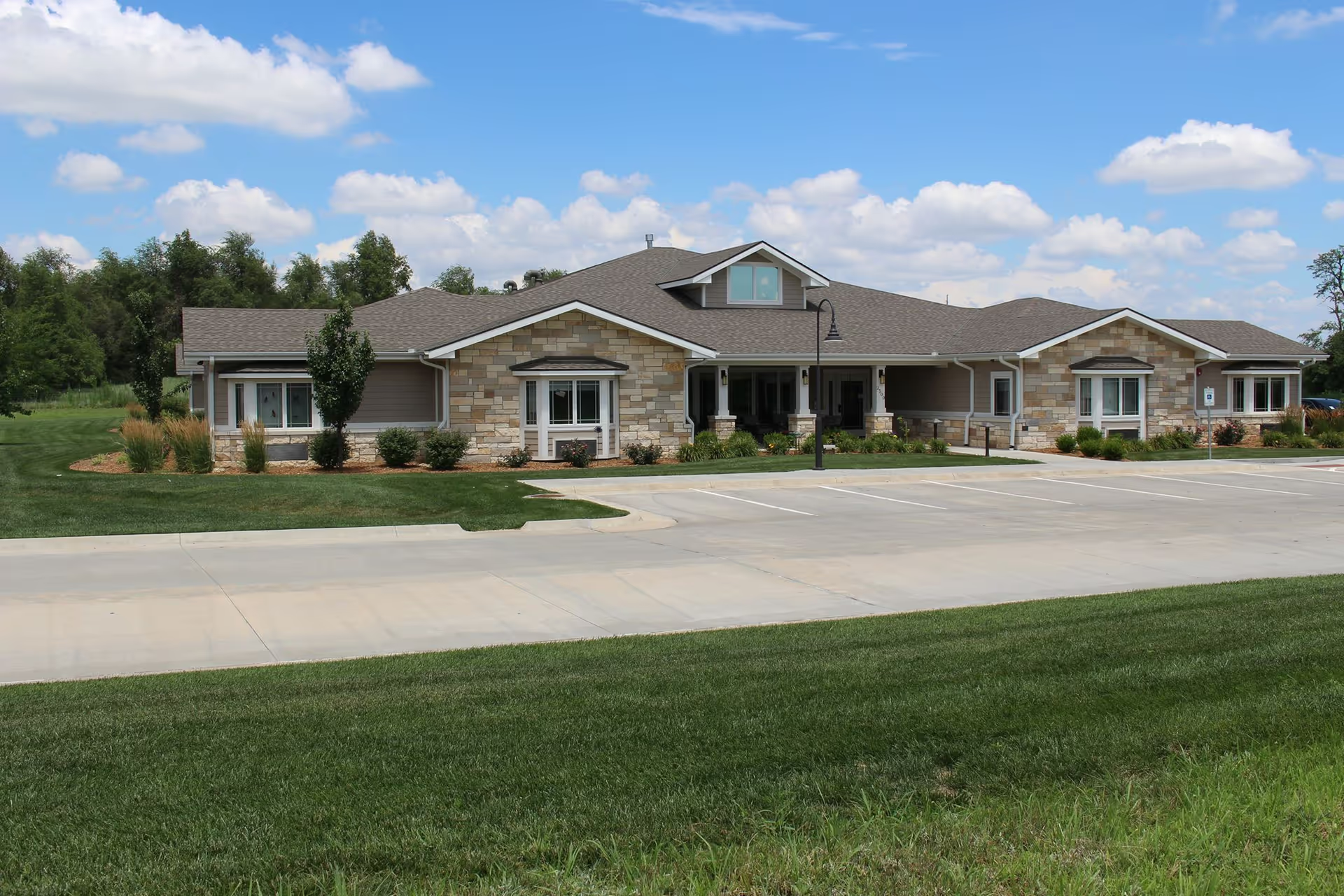
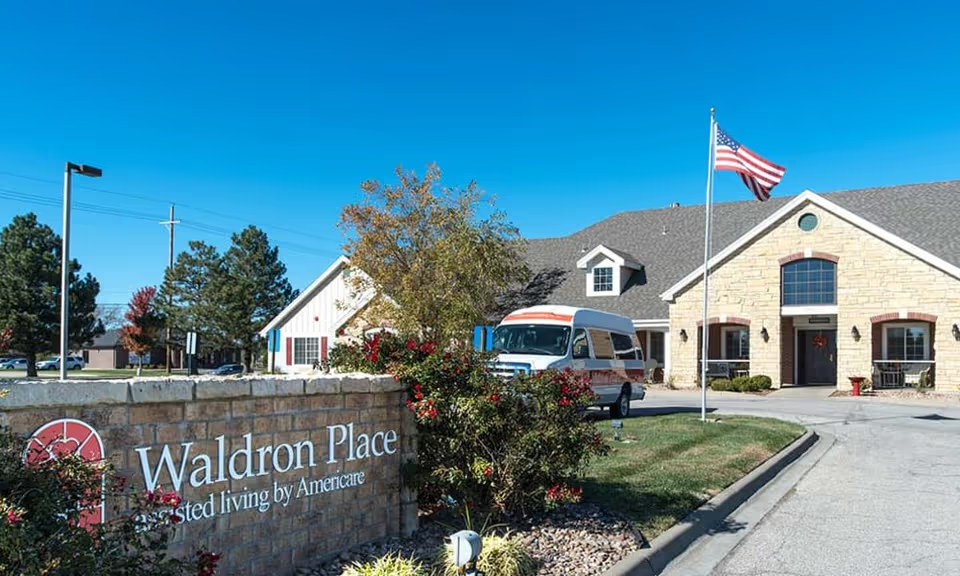
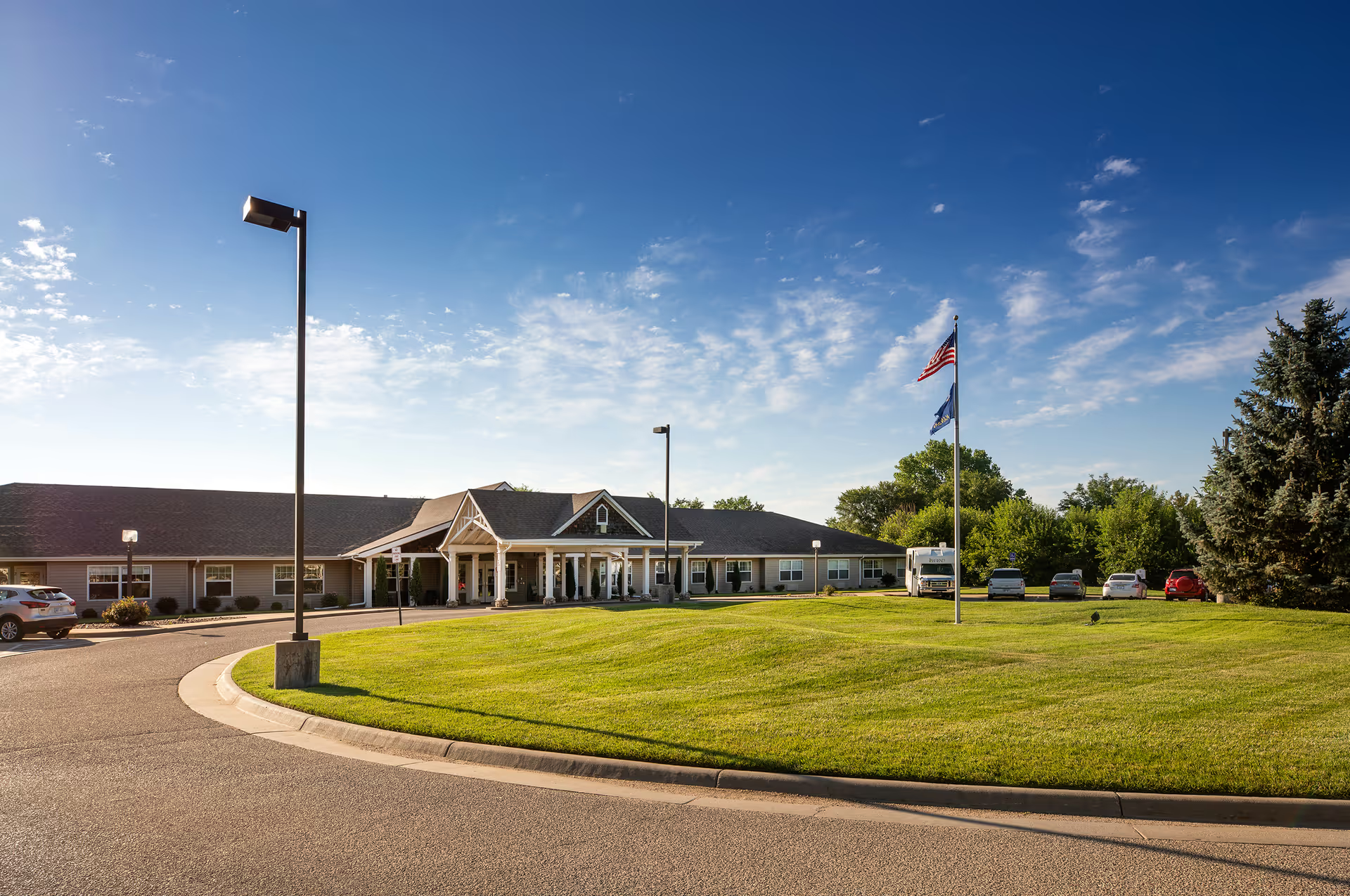
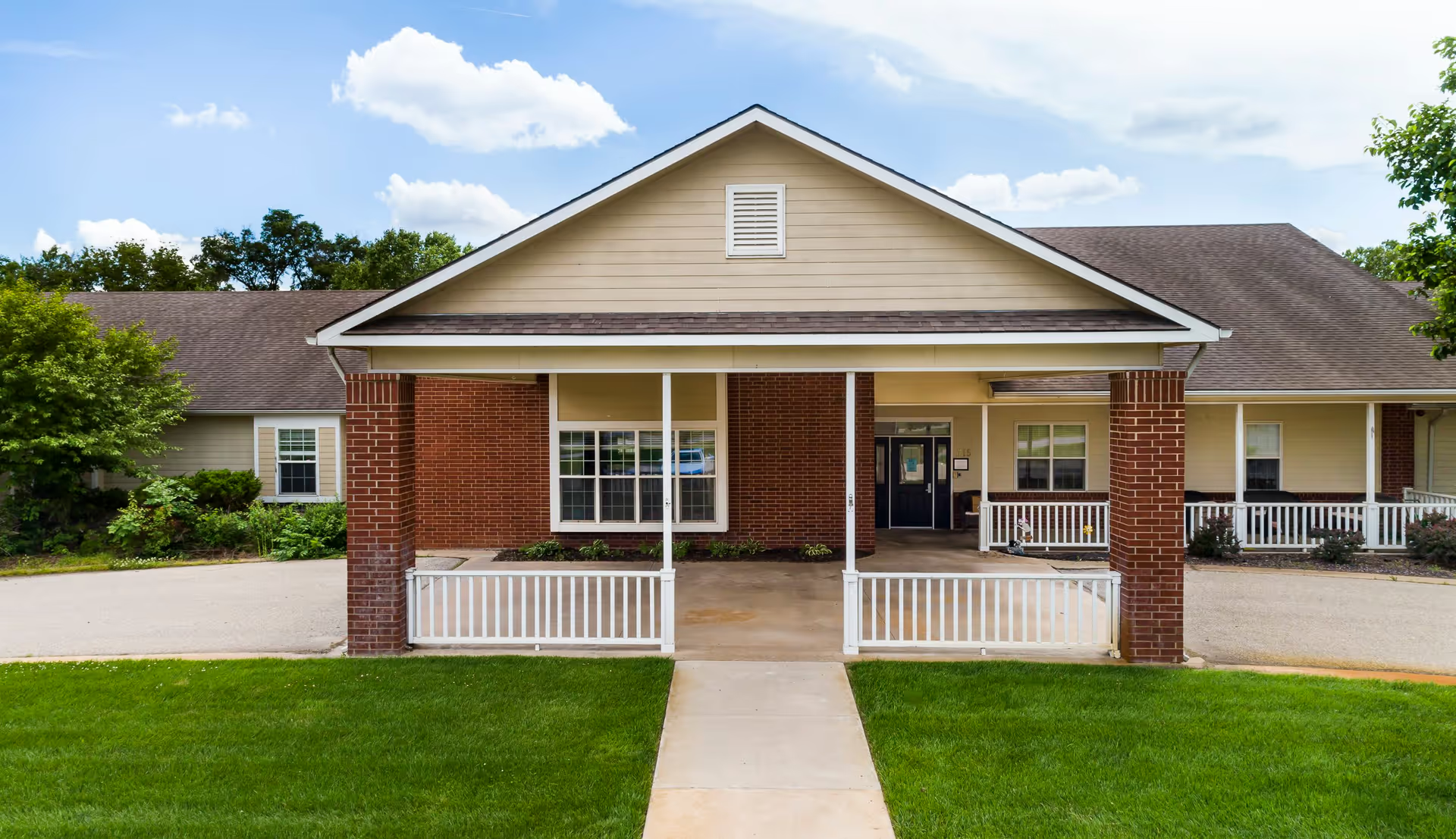
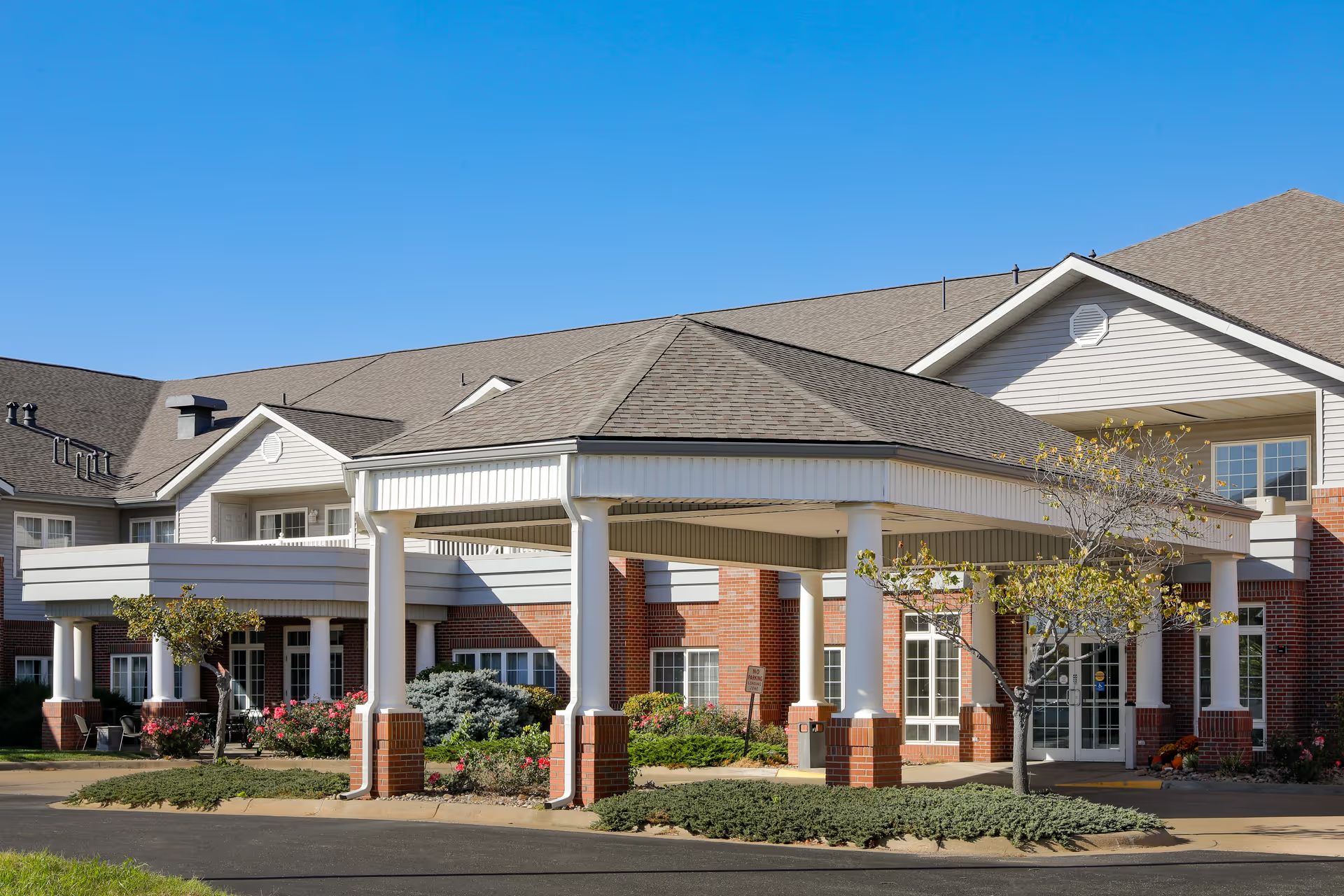
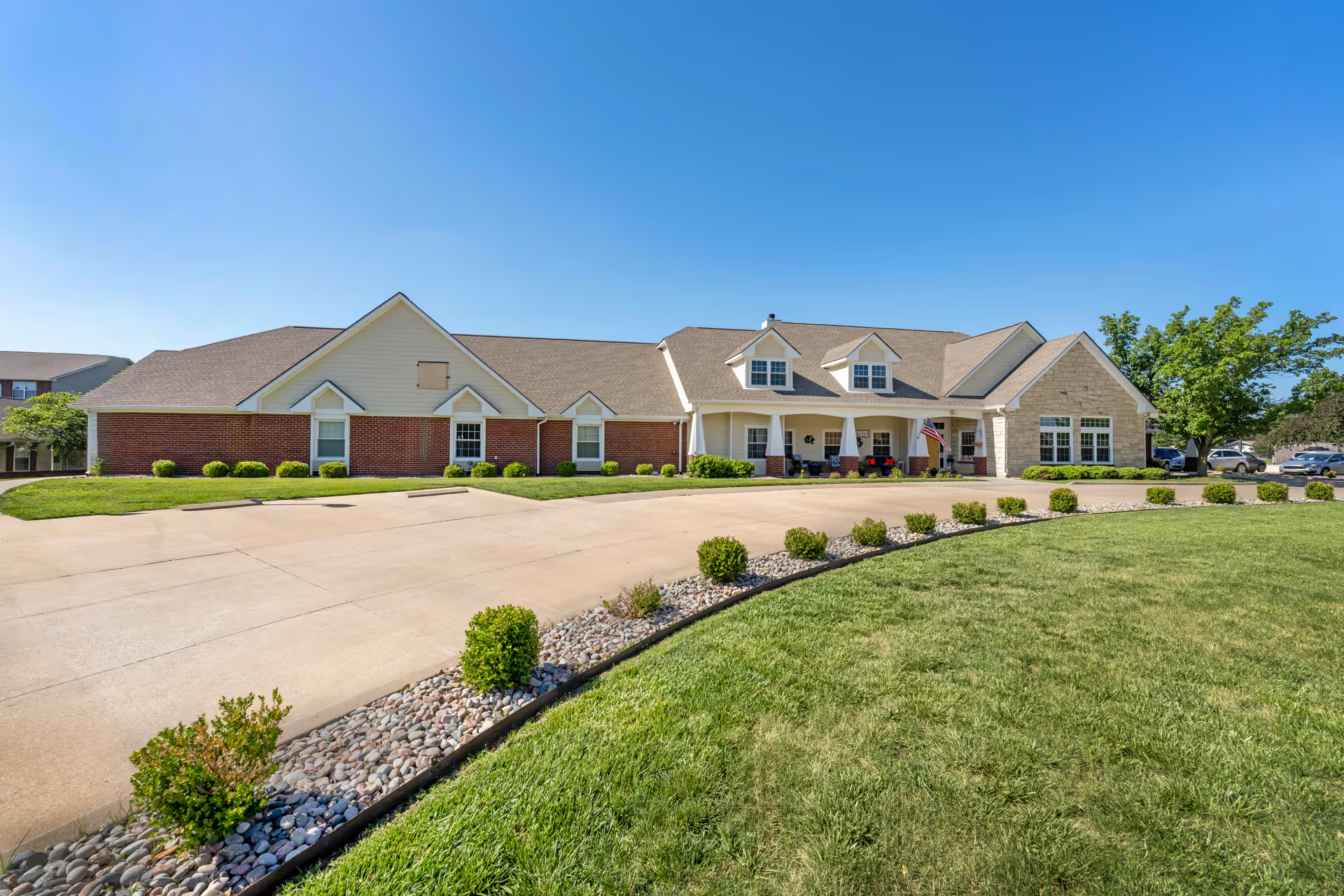
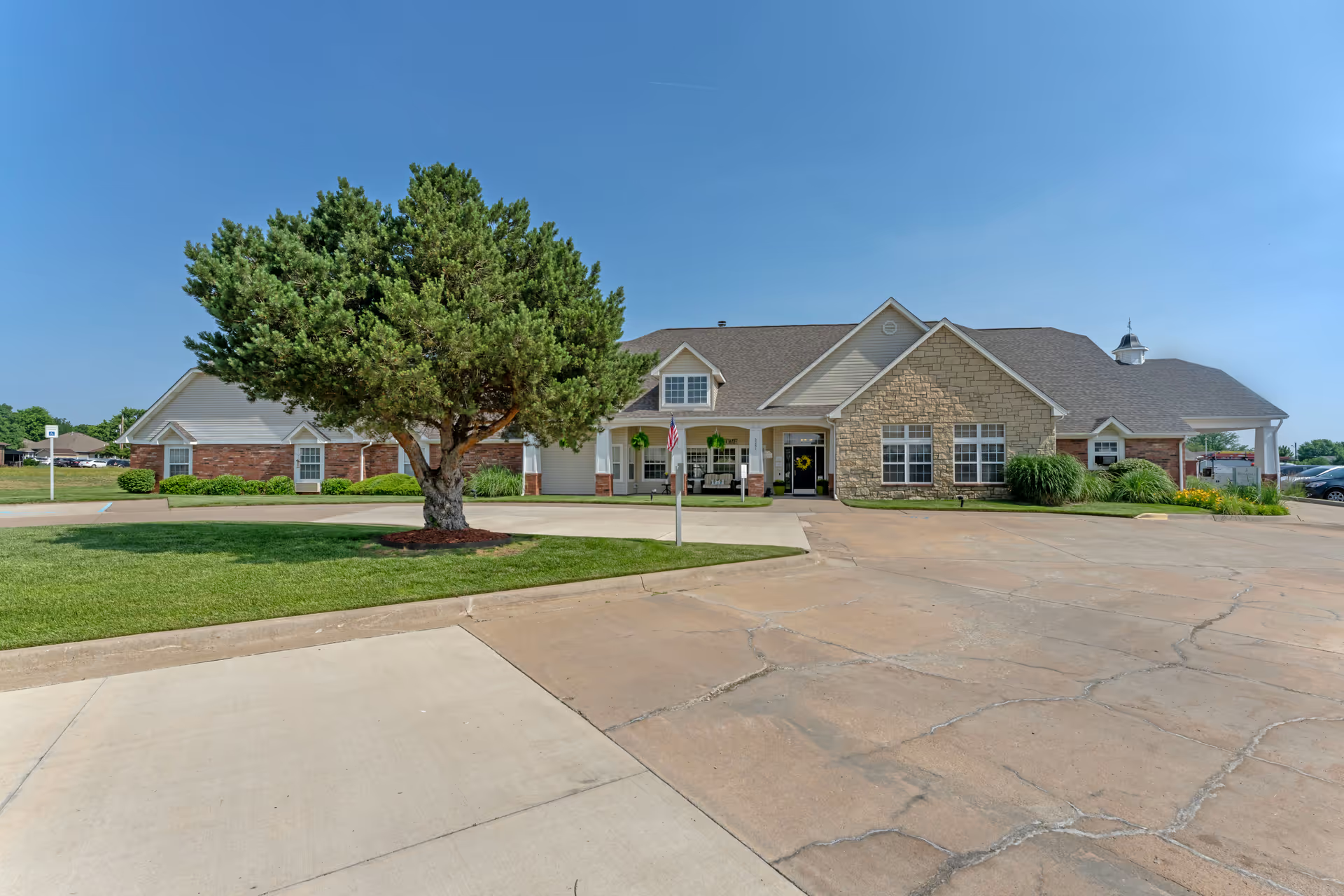
Overall, the facility is frequently described as clean, well maintained, and welcoming. Families and clients commonly praise the compassionate tone of caregiving and the family-oriented culture among direct-care staff. Clinical rehabilitation services—particularly physical therapy—are consistently highlighted as a strength, and the facility includes amenities that support daily life and social engagement, such as an on-site beauty salon, an exercise room, comfortable communal seating, and an active activities program supported by volunteers. The presence of a memory-care unit and options for short-, long-, and permanent-stay placements are also noted as programmatic strengths.
Quality of care is generally characterized as attentive and conscientious: many accounts reference caring caregivers who treat residents like family and staff who are engaged with clients. Nursing and therapy teams receive favorable comments for clinical support and rehabilitation progress. At the same time, a pattern of operational concerns appears across the feedback. There are descriptions of unreliable meal provisioning and a specific breakdown in meal continuity, which point to weaknesses in dining-service contingency planning. Additionally, at least one account describes a lapse in vital-care follow-up, raising broader concerns about clinical-incident response and how the facility preserves continuity of care during atypical events.
Staffing and management present a mixed picture. While many interactions are described as compassionate and helpful, other remarks indicate perceived inconsistencies in responsiveness across shifts and a perception that staff or management priorities sometimes favor employee needs over resident needs. Restrictive visitation policy is mentioned as a source of family frustration and suggests limited flexibility in visiting arrangements. Relatedly, communication and transparency with families appear uneven; some families feel well informed and involved, while others express difficulty obtaining timely explanations after incidents or service interruptions.
For prospective residents and their families, strengths to weigh include the strong rehabilitation services, active programming, memory-care availability, and the generally clean, comfortable environment. Areas that merit direct questioning during a tour include dining-service continuity and contingency plans, clinical-incident protocols and escalation procedures, visitation policy flexibility, staffing levels and shift-to-shift consistency, and expected modes and timeliness of family communication. These targeted inquiries can help clarify whether the facility’s operational practices align with an individual resident’s care priorities and risk profile.