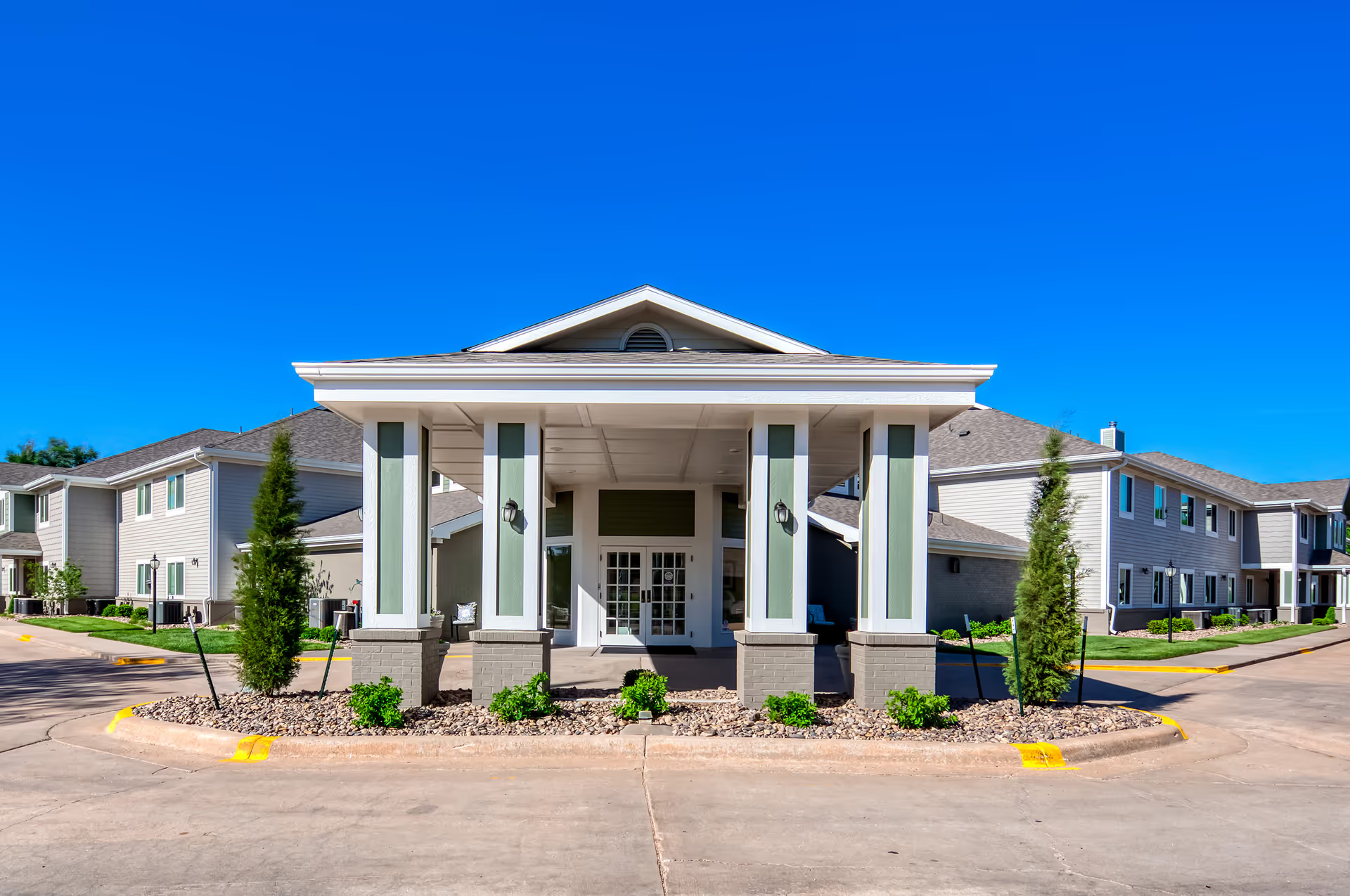
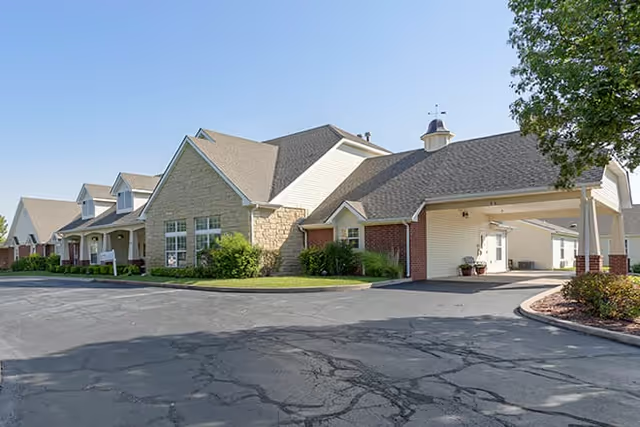
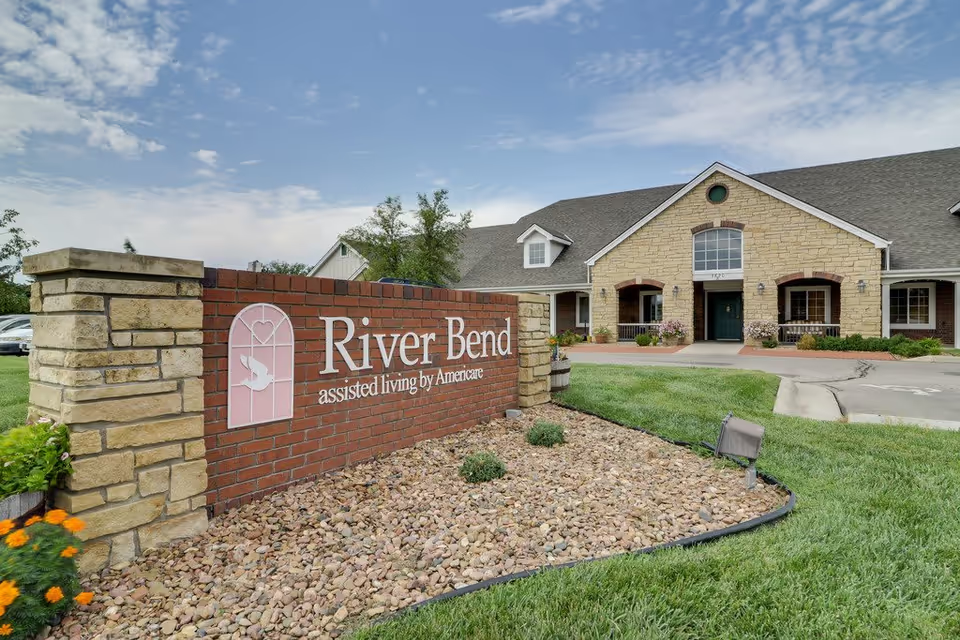
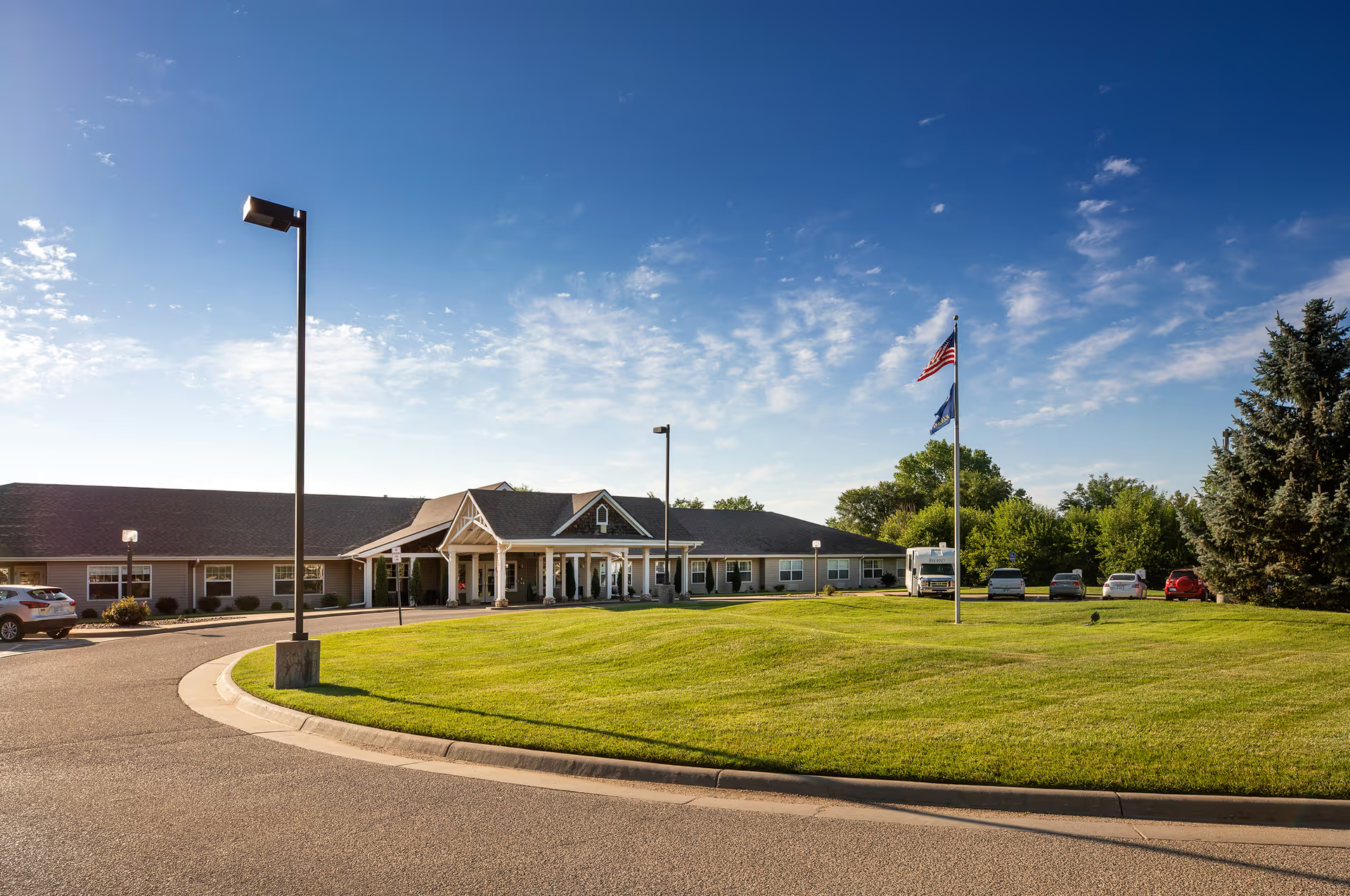
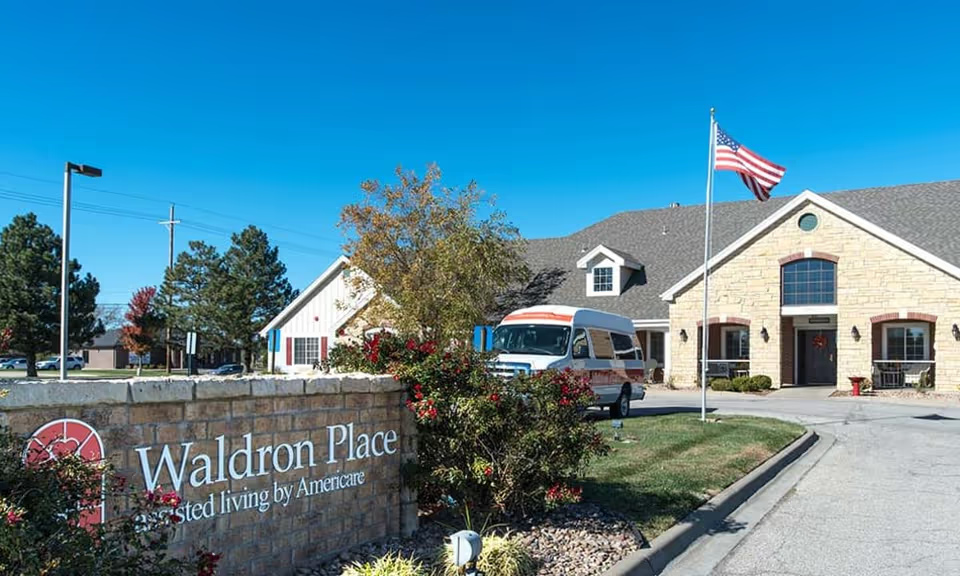
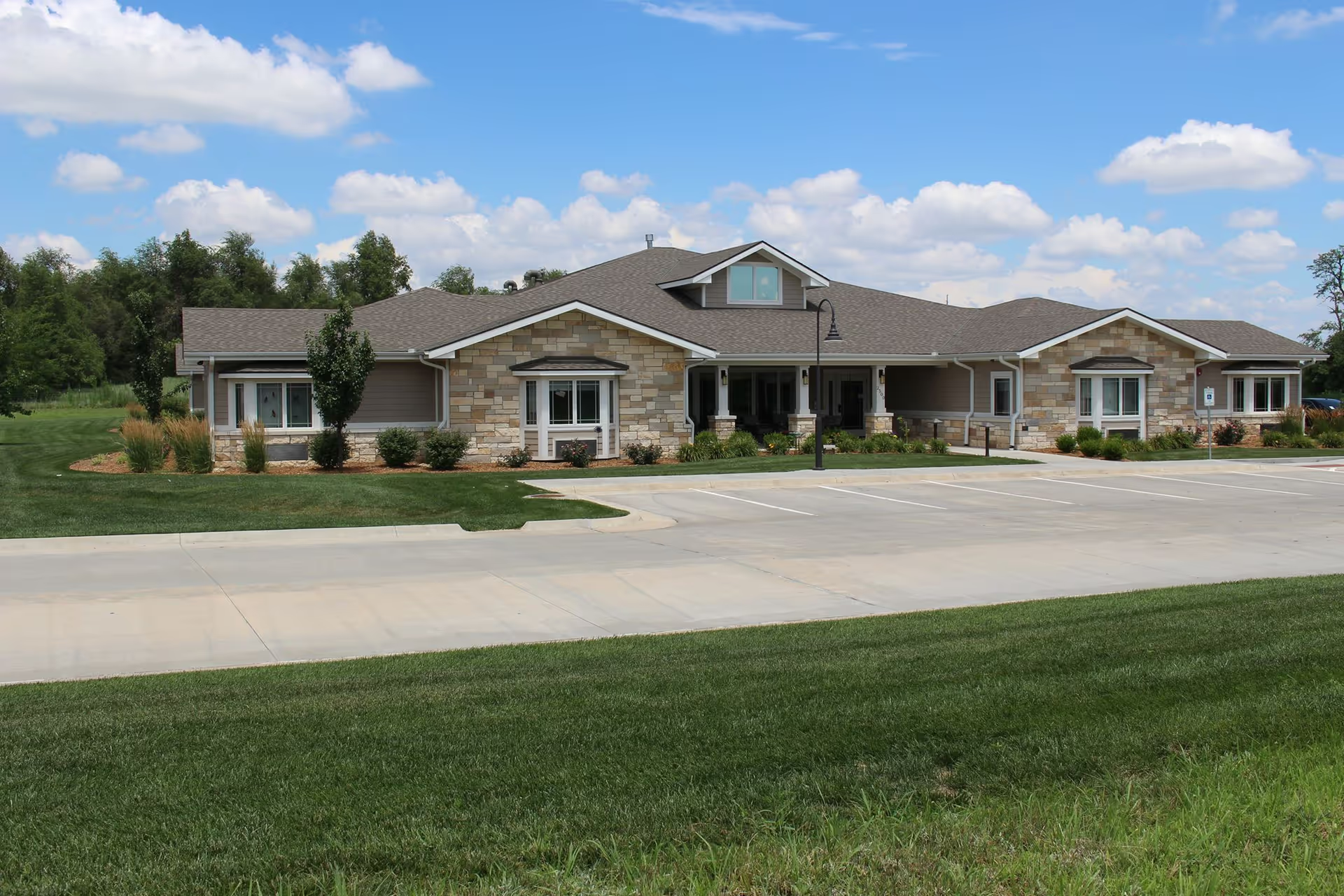
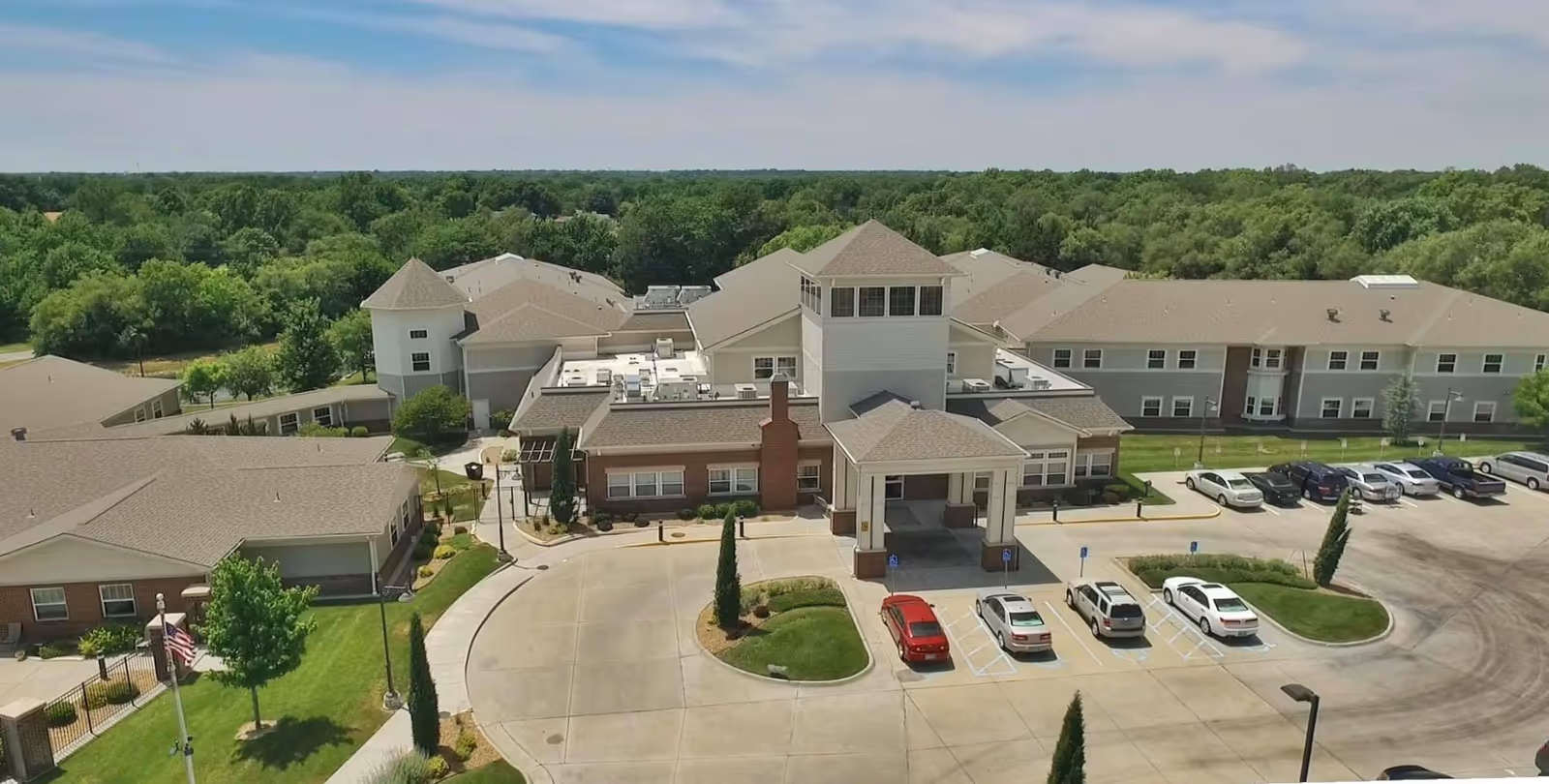
Grand Plains Skilled Nursing and Rehabilitation is consistently described as an attractive, well-kept facility with clean, spacious common areas and a strong sense of community among residents. Multiple comments highlight an engaging activities program, pleasing meal quality, and staff members who are perceived as caring and personally attentive. Several reviewers named or praised specific nursing staff and an administrator who is viewed as resident-focused and responsive in many situations.
Care quality assessments are mixed. Routine day-to-day care and teamwork are noted positively, but there are recurring operational concerns that affect clinical reliability. Reviewers describe uneven staffing patterns, including substantial use of agency or traveling nurses, which appears to contribute to inconsistent familiarity with residents and variability in care continuity. Related themes include slow callback and request response times, and gaps in clinical escalation and follow-up documentation; one reviewer advised obtaining written documentation of commitments. An isolated incident requiring IV fluid administration was described; more broadly, families expressed concern that some clinical decisions and determinations about medical stability appeared to be influenced by insurance or coverage rules rather than clear clinical follow-up.
Dining and activities receive favorable remarks overall: meals are described as palatable and the activity schedule as engaging, contributing to a positive daily experience for residents. That said, there are occasional comments about meal-access practices and at least one account of a resident being denied food, which suggests inconsistent implementation of food-service policies that families should clarify during intake and visits. Some reviewers also raised concerns about expectations for resident mobility, characterizing walking requirements as excessive for certain residents.
Management and staff culture present a dual picture. Many reviewers commend visible teamwork and a caring administration, while others raise concerns about staff professionalism and isolated inappropriate conduct that prompted regulatory concern from a family. Operational weaknesses cluster around staffing consistency, response times, clinical follow-through, and certain environmental issues such as localized odor concerns. Prospective residents and families who prioritize the facility’s aesthetic, activities, and community aspects may find the environment appealing; those for whom clinical stability, rapid response, and consistent staff assignment are paramount should probe staffing patterns, escalation procedures, and written policies for food access and clinical decision-making before placement.