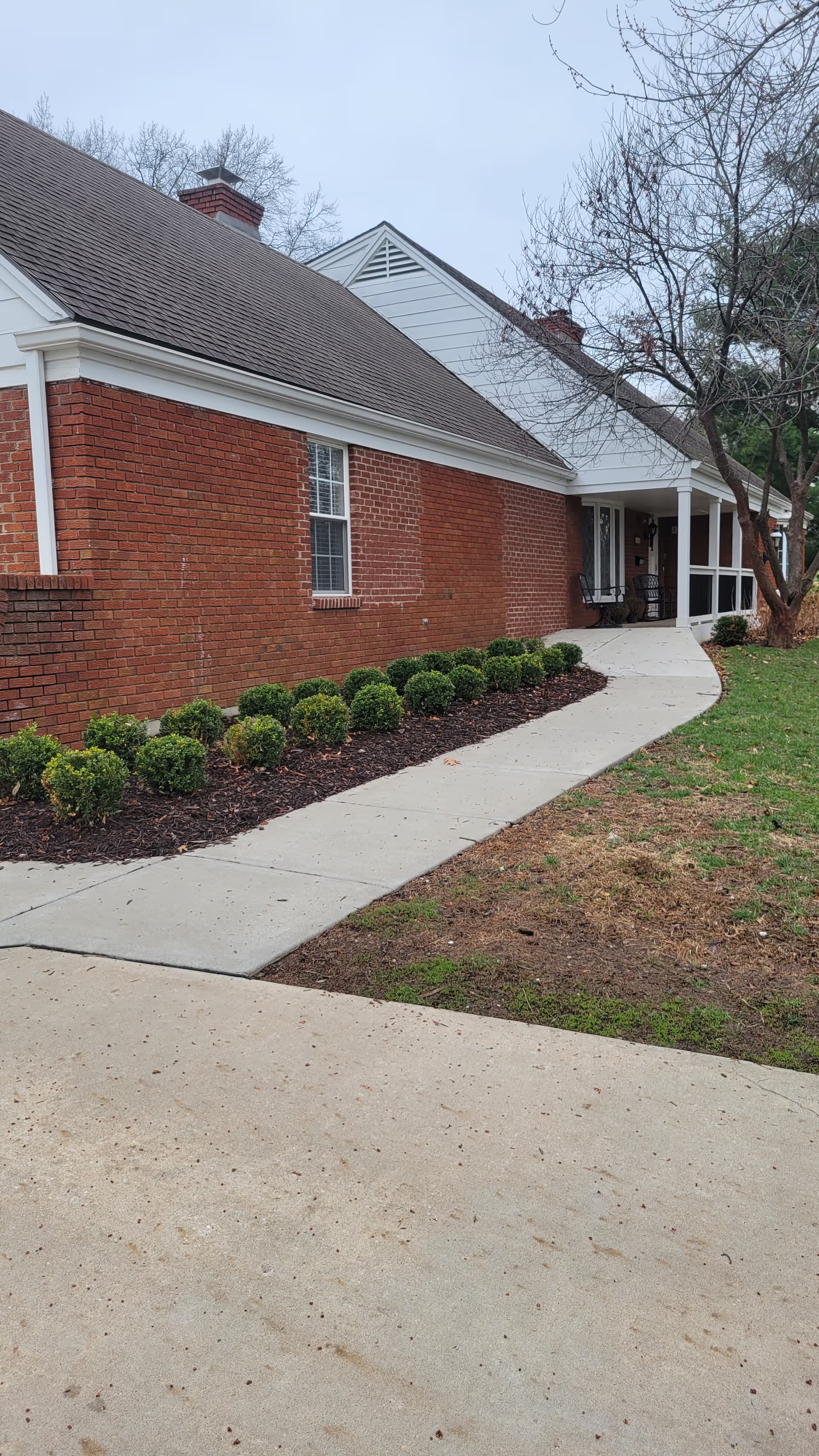
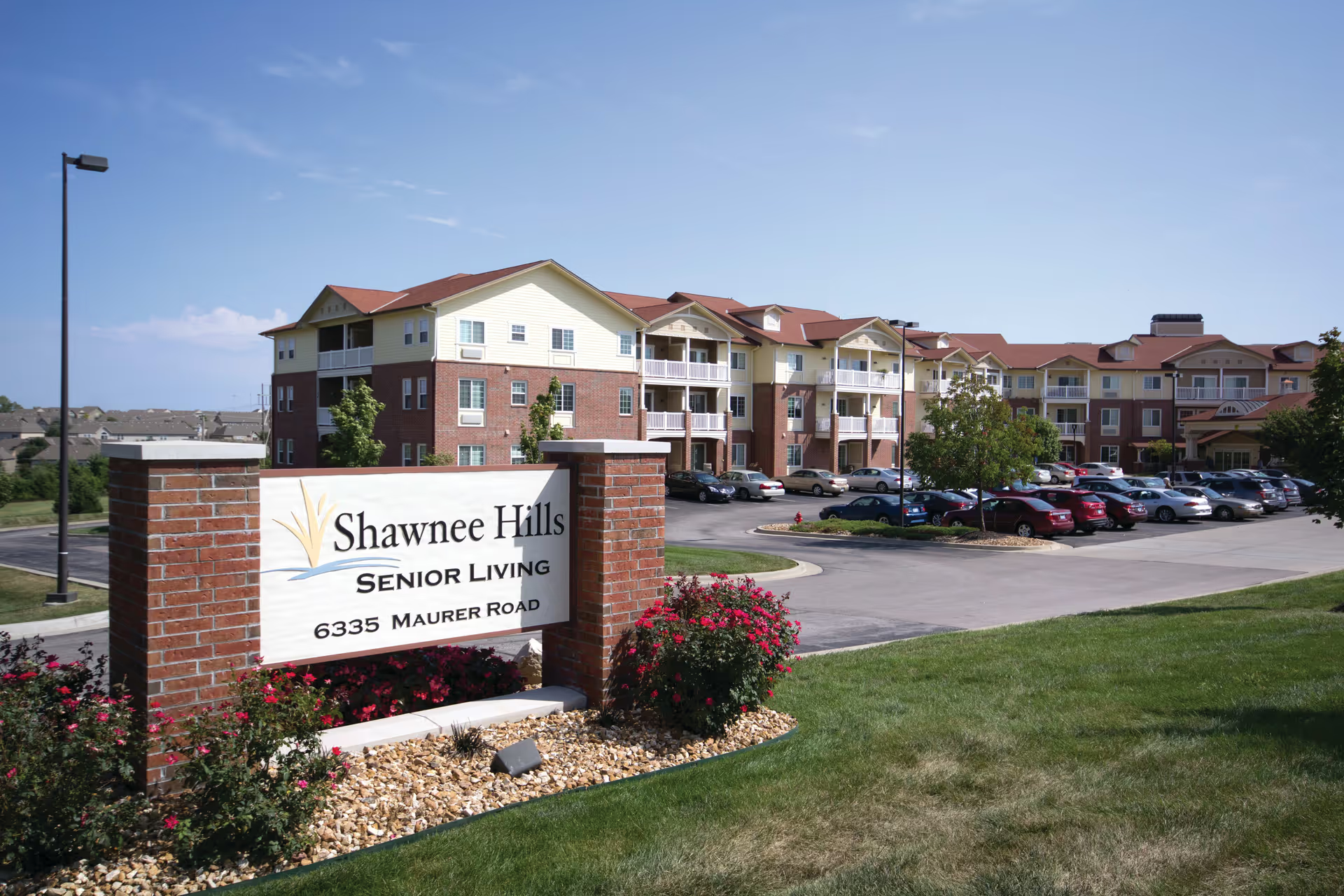
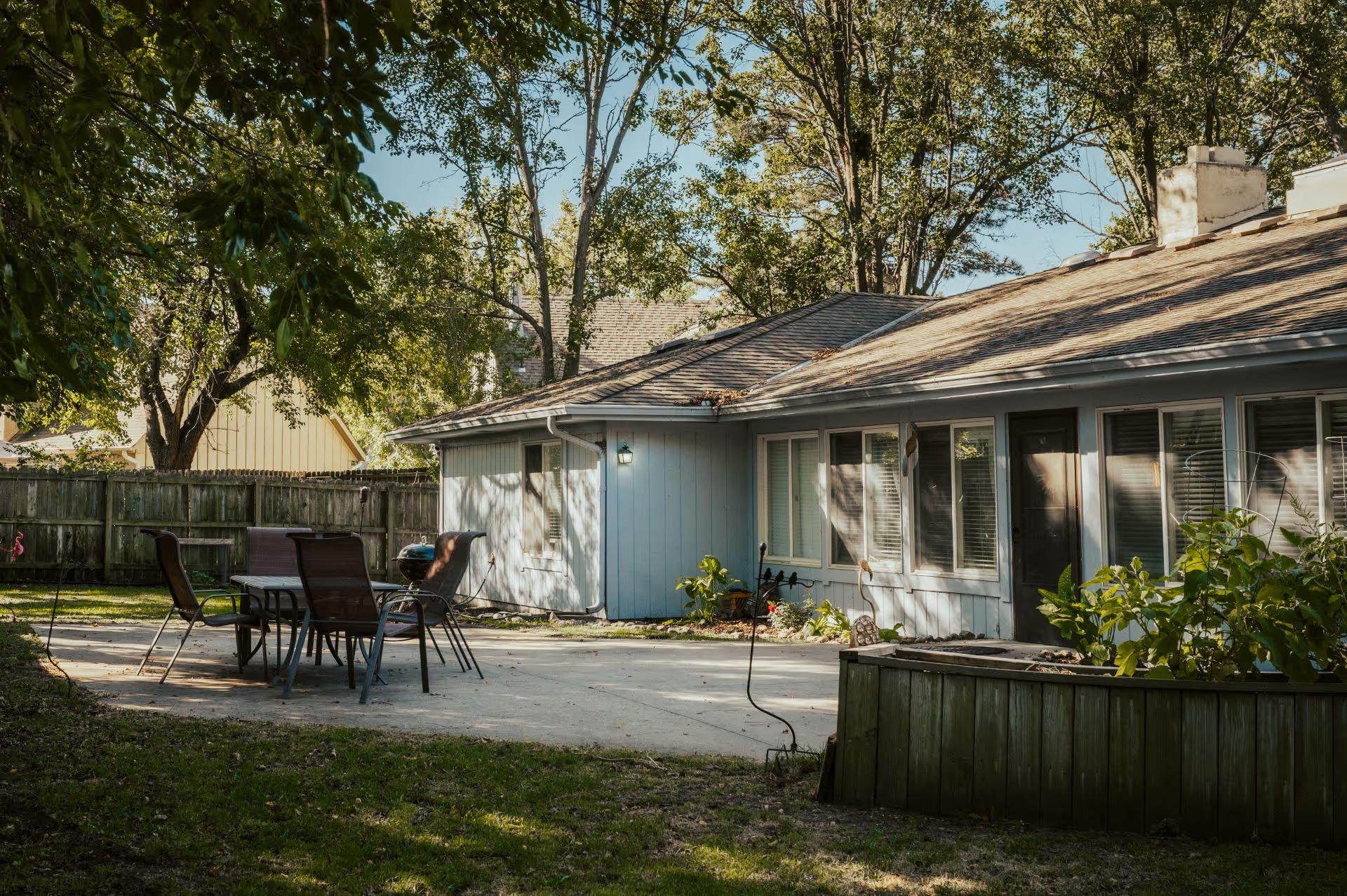
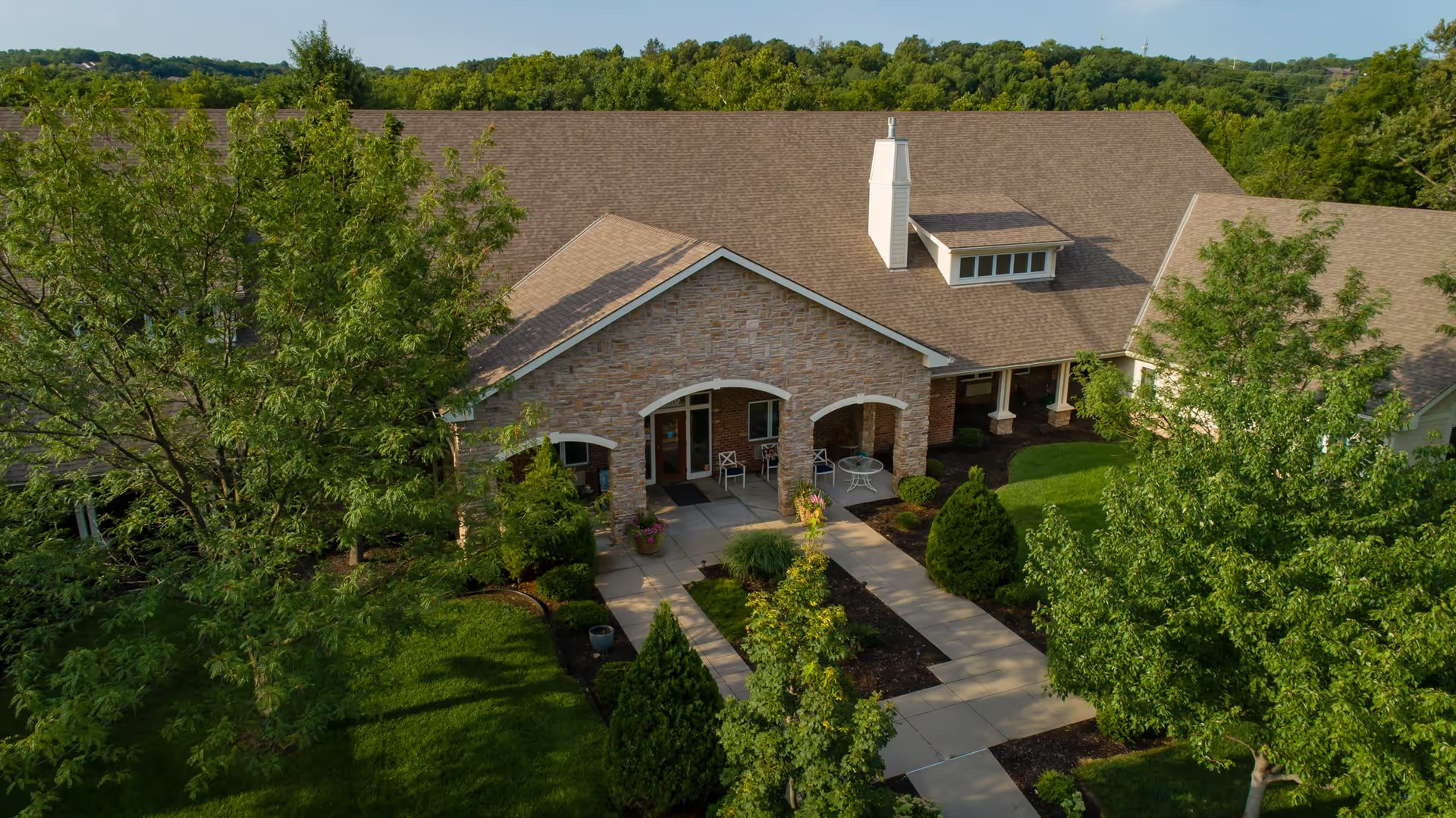
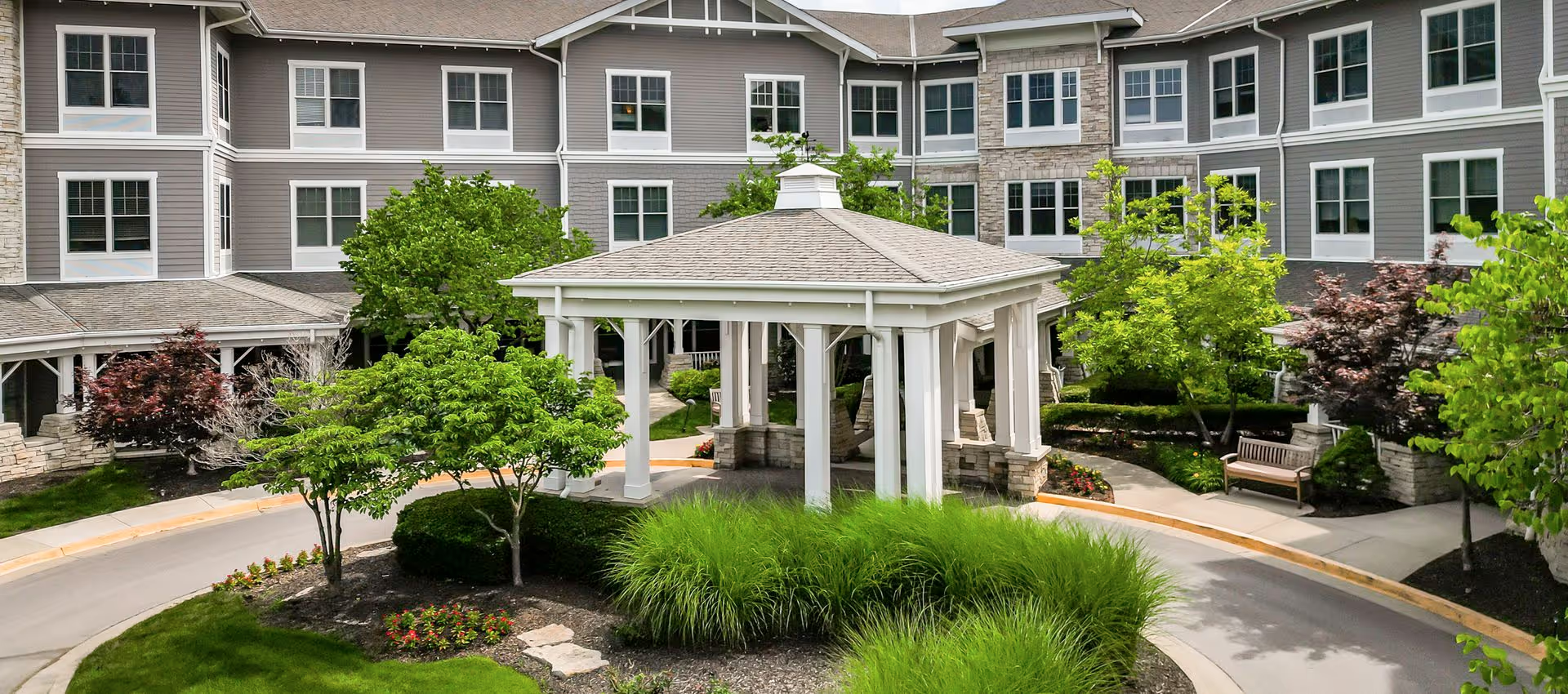
Brookdale Shawnee is consistently described as a memory-care–focused community with a secure, neighborhood-style layout designed to reduce wandering and encourage safe freedom of movement. The physical environment is frequently praised: bright, apartment-style rooms that residents may personalize, fenced gardens and outdoor spaces, multiple common areas with life-skill stations, and an overall home-like, hotel-like appearance. Many families highlight the facility’s emphasis on safety and the presence of structural features that support a dementia-focused model of care.
Care quality and staffing receive mixed but generally positive commentary. Numerous accounts describe compassionate, patient, and attentive direct-care staff, active engagement from an activities coordinator, and the availability of 24/7 nursing with regular MD/NP rounds. Reviewers praise individualized activity plans, hospice and end-of-life support, monthly dental hygiene visits, and a culture of warmth and responsiveness from caregivers. At the same time, reviewers note operational weaknesses that affect continuity of care: ongoing staff turnover, variable caregiver continuity, occasional long response times, and inconsistent physician availability. These issues are reflected in concerns about training consistency for some memory-care tasks and uneven clinical oversight.
The community’s activity program is a clear strength. Families report a robust schedule that includes music therapy, regular outings (apple orchards, drives, church, school visits), arts and crafts, entertainers, hairstyling services, and frequent outdoor trips. Programming is described as individualized and consistent with dementia care principles, with life-skill stations in common areas that encourage engagement and movement.
Dining and daily living are similarly mixed. The facility provides three meals a day plus snacks, structured dining rooms, and mealtime reminders; some families find the food appealing and dining areas pleasant. Others describe inconsistent food quality and limited menu variety, including a desire for more vegetable selections. Cleanliness and the general upkeep of rooms and public spaces are often commended, but there are recurring sanitation and odor concerns reported in some common areas and wings, which reviewers say can affect the comfort of the environment.
Management, billing, and policy issues emerge as notable patterns. Costs are frequently characterized as high, with substantial upfront administrative fees and budgetary concerns for some families. There is inconsistency in how billing and insurance acceptance (including Medicaid) are described, creating confusion for prospective residents. A minority of accounts raise serious allegations concerning billing practices and aggressive sales tactics; these are not universal but are significant enough to warrant caution and direct inquiry during touring and contract discussions. Additionally, families note variability in administrative responsiveness—some praise specific leaders and front-office staff, while others describe a lack of follow-up and uneven management competence.
Infection-control and safety practices are another area to probe. A few reviewers referenced lapses in infection-control adherence and outbreak management; paired with turnover and response-time concerns, these items suggest that prospective families should ask specific, up-to-date questions about current staffing levels, infection-prevention protocols, and clinical oversight during tours.
Overall, Brookdale Shawnee presents a strong memory-care environment with many families commending the compassion of direct-care staff, the robustness of activities, and the secure, engaging design. Prospective residents and decision-makers should balance those strengths against operational considerations: the facility’s cost structure, staffing stability, clarity on billing and insurance, food preferences, and any recent measures taken to address sanitation and infection-control issues. During any visit, ask for specifics about current staffing ratios, turnover metrics, clinical coverage schedules, sample menus, cleaning protocols, billing policies, and examples of how leadership has addressed past concerns.