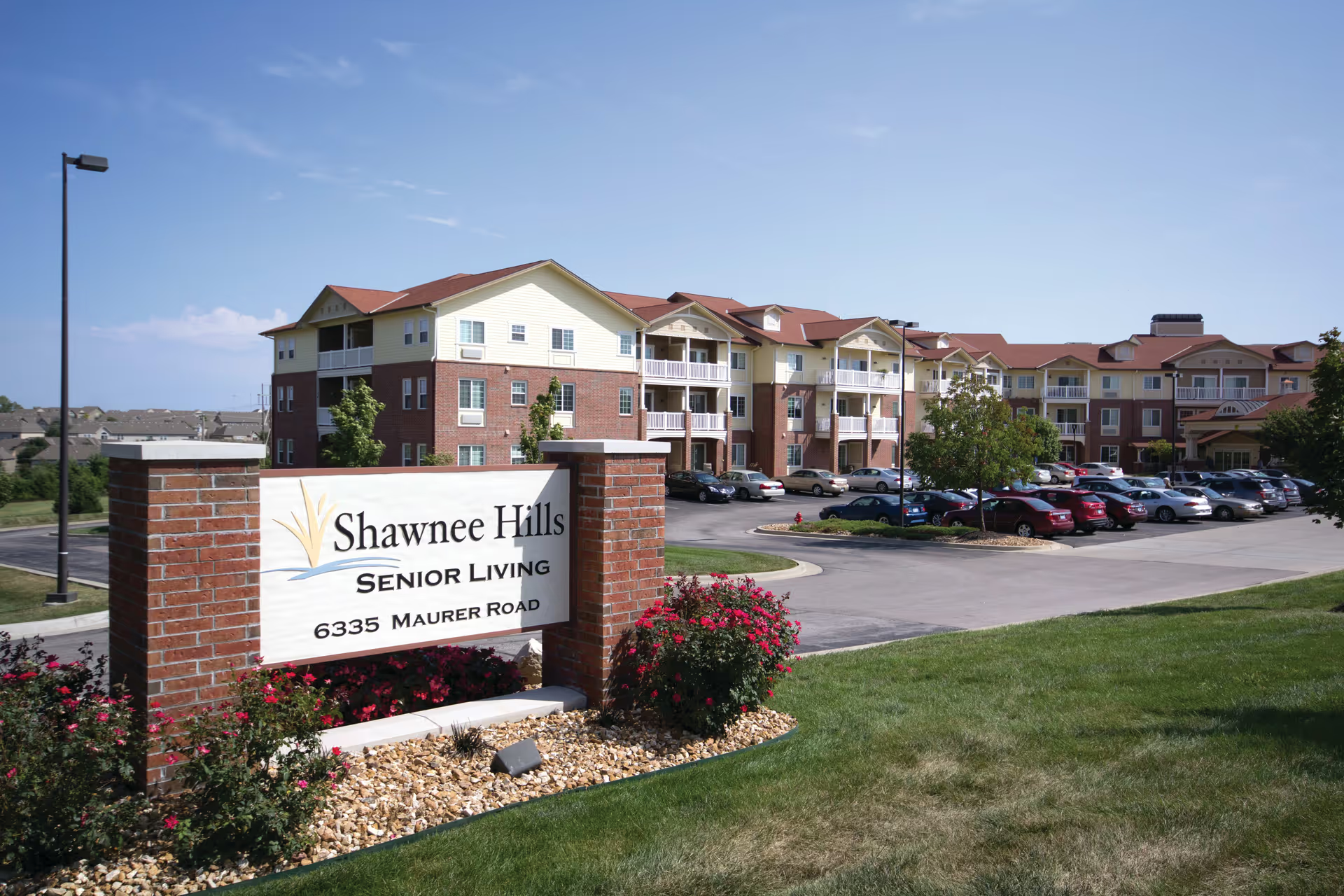
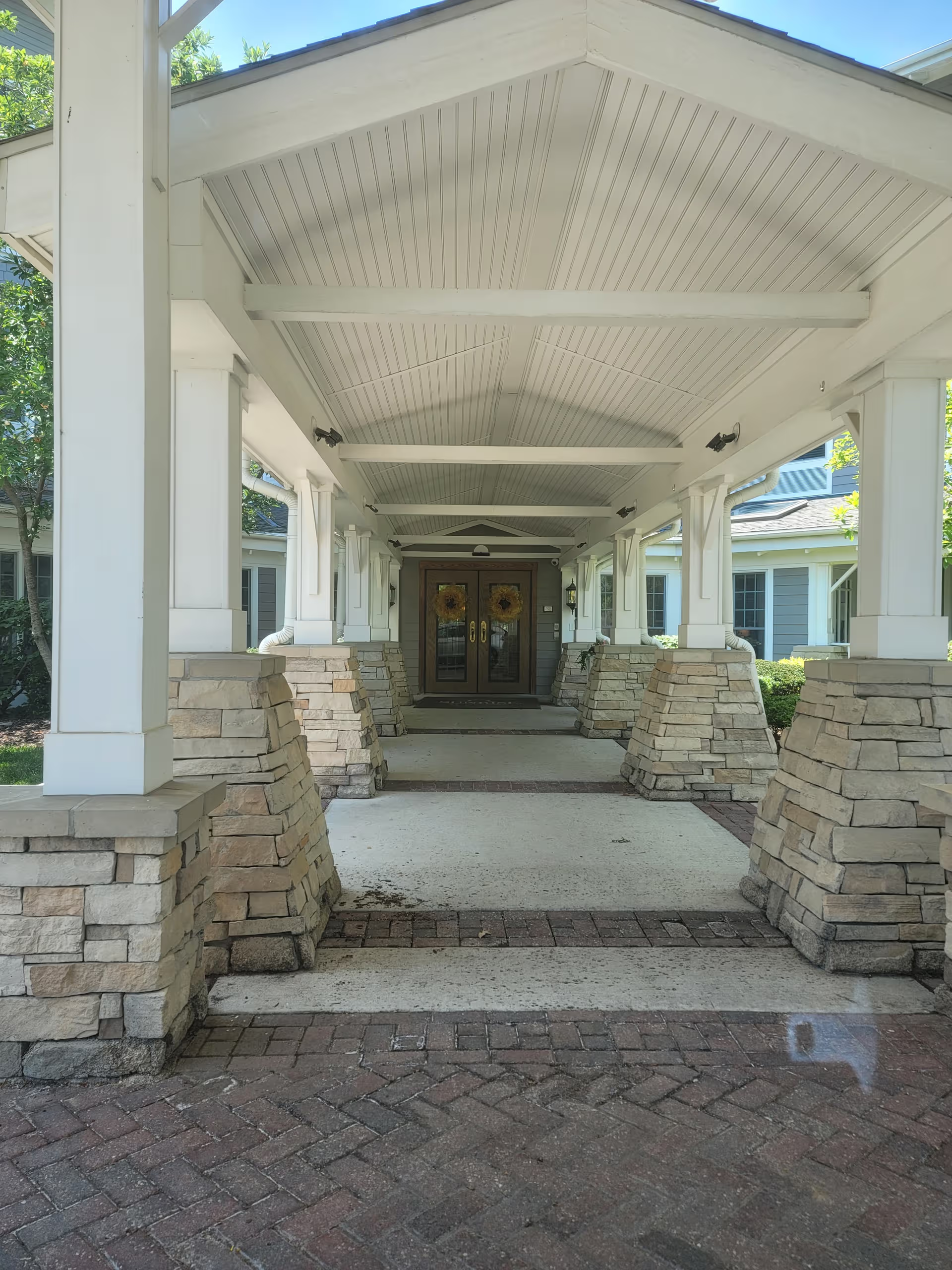
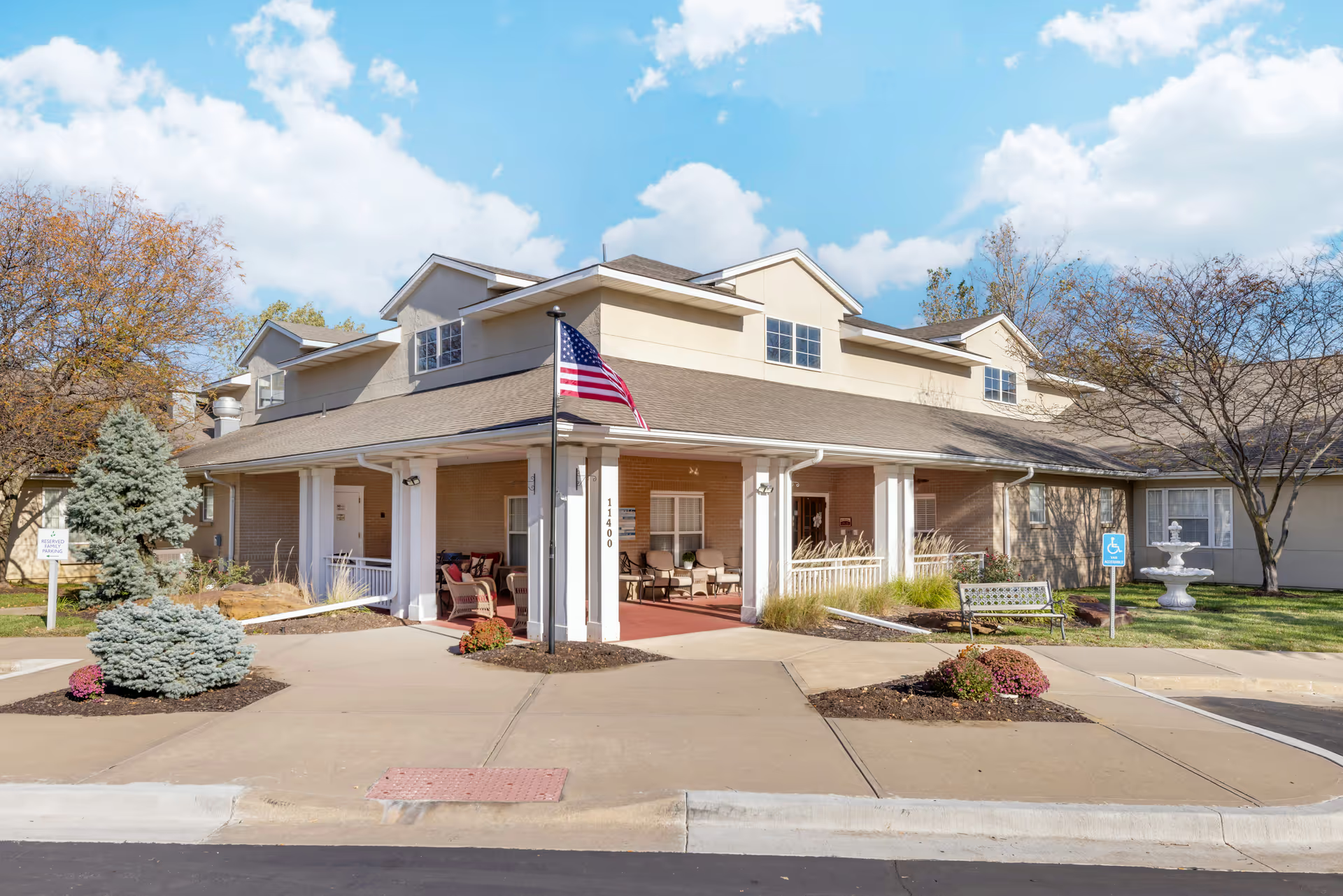
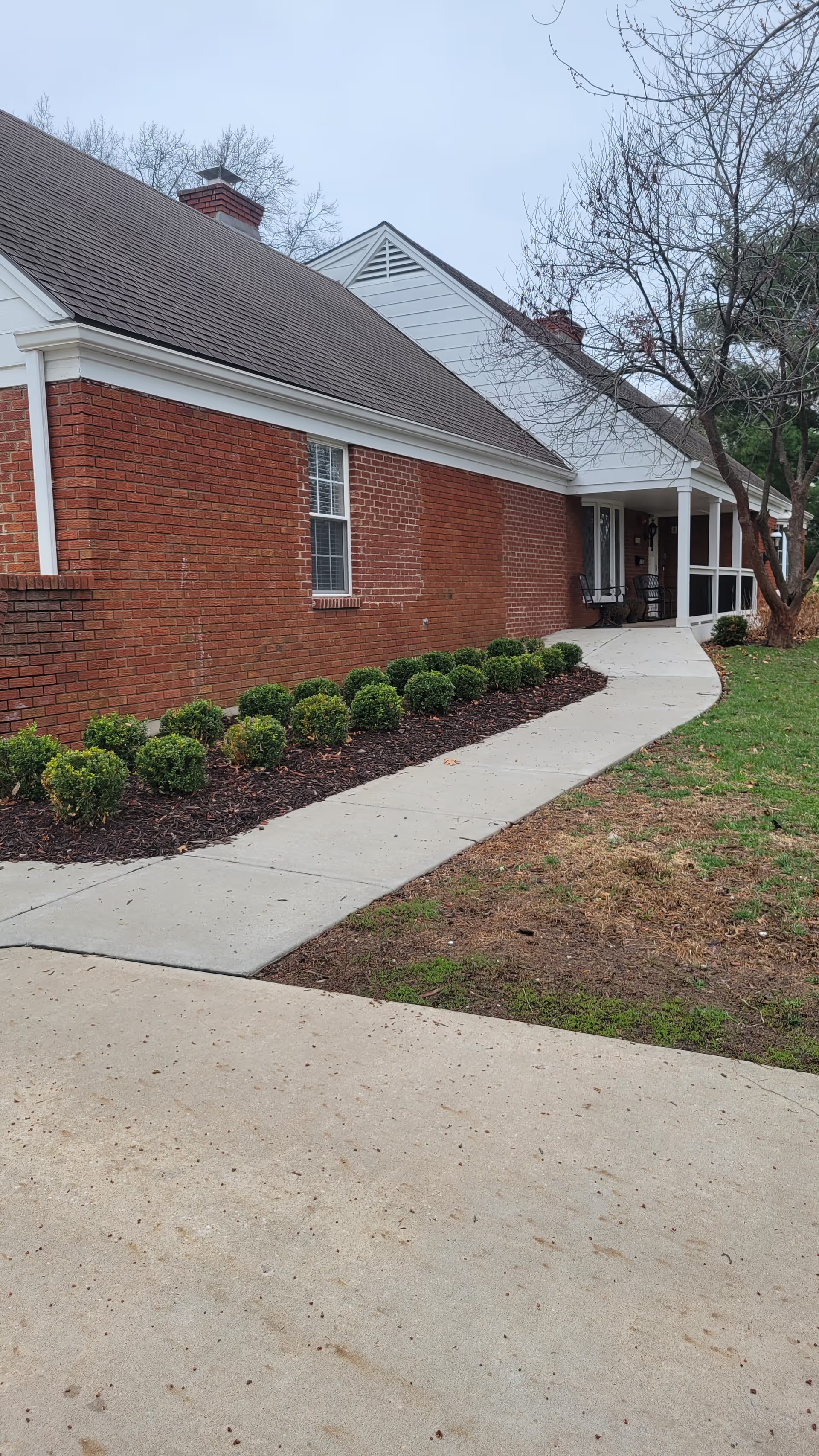
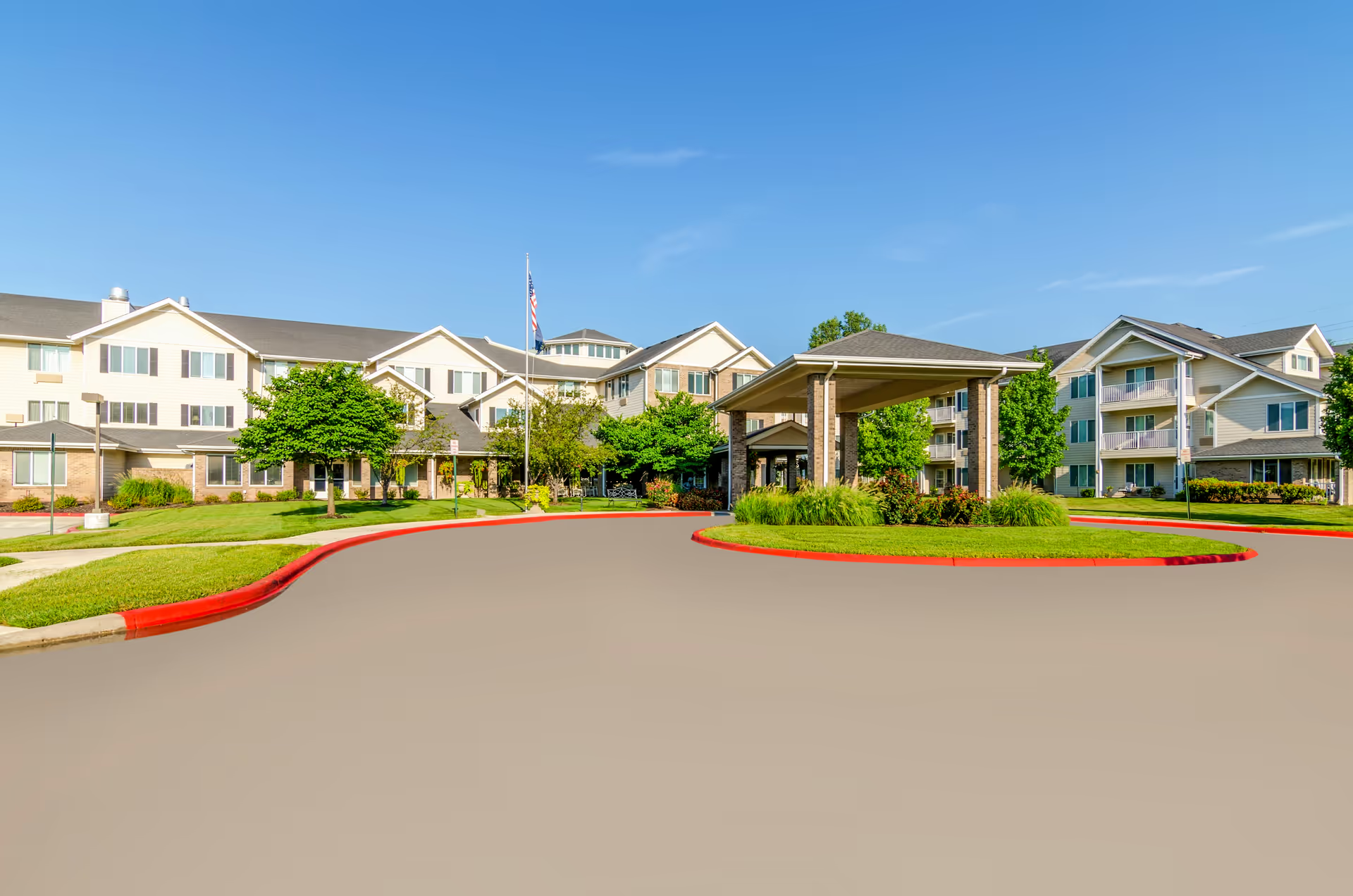
Overall impressions of Homestead Assisted Living of Shawnee are mixed-to-positive, with many families and residents highlighting the facility’s personable staff, apartment-style living, and active social programming. The community’s environment is frequently described as home-like: grounds and interiors are attractive and well maintained, units tend to be spacious with kitchenettes and large closets, and the single-level portions and courtyard are appreciated for convenience and pet access. Location and room size are commonly cited as strengths.
Care quality and staffing present a dual picture. Numerous accounts describe friendly, consistent caregiving and professional on-site management, with some reviewers specifically noting improved staffing and retention after recent leadership changes. Residents and families often praise individualized attention from aides and an attentive cook. At the same time, reviewers also describe episodic staffing shortfalls, turnover, and a need for additional staff to sustain desired service levels; these staffing inconsistencies can affect service continuity and responsiveness.
Dining and activities are prominent positives. The facility offers three meals daily, varied menu options, supplemental nutrition (e.g., specialty shakes), social dining, and weekly happy-hour programming. A broad activities slate—bingo, bible study, crafts, visiting musicians, entertainers, movie nights, and family events—contributes to a socially engaging environment. However, several accounts indicate variability in meal preparation quality and occasional dissatisfaction with specific menu items, suggesting that culinary consistency may be uneven.
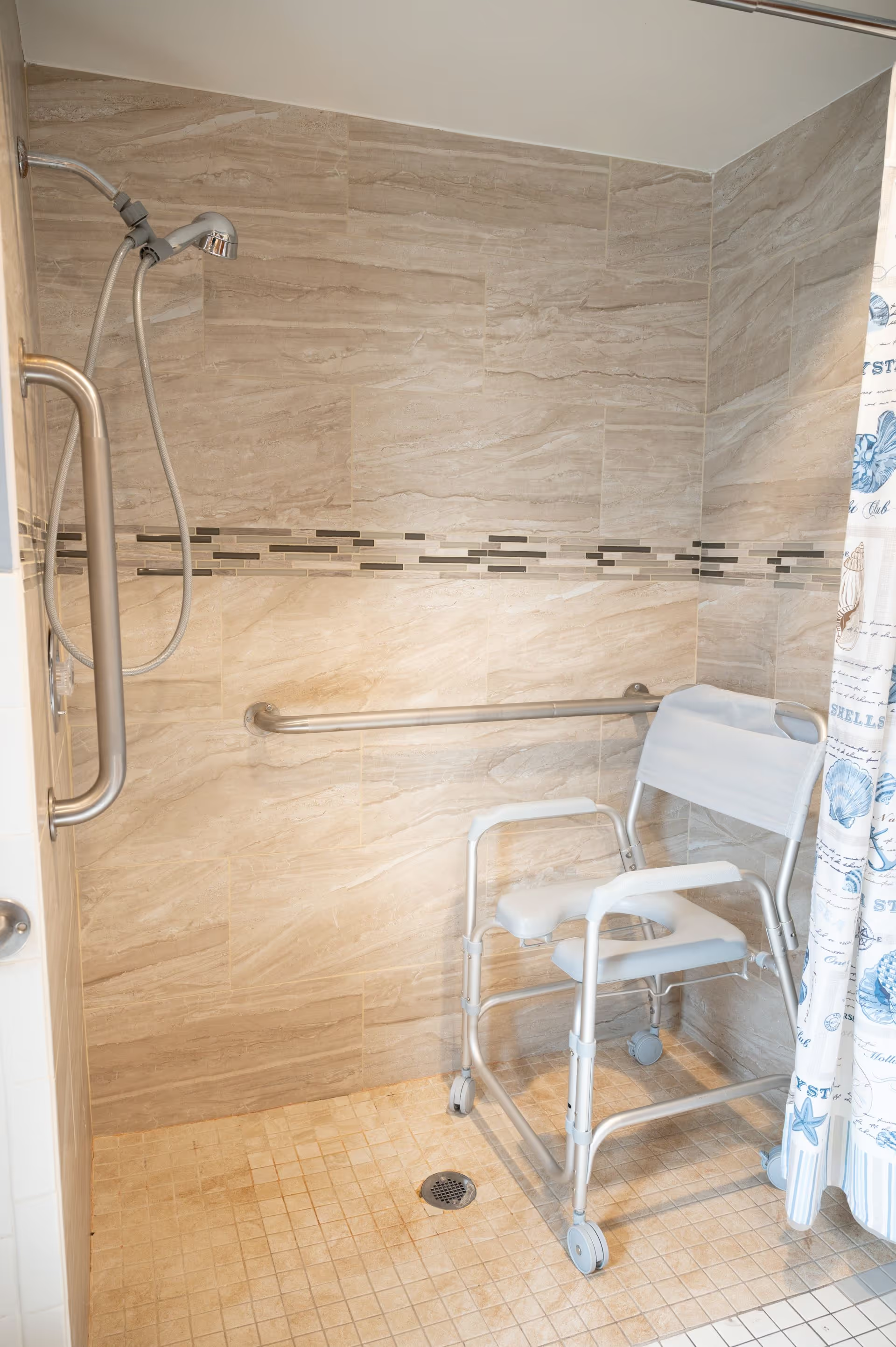
Facility upkeep and room maintenance emerge as frequent operational concerns. While many reviewers describe clean common areas and nicely kept grounds, others report delays in maintenance work orders, aging or poorly maintained bathroom fixtures in some units, and intermittent housekeeping follow-through (e.g., trash collection and room cleaning). These issues appear to be operational rather than universal, but they can materially affect resident satisfaction and comfort when they occur.
Communication and ancillary services show mixed performance. On-site management receives positive comments for responsiveness and visible leadership, but there are recurring notes of communication gaps between clinical staff, management, and families—particularly regarding clinician visits, care coordination, and family notifications. Additional service gaps mentioned include limited on-site rehabilitation/physical therapy resources, lack of resident transportation, and intermittent phone or visitation-access problems. Several families express concerns about cost relative to the level and consistency of services provided.
For prospective residents and families, the facility’s strengths include a warm caregiving culture, roomy apartment options, and an active social program. Important due-diligence items would include confirming maintenance-response timelines, housekeeping schedules, clinical-communication protocols, availability of therapy and transportation services, and any current limitations on visitation or phone service. These checks can help align expectations around cost and the level of care appropriate for residents with greater mobility or clinical needs.