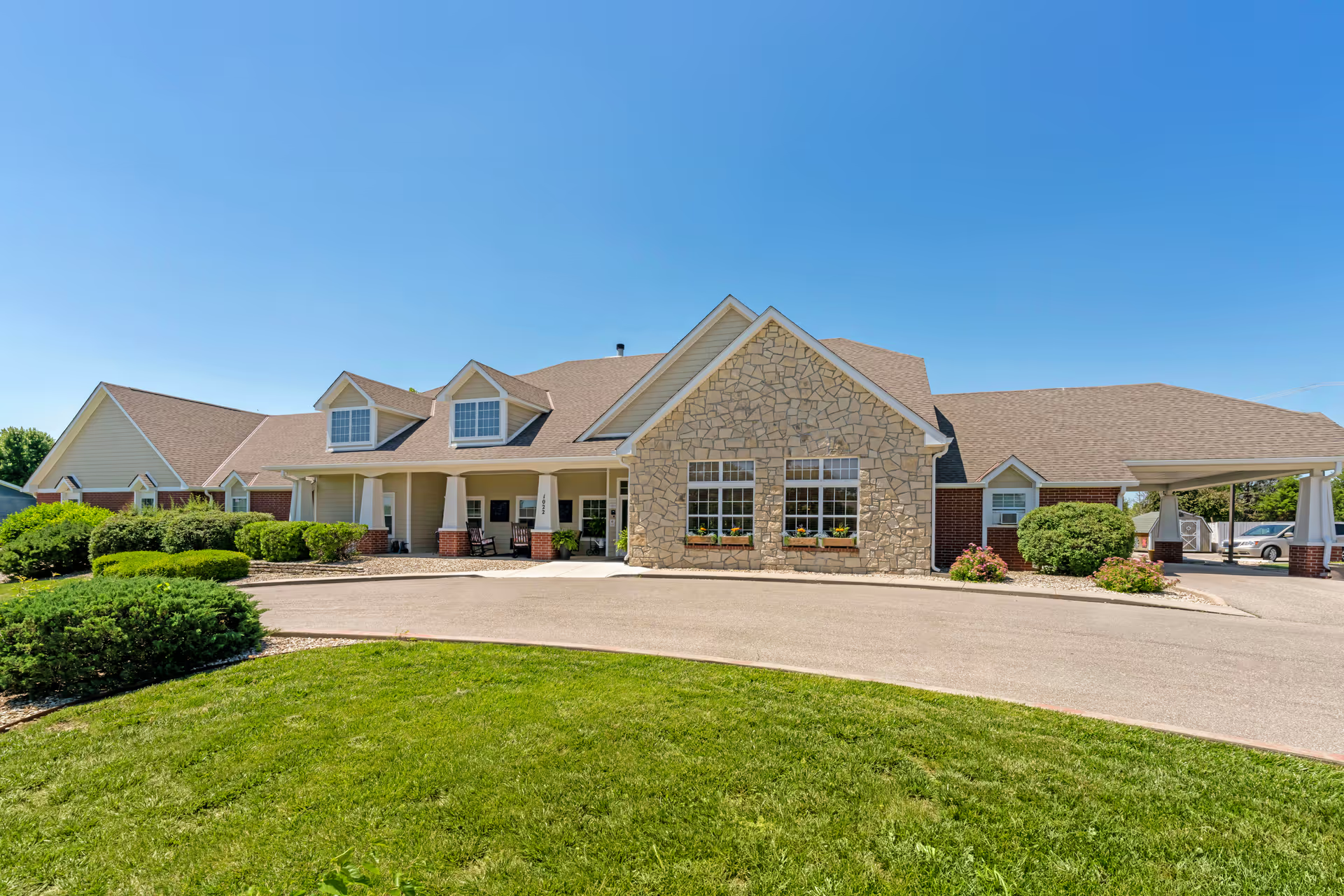
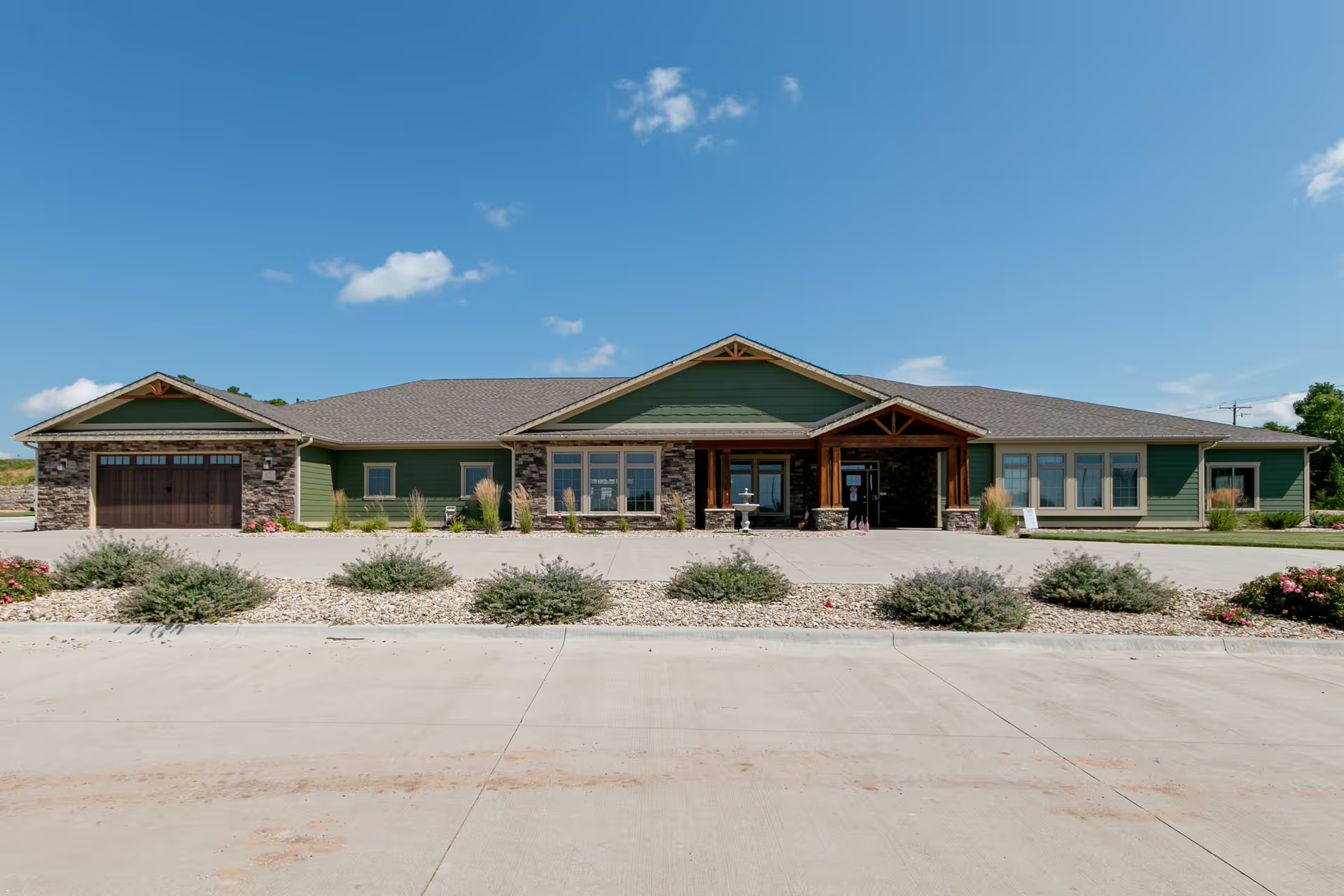
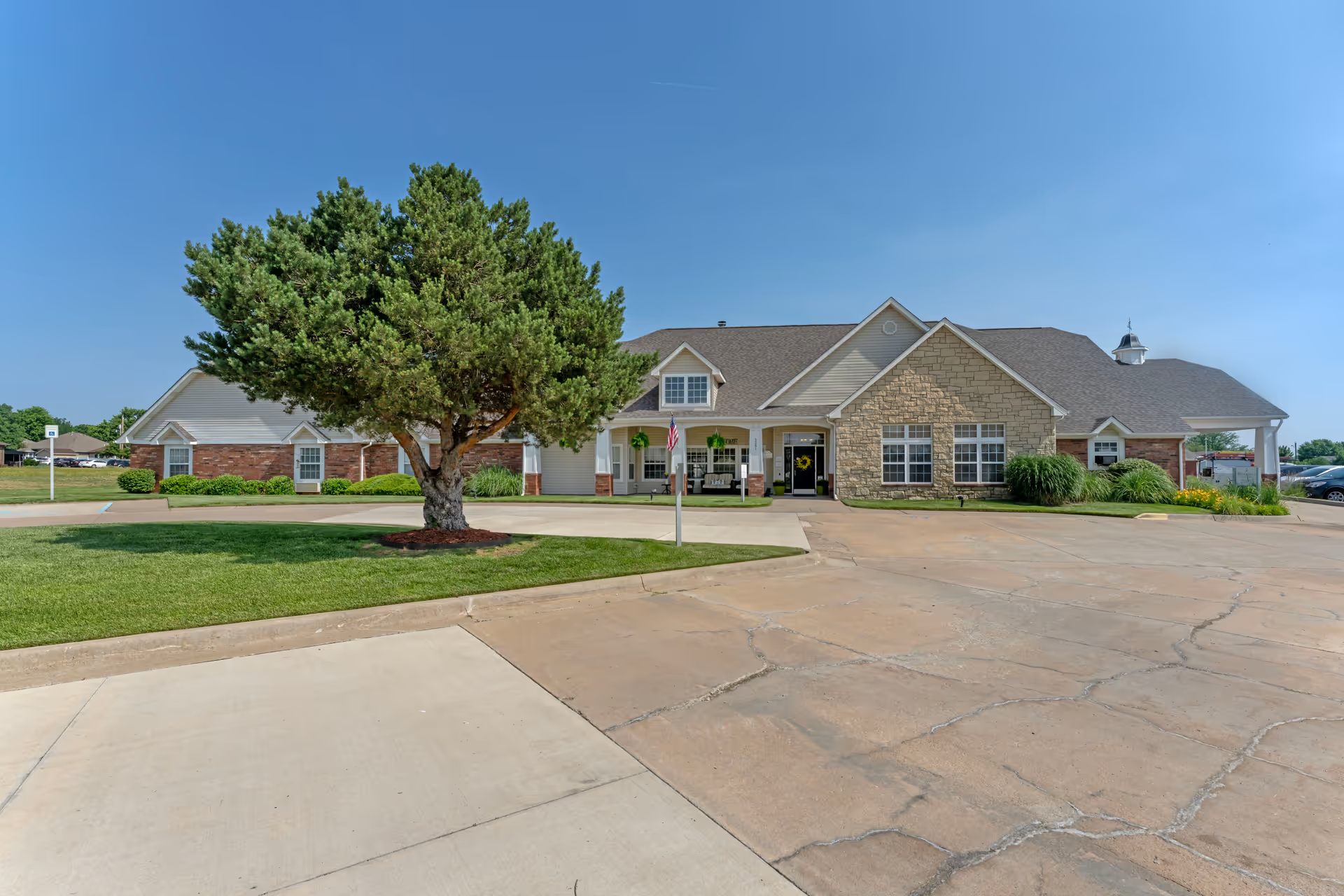
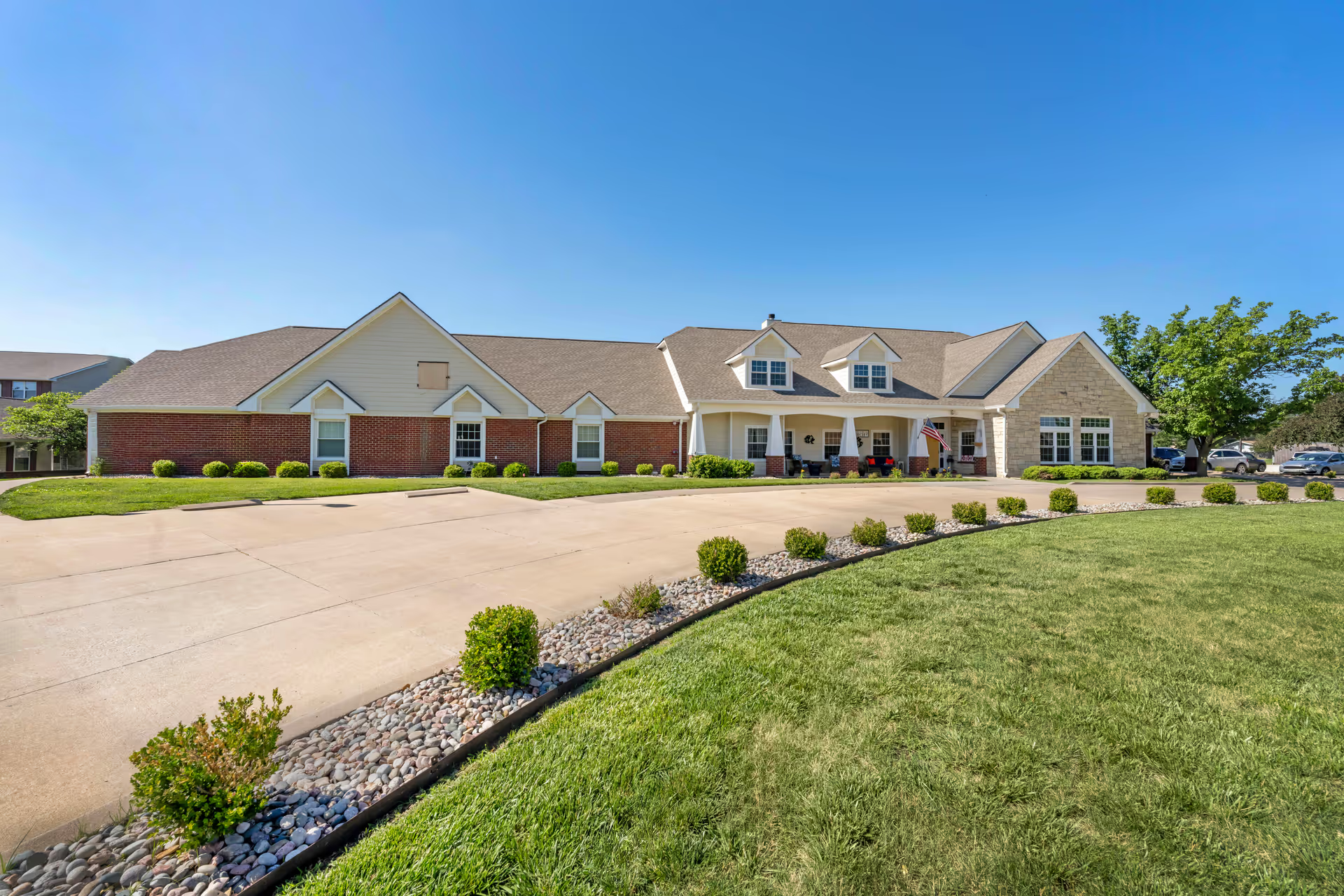
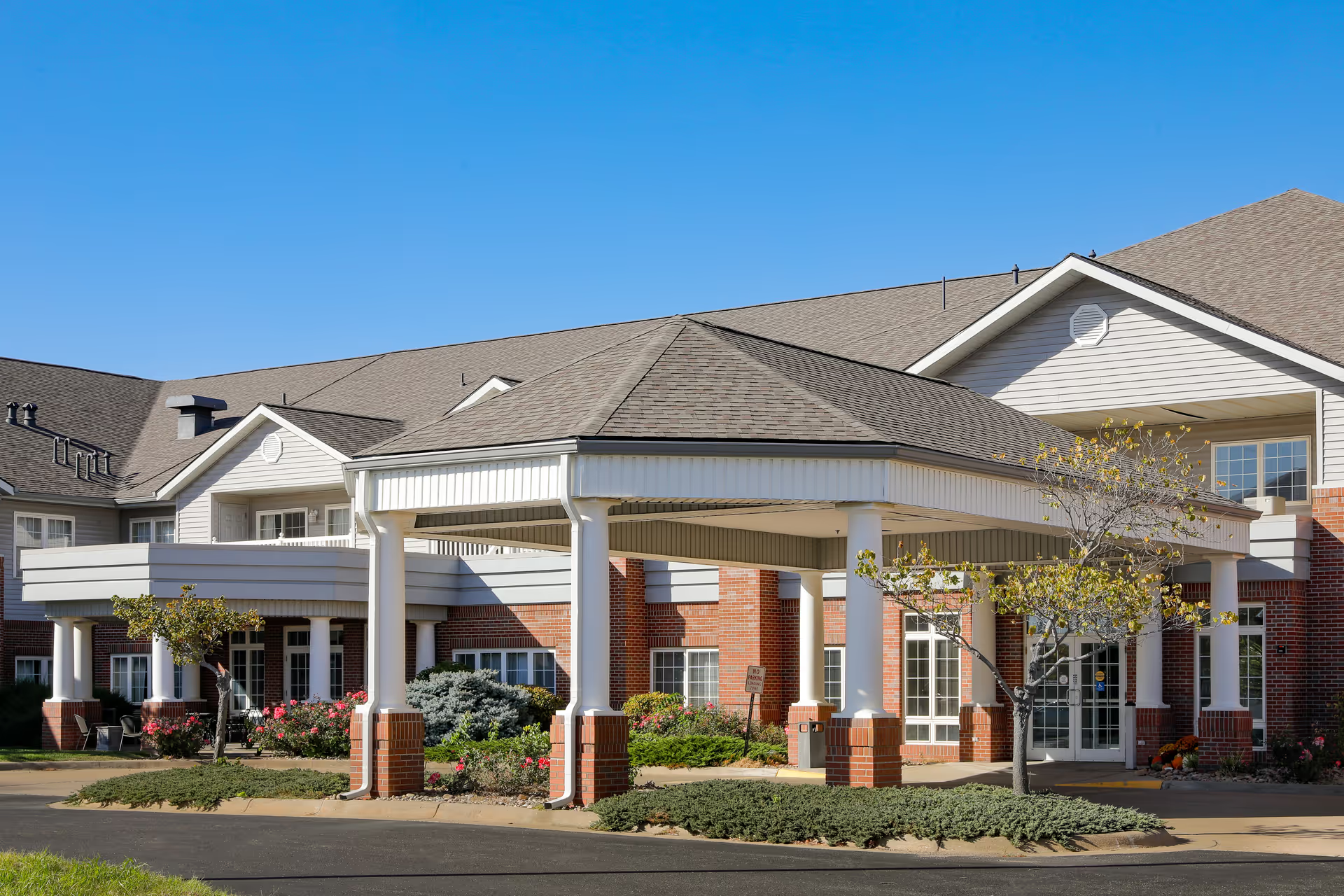
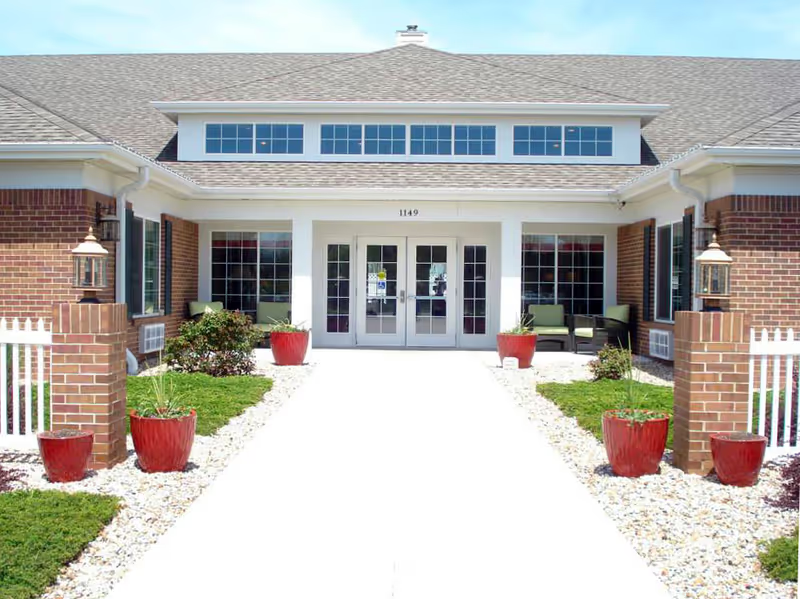
Wakefield Care & Rehabilitation Center presents a consistent pattern of strengths in interpersonal care, activities, and community presence. Many accounts describe a family‑oriented culture in which staff are attentive, welcoming, and willing to go beyond baseline duties. Reviewers highlight strong collaboration with hospice providers and a focus on dignified end‑of‑life support, as well as positive rehabilitation experiences and attentive nursing oversight. The facility's small‑town setting and visible community engagement (including donations and volunteer involvement) contribute to a home‑like atmosphere that families and visitors frequently commend.
Staffing and workforce development are prominent themes. Multiple comments emphasize hands‑on caregivers, dedicated CNAs, and on‑site training initiatives (CMA/CNA instruction and work‑based advancement). Several individual employees and trainers received direct praise for teaching, leadership, and calm resident interactions. This focus on staff education appears linked to reported strengths in person‑centered care, infection control during the COVID period, and responsiveness to family communication and visit coordination.
Programming and daily life are also described positively. Activity offerings, communal dining, worship visits, and social engagement opportunities are repeatedly noted as contributing to residents' quality of life. The physical environment is characterized as clean, comfortable, and attractive; reviewers mention pleasant meal times, staff and residents dining together, and an overall welcoming aesthetic. Families also reference effective coordination during transitions and rehabilitation, and many describe improved mood and functioning for residents during stays.
Notwithstanding the broadly positive pattern, the feedback set contains at least one sharply negative testimonial that contrasts with the general sentiment. Taken together, the input suggests occasional variability in individual experiences — specifically variability in care outcomes and in individual staff interactions. Prospective residents and families may find it useful to tour the facility, ask for recent quality indicators (inspections, staffing ratios, incident follow‑up), and speak directly with administrators about any particular clinical or behavioral needs. Doing so can help clarify whether the facility's strengths in hospice collaboration, staff training, and activity programming align with an individual resident's priorities.