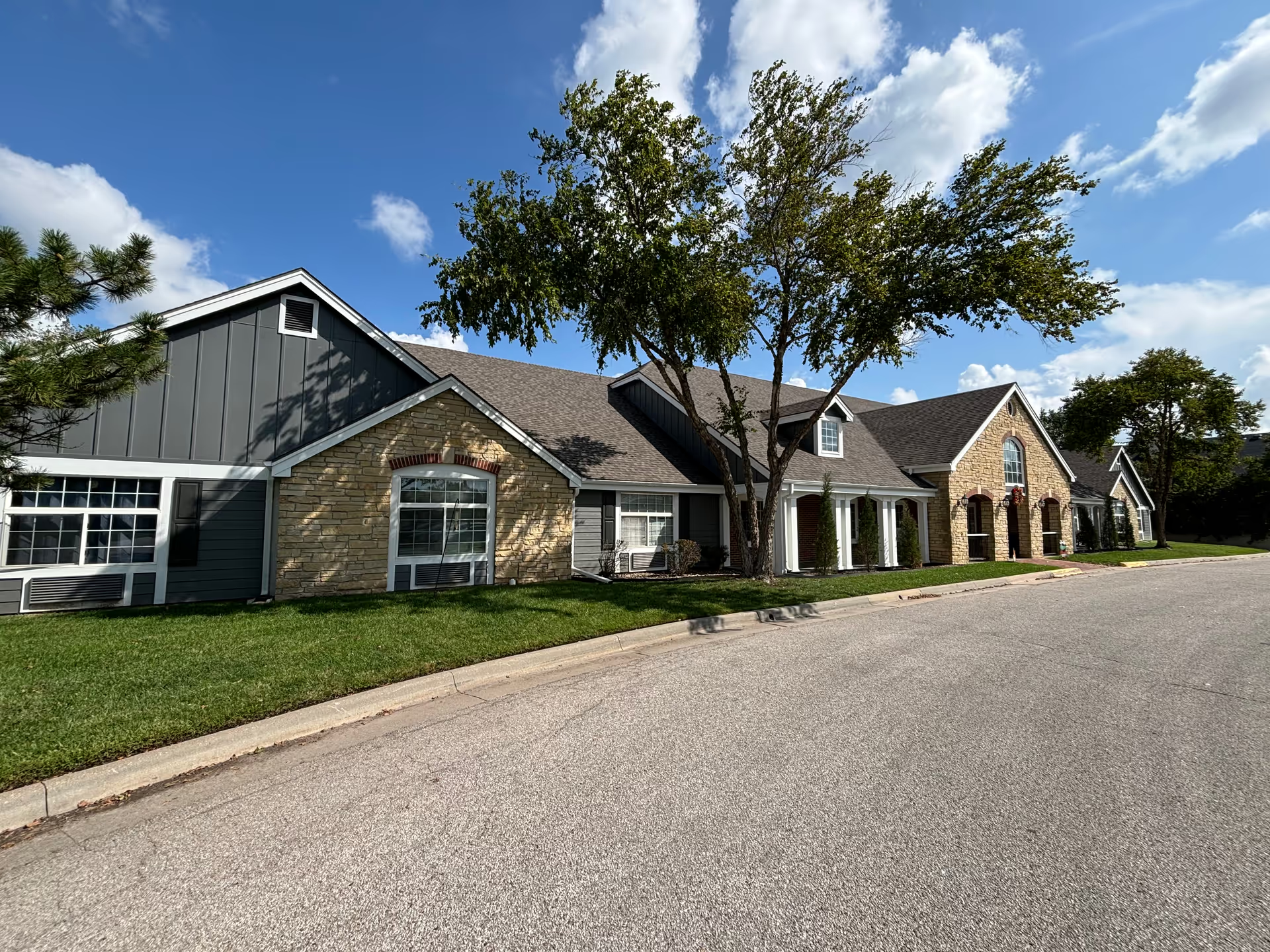
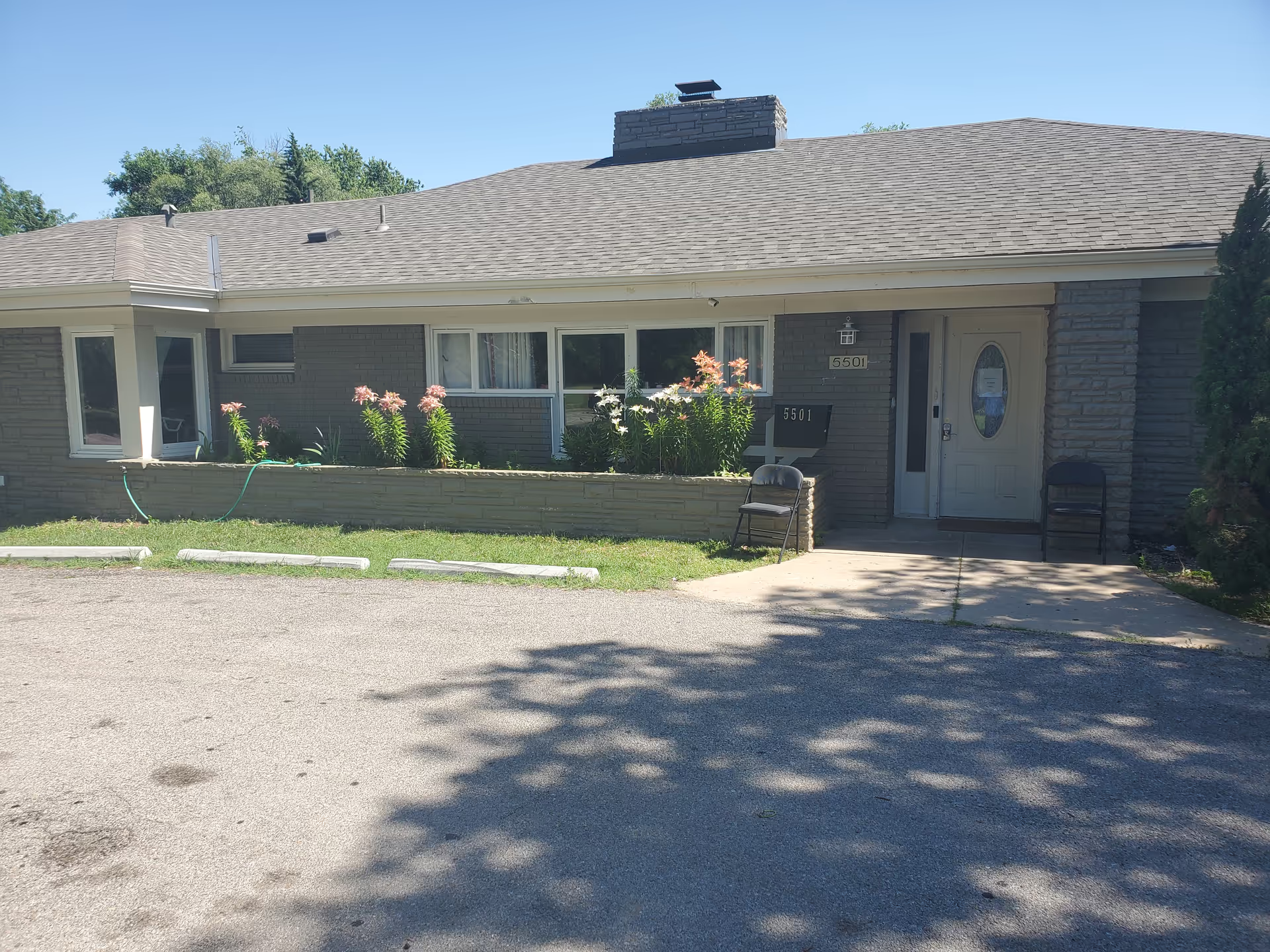
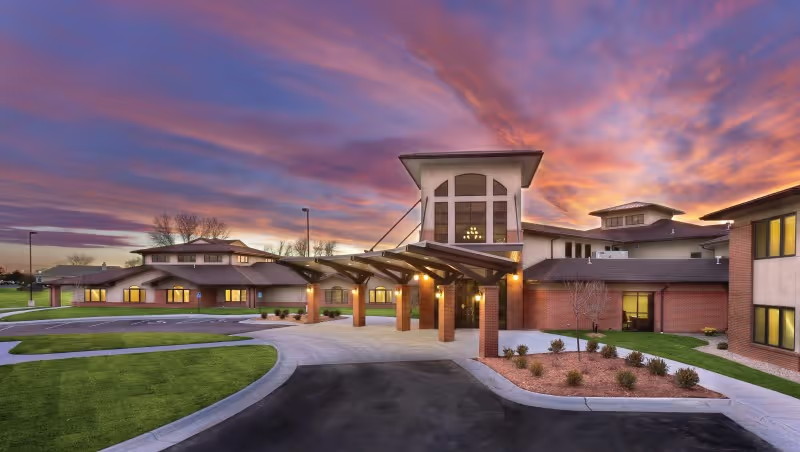
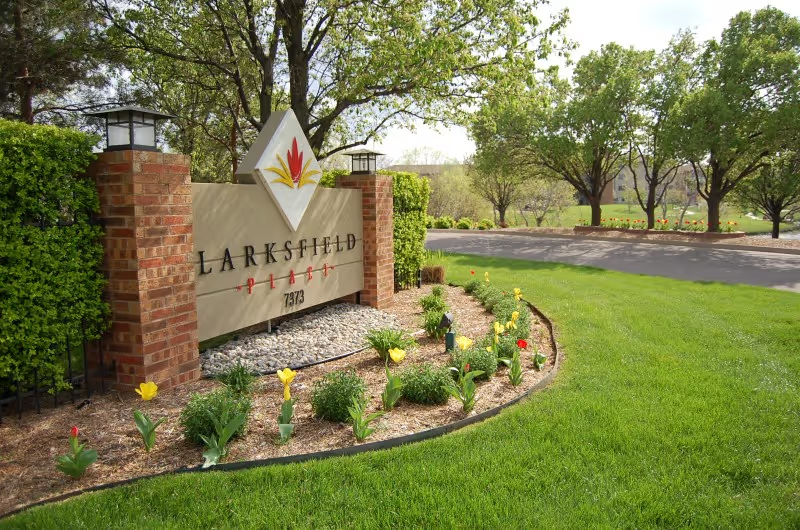
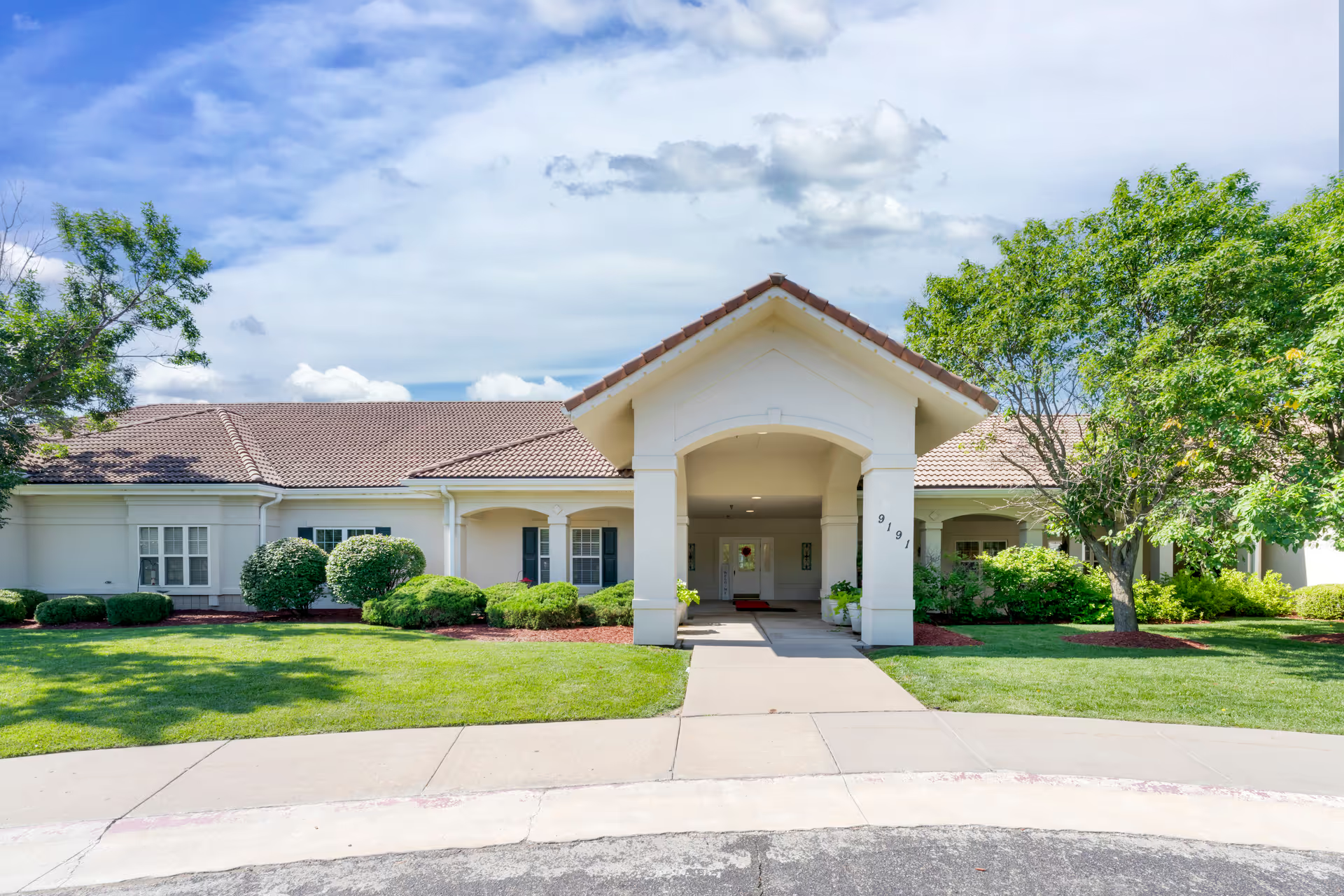
Reviewer feedback for Credo Senior Living and Memory Care — Wichita is mixed and highlights clear strengths alongside operational concerns. Positive comments emphasize a warm, personable care culture and specialized dementia services: several reviewers described staff as welcoming and attentive, and the facility’s appearance and maintenance were noted as impressive. Additional support services and personalized attention to residents are also cited as strengths, particularly for families seeking memory-care programming.
At the same time, a consistent negative theme concerns responsiveness and communication. Multiple reviewers described difficulty reaching staff or receiving timely callbacks, and there are statements indicating concerns about the tone of staff interactions. These observations suggest uneven front-line responsiveness and variability in staff conduct that may affect family confidence and perceived quality of day-to-day care.
Clinical-care reliability and management oversight are additional areas of concern. Some reviewers linked care issues to hospital transfers, indicating potential gaps in monitoring, care coordination, or escalation procedures. Related comments point to frustration with management follow-up and a lack of clear communication after care events. Together these patterns imply opportunities to strengthen clinical protocols, incident communication, and leadership responsiveness.
Dining and activities received little direct commentary in the summaries provided. Prospective residents and families should request current menus, sample activity calendars, and information on individualized engagement plans during a tour. Facilities-wise, the property was described positively for aesthetics and upkeep, which may support resident comfort and social programming if matched by consistent staffing.
Practical next steps for families: verify staffing ratios and on-shift clinical coverage, ask about call-response expectations and escalation pathways, request examples of dementia-focused programming and staff training, and clarify how the community communicates with families after clinical events. These focused inquiries can help reconcile the positive aspects many reviewers note with the operational weaknesses reflected in concerns about responsiveness and management follow-through.