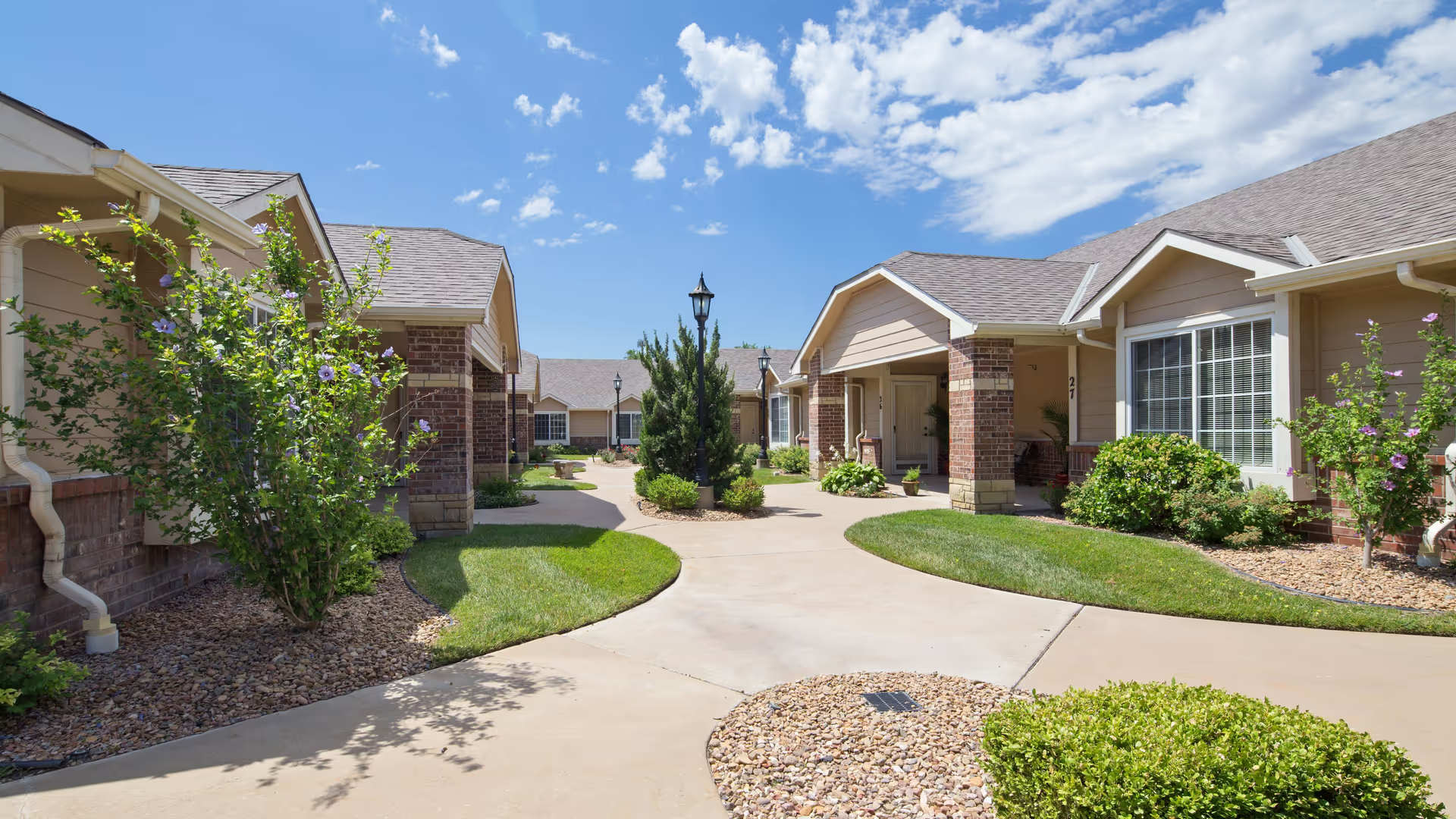
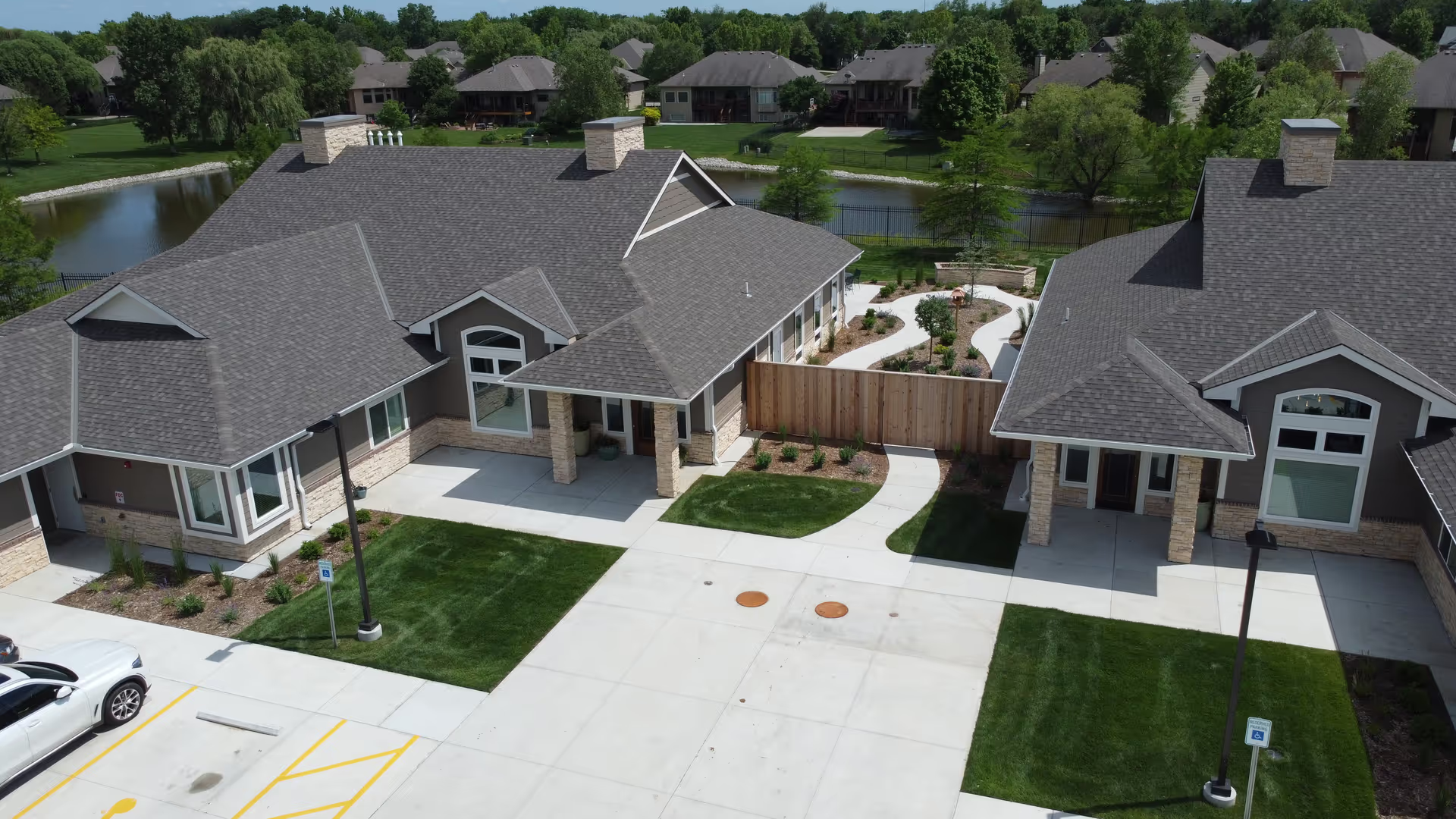
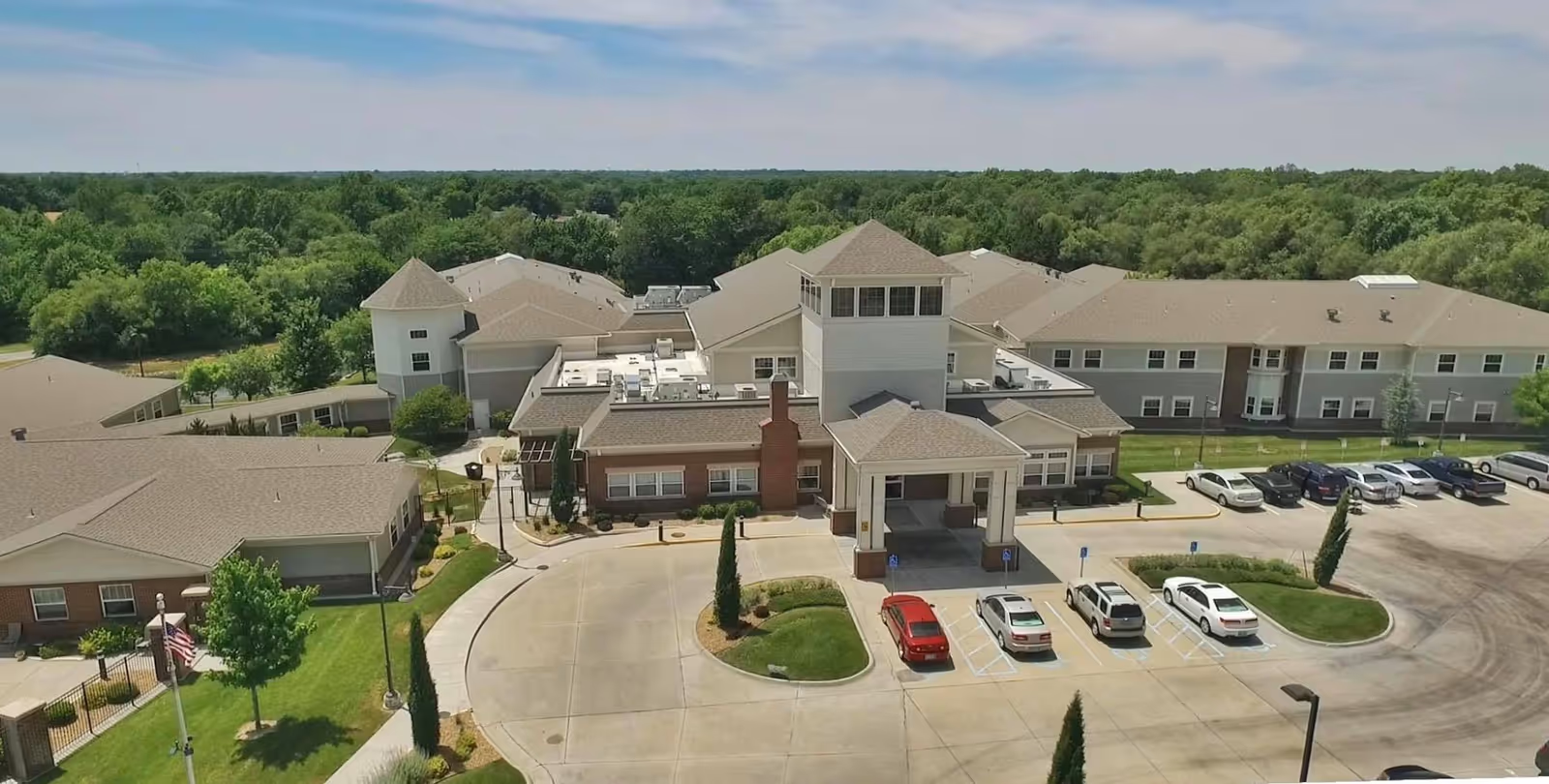
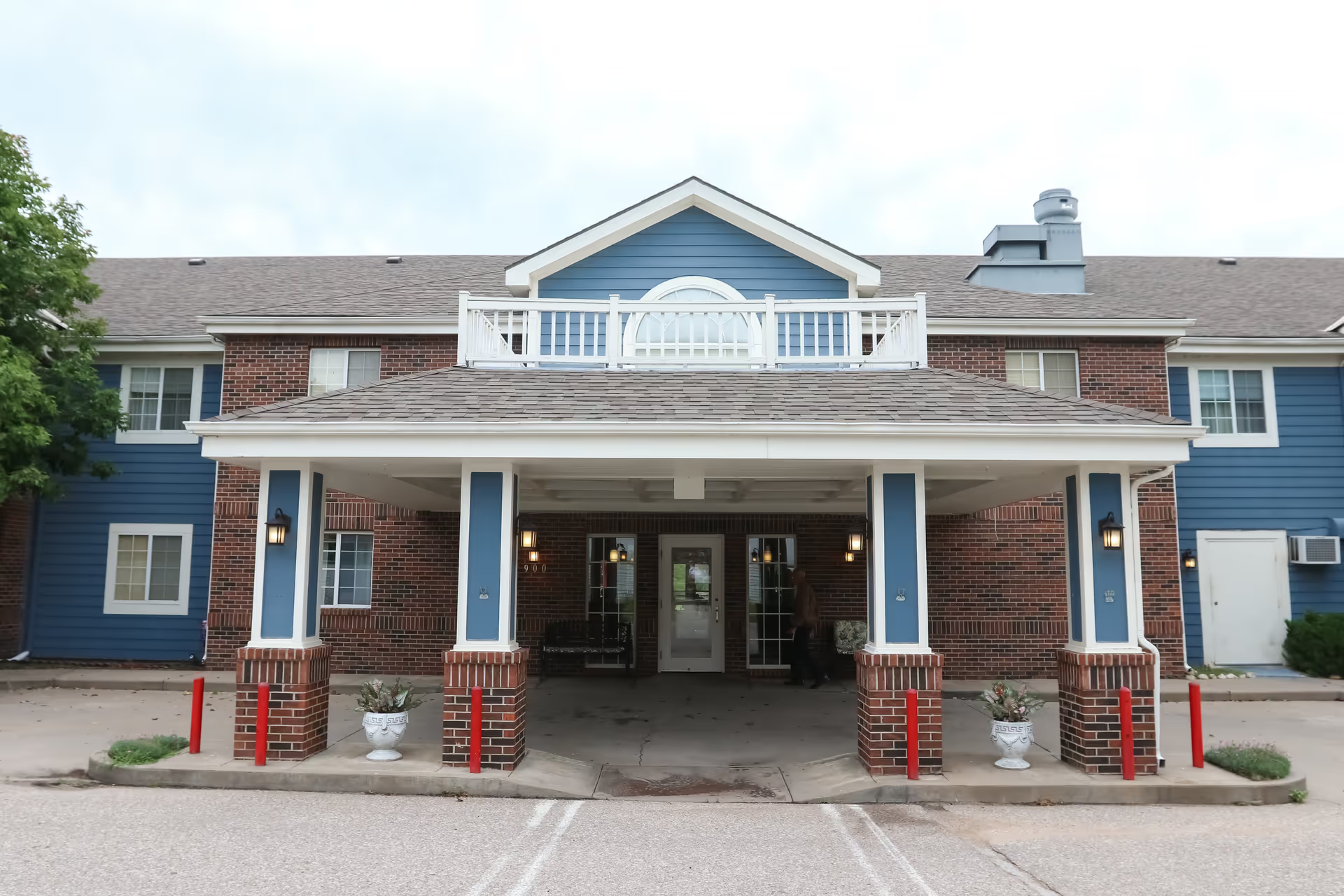
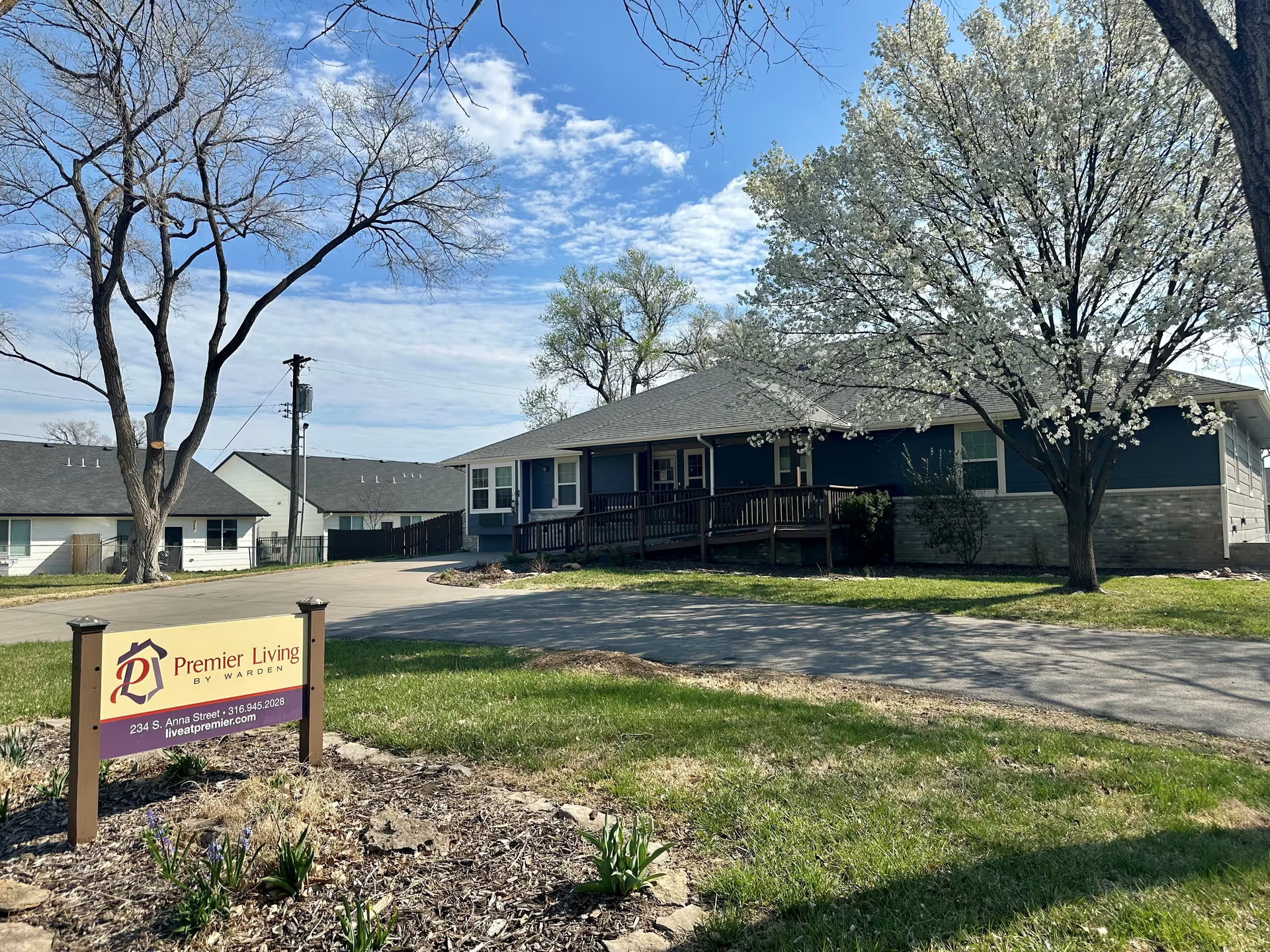
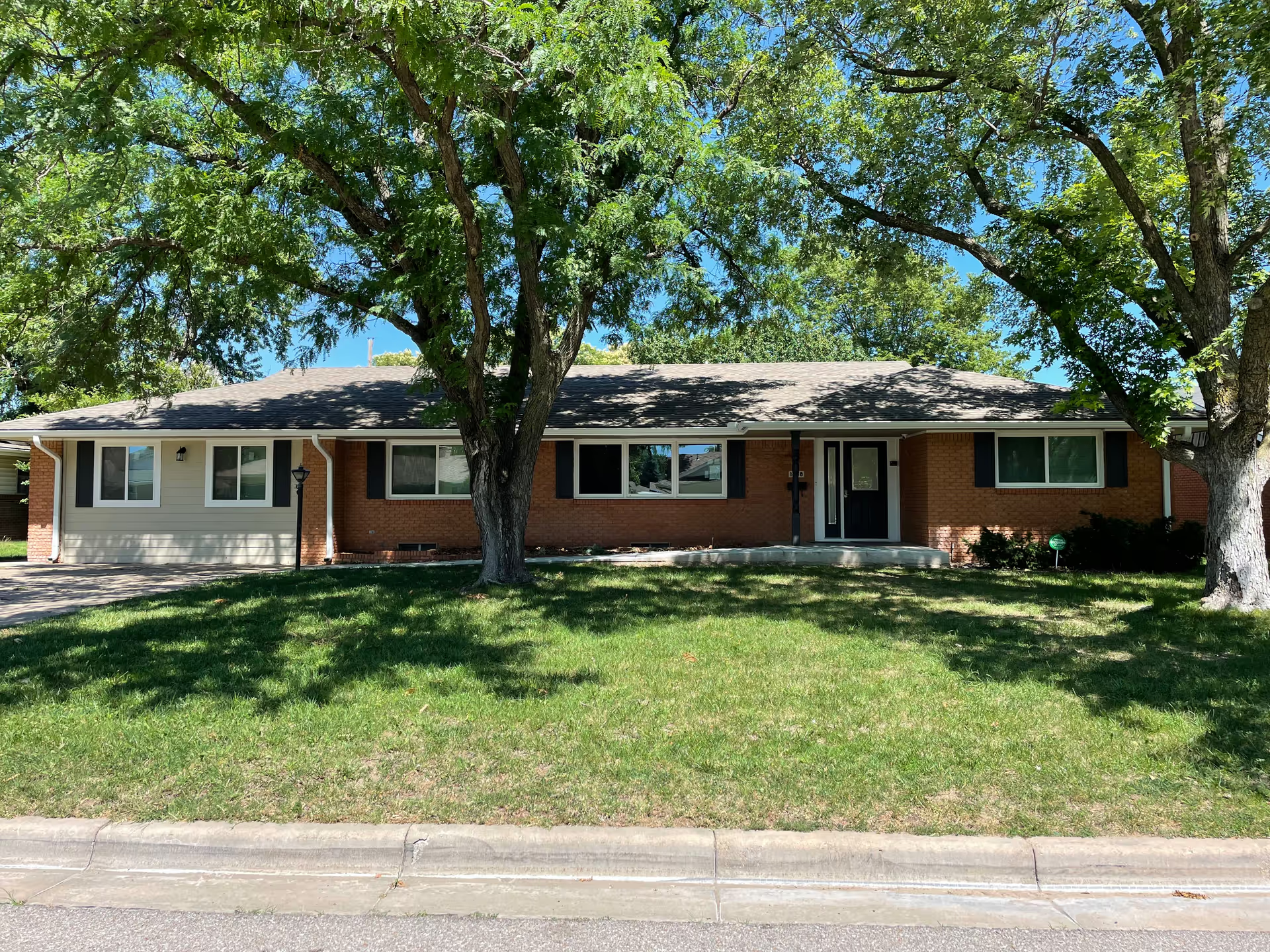
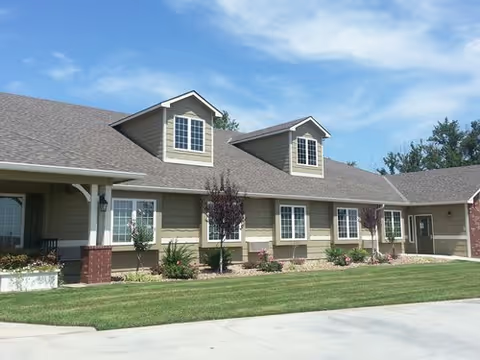
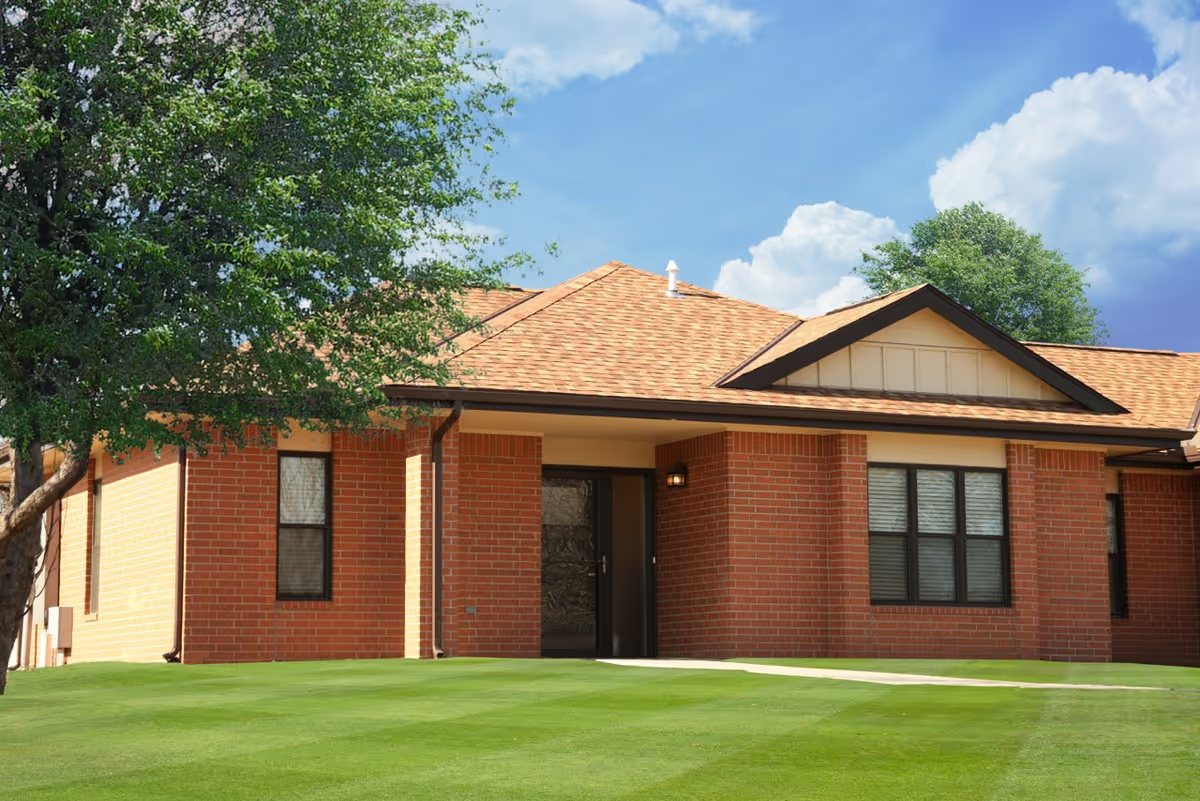
Holiday Grasslands Estates presents as an independent-living community with many of the amenities and social features families look for: chef-prepared meals, a formal dining room with social seating, a wide calendar of activities, routine transportation for shopping and appointments, and a variety of on-site amenities such as a library, salon, fitness room, and multiple activity spaces. Reviewers consistently describe a well-kept exterior and landscaped grounds, bright common areas with natural light, and apartment options that include patios or balconies. The community is pet friendly and maintains an emergency-alert system linked to outside response services, which supports resident safety in a non-clinical setting.
Staffing and direct-care interactions are a clear strength in many accounts: staff are frequently described as friendly, helpful, and attentive, with examples of employees going beyond expectations during moves, health events, and transitions. At the same time, reviewers point to staff turnover and occasional understaffing that can affect service consistency. Clinical services are limited by design: the community operates as independent living with no around-the-clock nursing in many units, although in-building home health and hospice referrals are available. Families should assess medical needs carefully before choosing this setting.
Dining receives mixed but prominent attention. Many reviewers praise the daily chef-prepared meals, large portions, and social atmosphere; others report a decline in quality over time, inconsistent preparation (overcooked or undercooked items), long meal wait times, and challenges accommodating dietary needs such as denture-friendly or diabetes-appropriate textures. In addition, several reviewers raised sanitation and dish/utensil cleanliness concerns in the dining area. These patterns suggest that meal experience can be excellent at times but may be variable depending on staffing and kitchen leadership.
Operational and facility patterns to note: housekeeping and sanitation are inconsistent across accounts, with some residents receiving regular linen and room cleaning and others experiencing delays or missed tasks. Pest-control incidents, infection-control lapses (including inconsistent mask use and disinfection practices during infection events), and occasional reports of cleanliness issues in common areas were raised and should be considered during a tour and inspection. Maintenance responsiveness is also variable: some families report prompt repairs, while others describe delayed responses to maintenance requests.
Contractual and management concerns appear repeatedly. Several reviewers described rigid lease terms, upfront community fees that are nonrefundable in practice, strict notice requirements, and refund disputes following hospitalizations or early departures. Management turnover and perceived communication gaps have contributed to uneven experiences; however, some reviewers praise particular managers or sales staff for effective support. Physical-plant constraints include small apartment sizes and limited in-unit cooking (small kitchenettes), only one elevator serving multiple floors, and some older building systems that may be due for updates.
In sum, Grasslands Estates offers many positive attributes for prospective independent-living residents—engaging social programming, a lively dining environment when operating well, attractive grounds, and largely warm staff interactions. Prospective residents and families should verify current kitchen leadership and sanitation practices, review contract and refund terms closely, inspect specific apartment layouts for size and accessibility, and ask about staffing stability and clinical supports to ensure the community’s operational realities align with individual needs and expectations.