Overall impression: Reviews of LakePoint Wichita are highly polarized. Many families and residents praise the staff, therapy services, and social programming, while a substantial set of accounts describe operational and clinical gaps—particularly in the skilled nursing/rehab side. The facility offers visible strengths in direct-care relationships and amenities, but persistent operational weaknesses create variability in the resident experience.
Care quality and clinical issues: Care quality appears inconsistent across units and shifts. Positive accounts highlight attentive CNAs, responsive call-light handling, and a strong therapy department that achieved measurable improvement for some residents. Contrasting accounts describe delays in medication delivery, missed or inconsistent night-time medication coverage, delayed escalation during medical events, and gaps in routine personal-care tasks (including bathing and incontinence-care timing). These patterns point to variability in clinical practice and care-plan adherence rather than uniformly poor or uniformly excellent clinical care.
Staff and culture: Many reviewers emphasize compassionate, patient, and resident-focused staff members, citing particular nurses, CNAs, and administrators by name in positive contexts. However, staffing shortages and uneven shift coverage are recurring operational themes that contribute to delayed responses, limited supervision, and perceived rough or hurried handling in a subset of reports. There are also mentions of improved morale and clearer resident-centered focus under newer management in some accounts, suggesting recent leadership changes have had positive effects for parts of the campus.
Dining and activities: Dining experiences are mixed. Several families praise short-order options, meal choice, and generally good food; other accounts describe limited meal service, cold meals, portion problems, challenges with special diets (for example, gluten-free accommodations), and concerns about food security. Activities are a clear strength on the assisted-living side and in parts of the campus—regular bingo, choir, karaoke, exercise classes, ceramics, chair ballet, and weekly worship services are noted as engaging and well-run. Conversely, other areas or units are described as having limited programming and few social events.
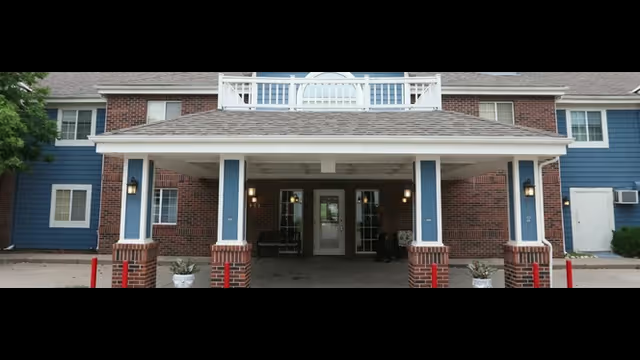
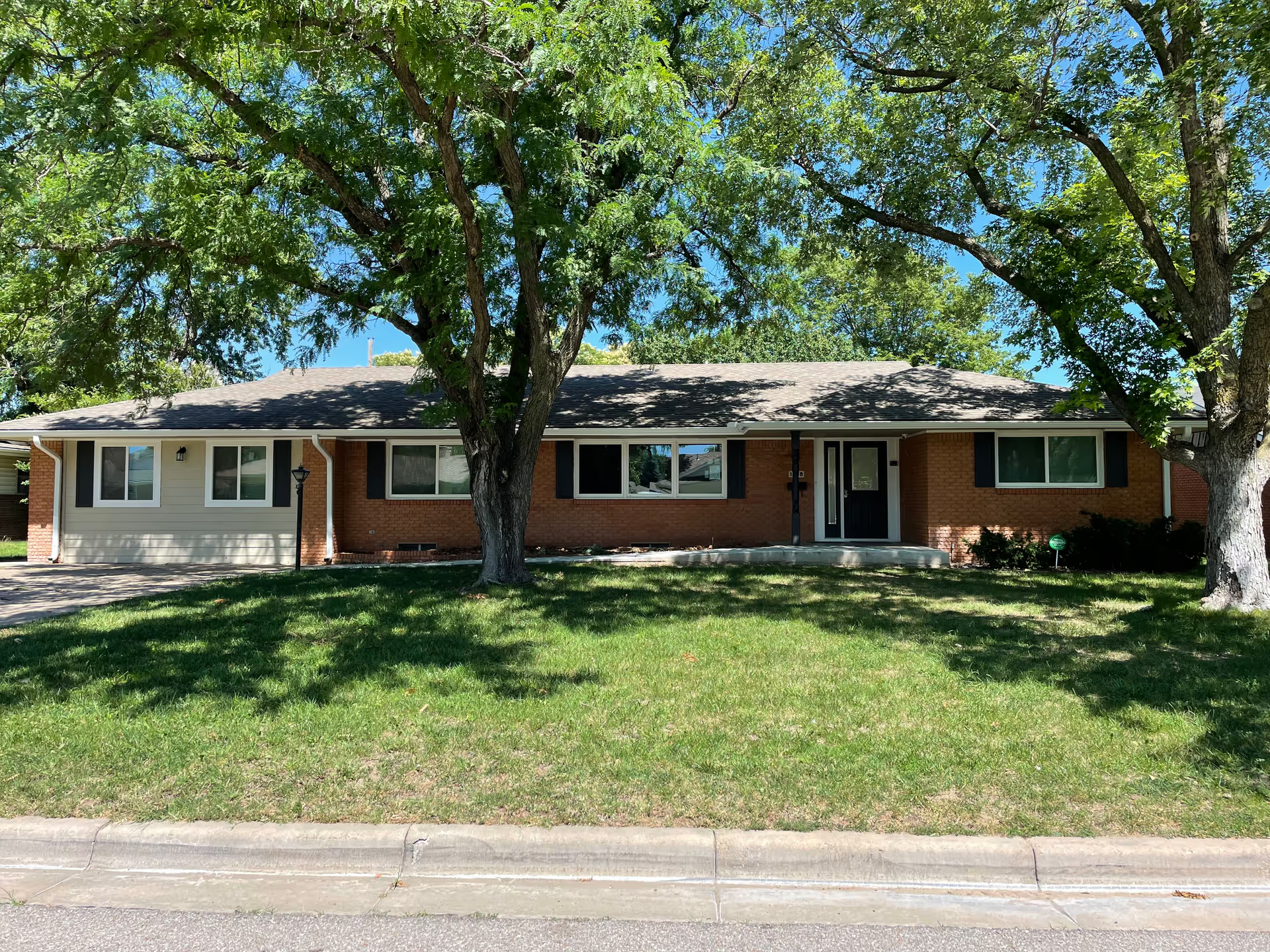
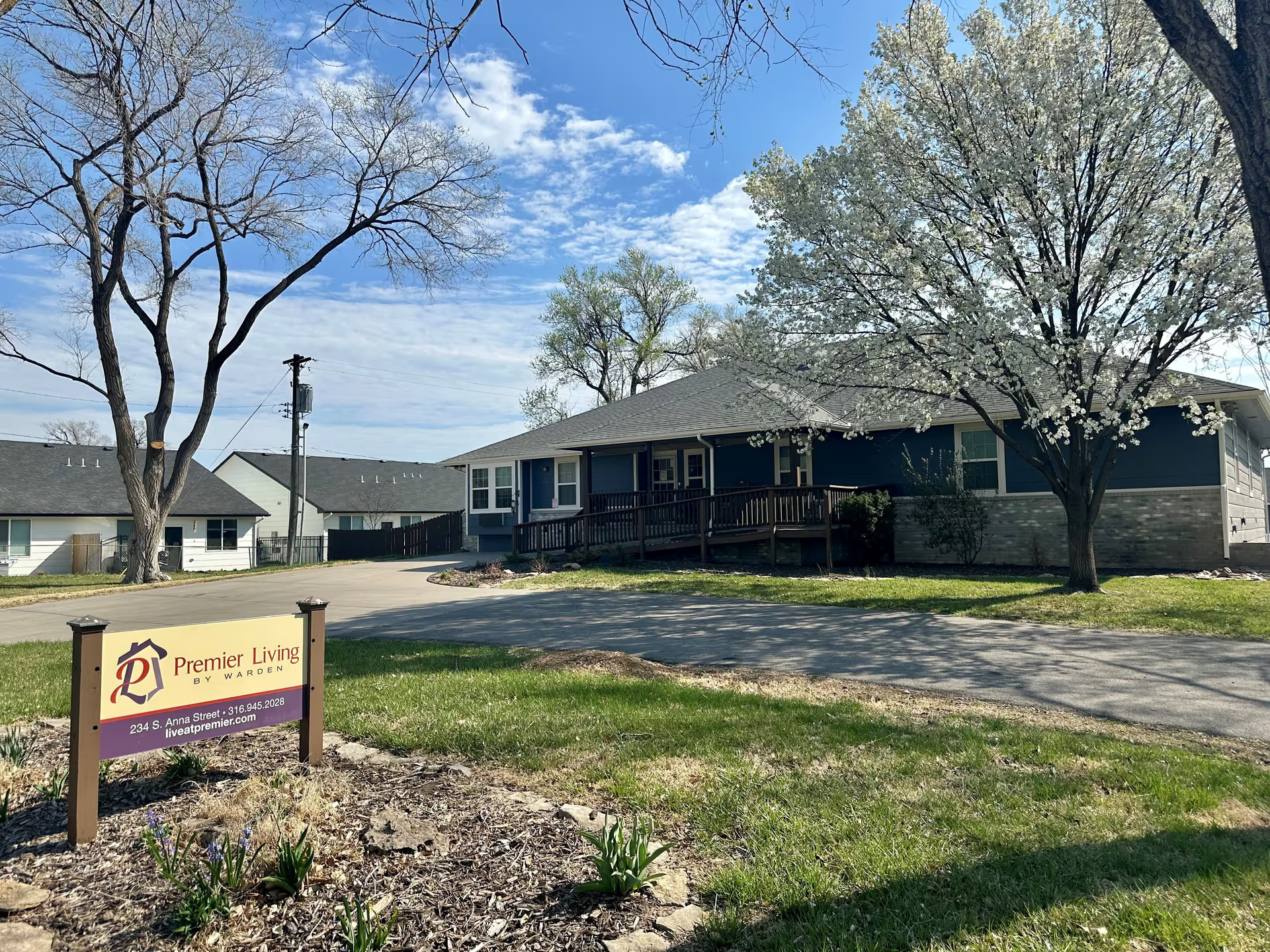
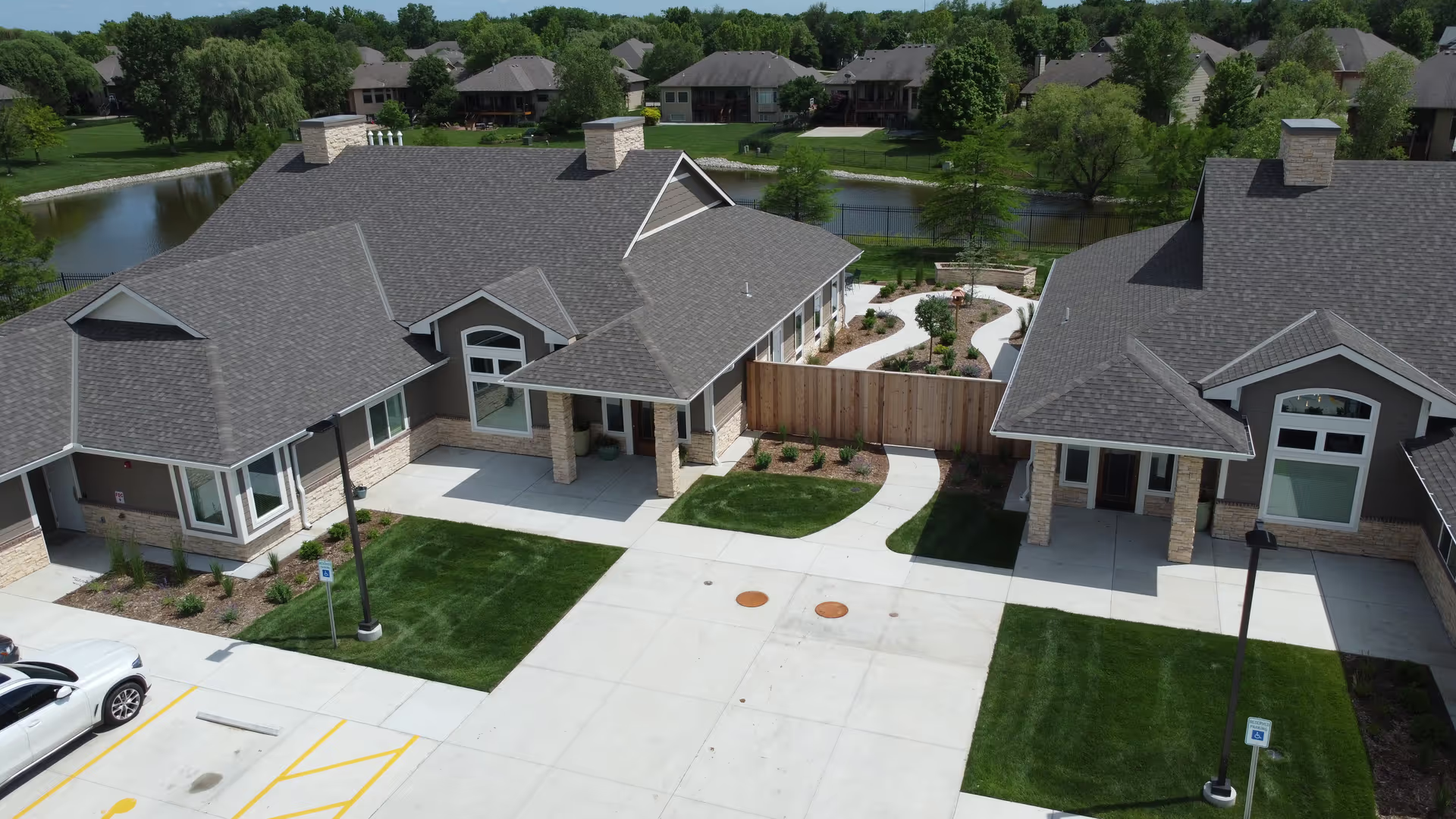
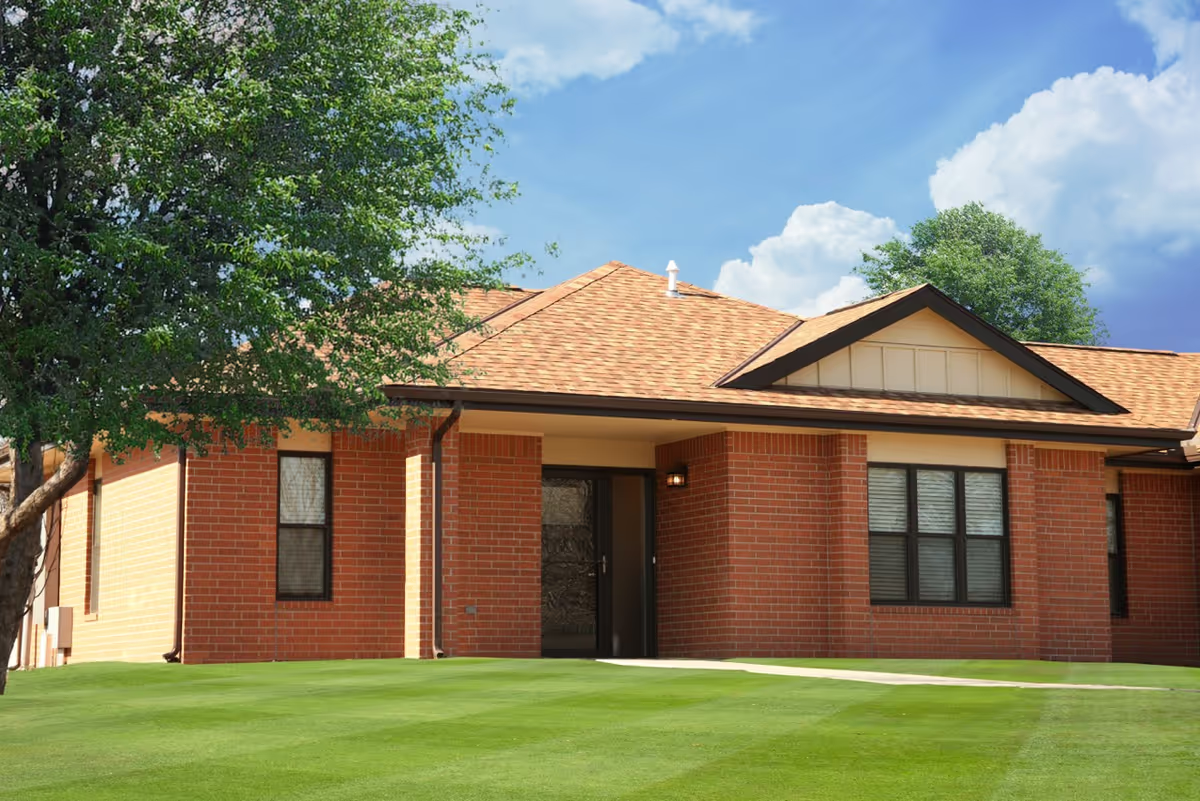
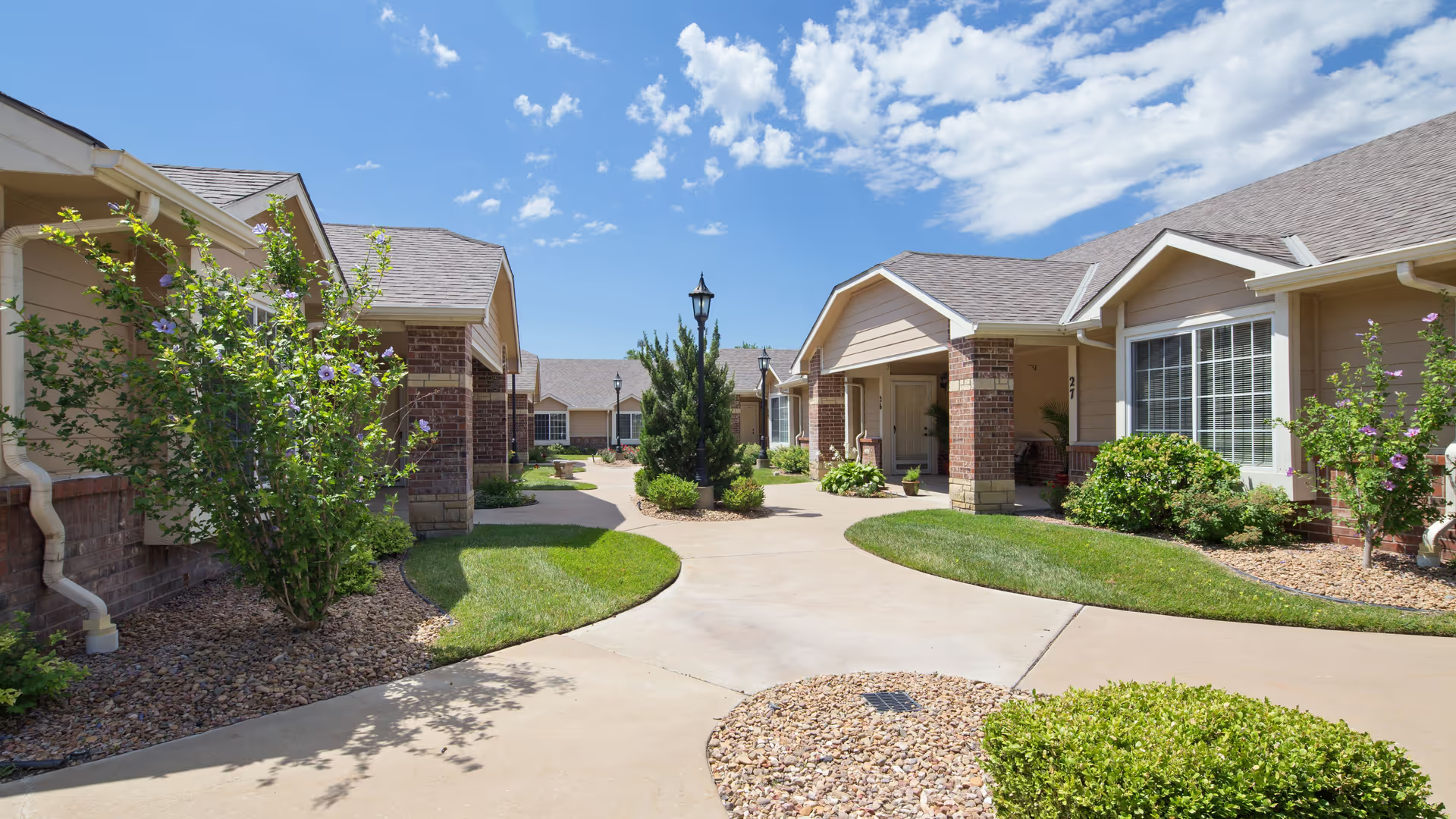
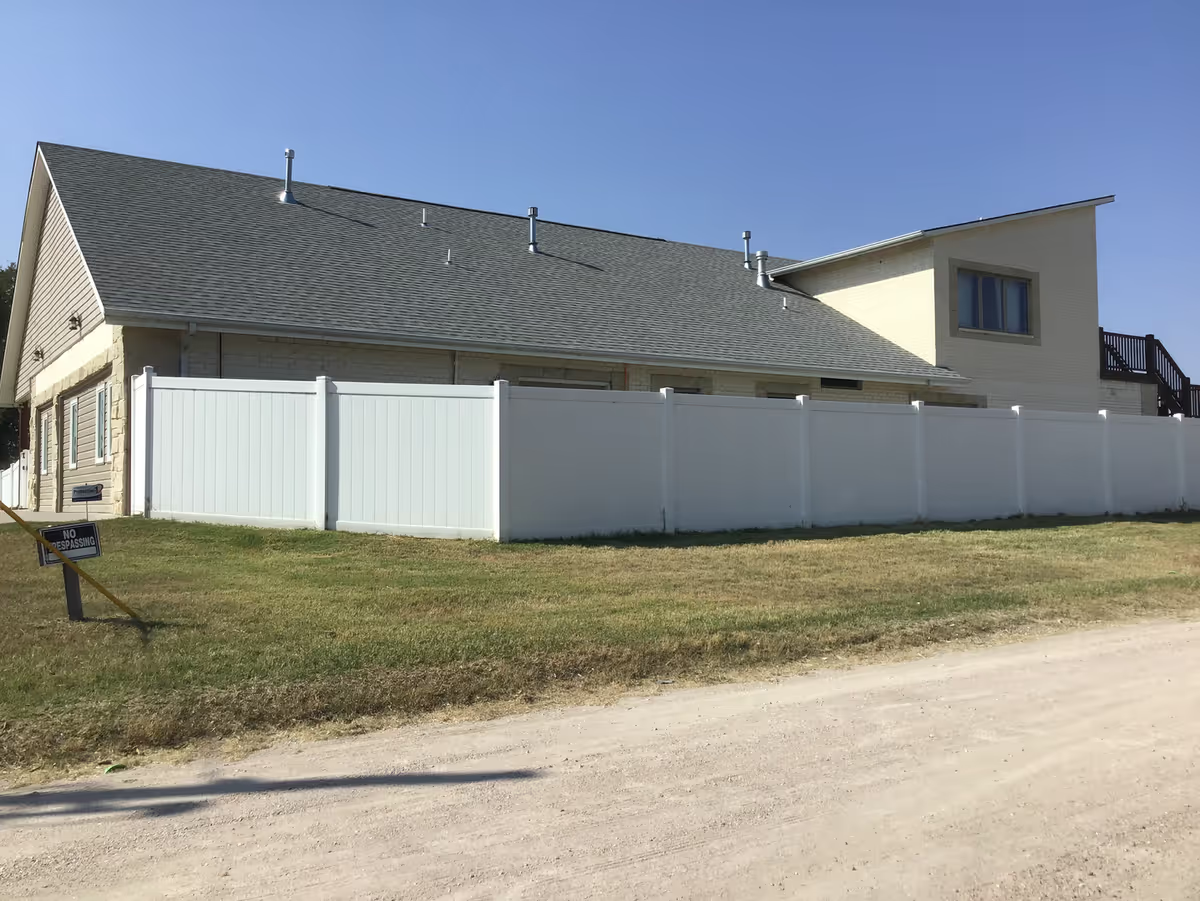
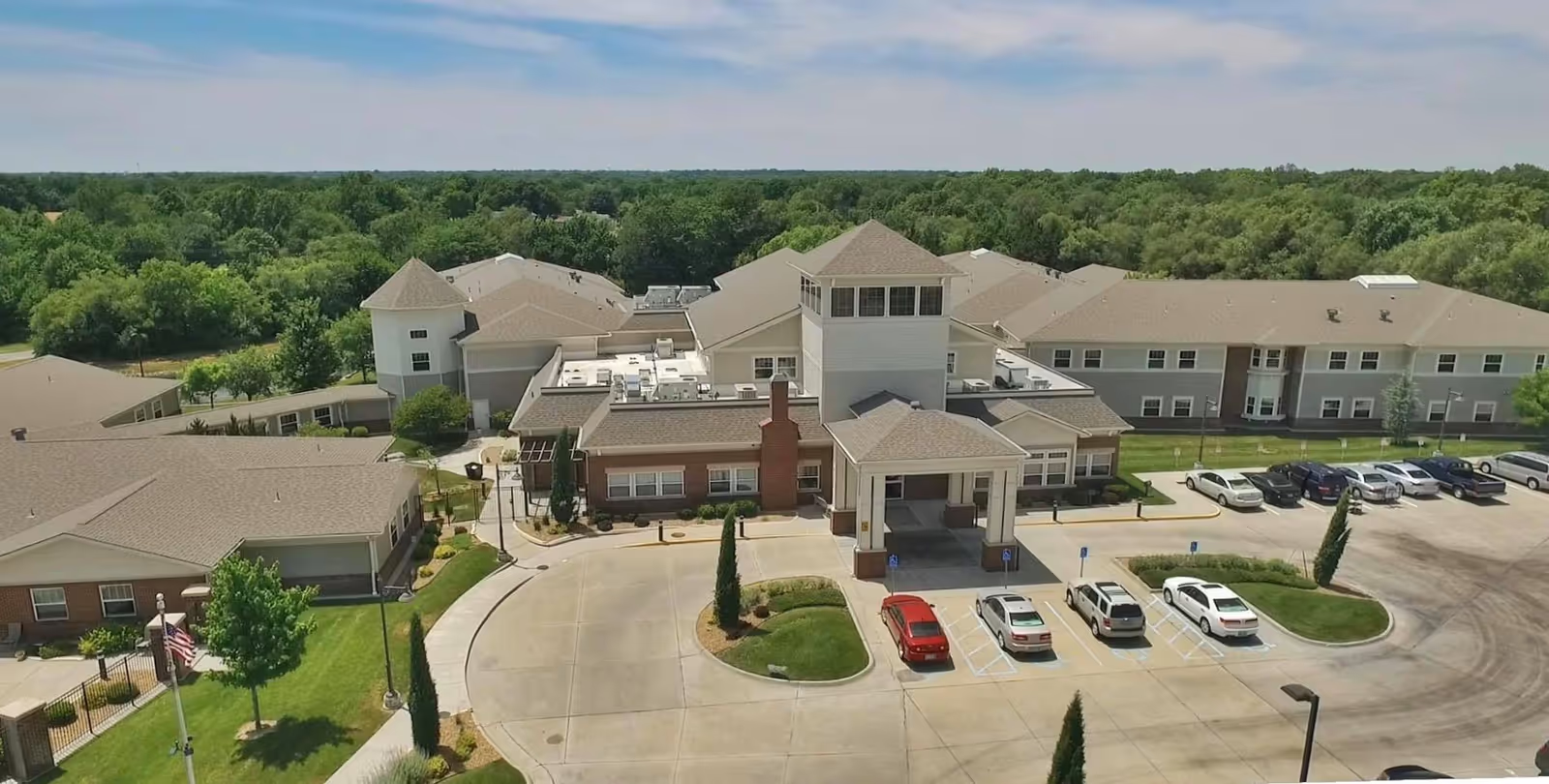
Facilities and amenities: The campus provides useful on-site amenities such as a hair salon, exercise and therapy spaces, internet and cable-ready rooms, and larger private suites with kitchenettes in some units. At the same time, reviewers cite dated architecture and furnishings, maintenance problems (lighting, electrical, telephone issues), cramped shared rooms in the rehab wing, heavy bathroom doors that impede mobility, mismatched or damaged furniture, stained floor coverings, and pest-control concerns in select areas. These issues suggest uneven capital-maintenance prioritization across the property.
Management, communication, and safety: Families report mixed experiences with administration. Some describe responsive administration that resolves problems and supports family involvement; others describe poor communication, difficulty reaching leadership, inconsistent visitation policies, unmet transportation commitments, mishandled respite stays, and even allegations about suppression of negative feedback. Security and asset-control concerns are present in multiple accounts (missing clothing, electronics, or other personal items). Taken together, these indicate inconsistent operational controls around family communication, visitation flexibility, resident belongings, and event reporting.
Notable patterns and recommendations for prospective families: The strongest pattern is variability: outcomes appear to depend on the specific unit, shift, and possibly recent changes in ownership or management. The assisted-living side and therapy department receive more consistently positive comments, while long-term skilled nursing and short-term rehab have more critical accounts. Prospective residents and families should tour the exact unit under consideration, ask for current staffing ratios and medication-administration procedures, review recent maintenance and pest-control logs, confirm dietary accommodation processes, and seek written clarification of visitation and respite policies. If clinical complexity is high, consider asking for recent clinical quality metrics and speaking directly with the charge nurse and therapy director before placement.