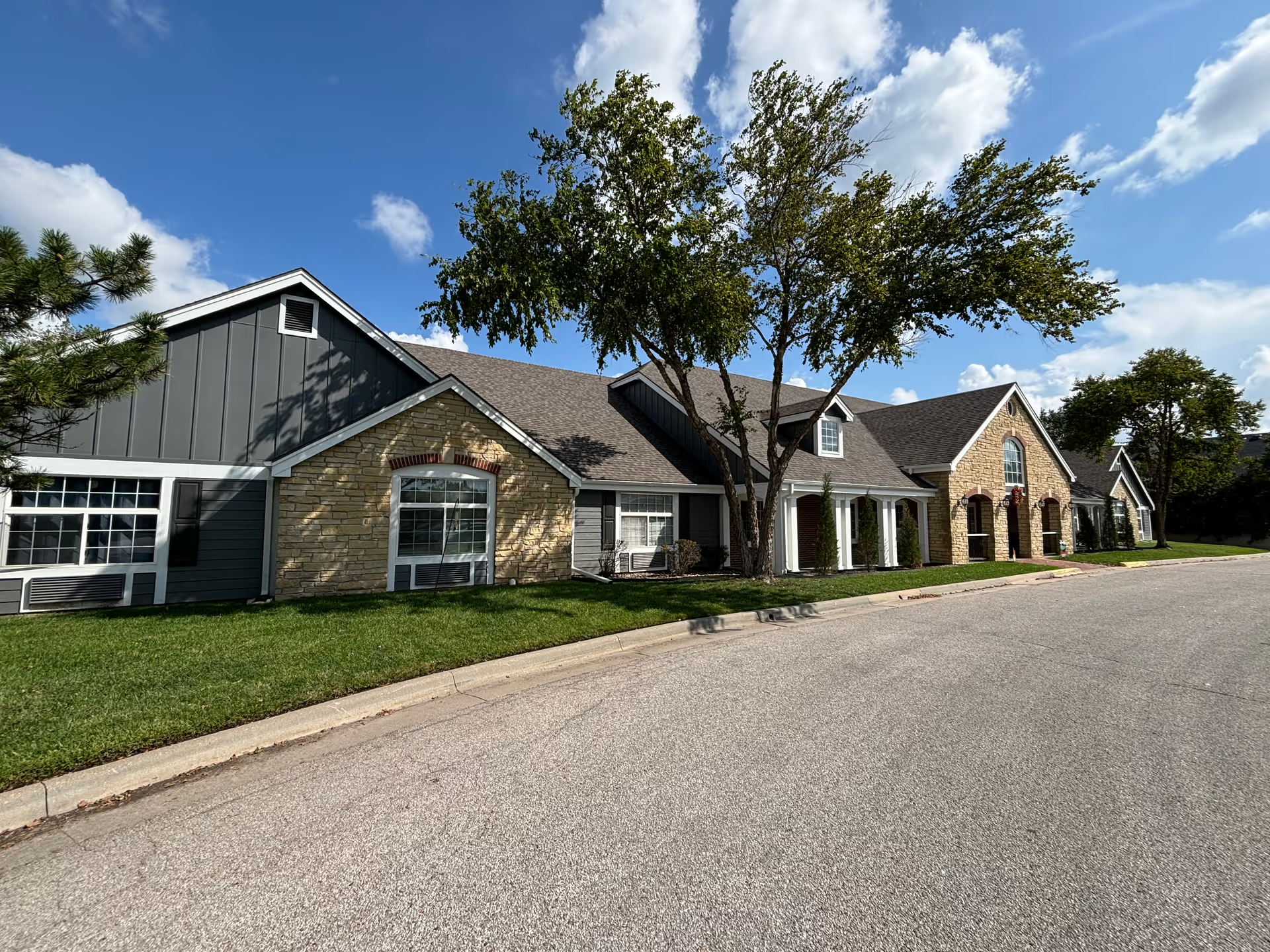
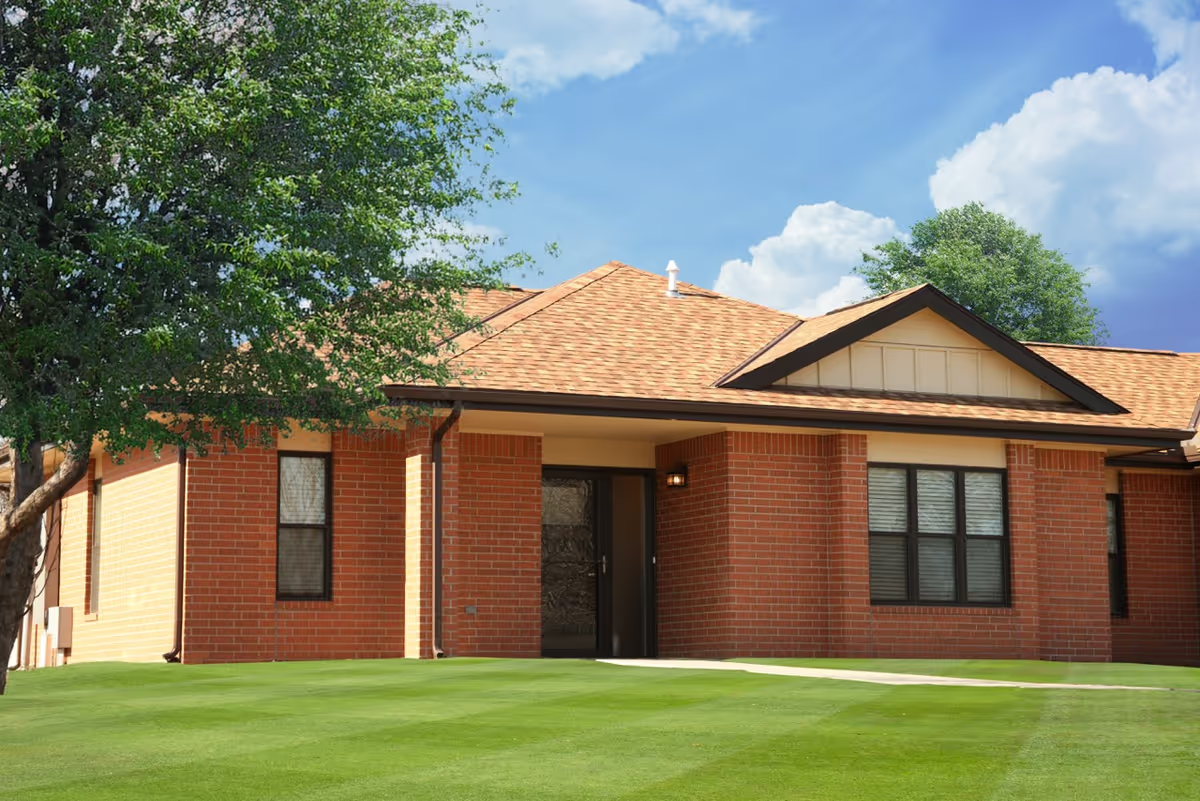
Reviews present a mixed but increasingly positive picture of Lincoln Care and Rehabilitation Center. Many comments emphasize a caring, resident-centered staff and a rehabilitation program that supports transitions to longer-term placement. The facility has received favorable CMS quality ratings (4–5 stars) and several accounts credit recent leadership changes and active renovation projects with measurable improvements in day-to-day operations.
Care quality is described as variable. Positive accounts note compassionate, attentive caregivers, individualized attention, and visible improvement in the care team over the past year. At the same time, other accounts indicate unevenness in responsiveness and clinical follow-through; these concerns manifest as delays in assistance and variability in care depending on shift or unit. There are also references to inefficiencies in hospital-transfer and testing-related processes that families find concerning and that can affect continuity of care.
Staffing and culture are central themes. Numerous comments praise individual staff members and describe strong, family-like relationships between caregivers and residents; several staff are described as professional, dedicated, and enthusiastic about resident wellbeing. However, the facility also shows signs of staffing pressure and morale challenges. This has been linked to slower response times at peak demand and variability in staff communication style; reviewers contrast examples of highly compassionate caregivers with instances of brusque interactions.
Dining and activities are generally seen as strengths. Multiple accounts highlight good food, consistent programming, and engaging social activities that contribute to resident quality of life. Visitor access and community engagement are noted positively in several descriptions, with families describing a welcoming environment for visits and gift-giving.
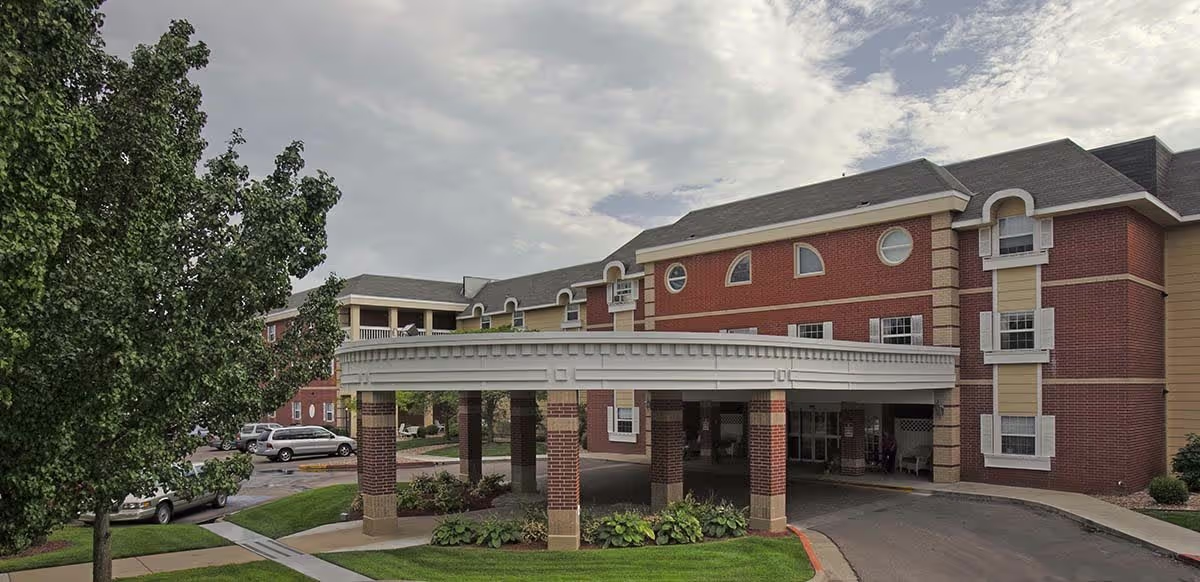
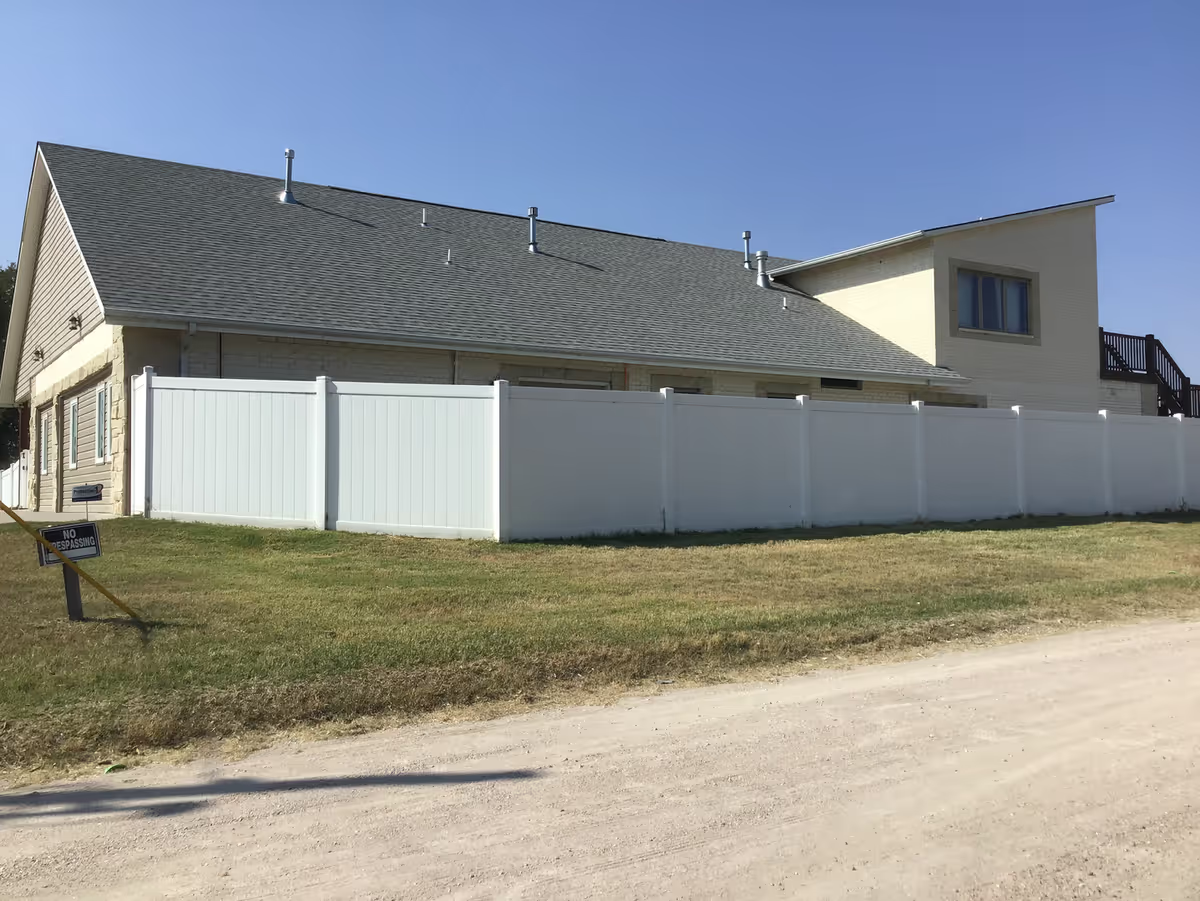
Physical plant and safety concerns are a recurring operational issue. While leadership has initiated renovation and maintenance projects, some reviews describe persistent cleanliness issues in rooms and common areas, flooring and repair deficits, and pest-control concerns in parts of the building. Those issues are operational in nature and suggest the need for continued capital investment and stronger environmental services oversight to align the physical environment with the level of care staff aim to provide.
Overall, the pattern is one of an organization in transition: an engaged, often highly regarded care team and active management efforts to improve, contrasted with ongoing operational problems tied to staffing, facility maintenance, and process consistency. Families considering this facility should weigh the strong rehabilitative and relationship-based care culture and recent improvements against documented variability in staffing, cleanliness, and transfer protocols. Prospective residents and families may want to visit in person, ask about current staffing ratios, recent inspection outcomes, specific maintenance timelines, and protocols for transfers and testing to confirm that recent improvements have been sustained.