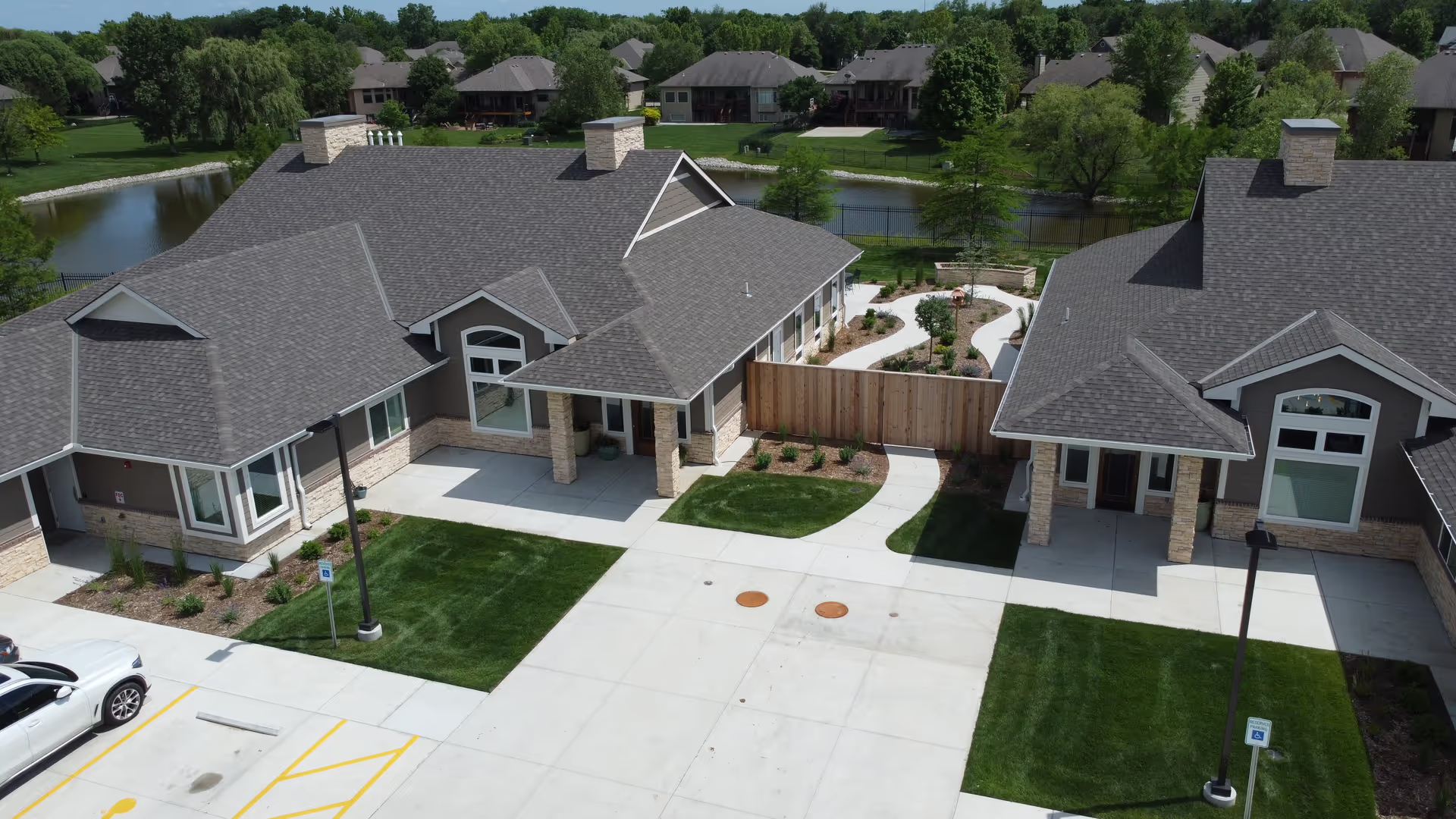
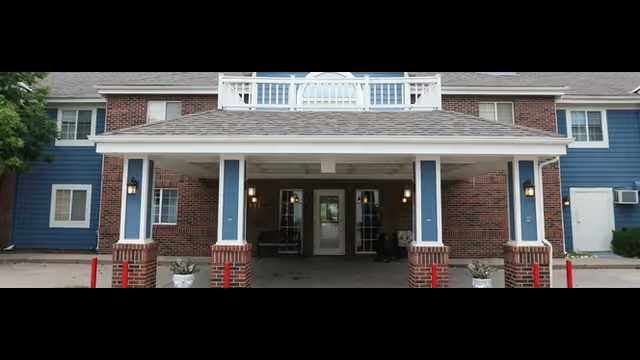
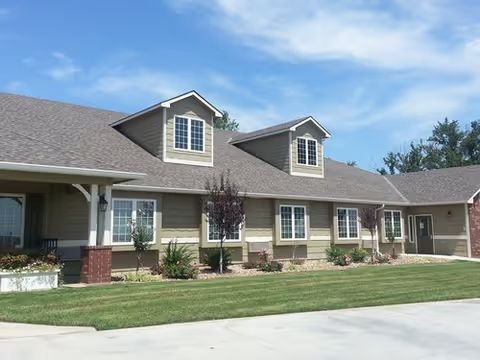
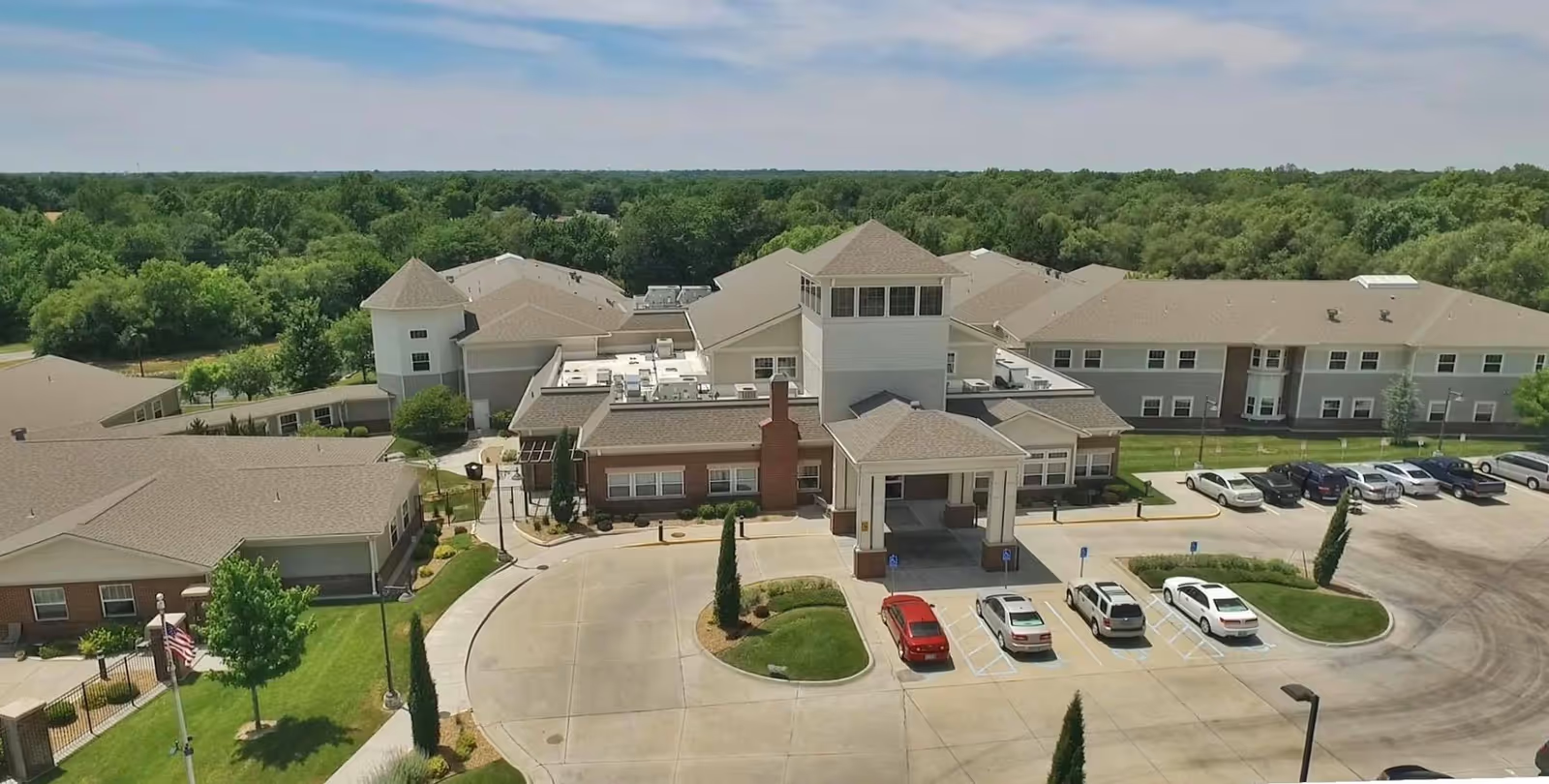
The Oxford Grand presents as a new, well‑appointed assisted living and memory care campus with many physical advantages: modern apartment‑style units with kitchenettes, attractive common areas, on‑site salon, enclosed courtyard and rooftop deck, and an active life‑enrichment program. Families frequently praise the building’s aesthetics, the chef‑led menu options, flexible dining hours and in‑room meal service, and the variety of activities (arts, exercise, faith‑based groups, outings and shuttle service). Many reviewers described staff who are compassionate, resident‑focused and capable of providing dignity‑preserving care; several accounts note positive transitions for residents and helpful administrative engagement during move‑in or care changes.
At the same time, a consistent pattern emerges around operational gaps, most prominently staffing. Reviews indicate chronic understaffing and high turnover that contribute to uneven day‑to‑day care reliability. These workforce issues appear to affect memory care most noticeably: families described inconsistent implementation of care plans, irregular toileting and bathing schedules, and sanitation or odor concerns in some higher‑acuity areas. Some narratives also describe isolated allegations of caregiver misconduct or inadequate responsiveness following serious incidents; these accounts heighten family concerns about the facility’s clinical oversight and supervision in memory care units.
Dining and activities are strengths, but execution is variable. While many residents and family members praise the restaurant‑style dining, chef involvement, 24/7 menu access and social programming, others describe meals served from warming trays or a cafeteria feel at times — a sign of inconsistency rather than systematic deficiency. The community offers a broad activities calendar and opportunities for family engagement, but residents with greater care needs may have difficulty accessing programs if staffing is limited.
Facility systems and management present mixed signals. The physical plant is generally new and attractive, but reviewers noted operational issues such as heating/HVAC problems, slow maintenance response times, incomplete amenity rollouts tied to ongoing development, and inconsistent Wi‑Fi performance that can affect monitoring technology. Several families expressed dissatisfaction with transparent cost communication — including rate increases and charges for supplies — and experienced management as dismissive or slow to resolve concerns. There are also some noted safety‑technology problems (access fob and GPS reliability) and concerns about marketing or call practices that could affect the community’s reputation.
Overall, Oxford Grand offers many desirable features for prospective residents seeking modern accommodations, varied programming and chef‑driven dining. Prospective residents and families should weigh those strengths against recurring operational themes: staffing stability, consistent memory care practices, maintenance and systems reliability, and clear, itemized cost communication. A careful, current tour focused on memory care staffing ratios, sample daily schedules, a review of a written, itemized fee schedule, and direct conversations with the memory care leadership is advisable for families considering placement.