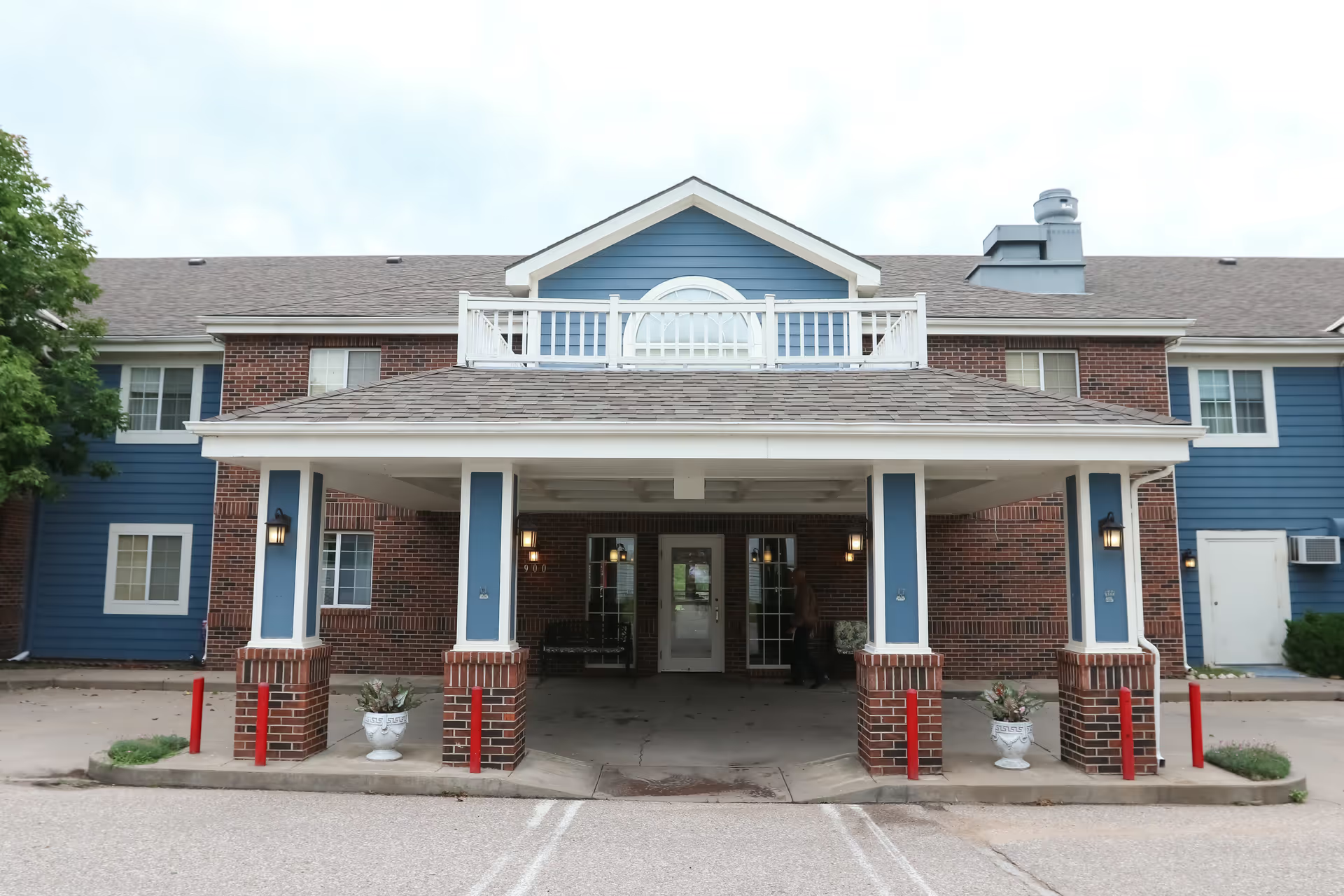
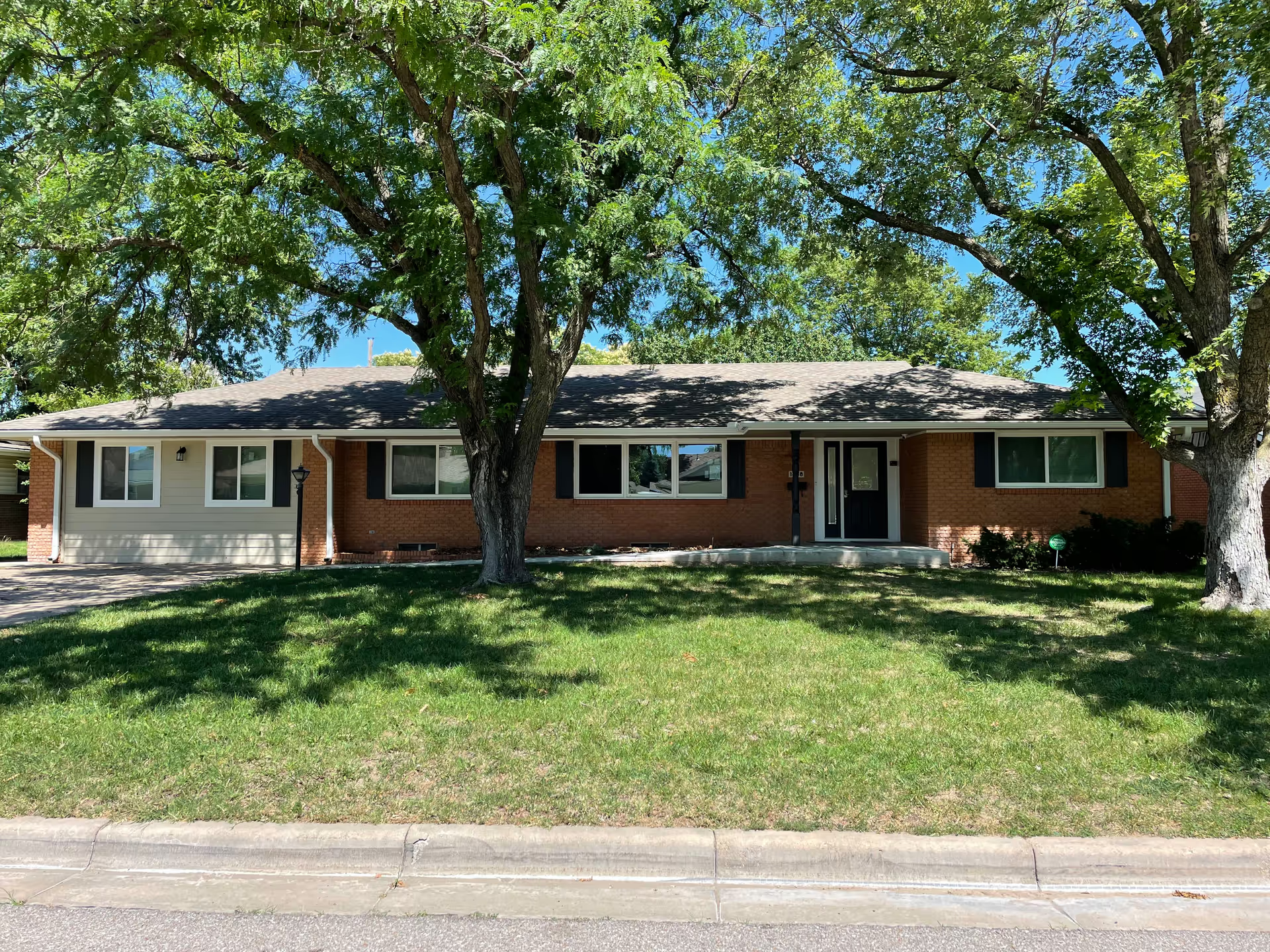
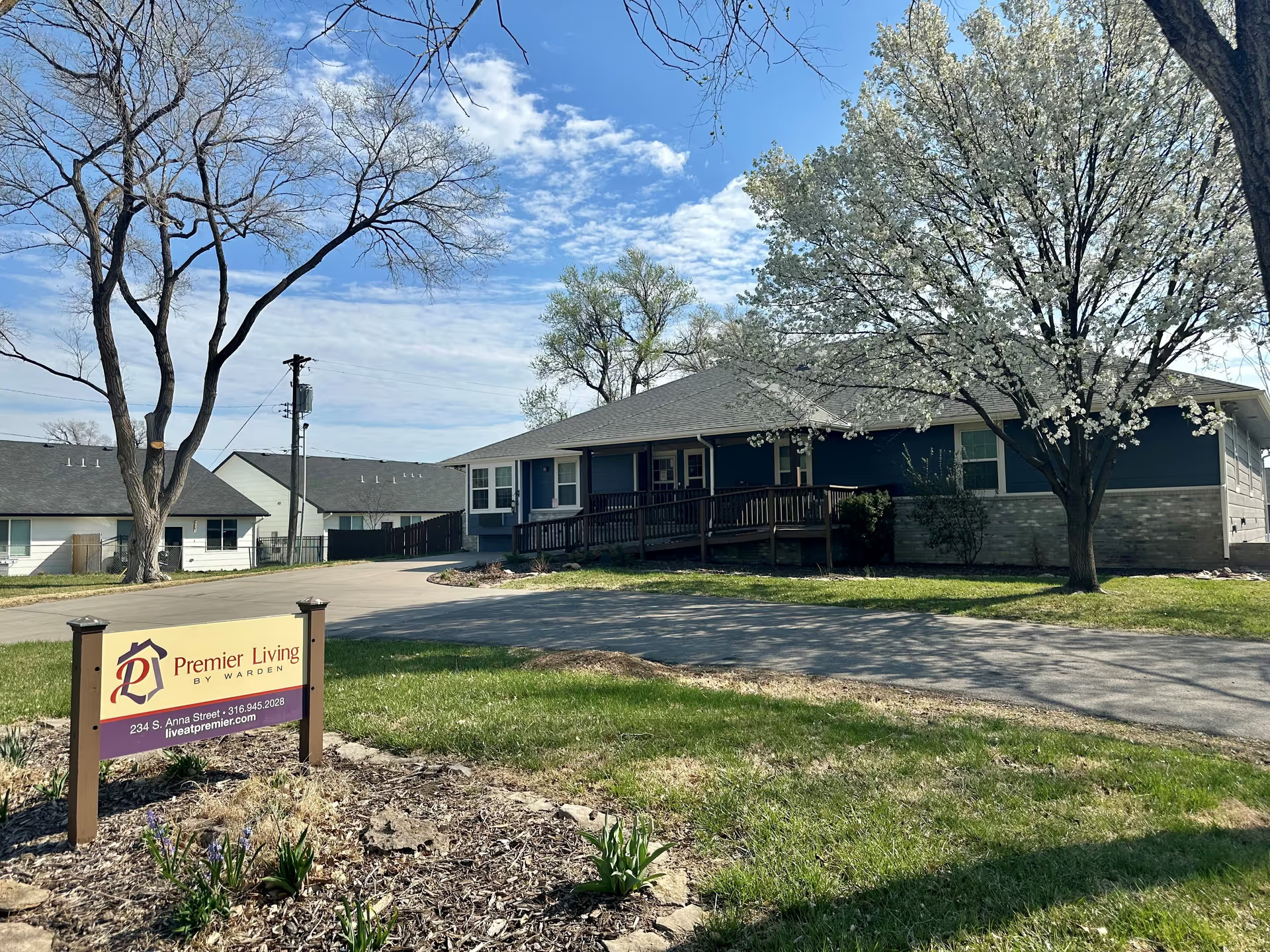
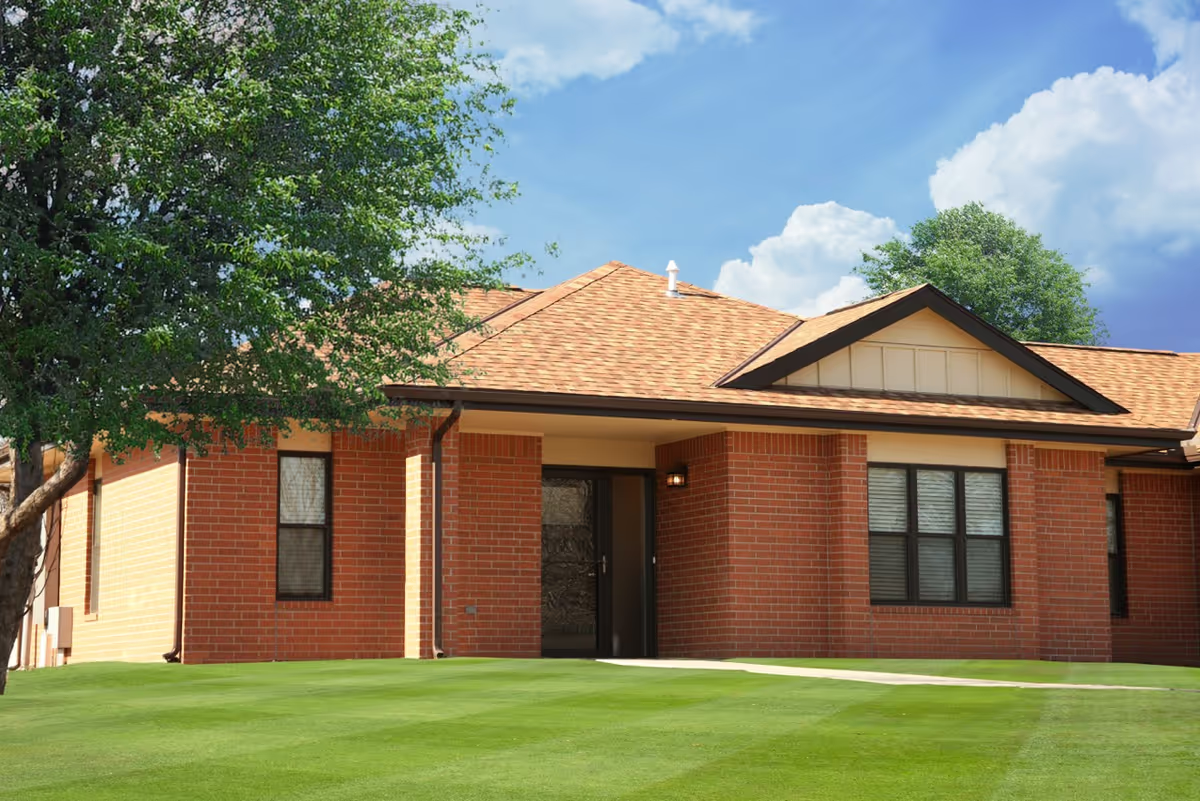
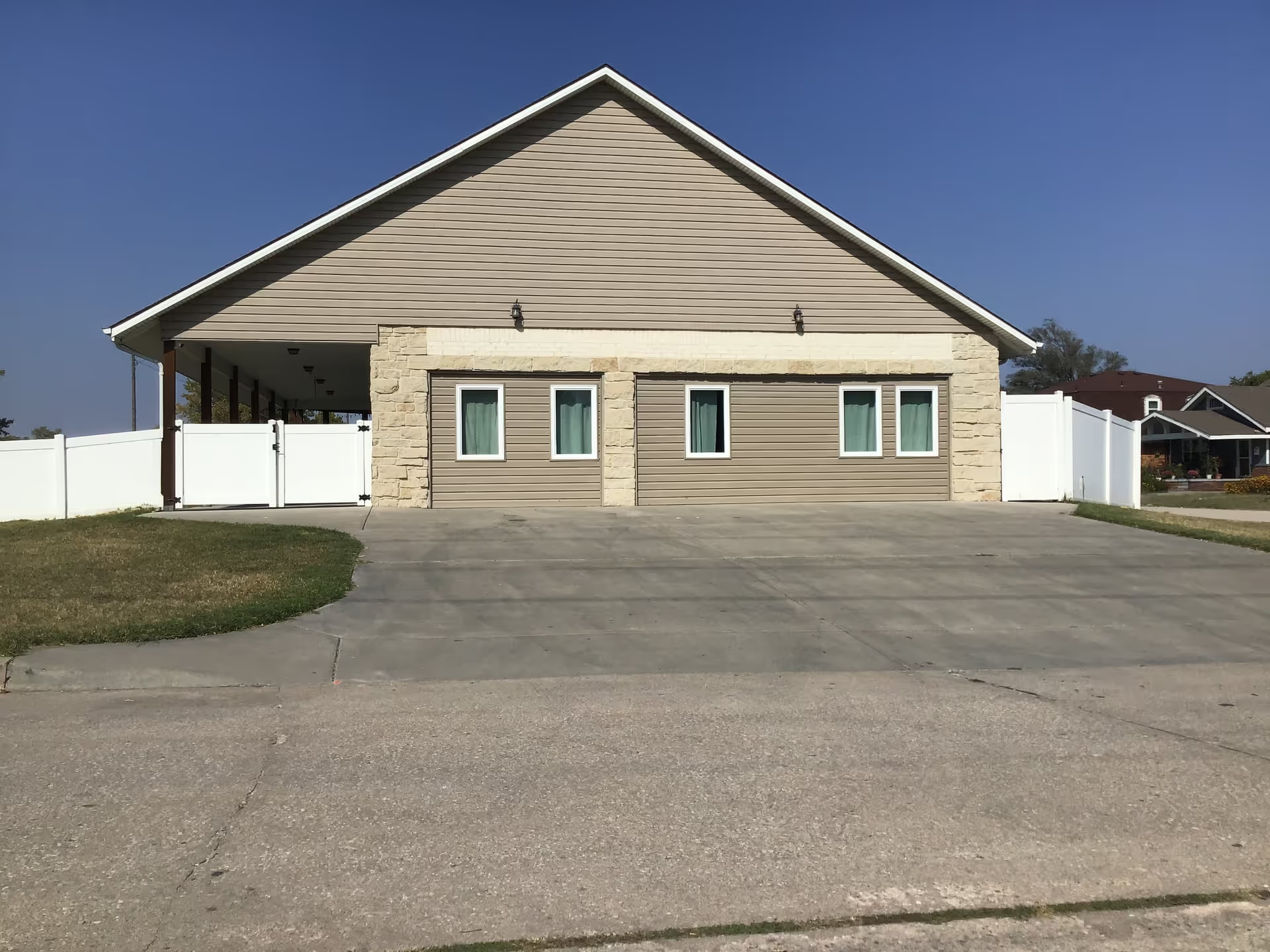
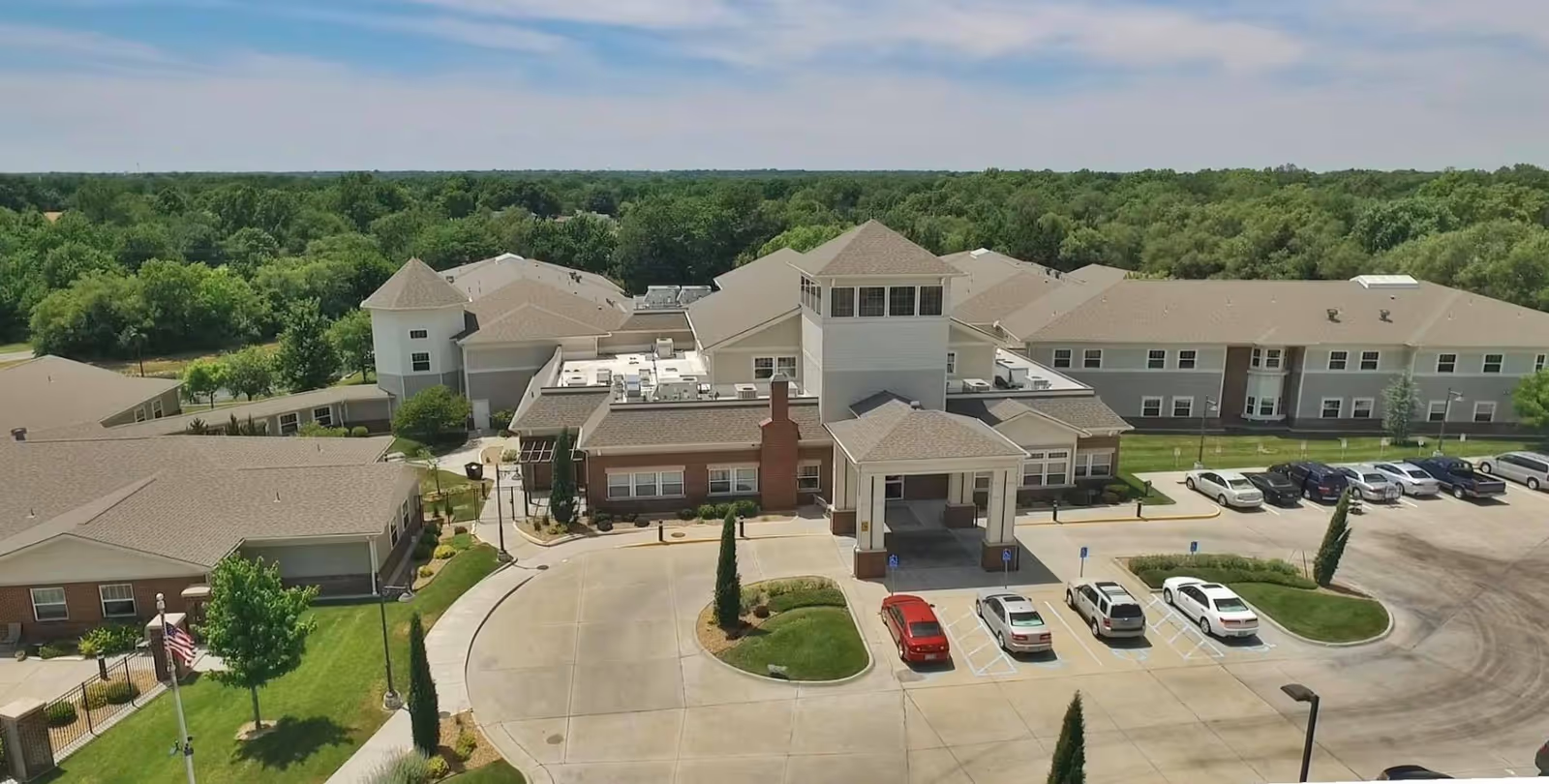
Wichita Presbyterian Manor is described across reviews as a well-appointed continuing-care campus with a strong emphasis on cleanliness, modern facilities, and a wide range of amenities. The physical environment consistently receives positive comments: updated apartments with granite and stainless finishes, spacious floorplans, attractive landscaping with water features, and multiple indoor amenities such as a pool, full gym, chapel, library and pleasant dining areas. Many families and residents characterize the campus atmosphere as welcoming and home-like, with comfortable common areas and outdoor patios that support daily socializing and activity participation.
Clinical care and rehabilitative services are a prominent strength in the reviews. The community offers an on-site nurse practitioner, licensed nursing staff, and a robust rehabilitation program; reviewers noted quick response times to calls, hands-on therapy that supported recovery, and a clear continuum of care from independent living through assisted living and skilled nursing. Caregivers are frequently described as compassionate and attentive, staff members often know residents by name, and long staff tenure contributes to continuity of care. That said, a pattern of concerns appears around dementia-specific skills and medication oversight; some families expressed unease about the facility’s expertise for advanced memory needs and about how medications are managed, so prospective residents with significant cognitive impairment should seek detailed information and documentation of dementia programming and medication protocols.
Dining and programming receive generally favorable remarks: many reviewers praised restaurant-style service, customizable meals, vegetarian options, snacks and bistro offerings, and active engagement opportunities such as exercise classes, book groups, outings, and worship groups. At the same time, dining experience appears variable—while some describe high-quality, restaurant-caliber meals, others reported menu imbalances and preferences for healthier preparations. Activities are broad and consistent, supporting physical activity (swimming, walking, fitness classes), social engagement (bingo, games, groups), and off-campus trips; the community’s transportation service supports shopping and appointments but reviewers flagged high fees for medical-appointment transport in some cases, which may increase out-of-pocket costs for users.
Management and administrative practices show mixed impressions. Several reviewers praised accessible leadership, helpful admissions staff, and the availability of a trial program and not-for-profit structure; others described confusing buy-in versus lease options, high upfront entrance fees, and concerns about contract transparency. There are also comments indicating occasional aggressive or rushed sales tactics and problematic move-in or room-assignment practices that created disruption for some families. Visitation policies during infection-control periods were sometimes restrictive, which affected family access and satisfaction. A few reviewers raised serious concerns about staff conduct and cultural sensitivity; these are important to explore directly with management and through checks of any available compliance or grievance records.
Overall, Wichita Presbyterian Manor appears to be a strong option for older adults seeking an active campus-style continuing-care community with modern units, varied amenities, and on-site clinical and rehabilitative services. It is particularly well suited to independent-living residents who value social programming and to individuals who may need short-term rehab or a predictable transition to higher levels of care. Prospective residents and families should obtain specific, up-to-date information about staffing ratios, dementia-care programming and training, medication-management protocols, all transportation and ancillary fees, and contract/buy-in terms. A focused tour of care units, a review of sample menus and activity calendars, and direct conversations about cultural-sensitivity policies and past grievances will help determine fit for individual needs and expectations.