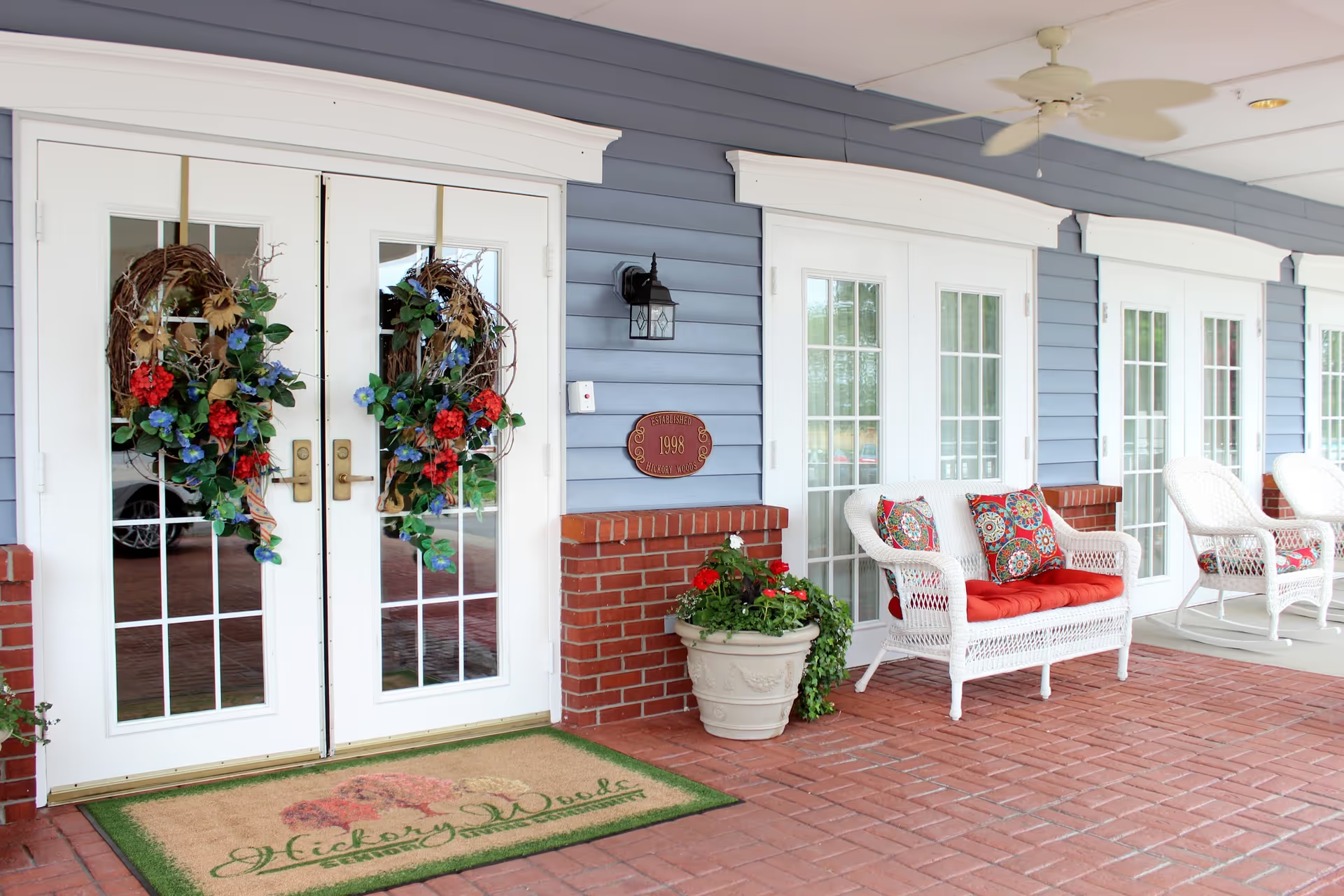
Oakview Nursing and Rehabilitation Center elicits strongly polarized impressions. A large body of comments praises the facility for its compassionate caregiving, visible leadership, and structured rehabilitation programs; families frequently highlight a dedicated patient-liaison role that facilitates admissions, coordinates care, and maintains clear communication. Positive remarks emphasize a homelike environment, family-style dining with nutritious meals, engaging daily activities, a welcoming front desk, and attentive memory-unit staff. Several families also described effective infection-control practices and proactive follow-up after discharge.
Care and staff quality are core strengths for many reviewers. Numerous accounts describe caregivers and therapists who provide personalized attention, ongoing follow-up, and responsive education to families about therapy progress and health status. Rehabilitation services are repeatedly characterized as a strong clinical component, with staff encouraging recovery and maintaining regular updates. At the same time, other reviewers described notable deficiencies in operational consistency: delayed responses to call buttons, variability in staff presence, and concerns about medication handling and monitoring. These concerns include instances of medication-related drowsiness and questions about clinical oversight following acute events; collectively they point to gaps in clinical monitoring and medication-management controls that warrant attention.
Dining and activities receive consistent positive feedback. Family-style meals, social dining, and a steady schedule of arts-and-crafts, games, and weekly events contribute to residents’ social engagement and perceived quality of life. The facility’s programming and atmosphere are often described as homelike and family-focused, with staff-organized events and praise for staff who ‘‘go above and beyond.’' Memory-unit care and individualized therapy plans also appear to be strengths for those requiring cognitive-support services.
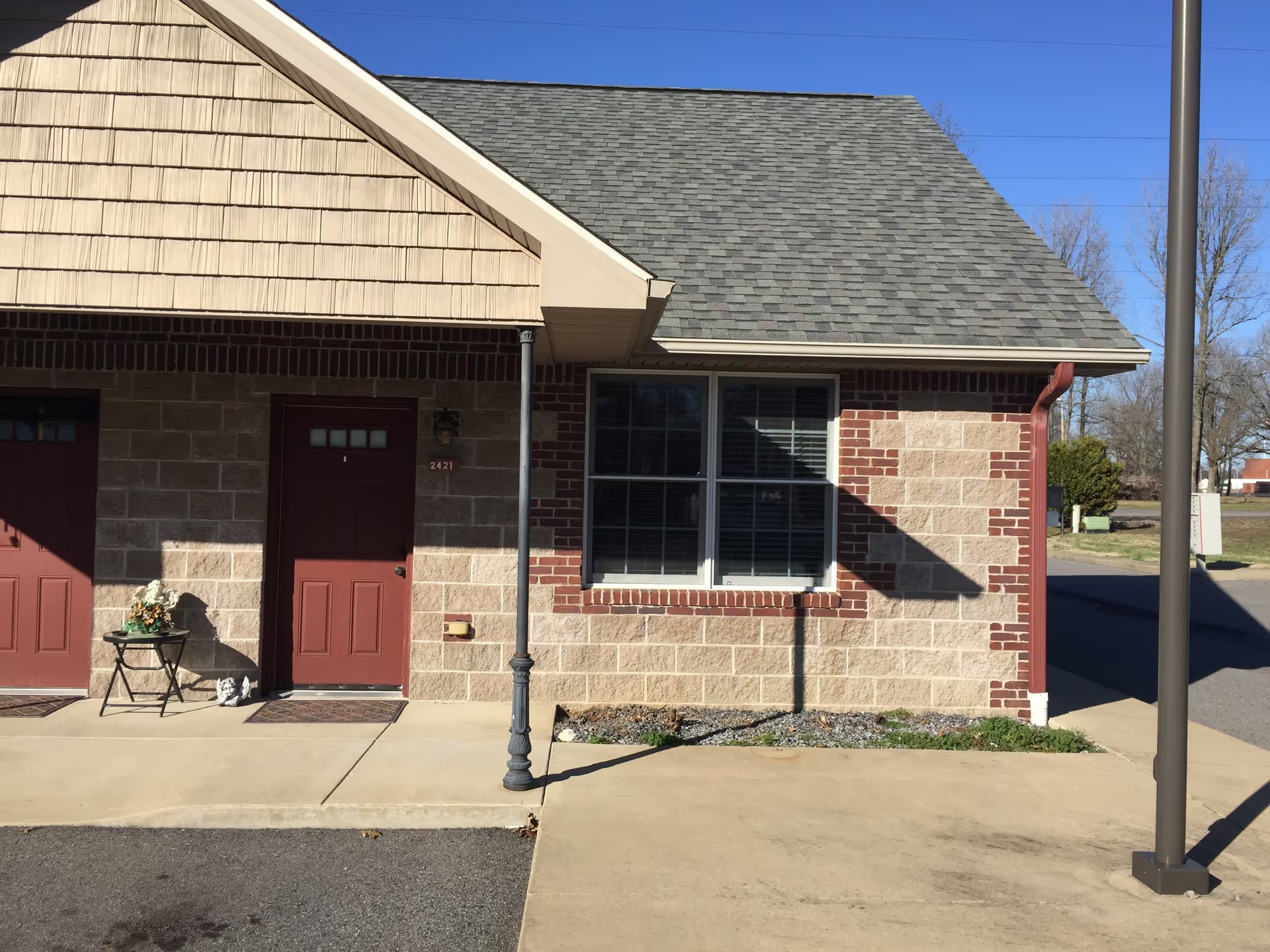
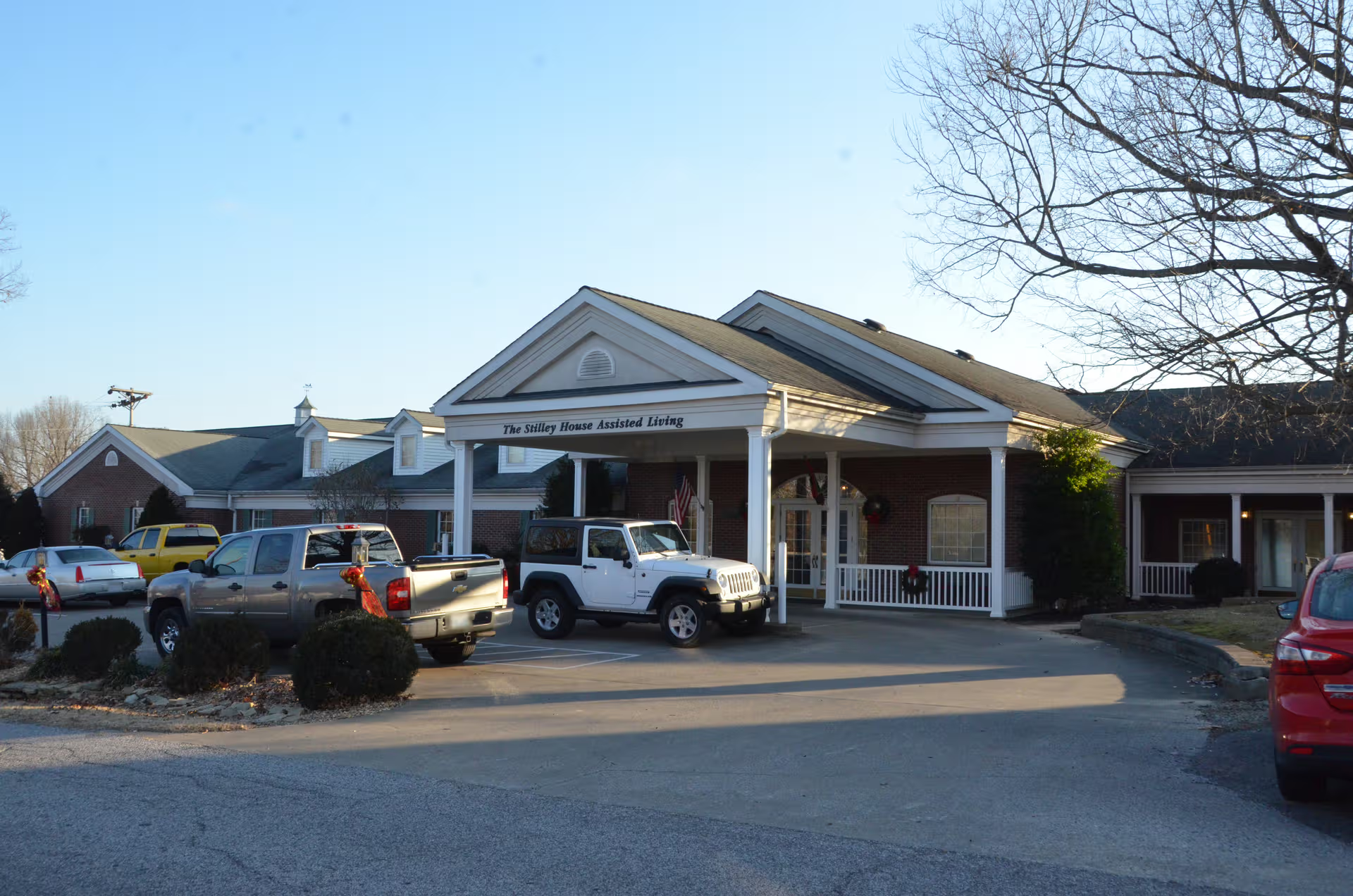
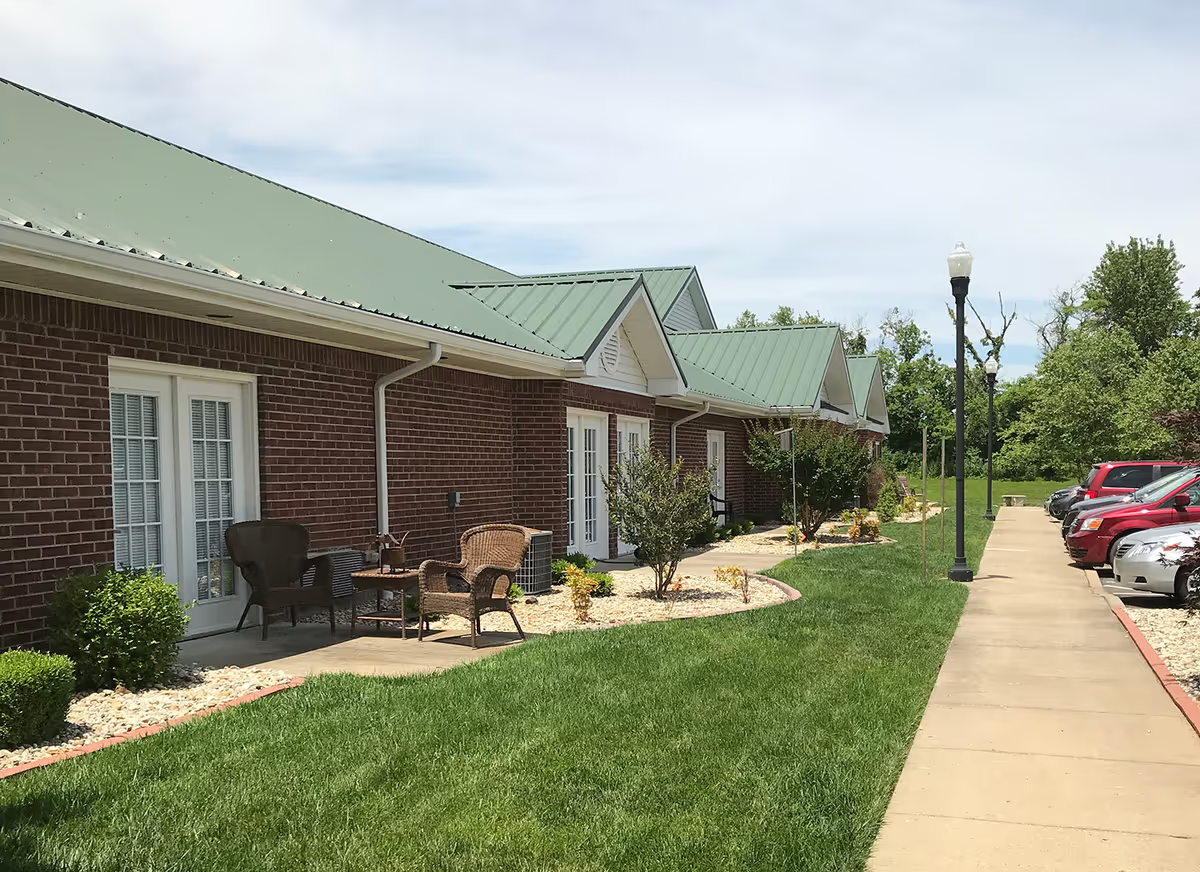
Facility condition and safety are more mixed. Many reviewers describe clean, well-kept interior areas and a pleasant dining environment; however, other accounts raise sanitation concerns in particular areas and question the accuracy of online photos used to represent the facility. Security and property concerns appear in some comments—missing personal items and dissatisfaction with remediation attempts—indicating potential weaknesses in property-protection procedures. Safety during therapy and transfers is another recurring theme: several families cited falls or injuries during therapy sessions and delays in diagnostic follow-up, suggesting a need to review therapy-safety protocols and incident-response processes.
Management and communication show both strengths and variability. Several reviewers praise specific managers and the patient-liaison role for clear explanations, compassion, and hands-on coordination; others describe uneven administrative follow-through and unhelpful responses when problems arise. This inconsistency correlates with the polarized impressions: when leadership and admissions staff are actively engaged, families report positive experiences; when follow-through is lacking, concerns about responsiveness, property security, and clinical oversight become prominent.
Overall, Oakview presents as a facility with clear operational strengths in rehabilitation, family-style programming, and relational caregiving, offset by operational inconsistencies that include staff responsiveness, medication-management controls, property security, and therapy-safety oversight. Prospective residents and families should weigh the facility’s strong rehabilitative and social programming and assess current management practices in person, ask about protocols for medication administration and incident response, verify property-security measures, and tour multiple units to evaluate cleanliness and the accuracy of promotional materials.