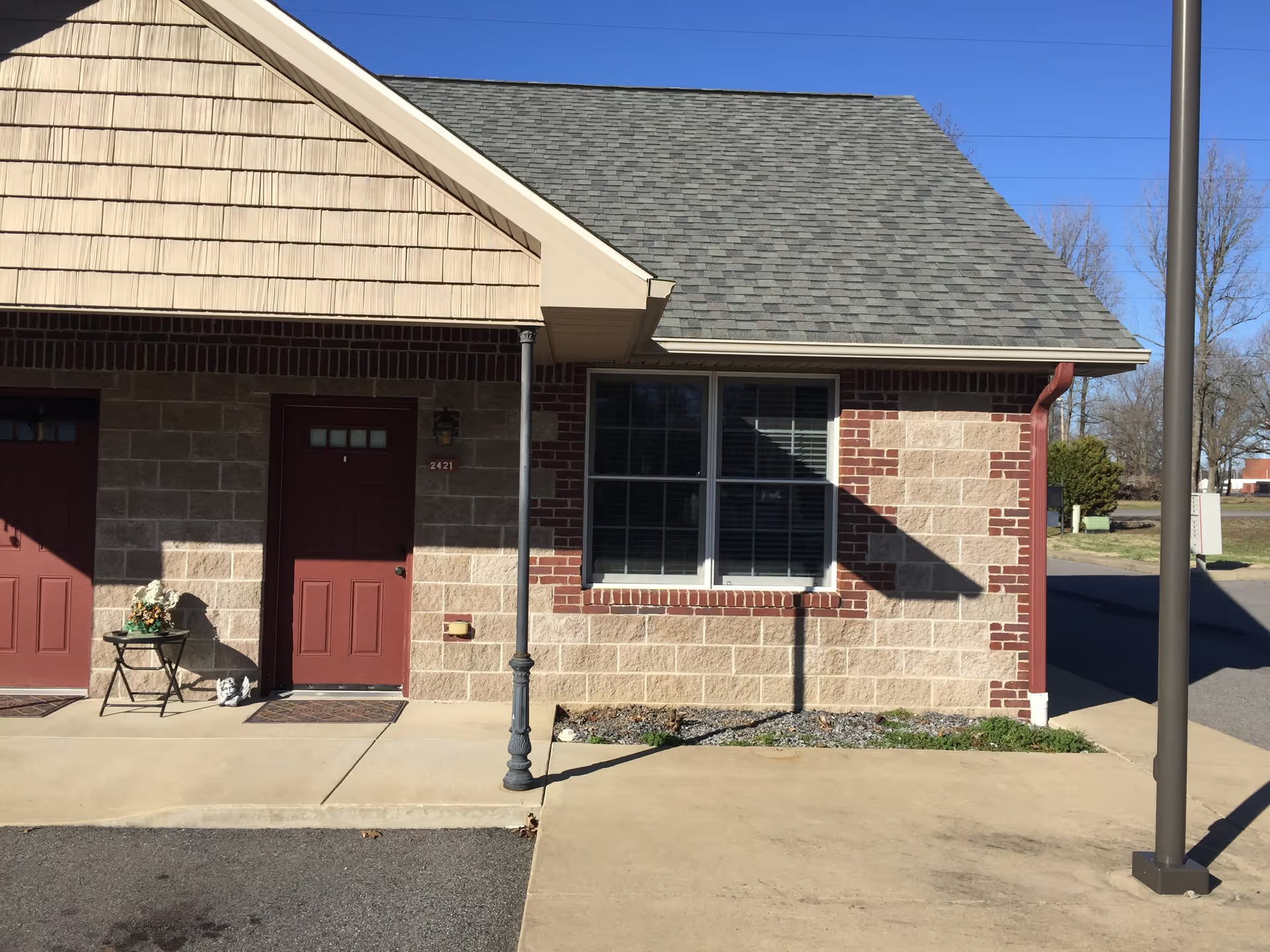
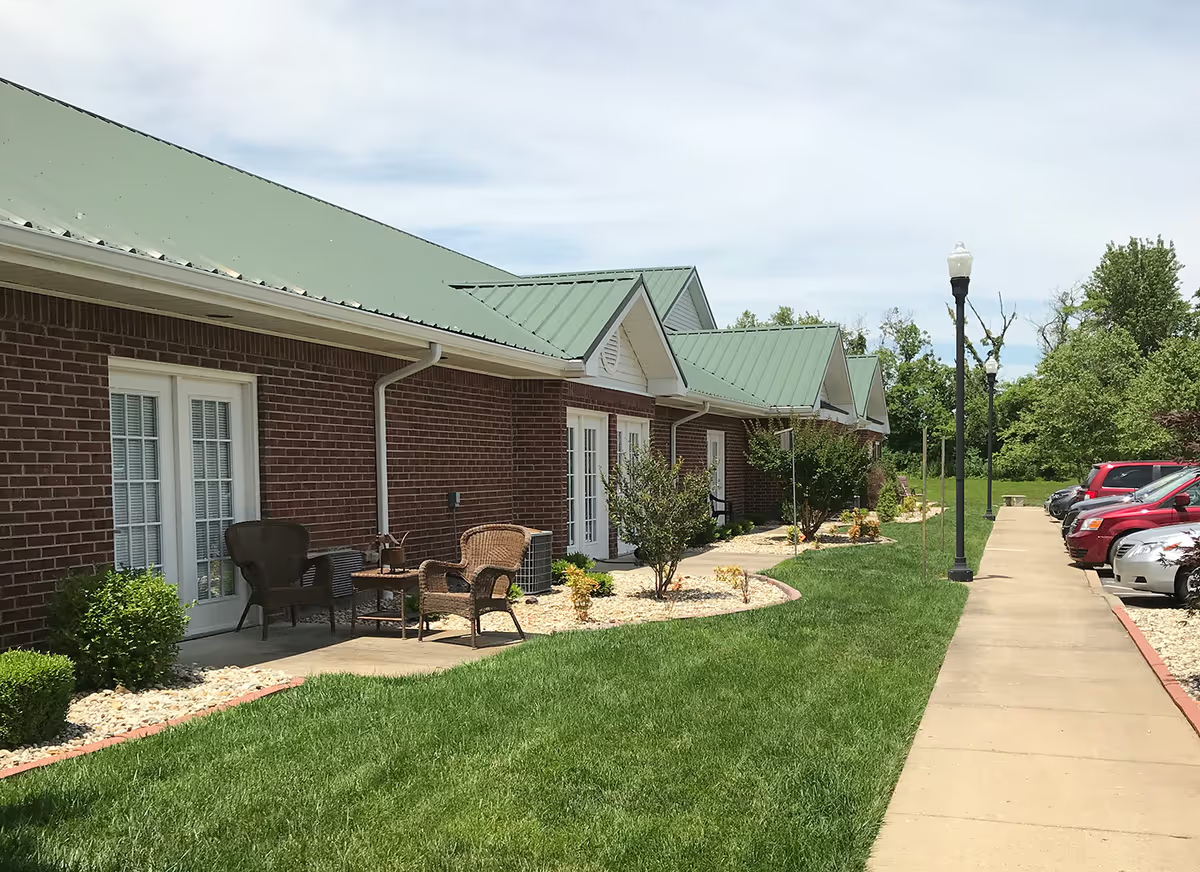
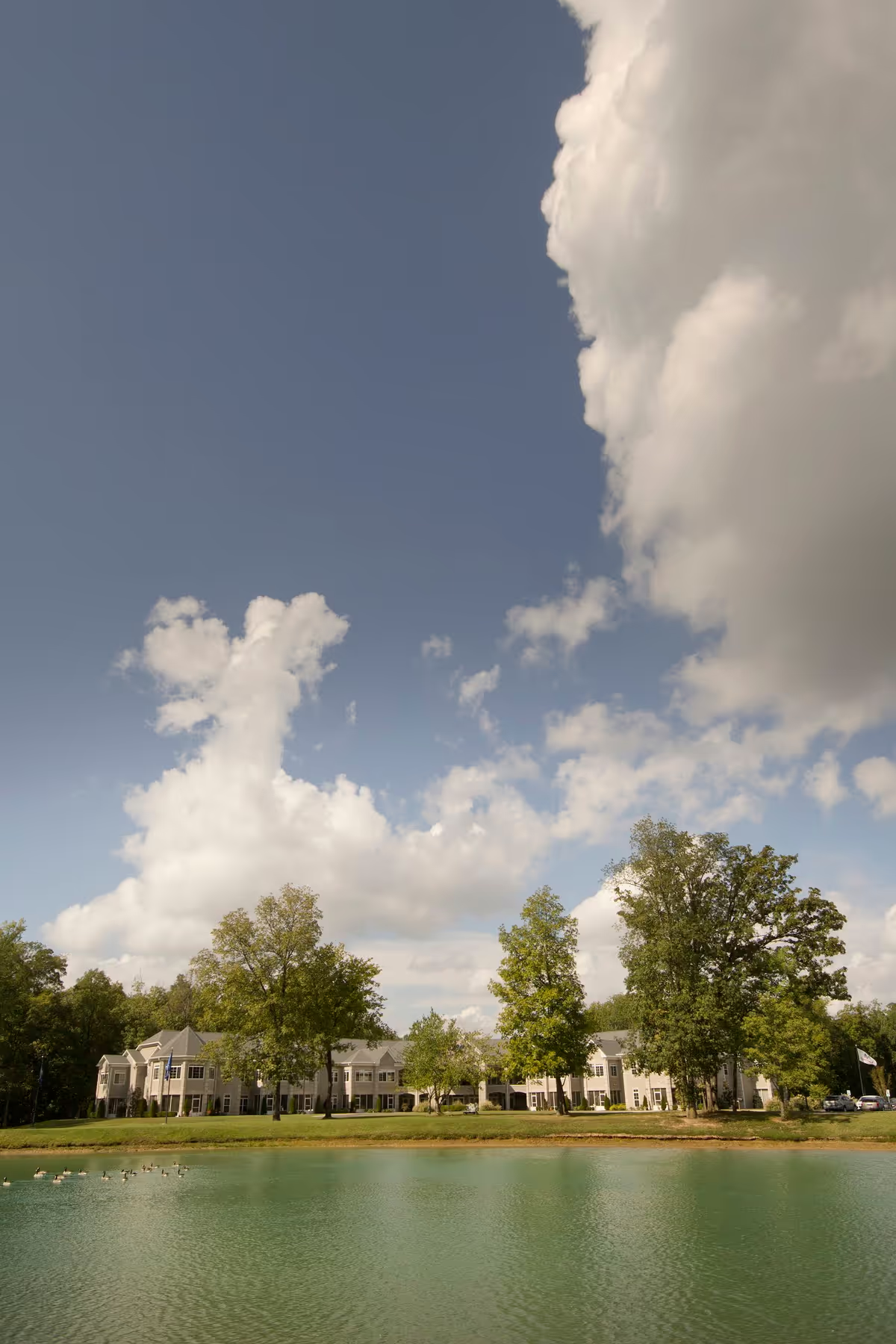
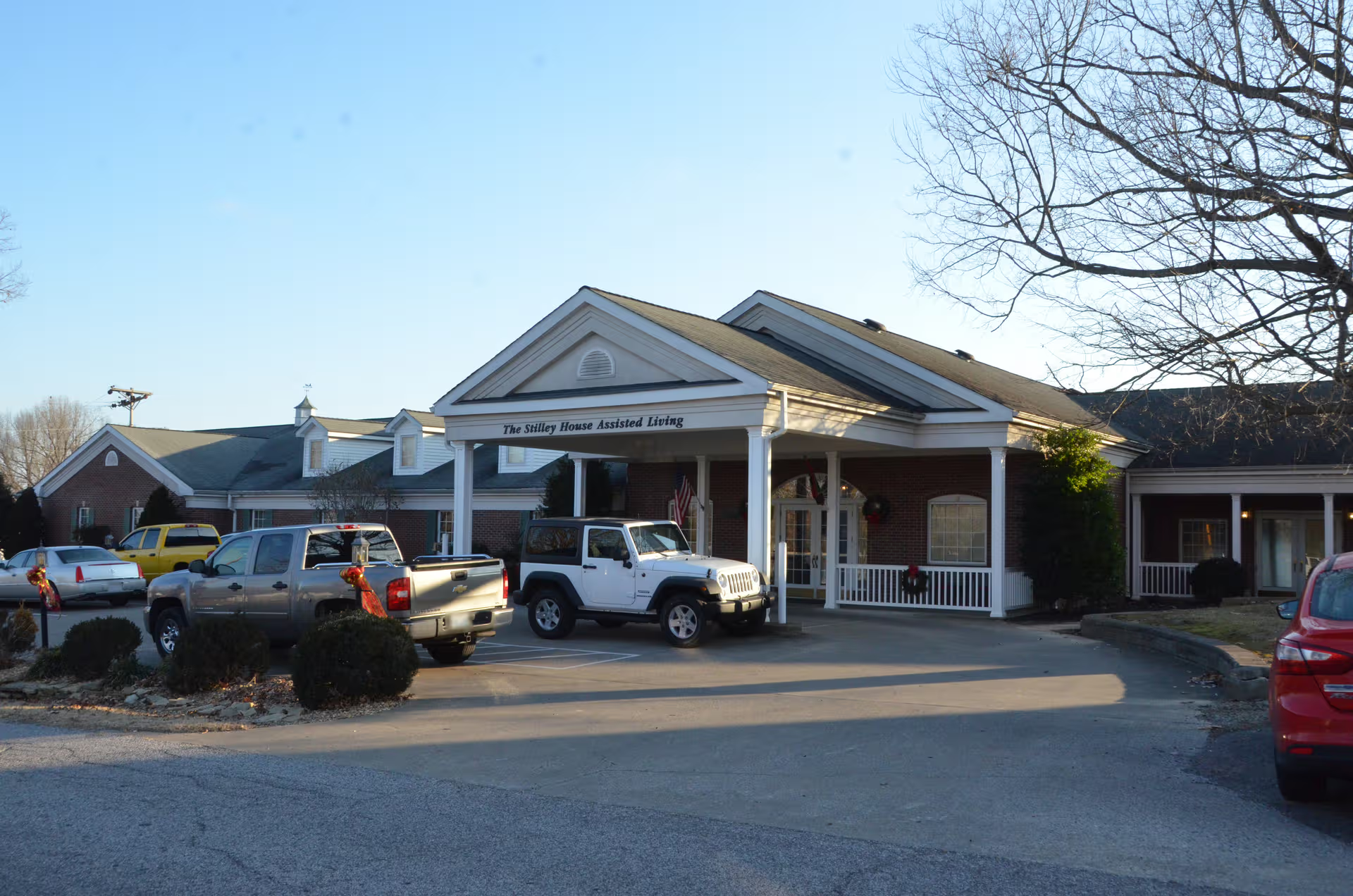
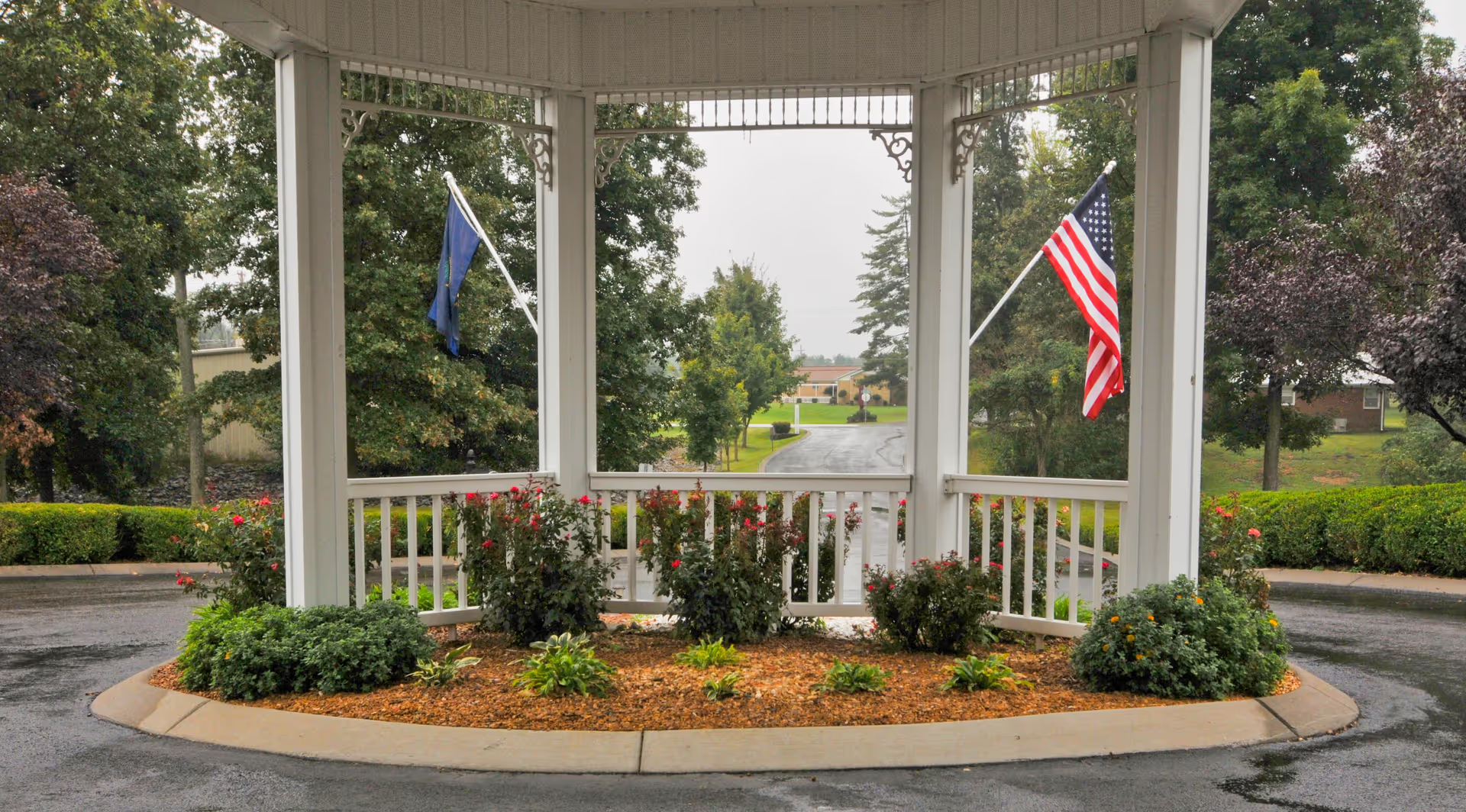
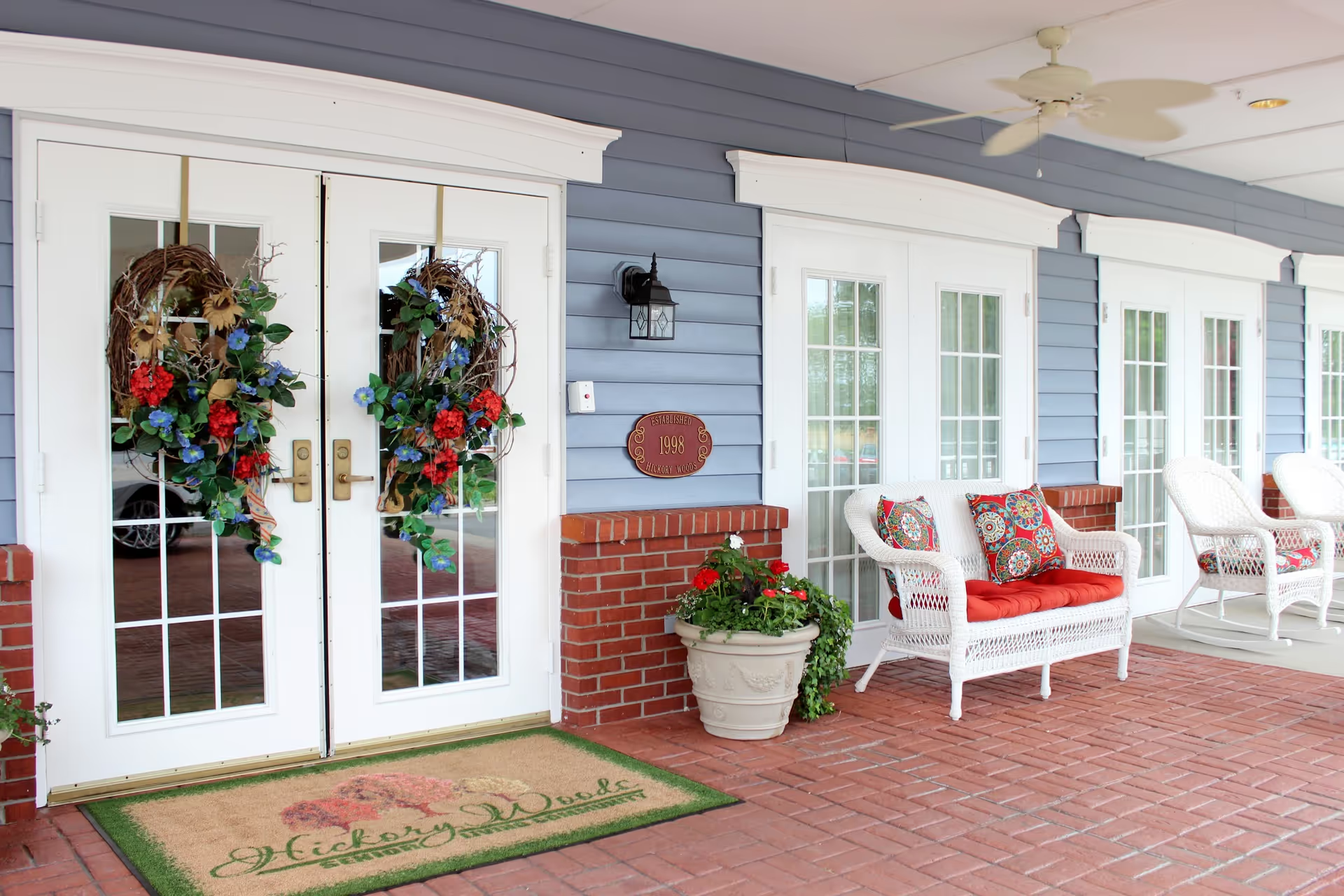
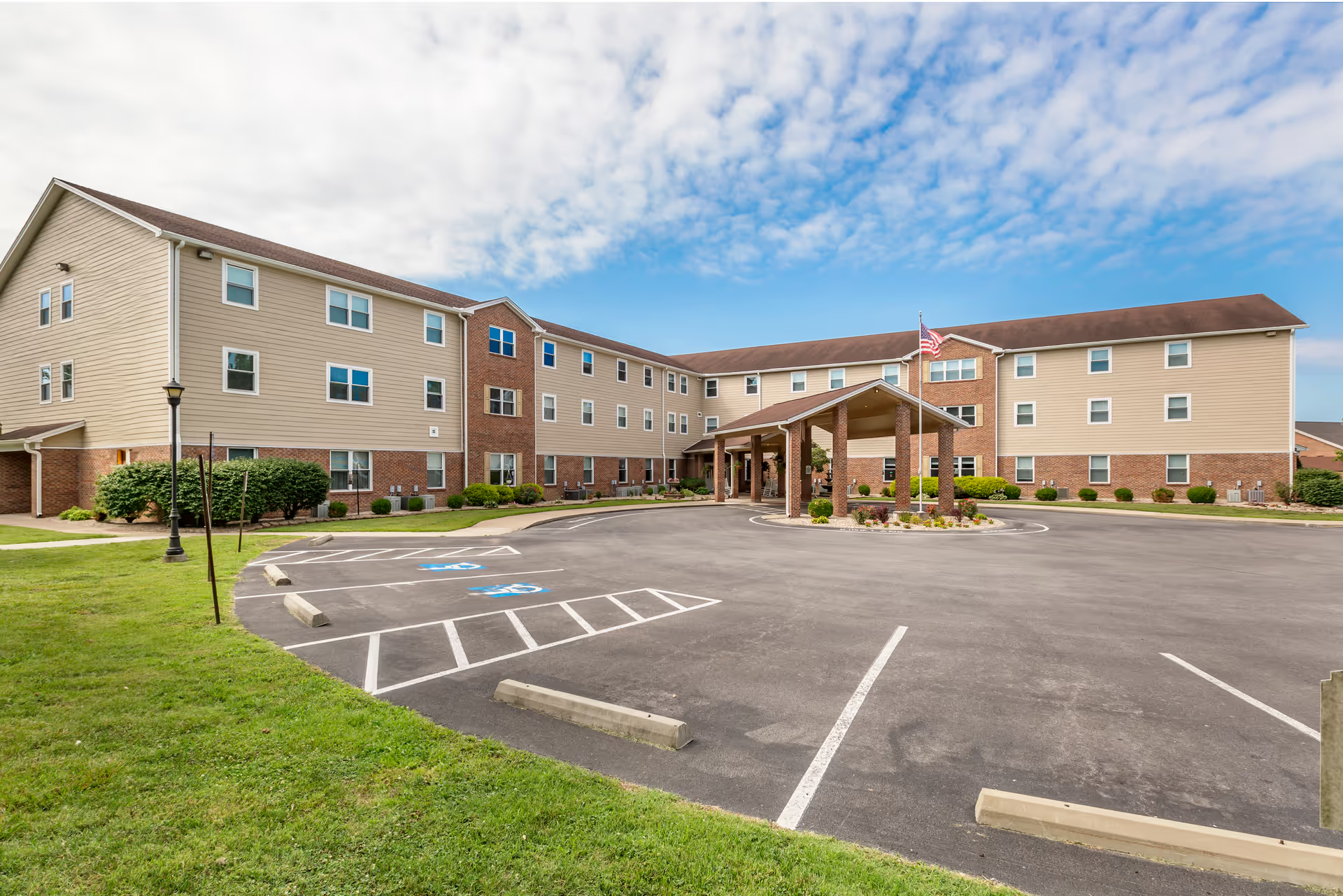
The Neighborhood at Paducah elicits a mixture of strong praise and significant operational concerns. Positive themes center on caregiving staff and the campus environment: many families describe compassionate, attentive caregivers, a family-like atmosphere, and an engaged memory-care unit with secure design. The facility's interior and grounds are frequently characterized as clean, attractive, and well maintained, with large common rooms, courtyards, a library, and garden spaces that support social interaction. Admissions and transition support are often noted as smooth and helpful, and transportation services and multiple levels of care on the same campus are viewed as practical conveniences.
Dining and activities are clear strengths for many reviewers. The kitchen is frequently described as preparing scratch-made, nutritionally balanced meals with accommodating options for special diets; three meals a day and plentiful snacks are commonly mentioned. The activities program appears robust, with regular offerings such as music, crafts, exercise classes, outings, movie nights, and themed events that families say support social and cognitive engagement. Reviewers often highlight a welcoming dining environment and community outings that contribute to residents’ quality of life.
However, reviewers also describe operational and clinical concerns that merit careful consideration. Staffing consistency and responsiveness are recurring issues: families report delays in answering call buttons and in responding to falls, limited staff presence during evenings/weekends, and indicators of staff burnout or distraction. There are also accounts suggesting gaps in clinical assessment and management for residents with complex medical needs (for example, diabetes), and instances of delayed or inconsistent personal-care support, including incontinence-care and bathing schedules. Maintenance reliability is another pattern: some describe prolonged outages (toilets, HVAC, sprinkler functionality) and isolated sanitation concerns in resident rooms that indicate variability in facilities upkeep.
Management and governance present a mixed picture. Several reviewers praise specific managers and directors for going above and beyond, while others describe problems after an ownership change, including concerns about transparency and responsiveness. Notably, there are serious allegations involving eviction practices and subsequent regulatory attention; these have been raised by some families and have prompted involvement of external advocates in at least a few accounts. Financial concerns are also present: unexpected or significant rent and fee increases are cited and have alarmed some families.
What this pattern suggests for prospective residents and families: the community can provide a warm, activity-rich living environment with strong meal service and many caring staff members, particularly in the memory-care unit. At the same time, prospective families should investigate operational details before committing: ask for current staffing ratios by shift, typical response times to call buttons, protocols for clinical assessment and diabetes management, examples of maintenance response times, documentation of recent ownership or administrative changes, history of any regulatory actions, and written explanations of fee-increase policies. A thorough tour that includes the memory unit, a meal observation, and conversations with nursing leadership and facilities/maintenance staff will help clarify whether the facility’s strengths align with an individual resident’s clinical and safety needs.