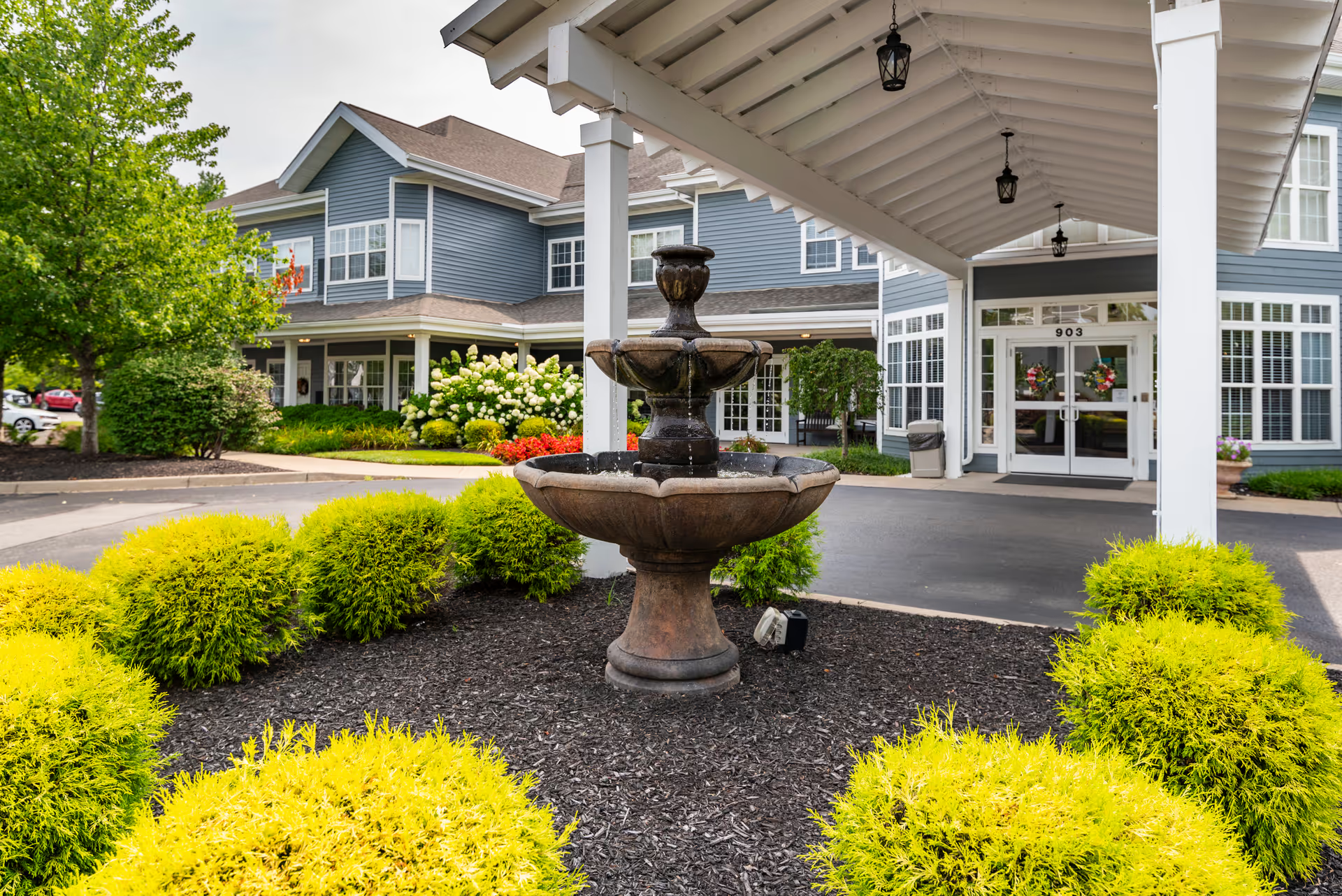
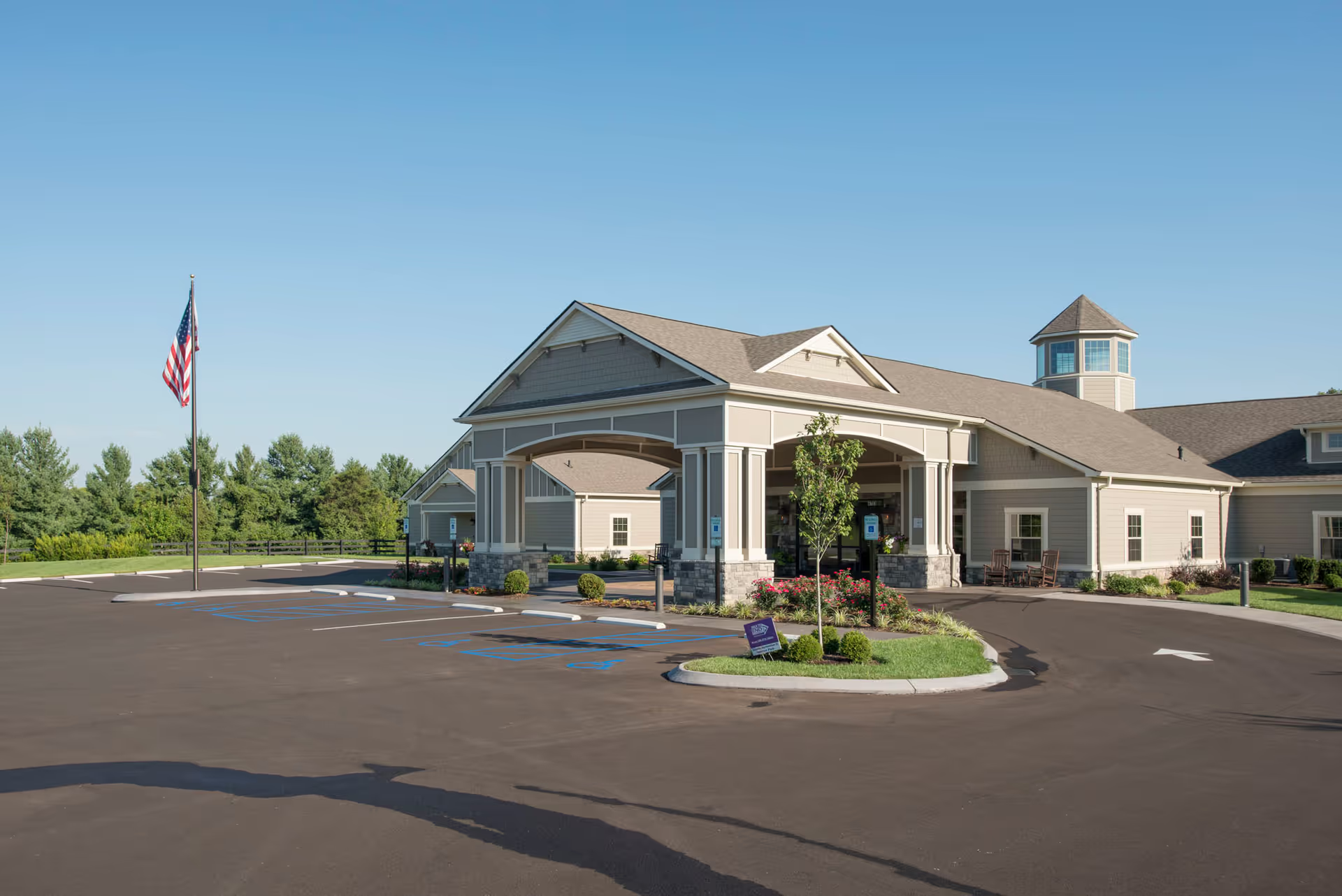
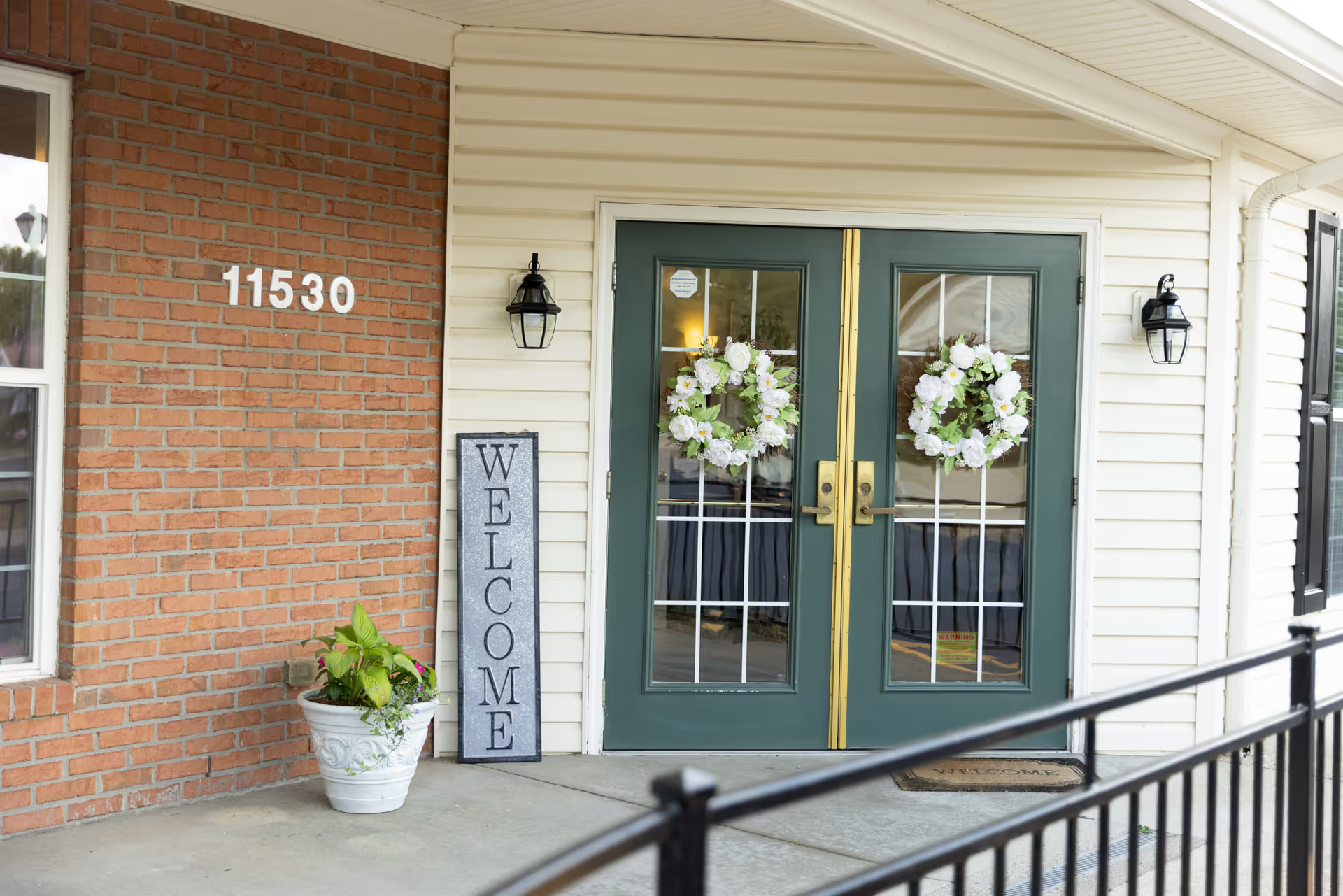
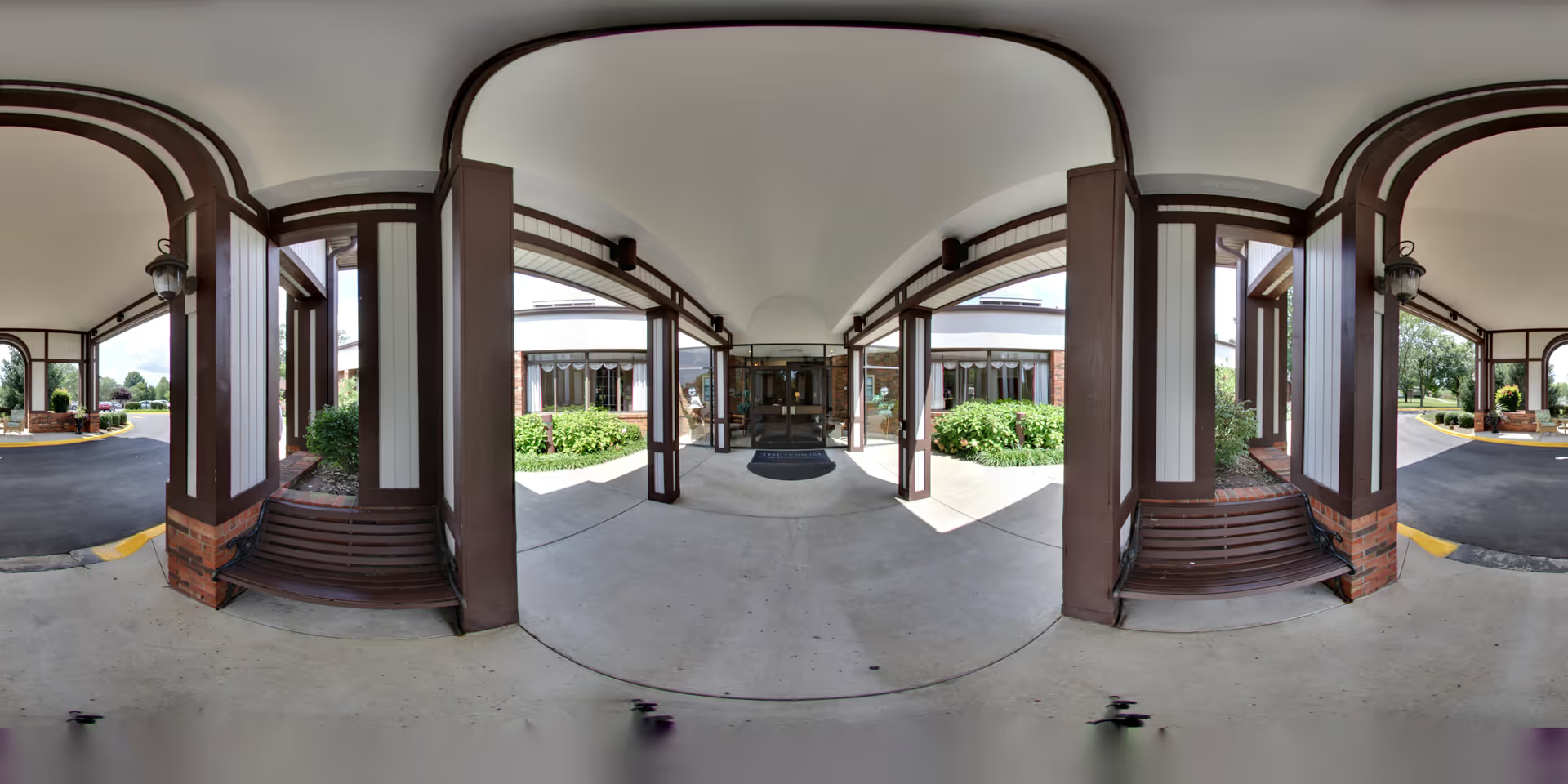
The reviews present a polarized but informative picture of Jeffersontown Rehabilitation. Many families and former residents highlight the facility's strengths: a strong rehabilitation program with effective PT/OT services, a committed nursing and therapy staff, and a campus that is generally clean and park-like. Reviewers frequently describe a warm, home-like atmosphere, active social programming (including off-site trips and community events), complimentary services such as laundry and medical transportation, and helpful admissions/administrative support that eases transitions to long-term placement. Several accounts specifically praise the rehabilitation outcomes and name staff members who contributed to successful discharges home.
At the same time, a number of reviews raise operational concerns that affect care consistency. Multiple comments point to variable staffing levels and delays in attending to resident needs (for example, slow call-button responses and inconsistent bathing or laundry schedules). There are recurring reports of gaps in medication-administration practices and in vital-sign monitoring before medications, and some reviewers identified safety-process weaknesses related to falls and transfers. These patterns imply opportunities for stronger clinical oversight, staff training, and formal auditing of safety protocols.
Dining and activities are described more positively than negatively overall, but opinions vary. Several reviewers enjoyed the meals and social calendar (ice cream socials, shopping trips, holiday events), while others found meals bland or served at unsatisfactory temperatures. Activity availability appears robust for many short-term rehab stays, but long-term resident engagement and individualized programming may be inconsistent across units.
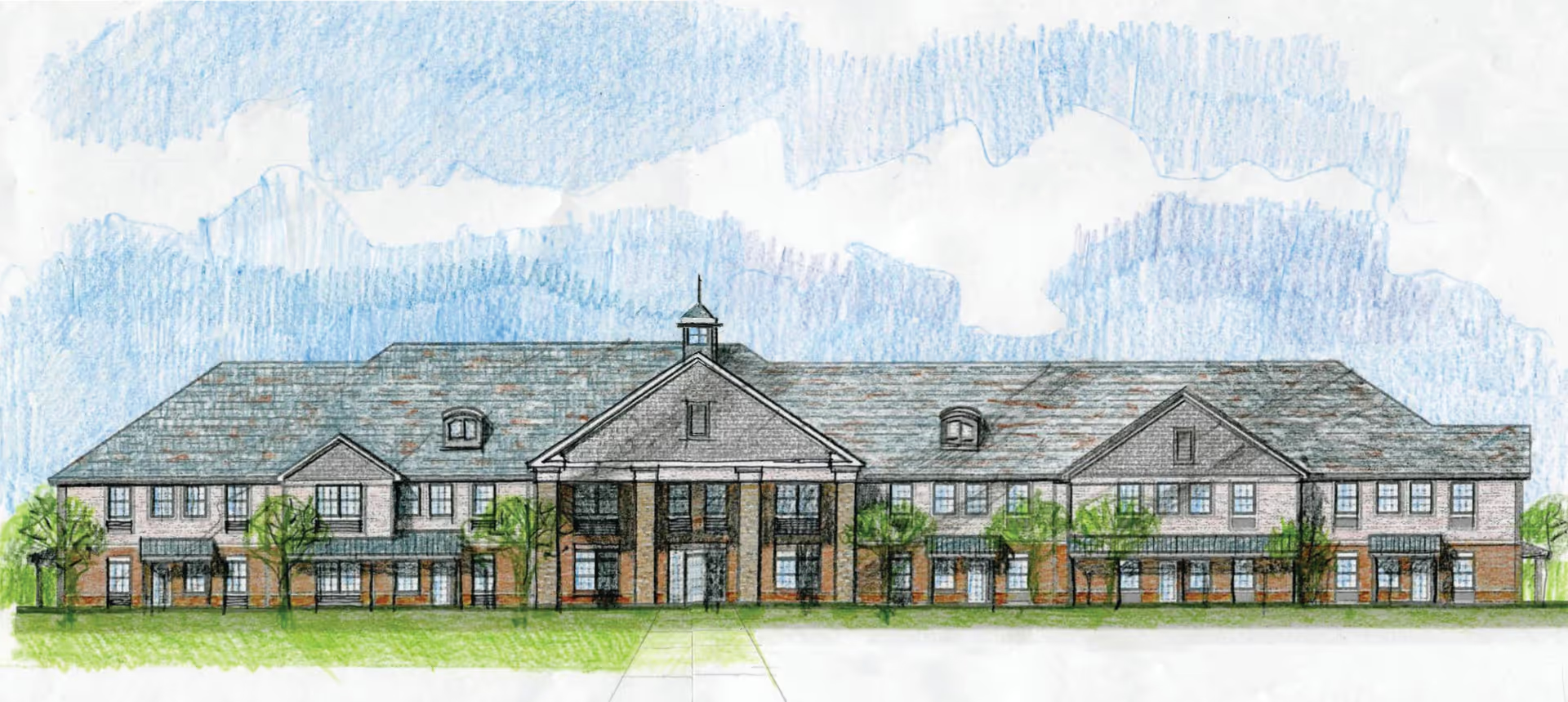
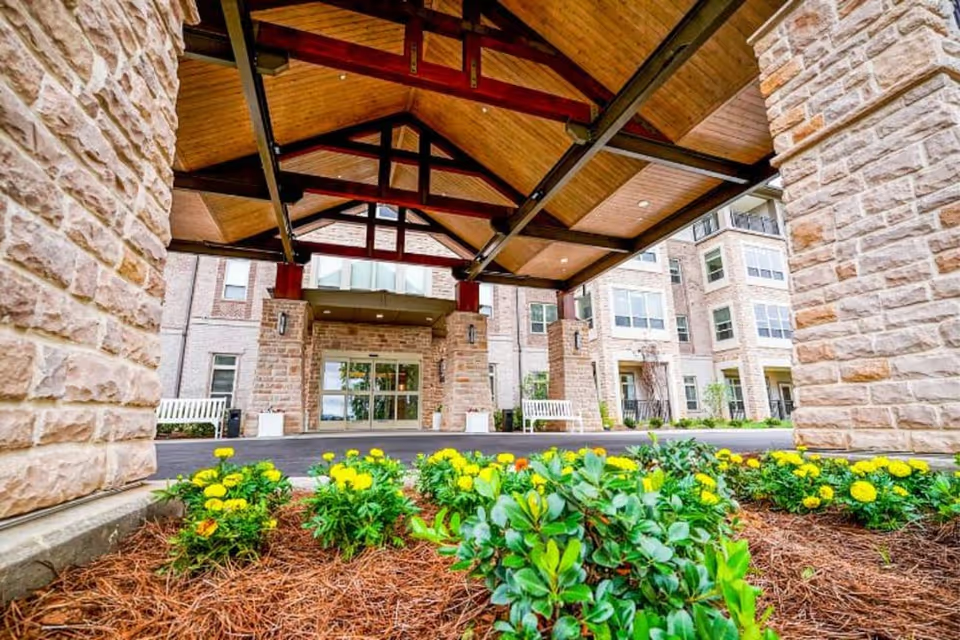
Facility and environment comments are broadly favorable about the grounds, common areas, and rehab spaces, and some reviews note rapid maintenance response since a management change. However, a subset of reports cites cleanliness and odor concerns in specific wings or rooms and uneven housekeeping performance. Administrative responsiveness also shows a split: administrative and admissions staff are often praised for assistance and paperwork support, but several reviewers experienced difficulty communicating with case management or escalating issues to centralized/corporate contacts.
Notably, there are serious individual complaints in the record, including allegations of harm and significant safety incidents. These appear alongside many positive care narratives, which creates a mixed signal for prospective families. Given this variability, families should assess current staffing ratios, oversight of medication and vital-sign protocols, fall-prevention practices, laundry and bathing schedules, and how complaints are escalated and resolved. An on-site tour, direct questions about recent staffing and safety metrics, and contact with current families are advisable to evaluate whether the facility's strengths align with an individual resident's needs.