Forest Hills Commons presents a mixed but largely positive picture across clinical care, amenities, and community life. Many families emphasized the facility’s clinical strengths: a 24/7 nursing presence, regular on-site physician and nurse-practitioner visits, and medication administration by trained staff. Rehabilitation services (physical and speech therapy) are available and have been described as effective. Housekeeping and laundry services, including routine linen changes and room cleaning, are commonly cited as part of the day-to-day operational rhythm.
Staff and leadership receive consistent praise for compassion and resident familiarity. Reviewers frequently describe staff who know residents by name, engage at the table, and provide personalized attention. Nursing leadership and directors are often noted as engaged and visible, and several accounts highlight staff going beyond expectations during transitions or special events. At the same time, some families describe periods when staff were inexperienced or unable to answer clinical or procedural questions, which appears connected to staffing turnover and new-hire onboarding challenges.
Dining is a clear area of contrast. Special meals and chef interactions are well regarded, and themed dinners and quality special-event menus draw positive comments. However, several accounts point to variability in daily meal quality, long waits during meals, and understaffing of dining services at peak times. These operational inconsistencies have affected mealtime experience for some residents.
Activity programming and community life are notable strengths. The facility offers a broad calendar — live music, orchestral and piano performances, arts and crafts, Bingo, library services, movie nights, outings, and special events — that many families find engaging. Memory-care spaces are described as well-decorated and activity-focused. That said, engagement levels appear to vary by unit and by staffing levels; a subset of residents and families described lower activity participation or an environment they found less stimulating.
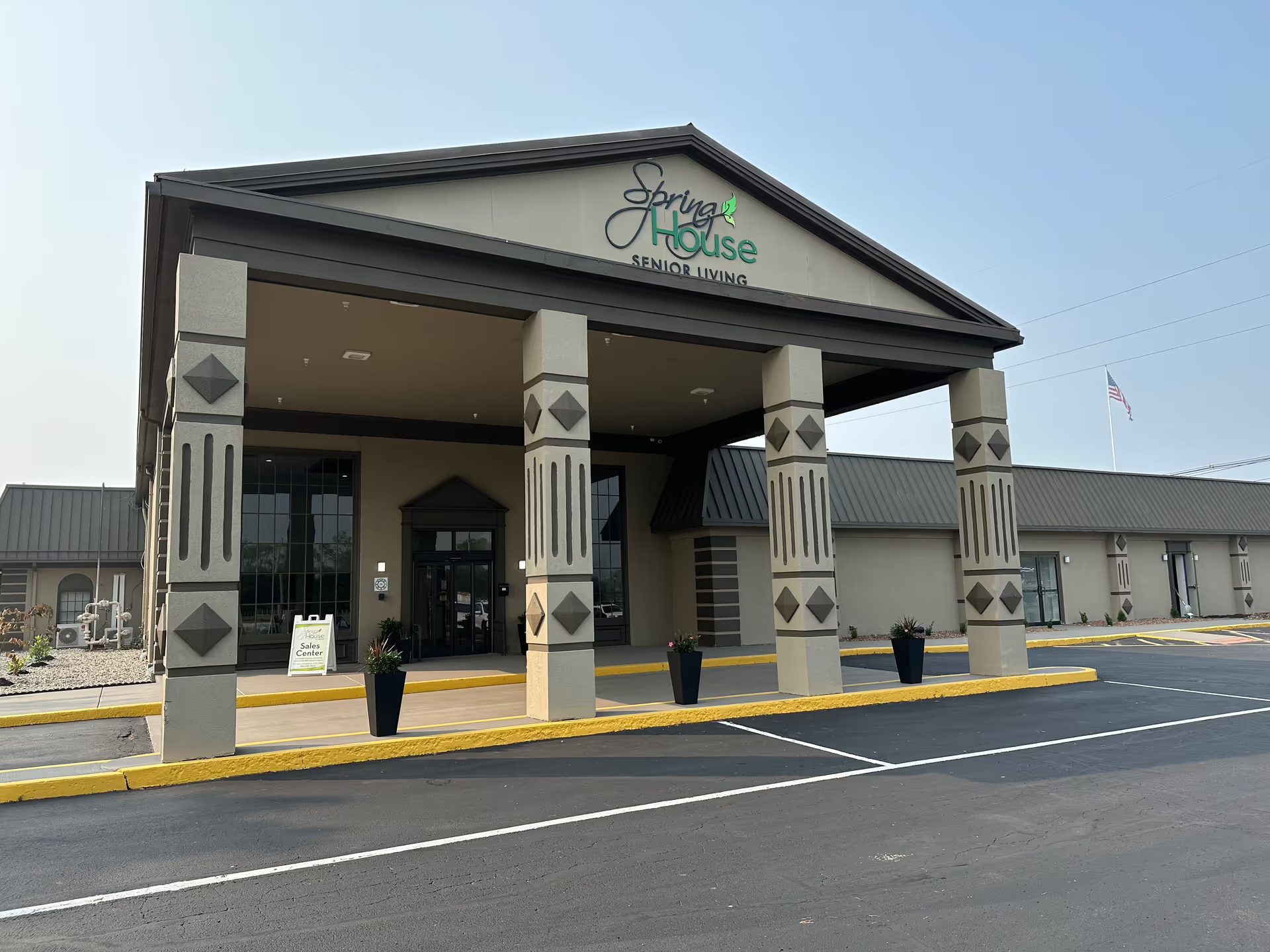
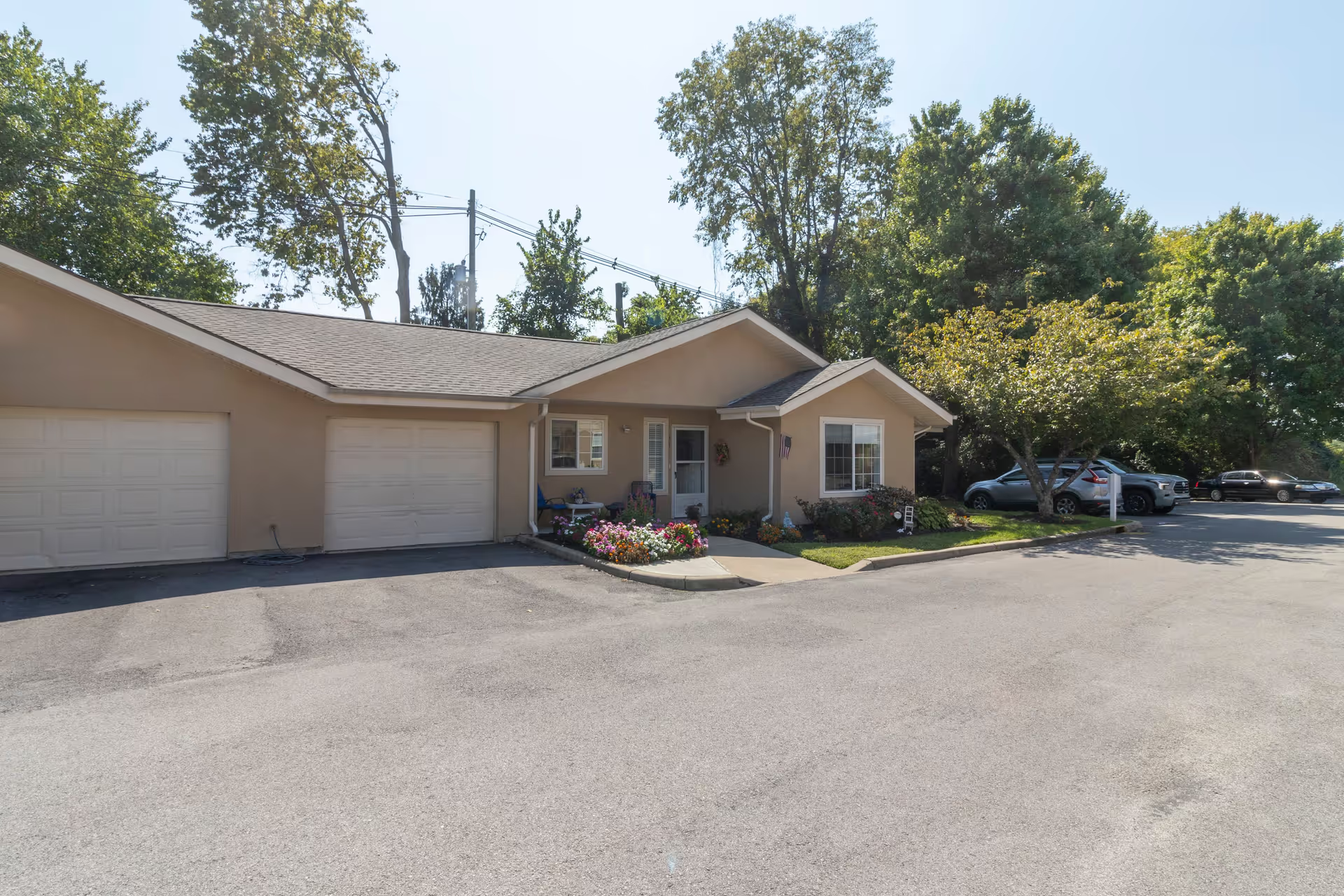
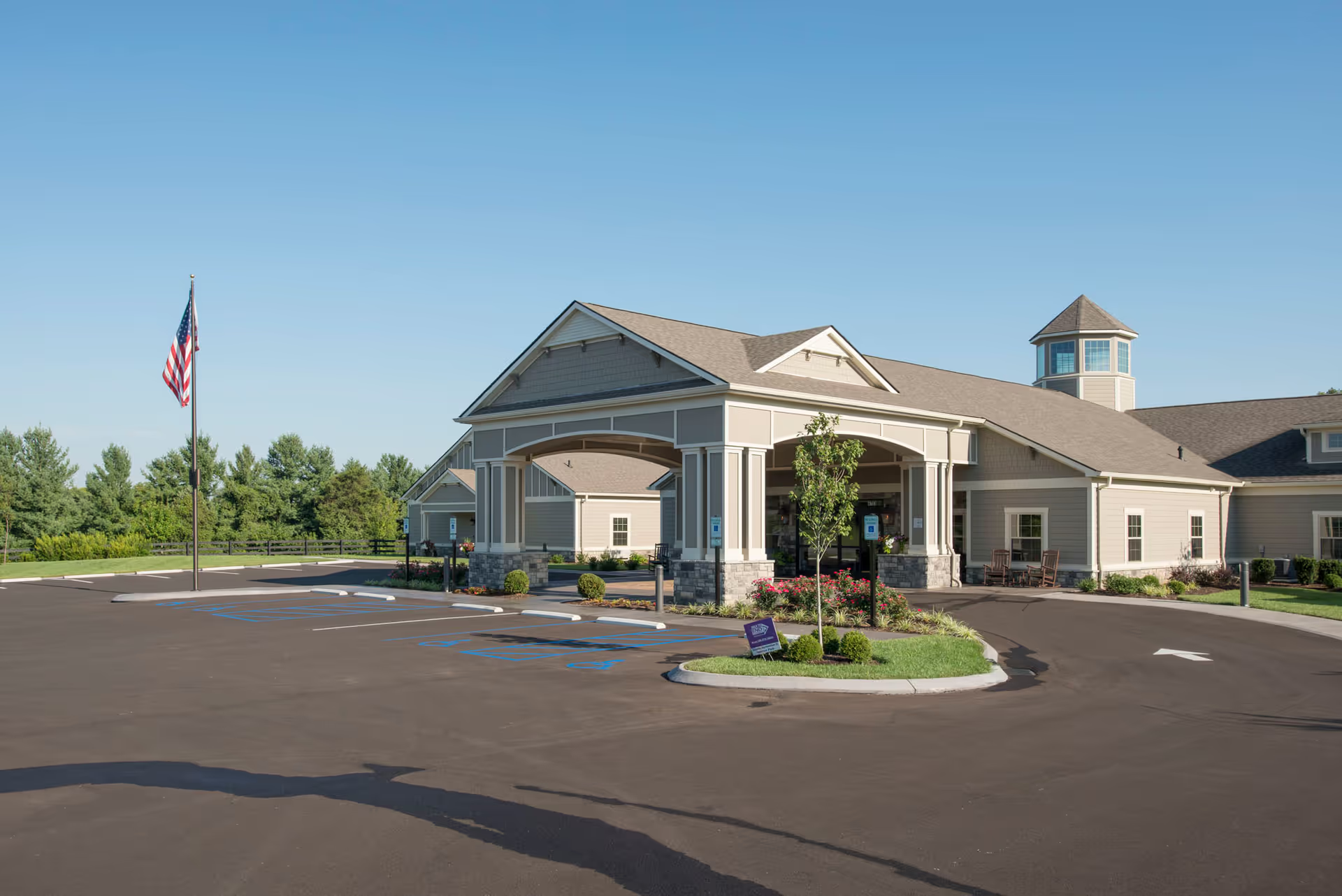
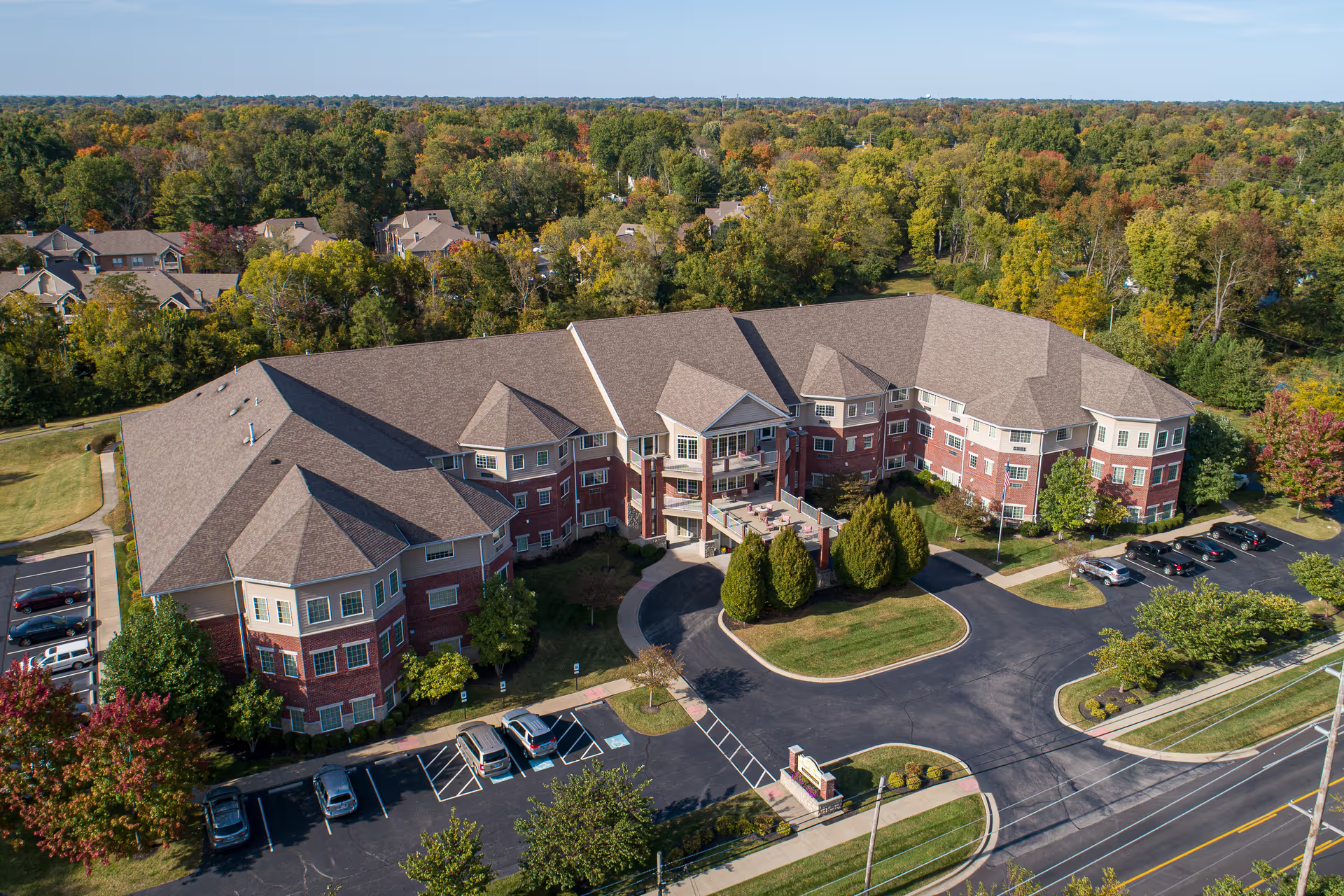
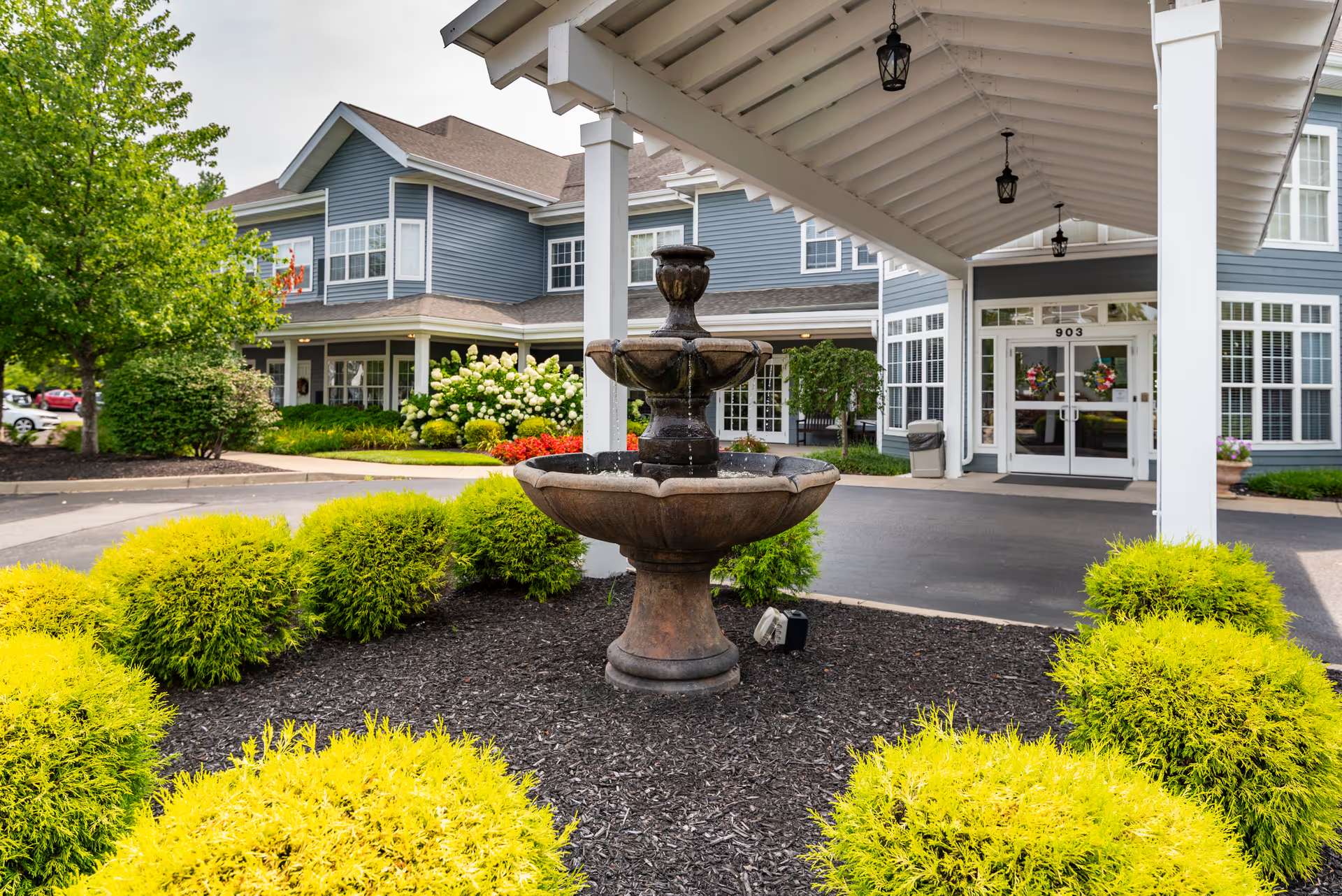
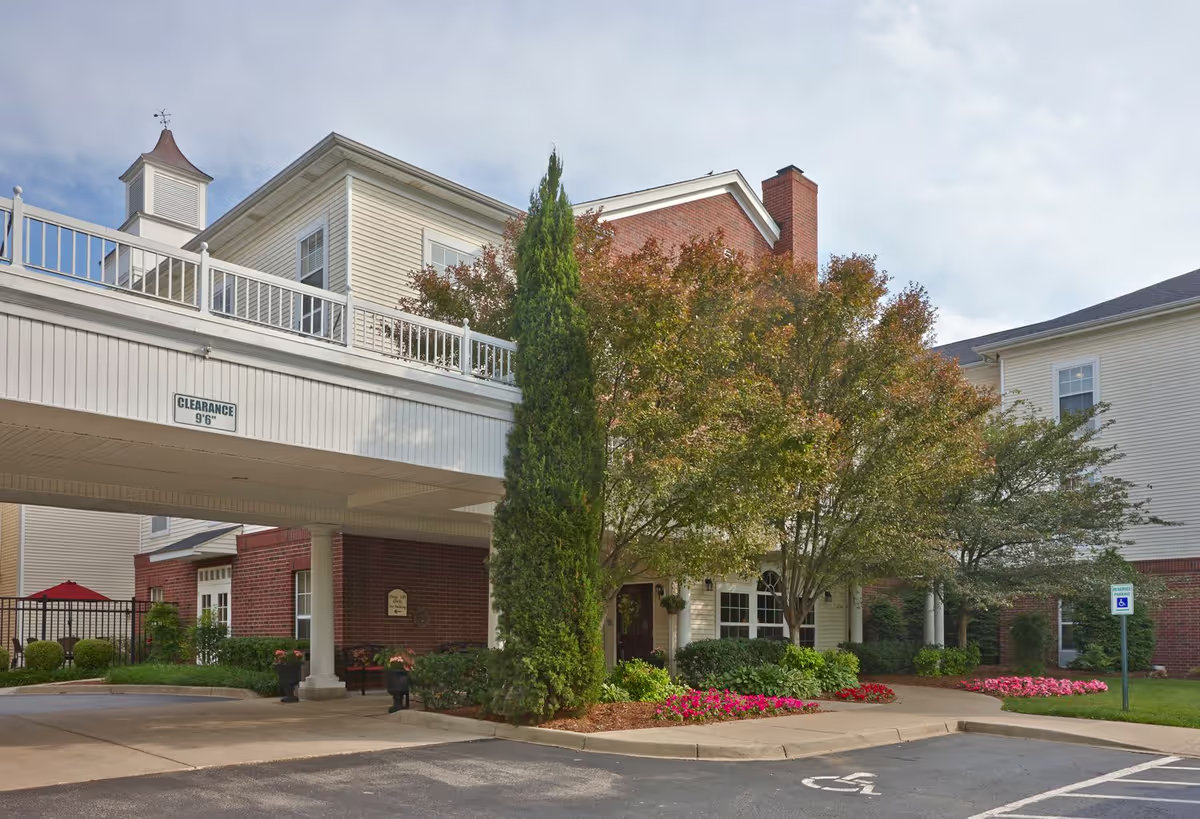
The physical environment is generally described as modern, clean, and well-maintained: newly built or refreshed common areas, courtyards, and a range of apartment types (including some larger two-bedroom units and accessible bathrooms). Reviewers appreciate reservable common areas for family gatherings and a convenient location close to relatives.
Several operational concerns recur across reviews. Inconsistent staffing — particularly on weekends — is linked to longer dining waits, slower responses to basic requests, and occasional lapses in daily care timeliness. Management responsiveness and communication quality are uneven: some families praise proactive leadership while others report difficulty resolving billing disputes, challenges accessing belongings, or slow corporate follow-up after complaints. Ownership transitions and subsequent staffing reductions are highlighted as disruptive by some families. Policy enforcement inconsistencies (for example, smoking rules) and variability in apartment size and decor also appear as recurring themes.
Overall, Forest Hills Commons offers strong clinical staffing, a robust activity program, and a hospitable physical environment that many families value. Prospective residents and families should weigh those strengths against documented operational variability — particularly staffing patterns, dining service consistency, and management responsiveness — and consider in-person discussions with leadership about current staffing levels, billing practices, and unit-specific activity engagement before making a placement decision.