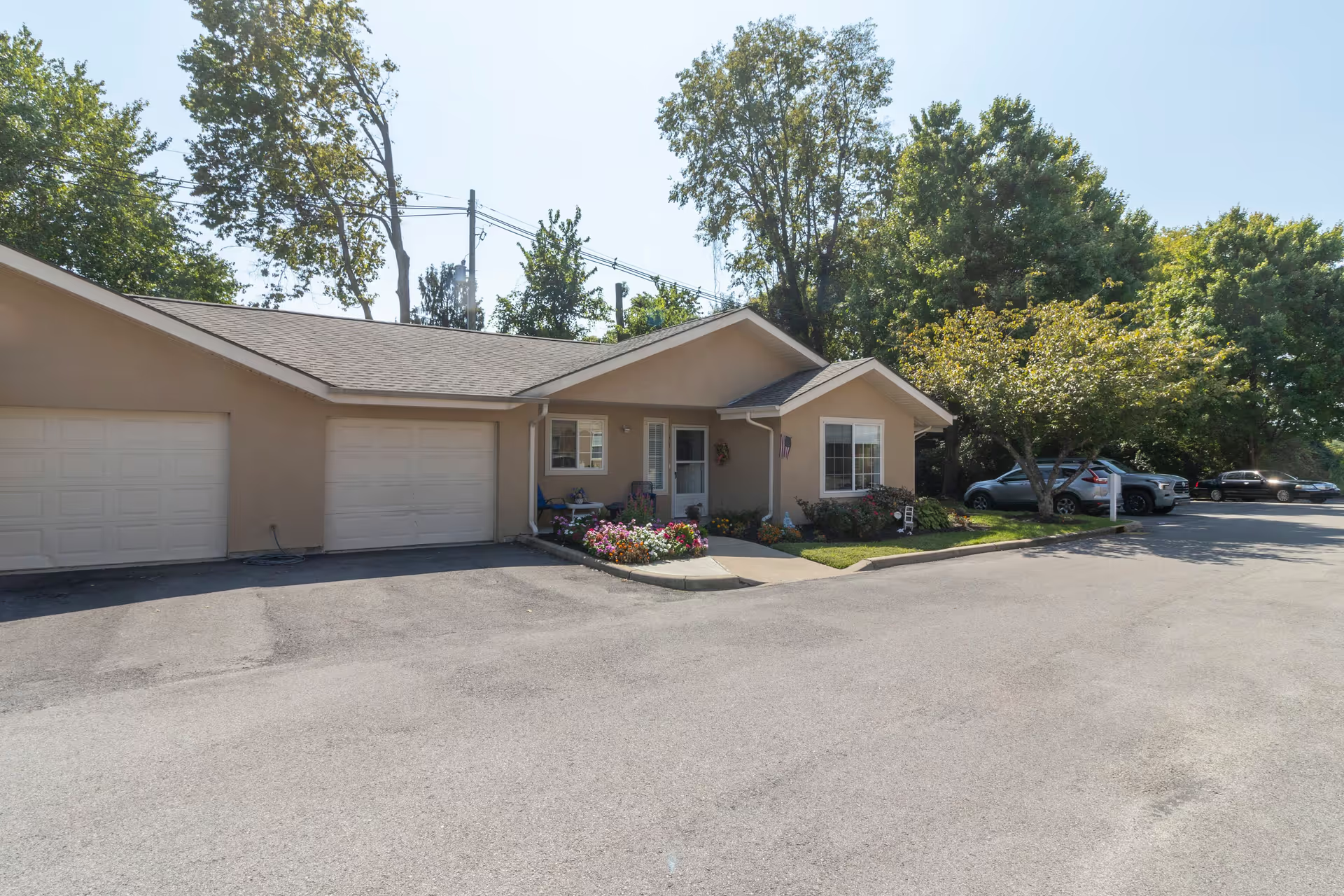
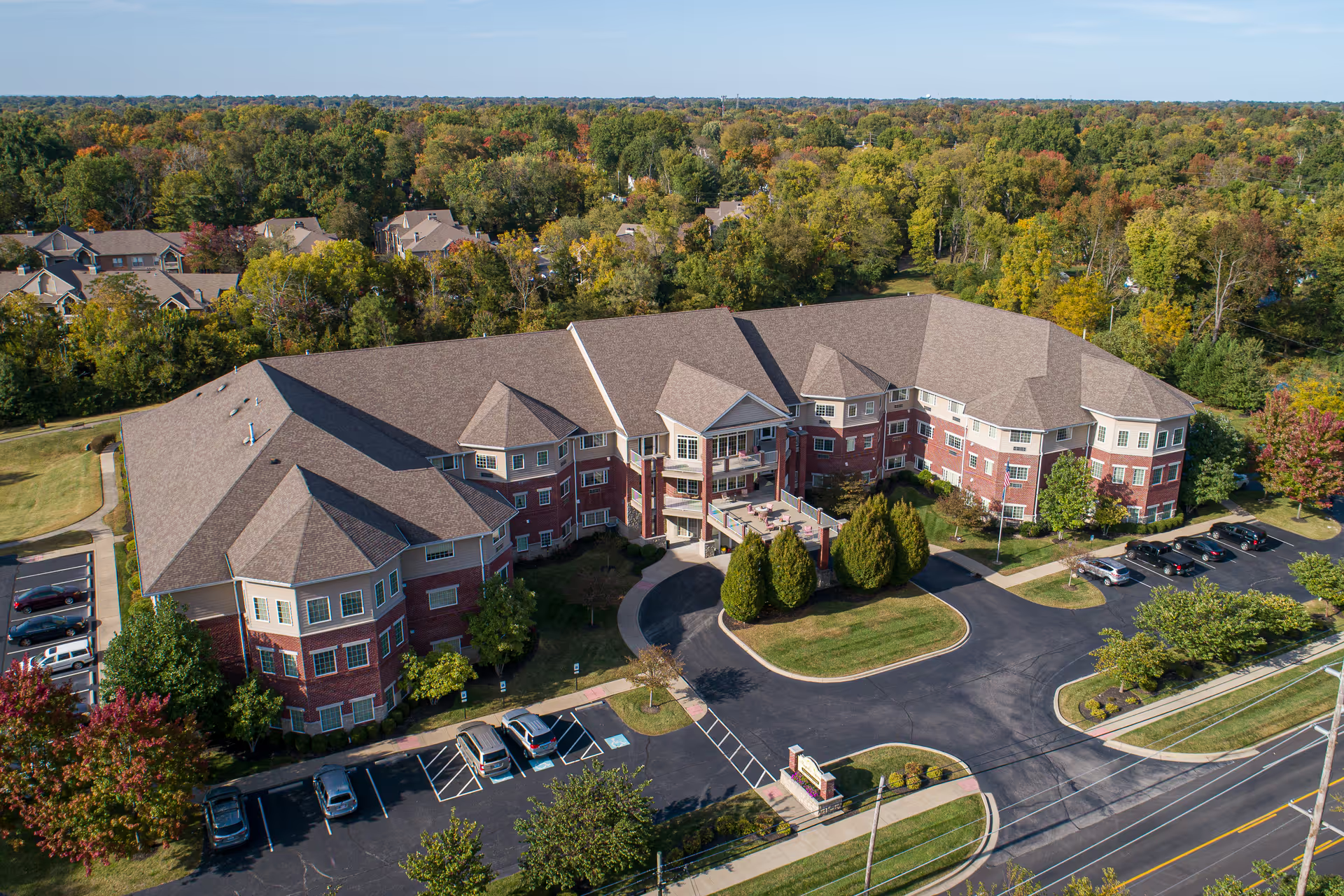
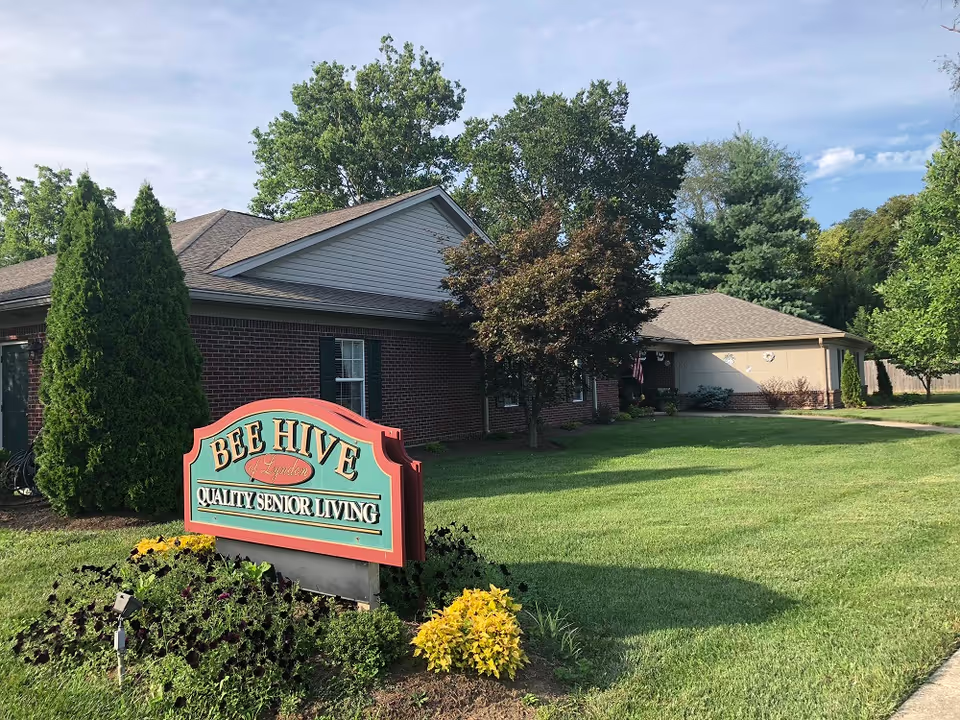
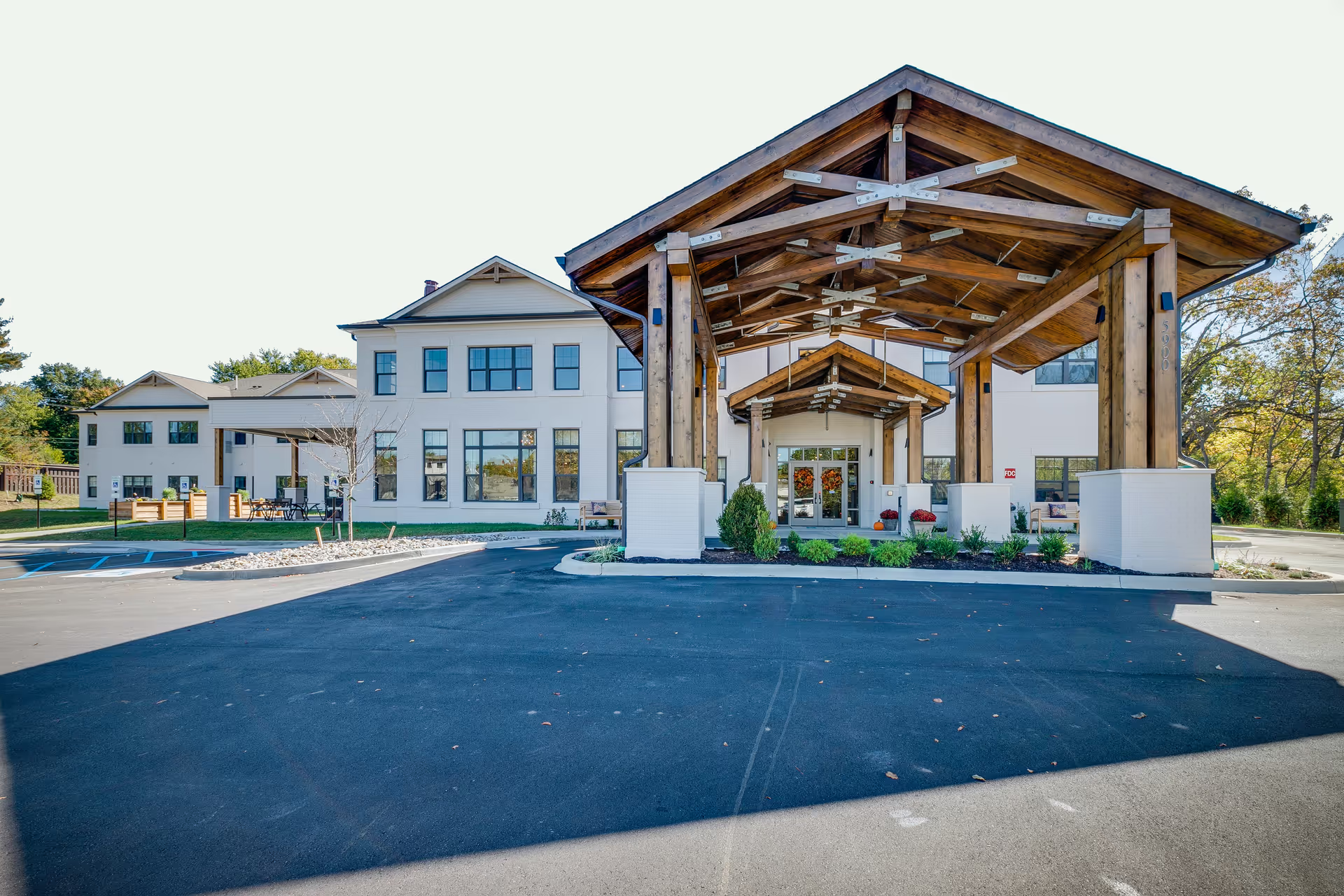
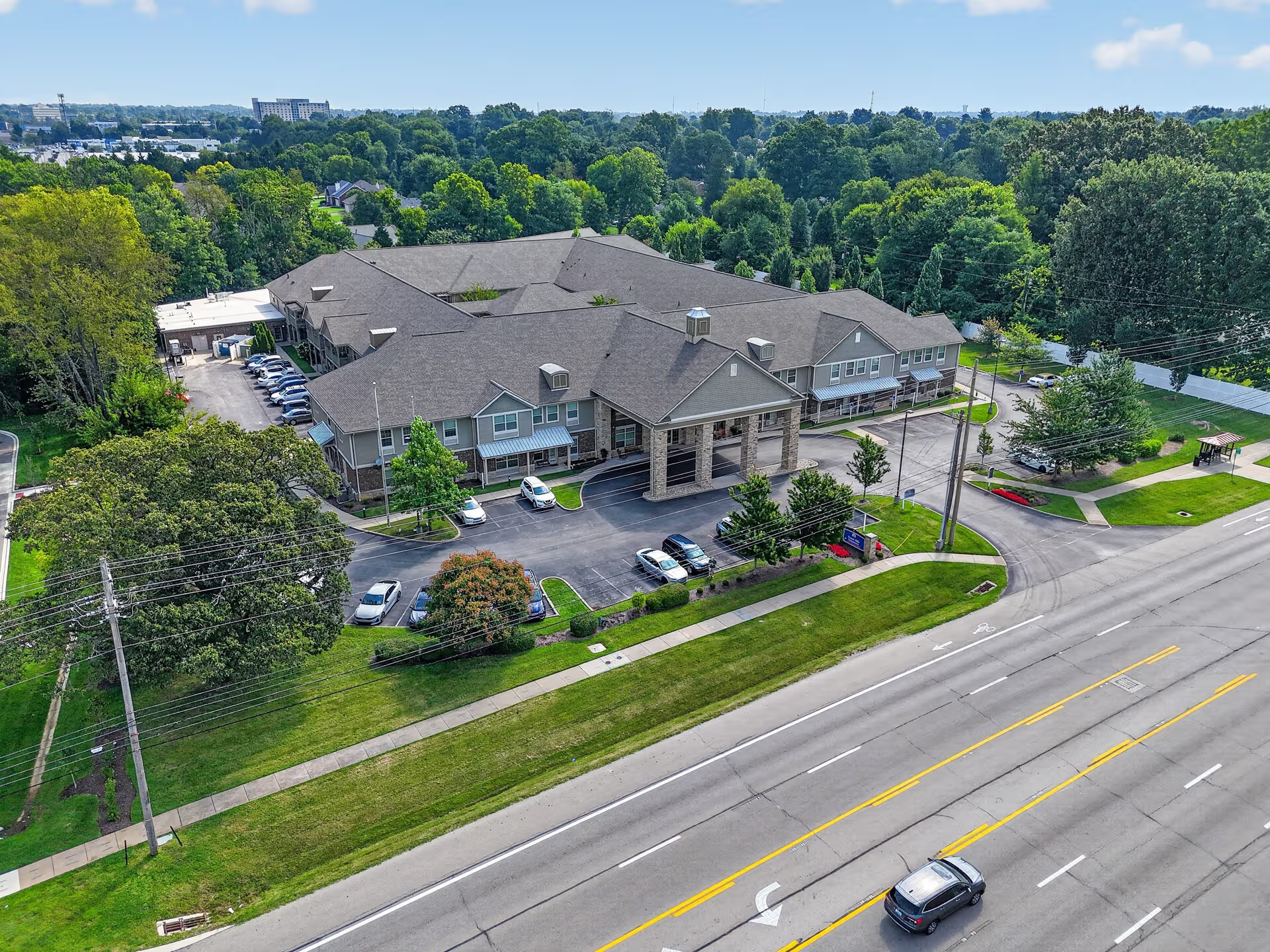
Belmont Village St. Matthews is consistently described as an attractive, well-kept senior living community with a lively activity program and a strong sense of community. Reviewers highlight bright common spaces, chef-prepared meals, frequent musical and arts programming, and family-inclusive events that contribute to an engaging daily life for residents. The campus location near St. Matthews shopping and parks, badge-access security, and on-site therapy offerings are commonly cited as practical advantages.
Clinical and caregiving elements receive mixed but generally favorable mention. Many families and residents praised attentive nurses, aides, and PALs, as well as 24/7 nursing coverage and several accounts of timely emergency responses. The community’s memory-care programming (Circle of Friends, The Neighborhood) is often singled out for engaging, cognition-focused activities and a home-like atmosphere; several reviewers credited staff with compassionate end-of-life support. At the same time, there are recurring observations about variability in care consistency and concern that the setting may not be optimal for individuals with more advanced-stage dementia. That pattern aligns with other comments about staffing levels and turnover affecting continuity of care.
Dining and activities are core strengths: multiple reviewers noted high-quality meals, themed dining venues (including Josephine’s Kitchen), and an extensive calendar of arts, music, outings, and cognitive programs. However, dining quality is not uniformly praised—some residents found meals bland or not as appealing as home cooking, and a few noted variability across services. Activities are frequent and diverse, which families describe as contributing to resident happiness and engagement.
Facility condition and accommodations are generally viewed positively for common areas and newer or renovated apartments, but reviewers also described variability across units. Some apartments are roomy and modern, while others are small or dated. A small number of comments raise maintenance and pest-control concerns; these appear isolated but are notable given otherwise strong cleanliness praise for most areas.
Management and operational themes are the most significant source of negative feedback. Reviewers describe a complex fee structure with separate charges for medication management and other services, occasional delays or lack of clarity in billing communication, and uneven administrative responsiveness. There are repeated references to staffing instability and challenges with leadership communication and tone; families linked those operational traits to inconsistent personal care and to difficult experiences during care transitions or clinical incidents. Several families singled out positive, helpful directors and long-tenured staff as mitigating factors, indicating variability in leadership performance by department or shift.
Overall, Belmont Village St. Matthews presents as an upscale, program-rich community with strong social programming, chef-driven dining options, and many caregivers who provide compassionate and attentive care. Prospective residents and families should weigh those strengths against the facility’s premium cost, the potential for variability in unit condition and day-to-day care, and documented concerns about administrative communication, staffing stability, and capability for later-stage dementia needs. A focused tour that includes conversations about staffing ratios, specific memory-care services for higher-acuity needs, and a clear review of all fees and billing practices is advisable for decision-making.