Twinbrook Assisted Living Apartments is consistently described as a small, family-owned community characterized by a home-like atmosphere and a high level of personal attention. Care quality is portrayed as a central strength: staff are frequently described as compassionate, thoughtful, and familiar with residents' routines and preferences. Reviewers emphasize individualized touches such as staff accompanying residents to hospital visits, remembering personal choices, and providing support that eases transitions from hospital to facility life. The relatively small scale of the community appears to support close staff–resident relationships and family-like social connections.
Dining and programming are notable features. The kitchen actively solicits dietary input and accommodates preferences, and many residents and family members express satisfaction with meals; however, there is some variability in menu reception. A regular activities program, frequent religious services (including six-day Catholic Mass references), and planned social events contribute to companionship and daily engagement. Practical supports such as transportation to medical appointments and grocery shopping are available, and amenities like a beauty shop, patios, and family rooms support socializing and family gatherings.
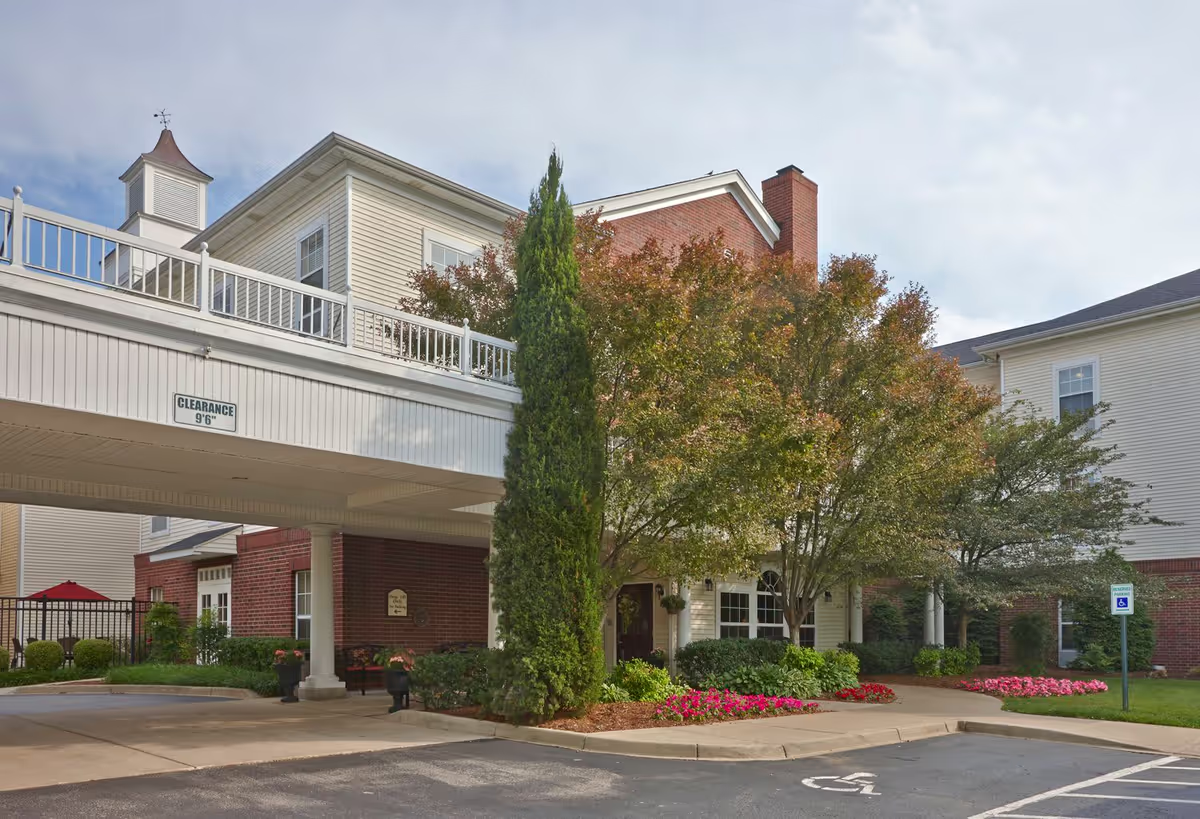
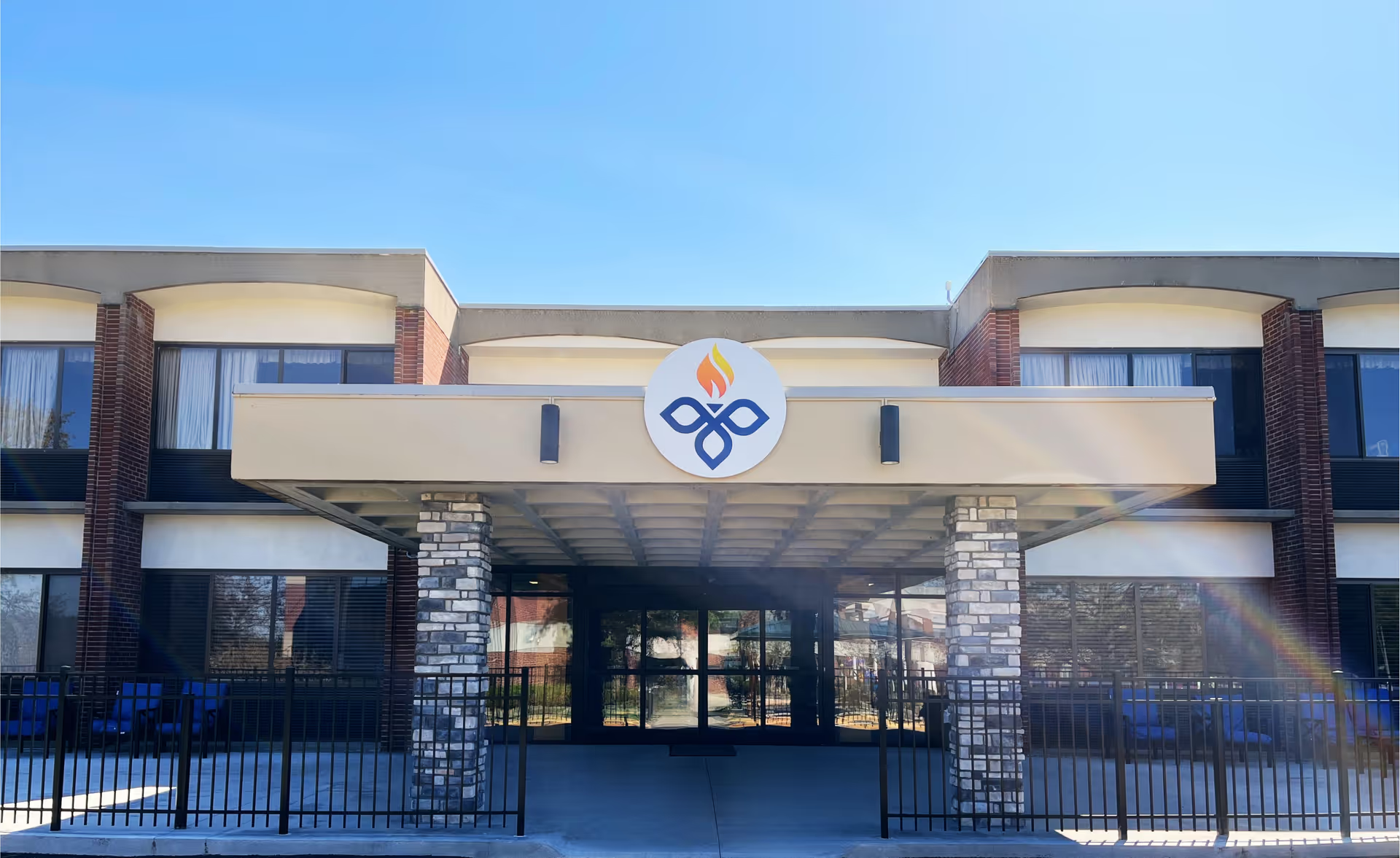
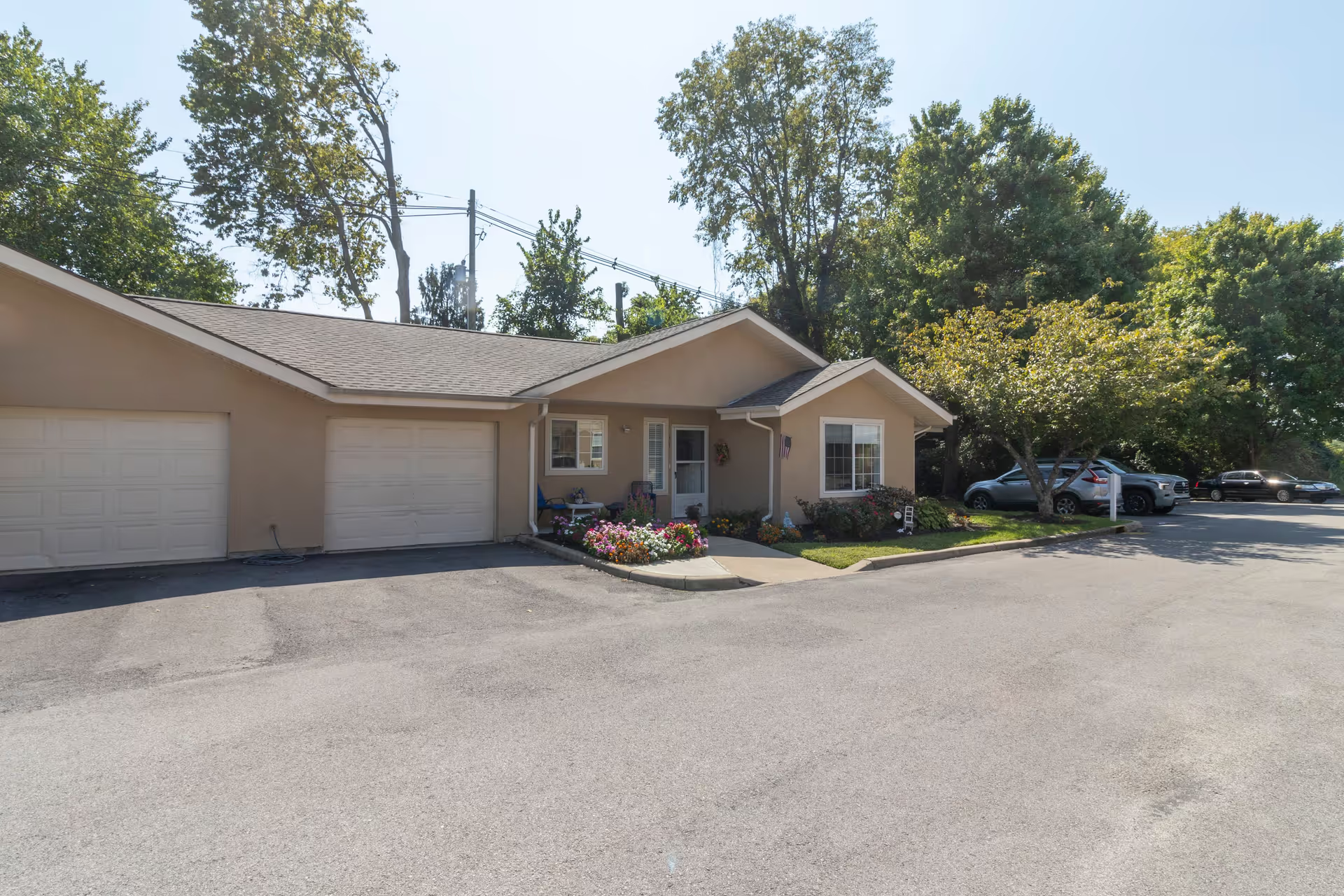
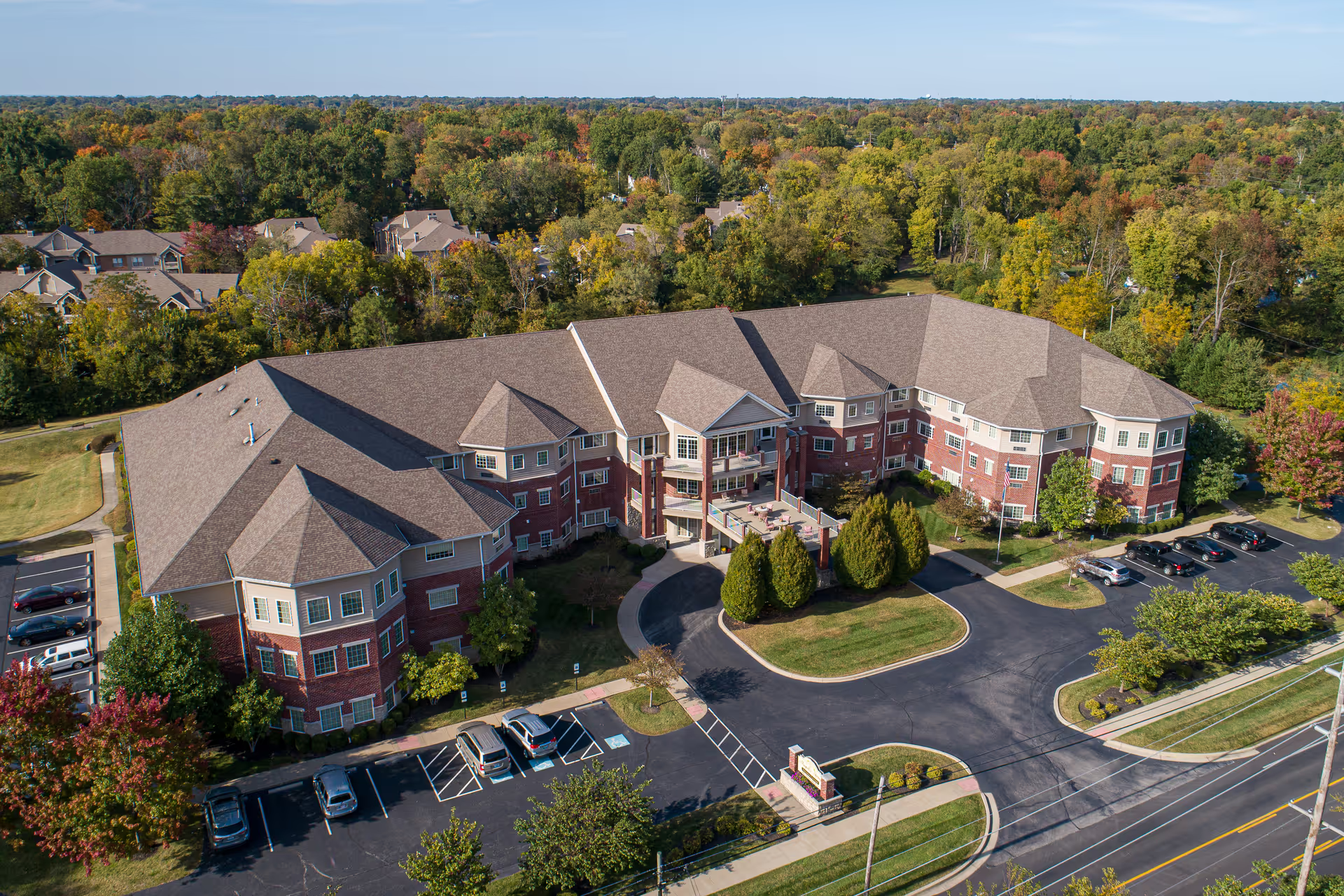
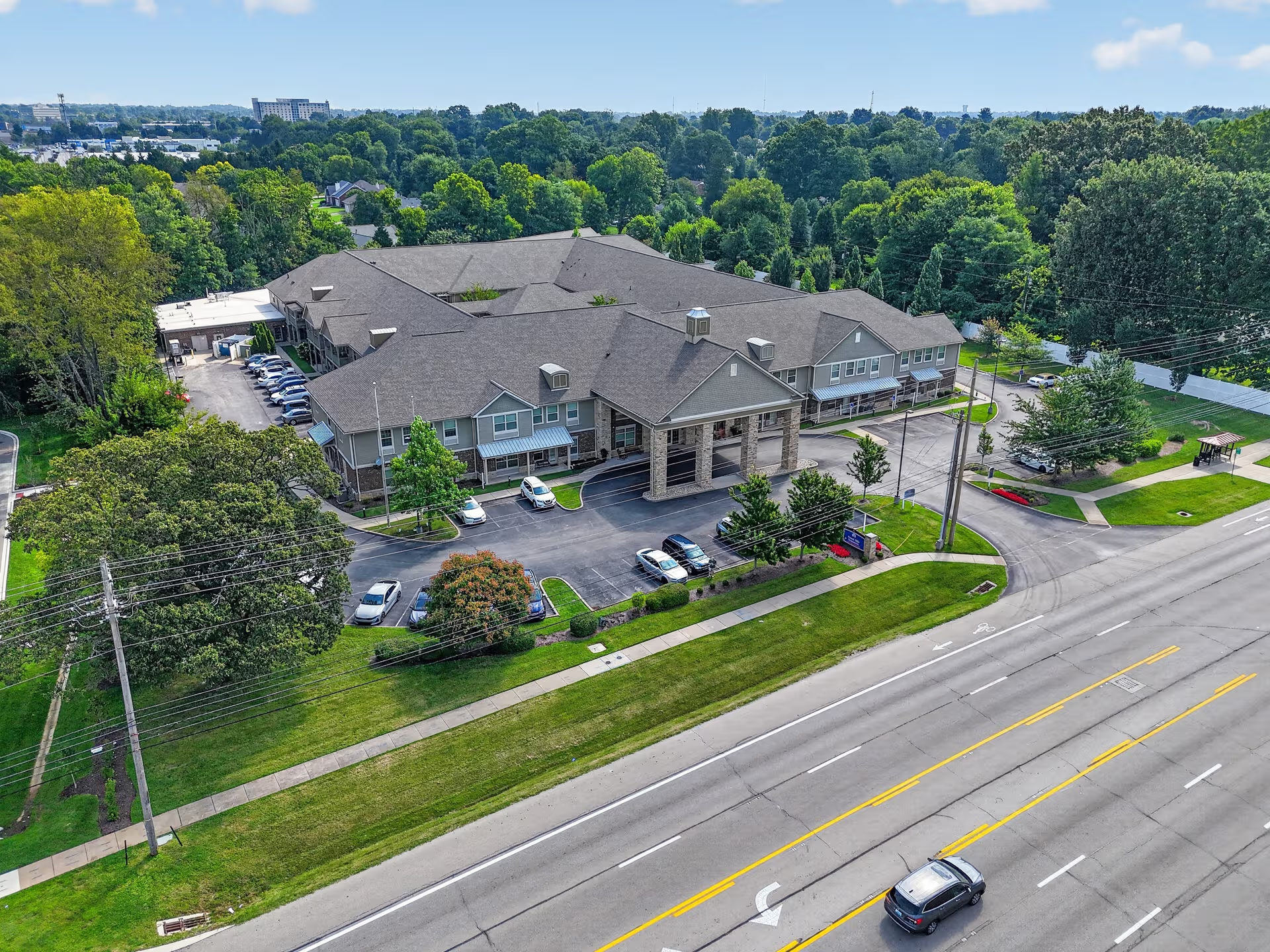
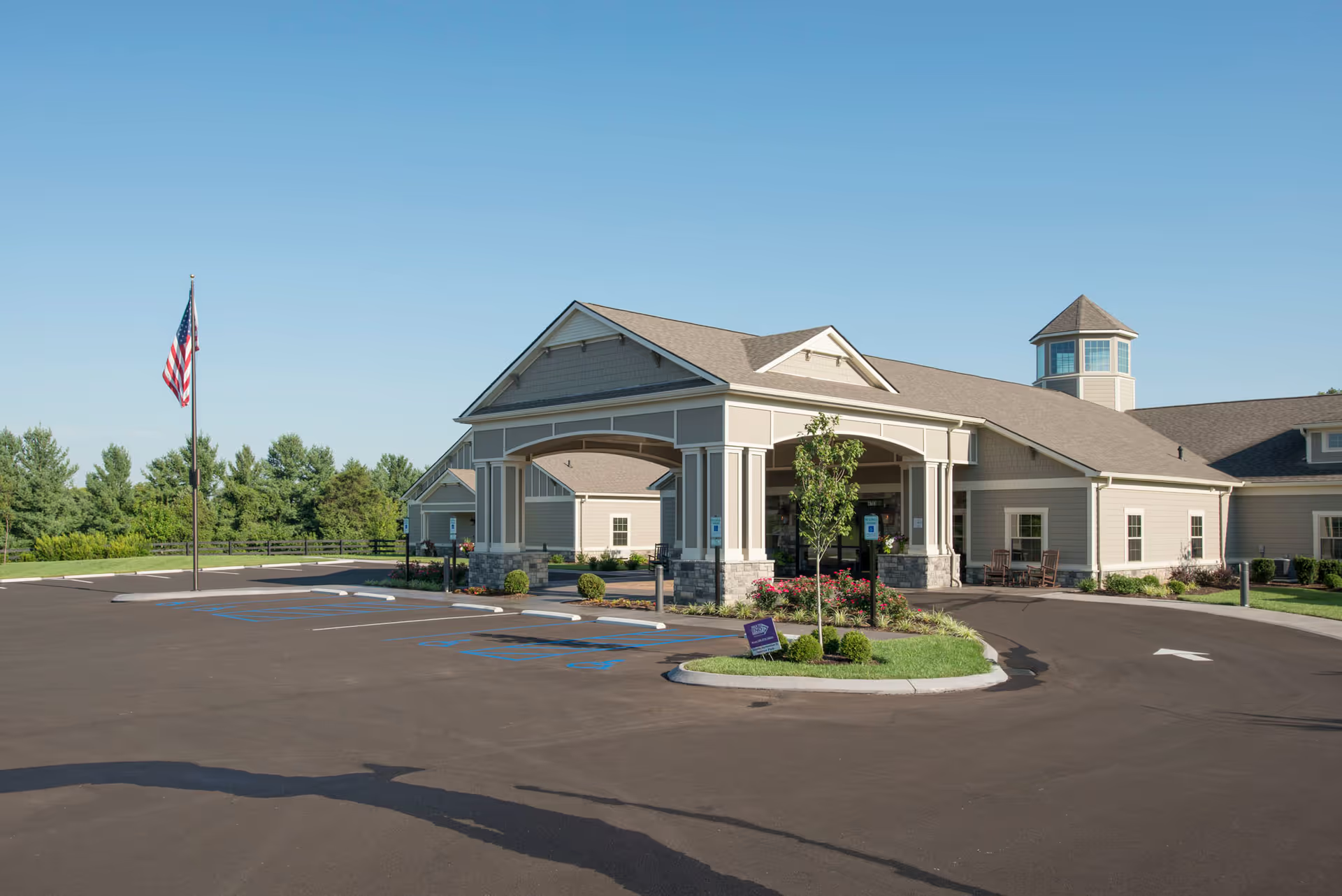
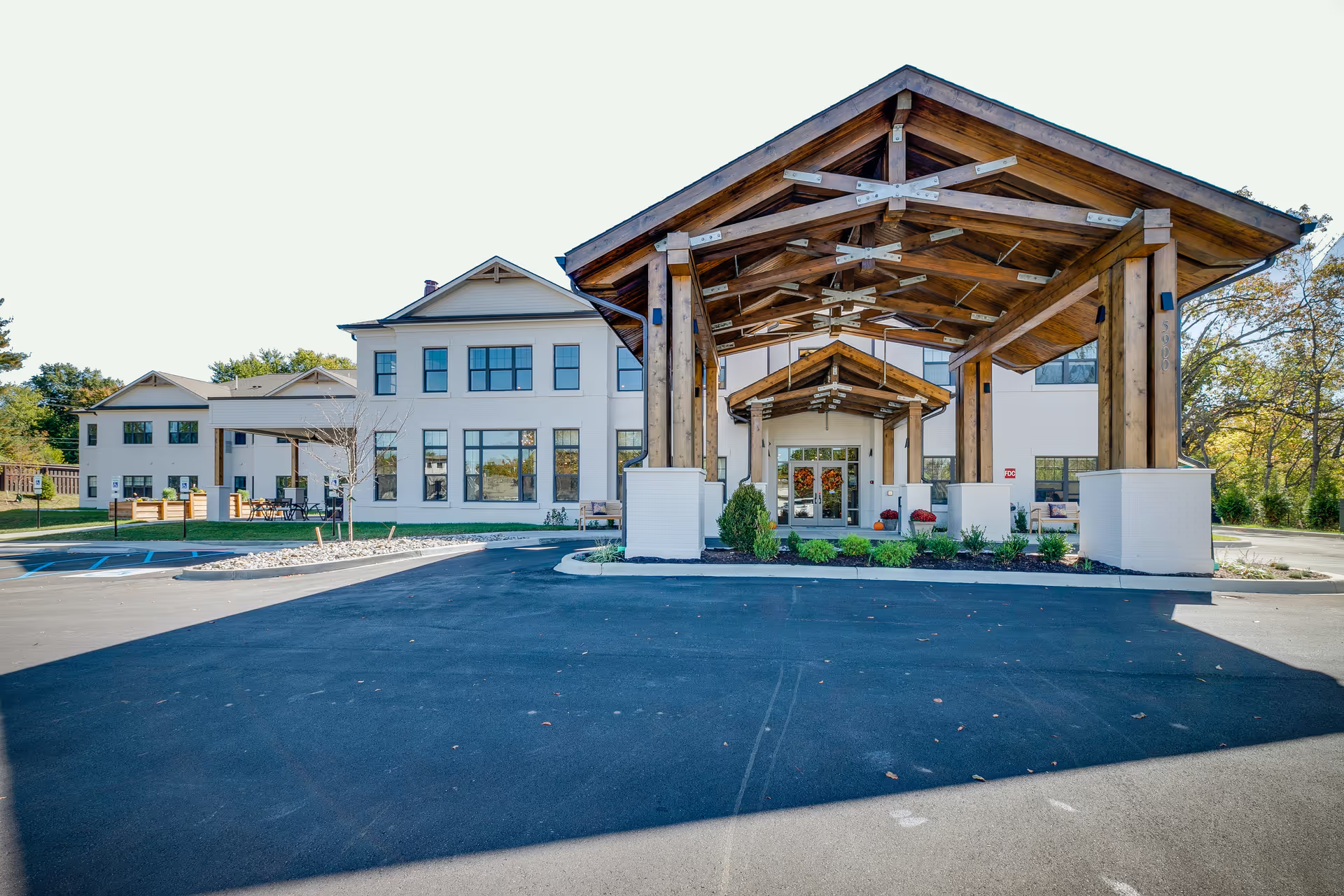
The physical plant reflects a mix of older construction and selective updates. Units such as one-bedroom apartments are described as spacious, with updated kitchens and bathrooms and balconies in some cases. Common areas and grounds are reported as clean and well maintained, and the location offers convenient parking and easy visiting. At the same time, reviewers note that some parts of the building feel dim or dated despite renovations; prospective residents may want to assess lighting and specific unit condition during a tour.
Management and operations are presented positively: owners and the director are seen as engaged and communicative, and staff–family communication is generally clear. The family-owned model and smaller scale are repeatedly cited as reasons families recommend the community and consider it a "hidden gem." That smaller scale, however, is also associated with limitations: the community appears best suited to residents who need assisted living-level care rather than higher-acuity skilled nursing. Several accounts indicate residents moved when clinical needs escalated, suggesting limited on-site capacity for advanced medical or nursing services. In addition, dining quality is generally favorable but described as inconsistent by some, so food may be an area to evaluate in person.
Overall, Twinbrook may be a good fit for prospective residents seeking a reasonably priced, small, family-run assisted living community with attentive staff, personalized care, and an active social program. Families touring the property should verify unit-specific conditions (lighting and recent renovations), sample meals, and confirm the facility's clinical limits and transition procedures should a resident require higher-acuity care in the future.