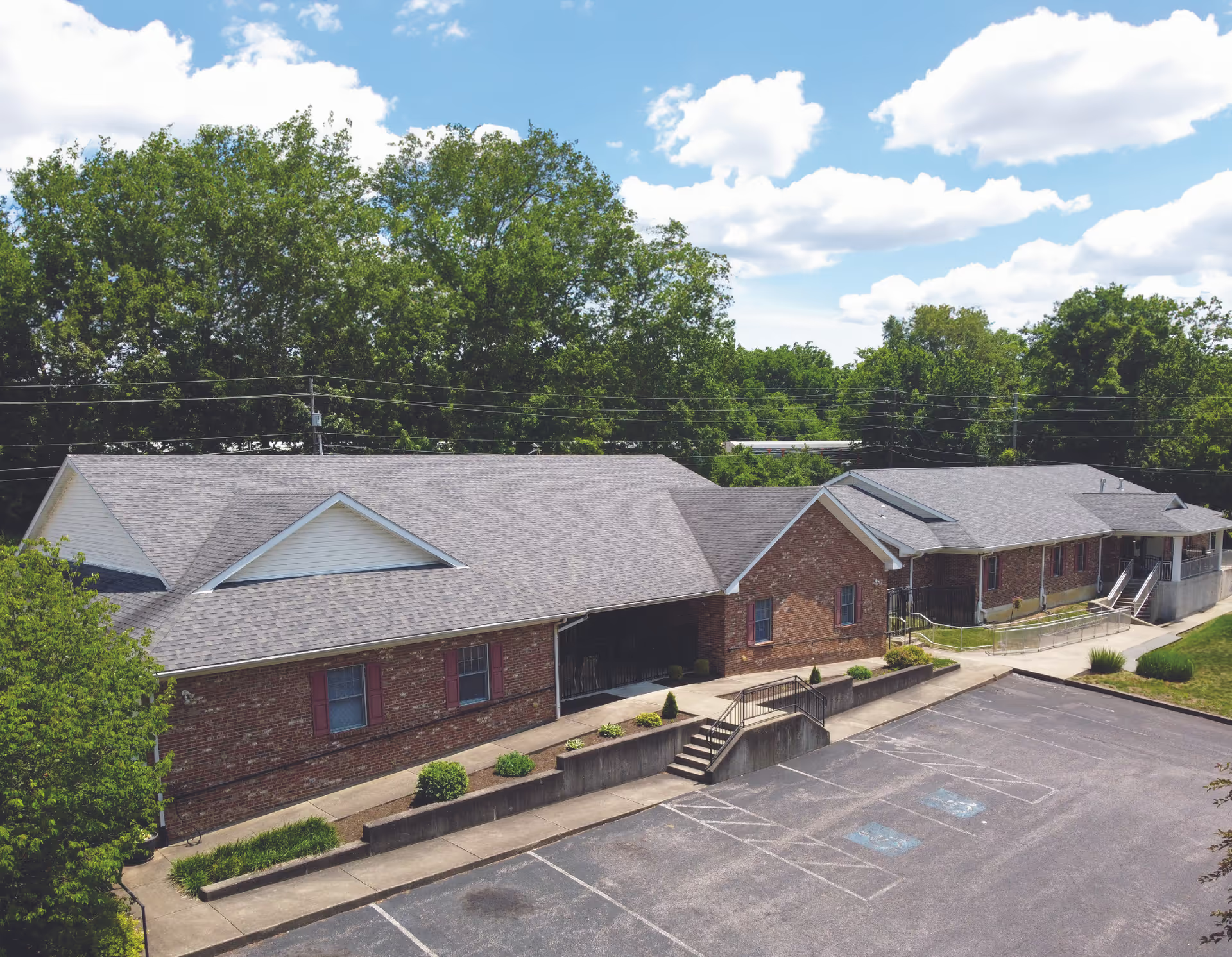
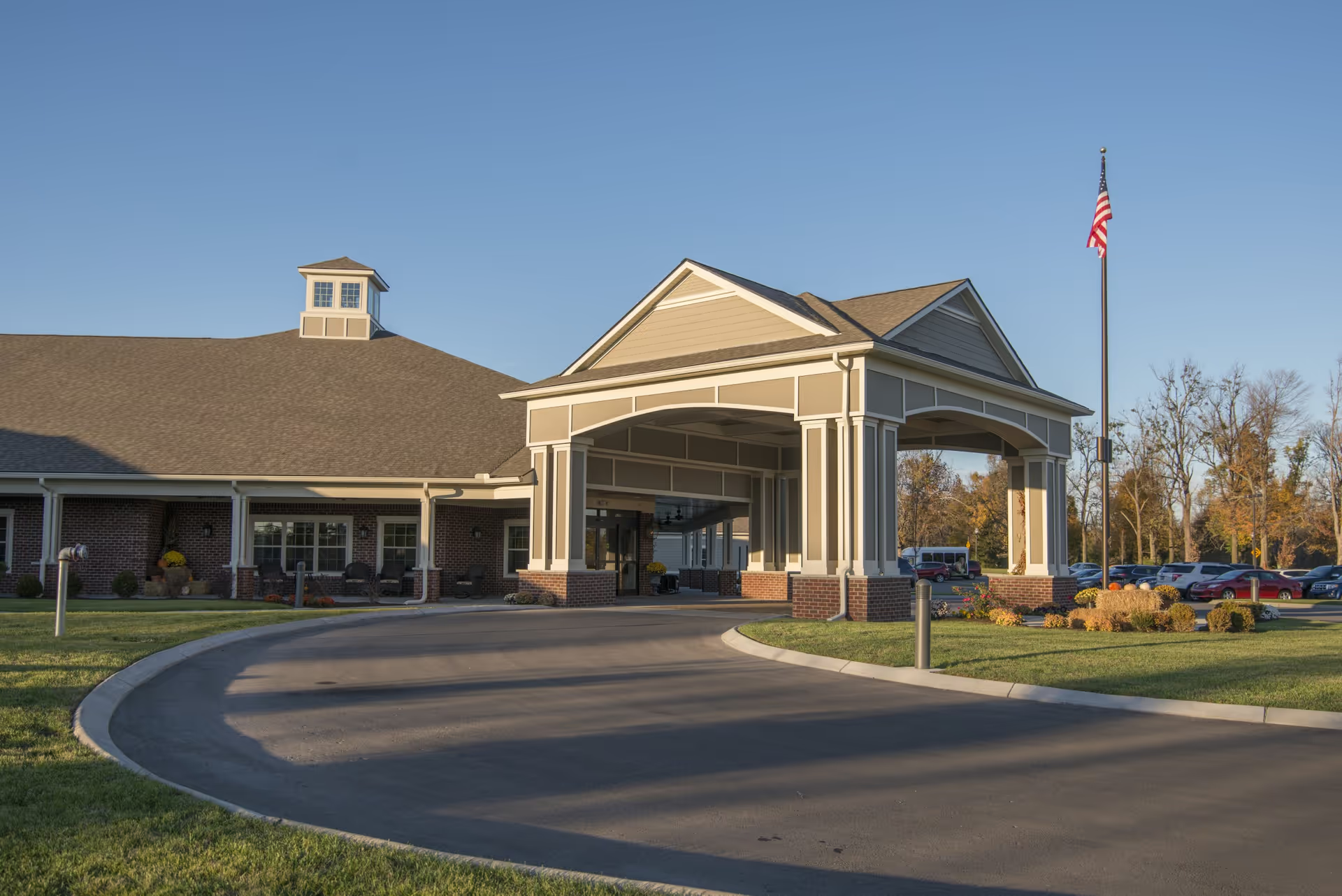
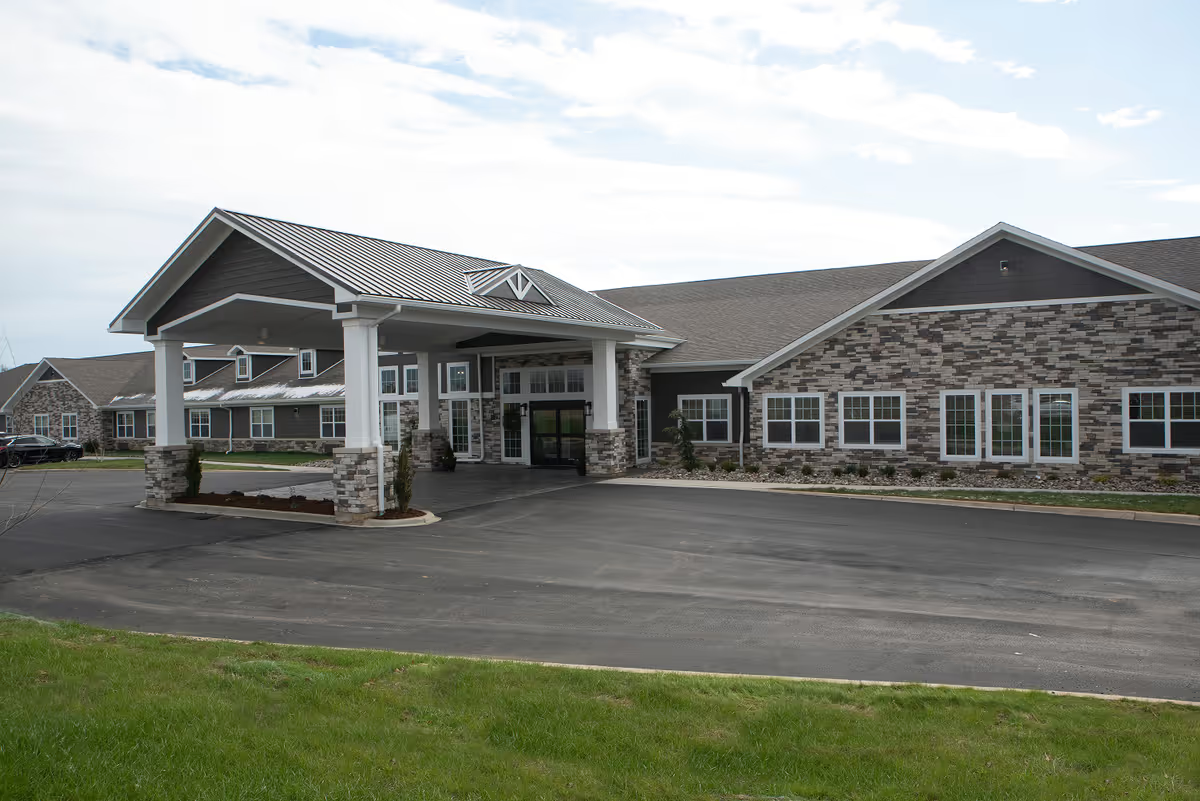
The reviews reflect a facility with clear strengths in caregiving, social programming, and some clinical outcomes, paired with operational inconsistencies that prospective families should note. Many comments highlight compassionate, long-tenured staff—CNAs and nurses who create a home-like atmosphere and an active social calendar. Short-term rehabilitation capacity and a supportive admissions team are described positively by families who experienced successful discharges and engaging daily offerings such as pet days, prom events, crafts, and community outings.
Care quality is characterized by two contrasting themes. On the positive side, reviewers frequently describe attentive nursing and direct-care staff, individualized attention during rehabilitation, and staff who take pride in resident engagement and safety. Conversely, there are recurring concerns about responsiveness and basic personal-care processes: delays in answering call bells and phones, incontinence-care delays, and at least some references to pressure-injury issues that suggest gaps in prevention or oversight. These items point to variability in day-to-day responsiveness rather than uniformly poor clinical competence.
Dining and activities are important differentiators. Activity programming is consistently praised for being varied and resident-focused, encouraging family participation and producing observable resident enjoyment. Feedback on meals is mixed: some families commend the dietary team and nurses for meal service and palatable offerings, while others describe dissatisfaction with food quality. This suggests variability in meal experience that may depend on unit, shift, or individual preferences.
Facility and management themes include maintenance and cleanliness concerns alongside reports of communication breakdowns. A number of reviewers described sanitation and upkeep issues in specific areas and identified broken fixtures requiring repair. Families also reported inconsistent notification practices—such as transfers without timely family or POA notification—and disputes over decision-making that reflect weaknesses in family-staff communication. In at least one instance there was escalation to external authorities and an allegation prompting law-enforcement involvement; such an event underscores gaps in incident-escalation protocols and family resolution processes more than it defines routine care.
Overall, Landmark of Lancaster presents a mixed picture: strong human resources in terms of committed, long-tenured caregivers and robust activity programming, combined with operational and communication weaknesses that affect reliability of day-to-day care and environment. Prospective residents and their families should consider on-site observation, ask targeted questions about staffing levels by shift, call-bell response metrics, incontinence and pressure-injury prevention protocols, maintenance schedules, meal planning, and the facility's incident-escalation and family-notification policies before making decisions.