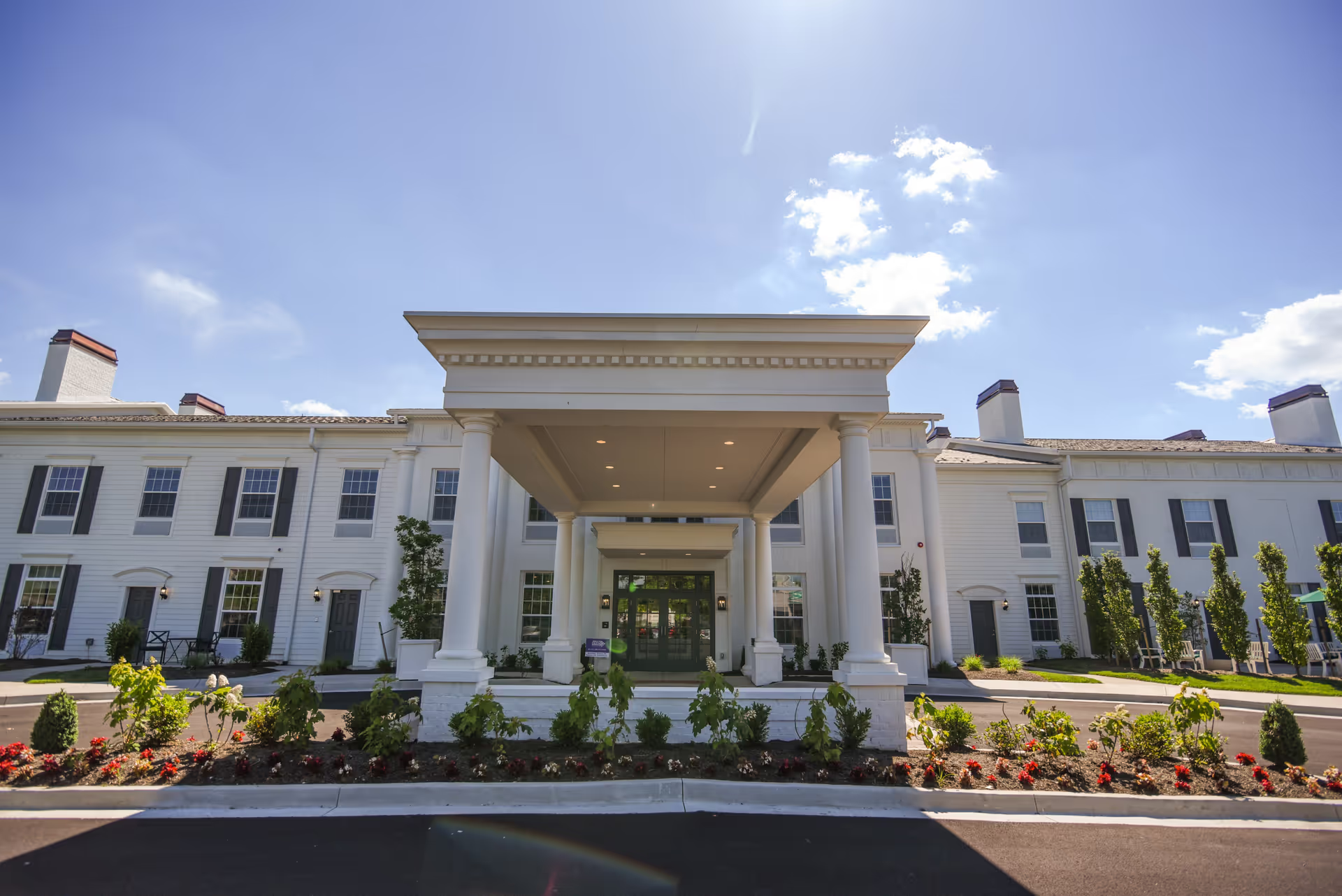
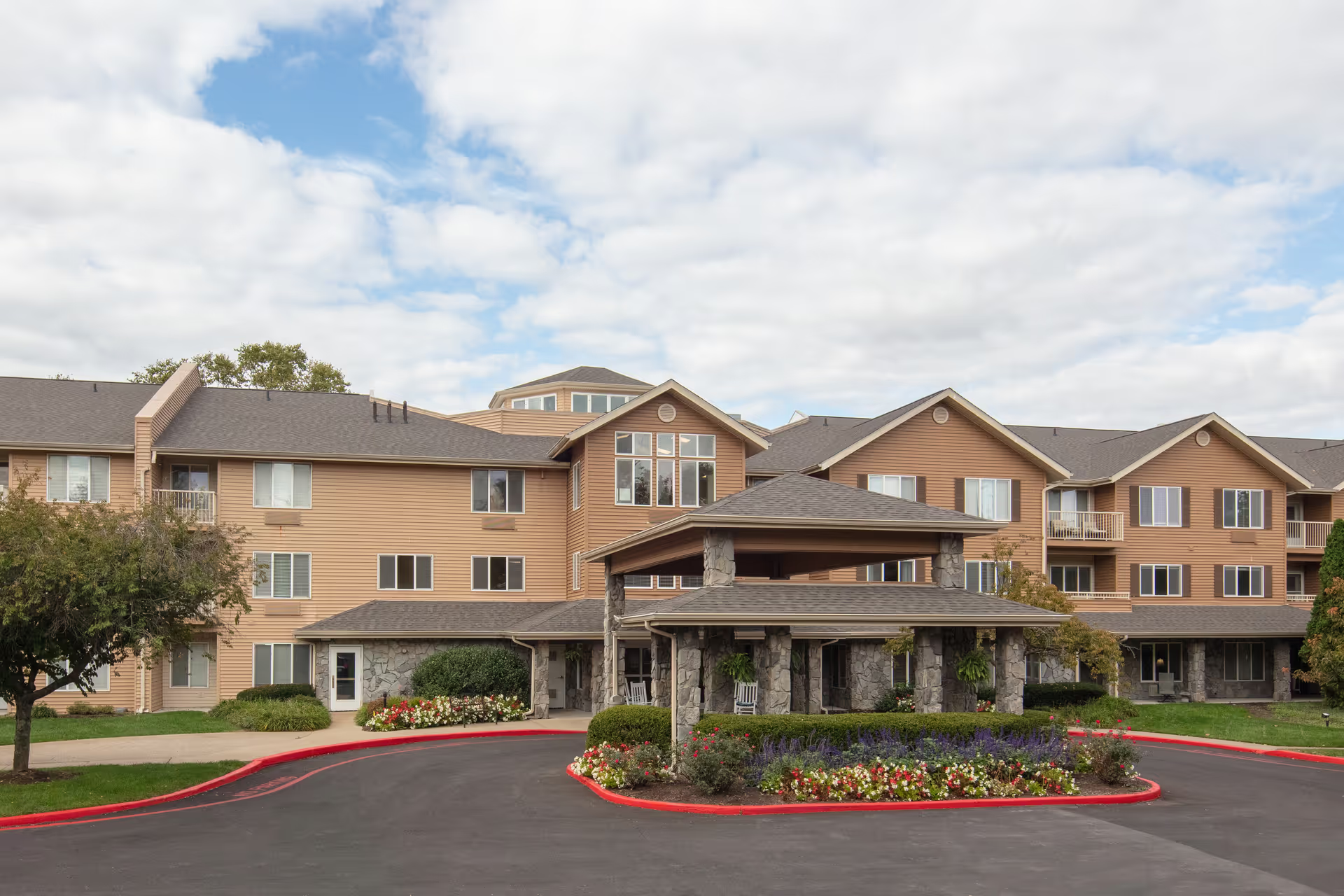
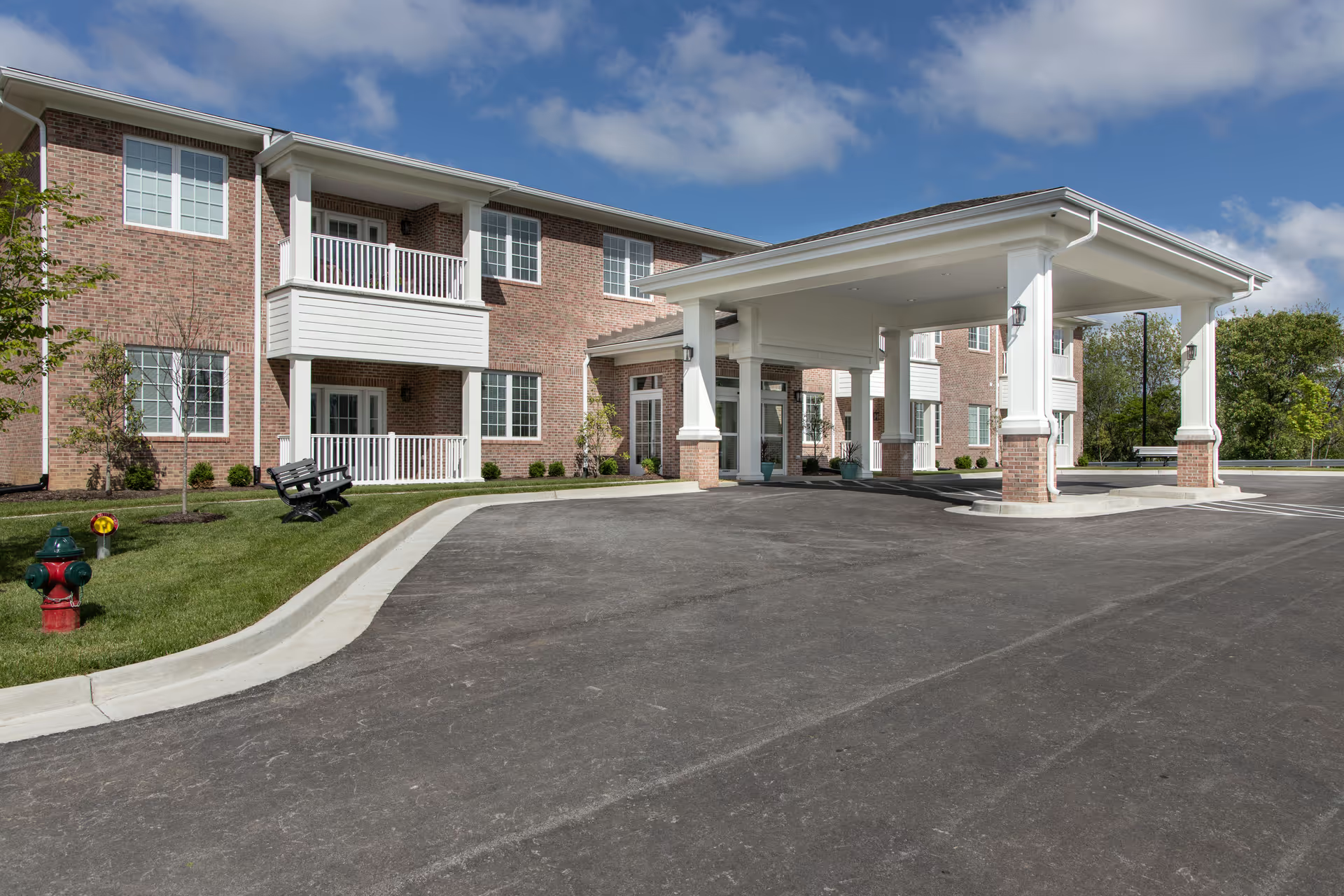
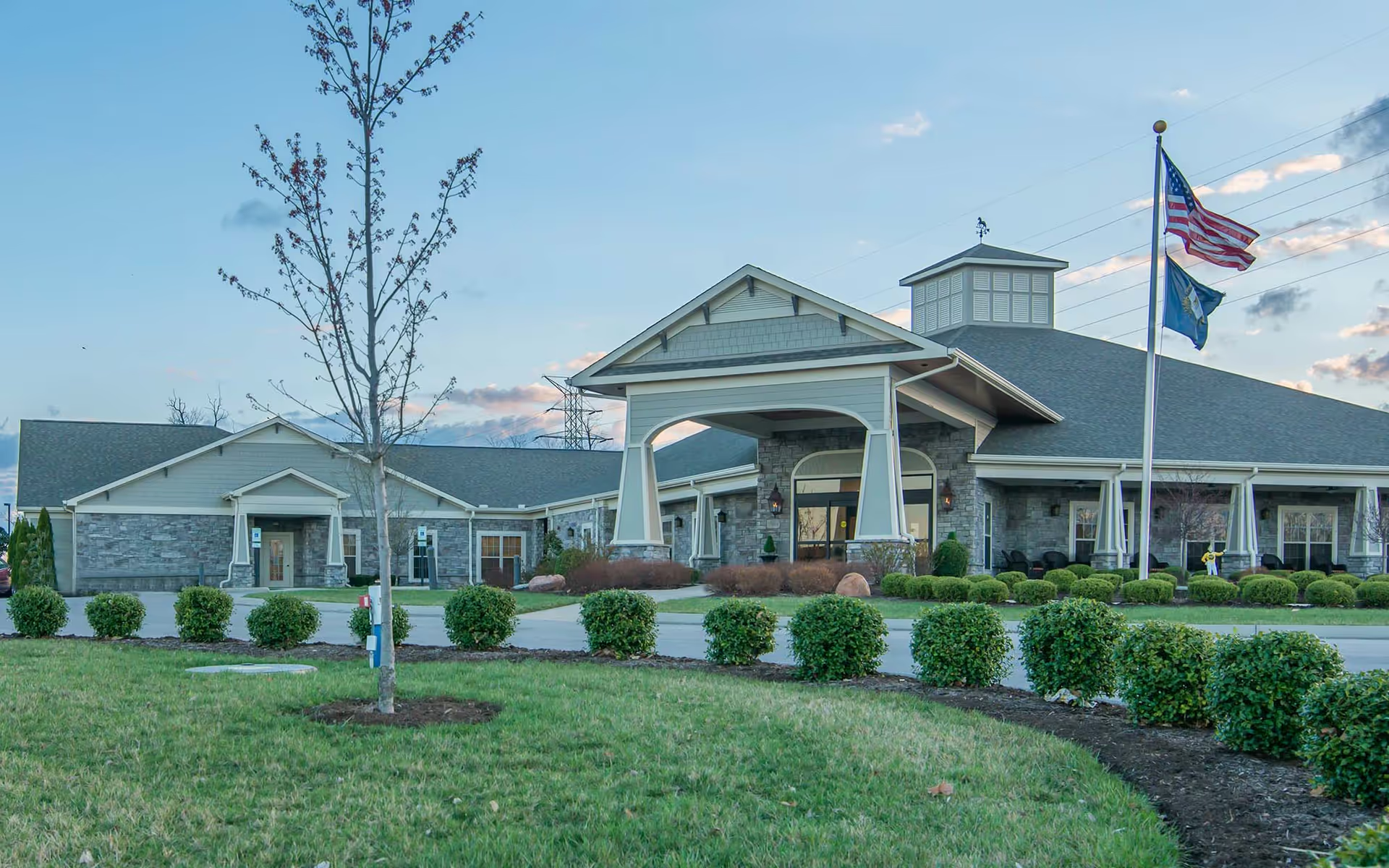
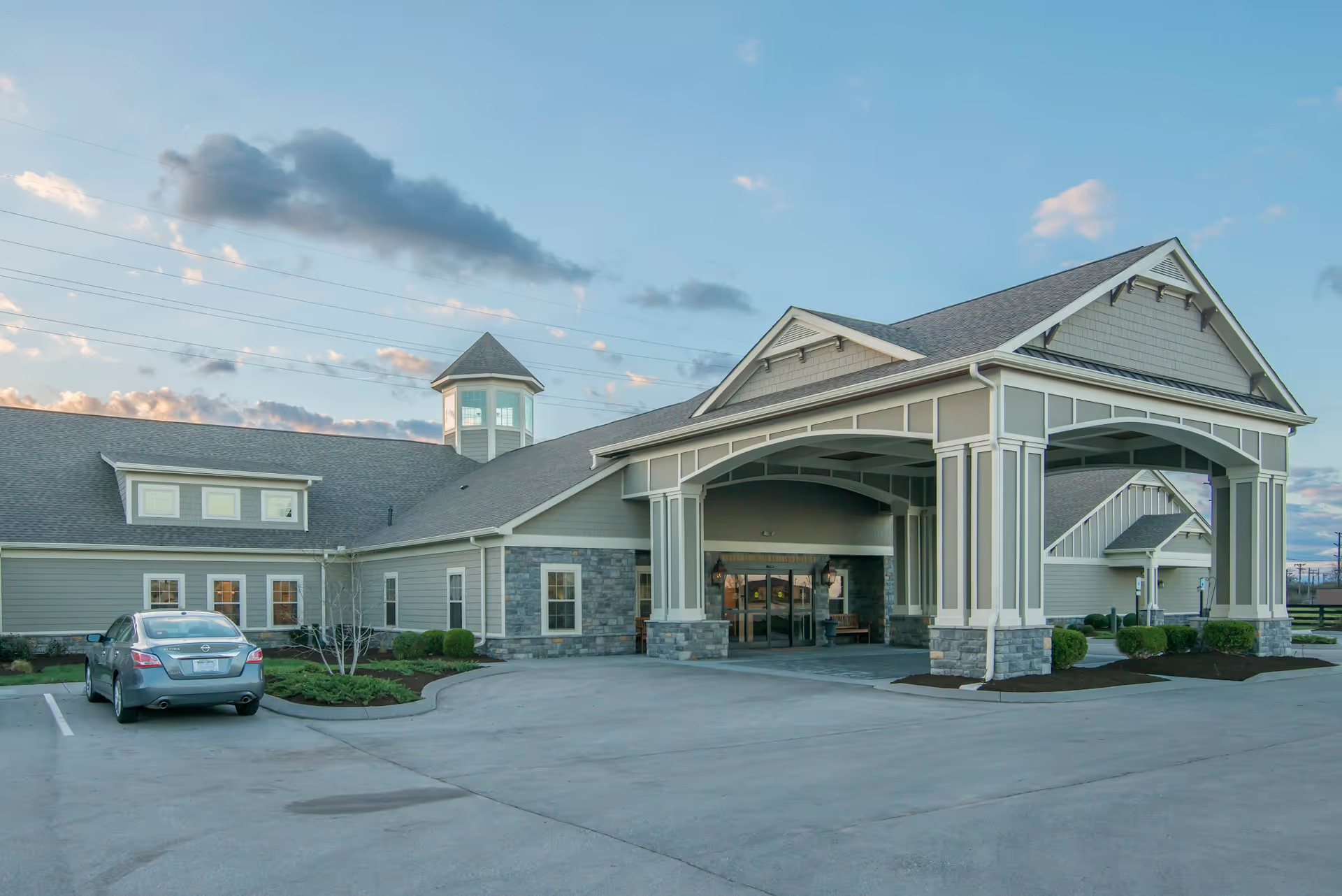
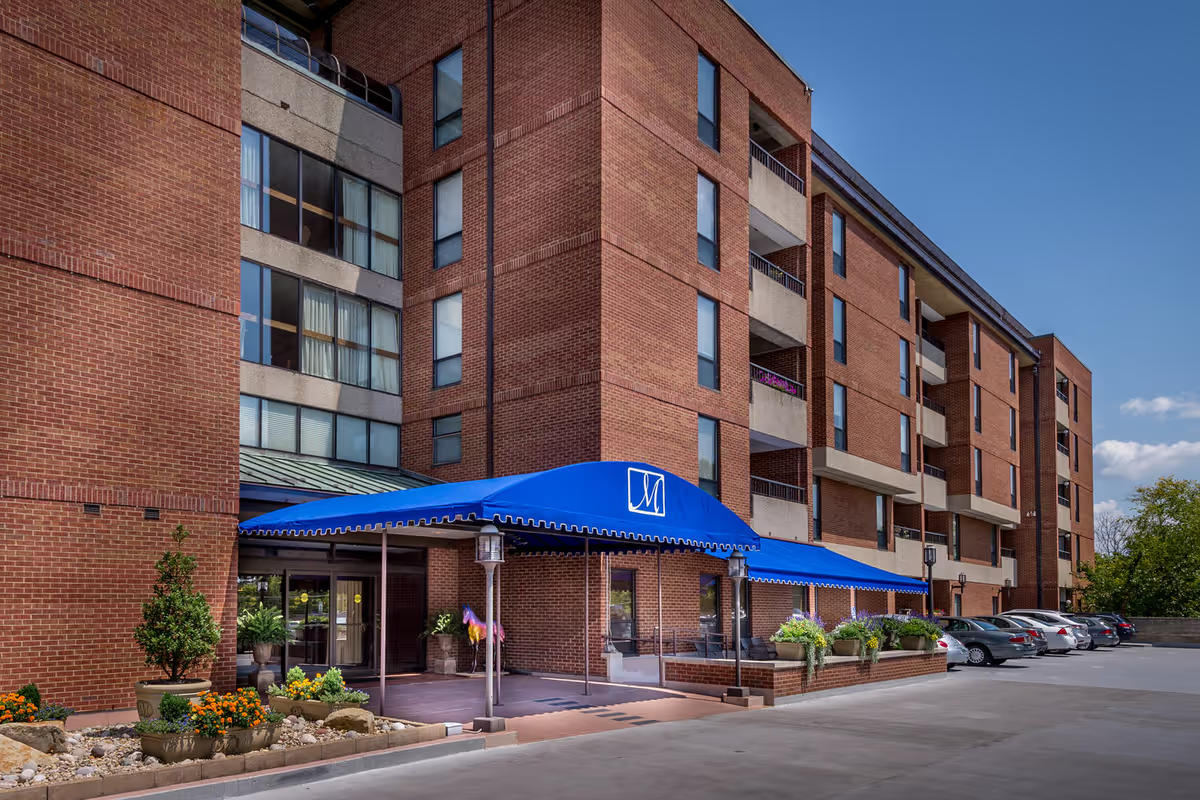
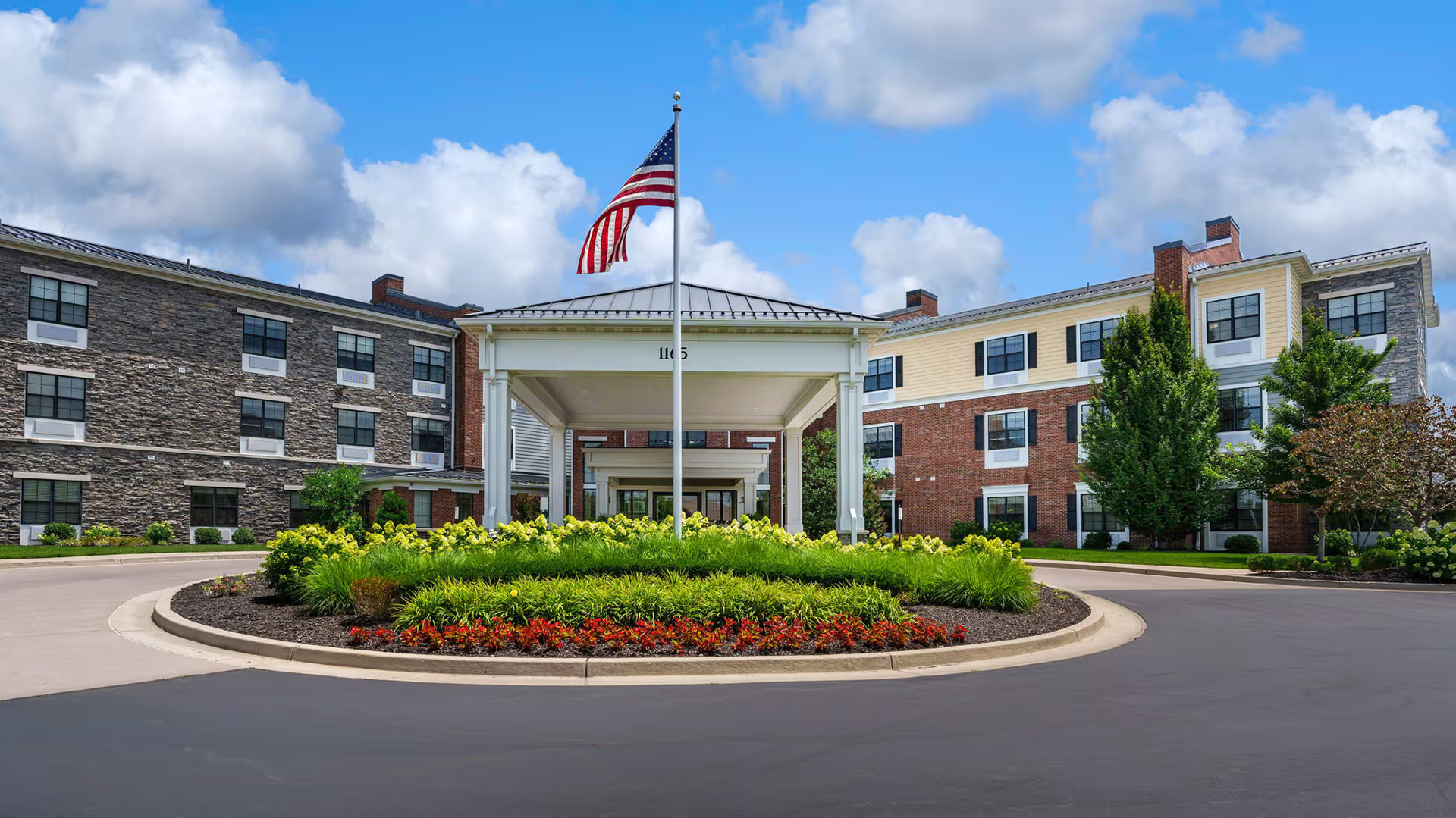
The reviews describe a facility with several clear strengths alongside recurring operational concerns. Positive accounts emphasize a warm, welcoming atmosphere, a staff base that can be compassionate and personable, and a robust life-enrichment program that provides frequent outings, events, and social opportunities. Many families highlighted the dining experience as a meaningful positive, with meals described as enjoyable and comparable to higher-end dining in tone. The physical plant is repeatedly described as bright, new or recently updated, with attractive landscaping, inviting common areas, roomy apartments, and practical on-site amenities such as a salon, library, movie theater, and on-site physical therapy.
Care quality descriptions are mixed. Numerous reviewers praised front-line caregivers and individual staff members for their dedication and ability to improve residents' quality of life, especially after leadership changes. At the same time, there is a consistent pattern of operational weaknesses: unpredictable staffing levels and frequent turnover that appear to produce variable care from shift to shift; gaps in clinical communication with families, including delayed notifications about medical, medication, or meal-related issues; and concerns about personal-care consistency, including pressure-injury prevention and incontinence-care follow-up. These are framed as systemic reliability issues rather than isolated anecdotes and have been a decisive factor for some families evaluating the community.
Management and organizational patterns merit attention. Several reviewers noted improvements after a new director and nursing leadership were appointed, citing better responsiveness and an uplift in morale. Conversely, recurring comments about leadership turnover and a corporate ownership model have raised concerns about cost-control priorities and their potential impact on staffing and continuity of care. There are also mentions of administrative errors and at least one privacy lapse, indicating that administrative processes and record-handling could be areas for quality improvement.
In practice this means the resident experience can vary. When staffing is sufficient and leadership is engaged, reviewers describe a vibrant, home-like environment with active residents, strong programming, and caring staff. When staffing is thin or turnover is high, families report inconsistent attention, delayed communication, and variability in personal-care tasks. Prospective residents and families should balance the facility's strong amenities, dining, and activities against the operational risks noted above. Recommended topics for an in-person tour and follow-up conversations include current staff-to-resident ratios (including nights and weekends), staff turnover statistics, specific protocols for clinical notifications and medication administration, pressure-injury prevention practices, and administrative safeguards for privacy and mail handling.