Highgrove at Tates Creek presents a mixed but definable profile: it is widely regarded as an upscale, well‑appointed community with many strong programmatic features, but it has recurring operational concerns that prospective residents and families should evaluate before committing.
Care and staff: The dominant theme across accounts is that frontline staff are frequently described as compassionate, patient, and attentive. Multiple mentions highlight caregivers who personalize care, support couples to remain together, and create a family‑like culture within the community. Memory care leadership is a consistent strength; the memory‑care program and its director are praised for responsiveness, individualized attention, and environmental design elements (natural light, looping corridors, and central courtyards) that support residents with wandering behaviors. At the same time, there are repeated concerns about staffing stability and leadership turnover. Reviewers describe instances of inconsistent staffing levels, which correlate with slower response times for assistance requests and perceived gaps in supervision—an important consideration for residents with higher care needs.
Dining and activities: Dining is generally seen as a positive amenity. Many families and residents describe above‑average meals, social dining, and themed events such as socials and holiday celebrations. Others note that meal quality can be basic or variable, and recent changes to food service have been experienced unevenly. The activity program is a clear strength: a broad calendar of offerings (arts and crafts, exercise groups, outings, cooking classes, movie theater, and social events) supports social engagement and routine. Therapy services, wellness nursing availability, and regular outings (scenic drives, ice cream socials, garden activities) further enhance quality of life.
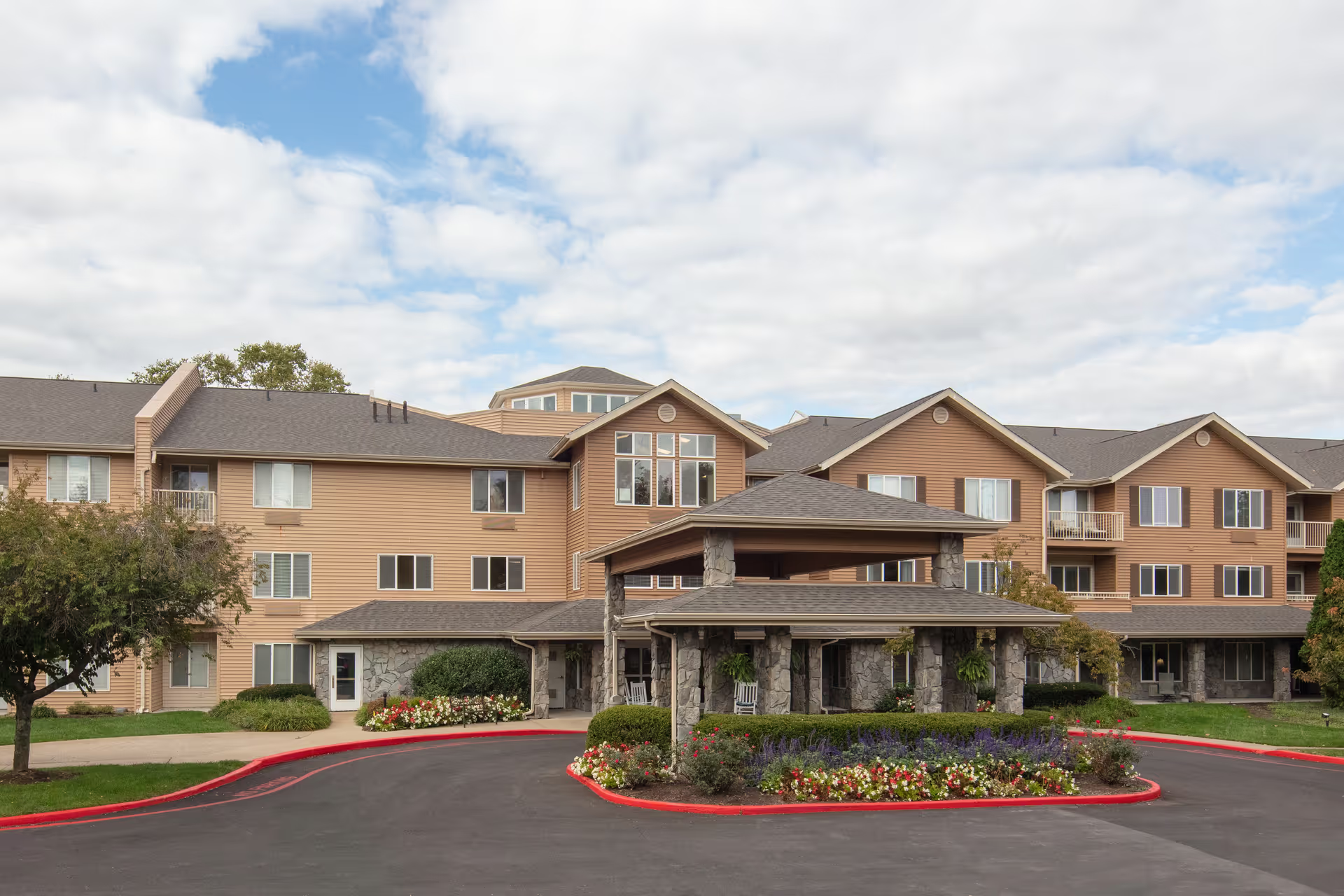
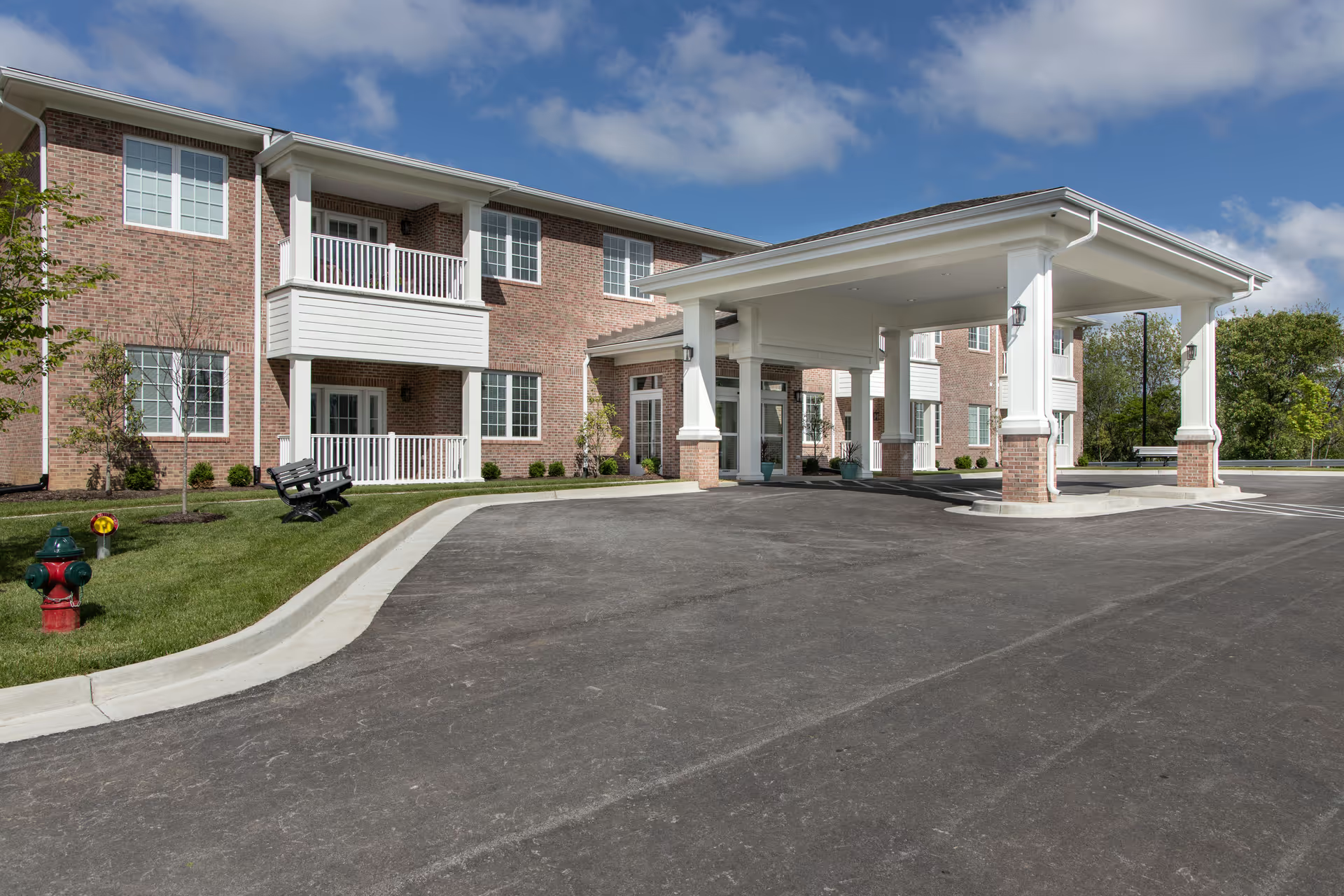
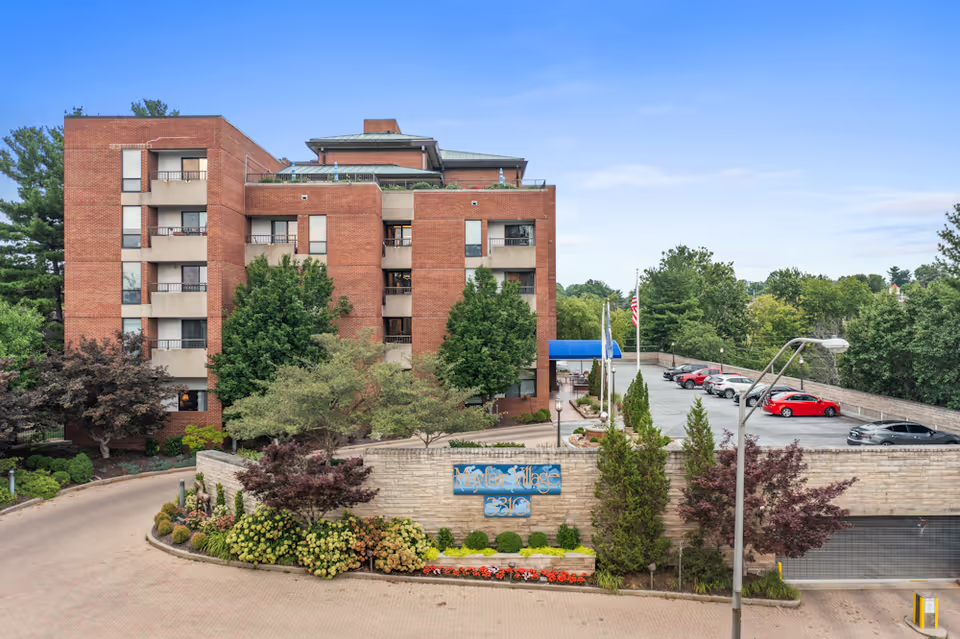
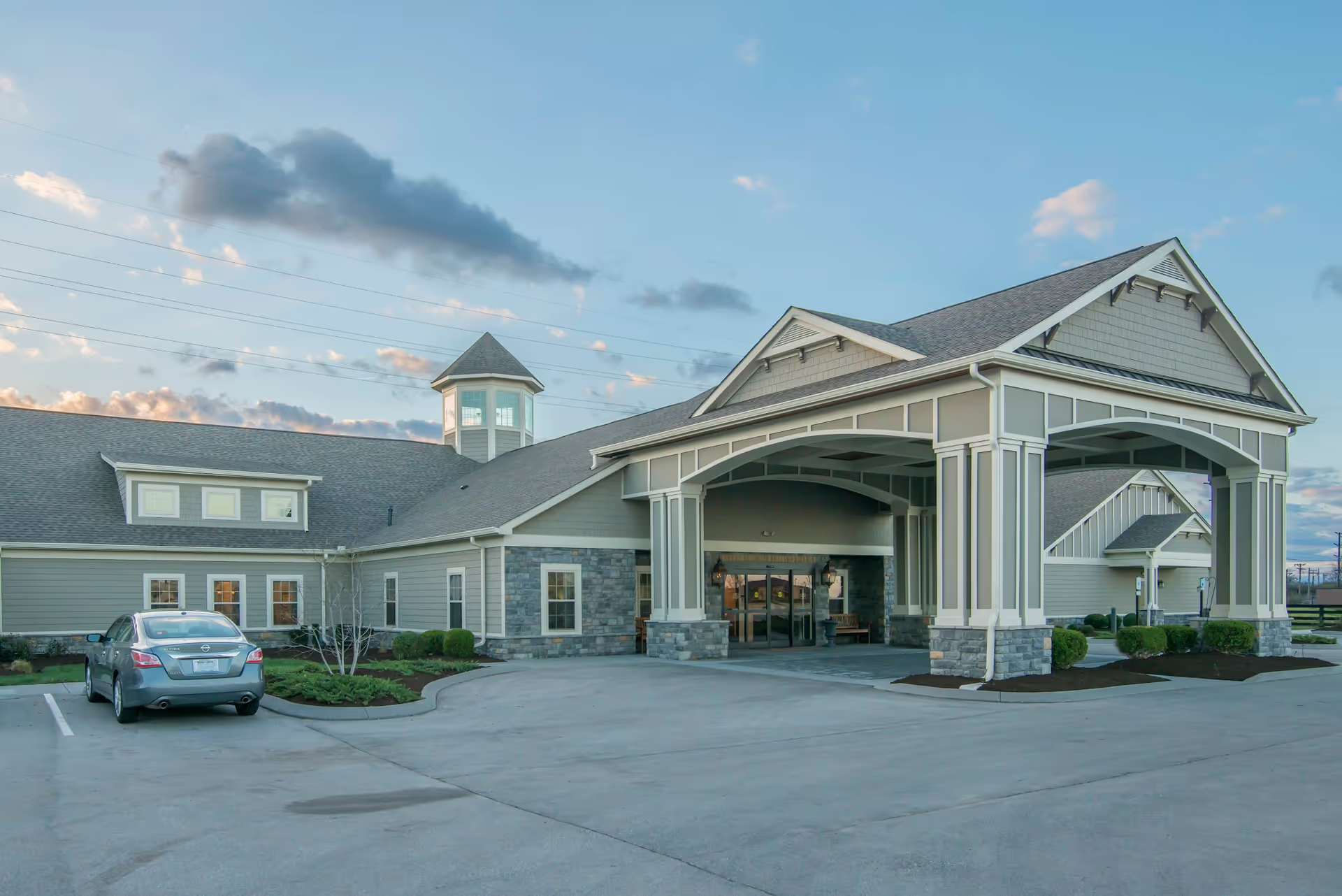
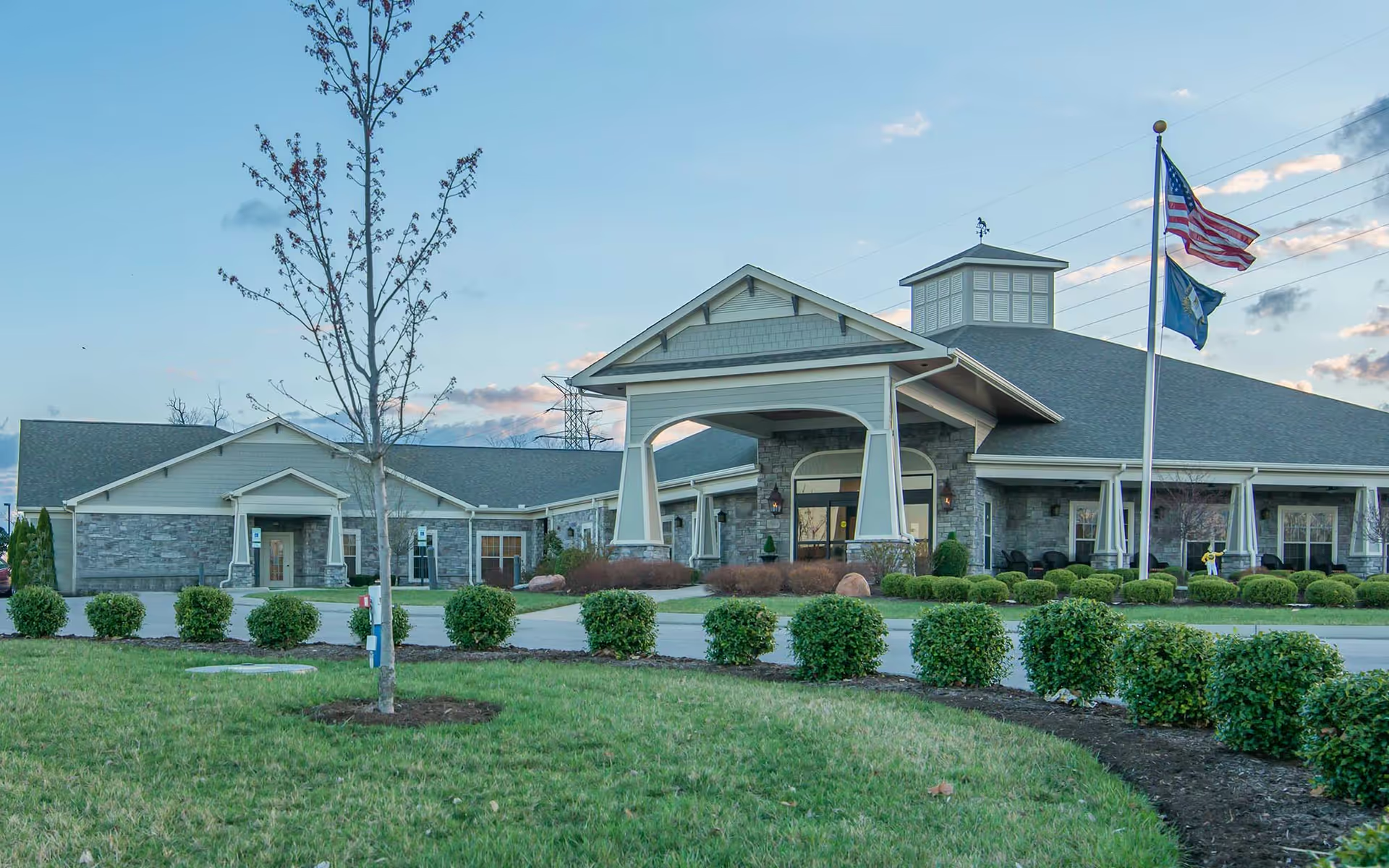
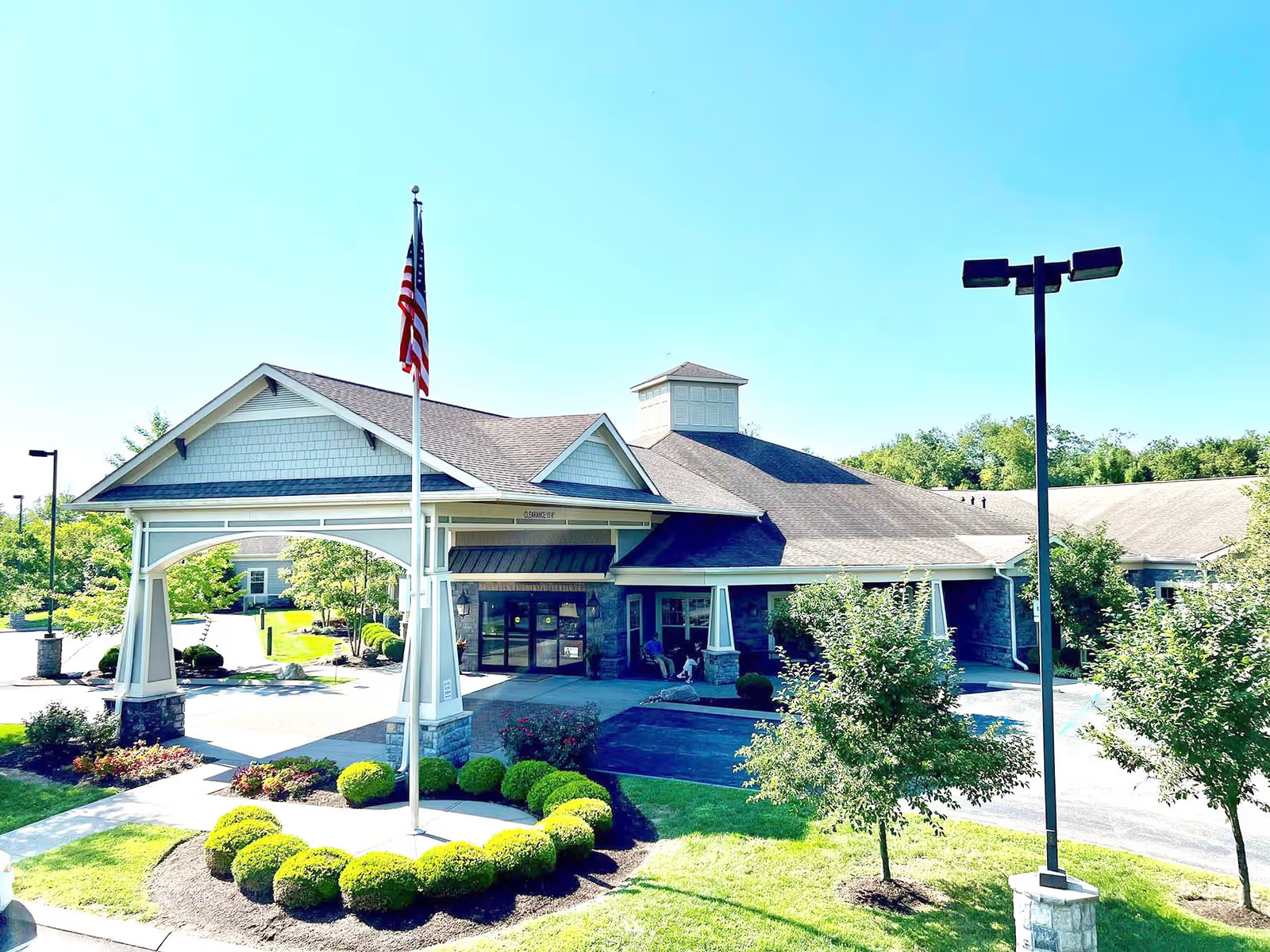
Facilities and amenities: The property is routinely described as attractive, modern, and well furnished, with many desirable amenities—salon, chapel, bistro, fitness room, movie theater, and cottage‑style independent living options. Apartment suites often include kitchenettes or mini‑fridges and accessible bathrooms. Several reviewers emphasize cleanliness and bright, upscale décor; however, other reviewers raise sanitation and housekeeping concerns, including kitchen and in‑unit cleaning shortcomings and pest‑control issues in specific cases. Laundry service and some housekeeping functions are also noted as inconsistent.
Management and operations: A notable pattern is variability at the management level. Positive accounts describe well‑organized tours, effective transition support, and strong administrative communication; negative accounts point to leadership turnover, ownership or executive changes, and degraded follow‑through on contractual or billing matters. Specific operational weaknesses that recur across reviews include medication‑management inaccuracies, delays in personal‑care response, inconsistent housekeeping, communication shortfalls with families, and occasional contract or billing disputes. These are facility‑level traits that may reflect transitional staffing or procedural gaps rather than isolated interpersonal issues.
Overall impression and recommendations: Prospective residents and families will find much to like—an active calendar, attentive direct‑care staff, modern amenities, and a generally pleasant environment. At the same time, the facility shows patterns of uneven operational reliability in areas that directly affect safety and day‑to‑day comfort (staffing consistency, medication processes, housekeeping, and billing/communication). Families considering Highgrove should verify current leadership and staffing ratios, clarify medication and housekeeping protocols, ask about pest‑control and laundry procedures, and review contract/billing terms carefully. A personal visit focusing on the unit intended for move‑in and conversations with memory‑care leadership can help assess whether the facility’s strengths align with the prospective resident’s clinical and social needs.