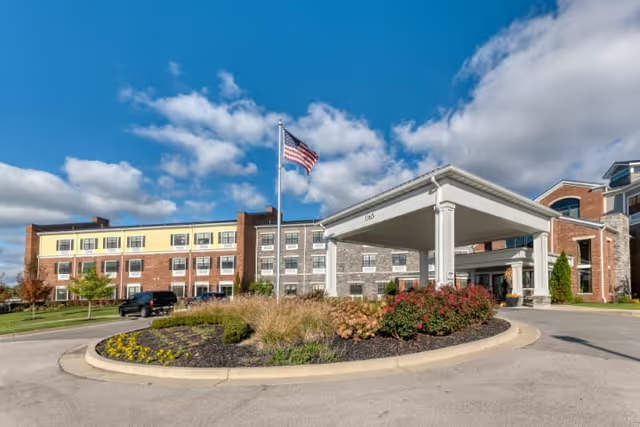
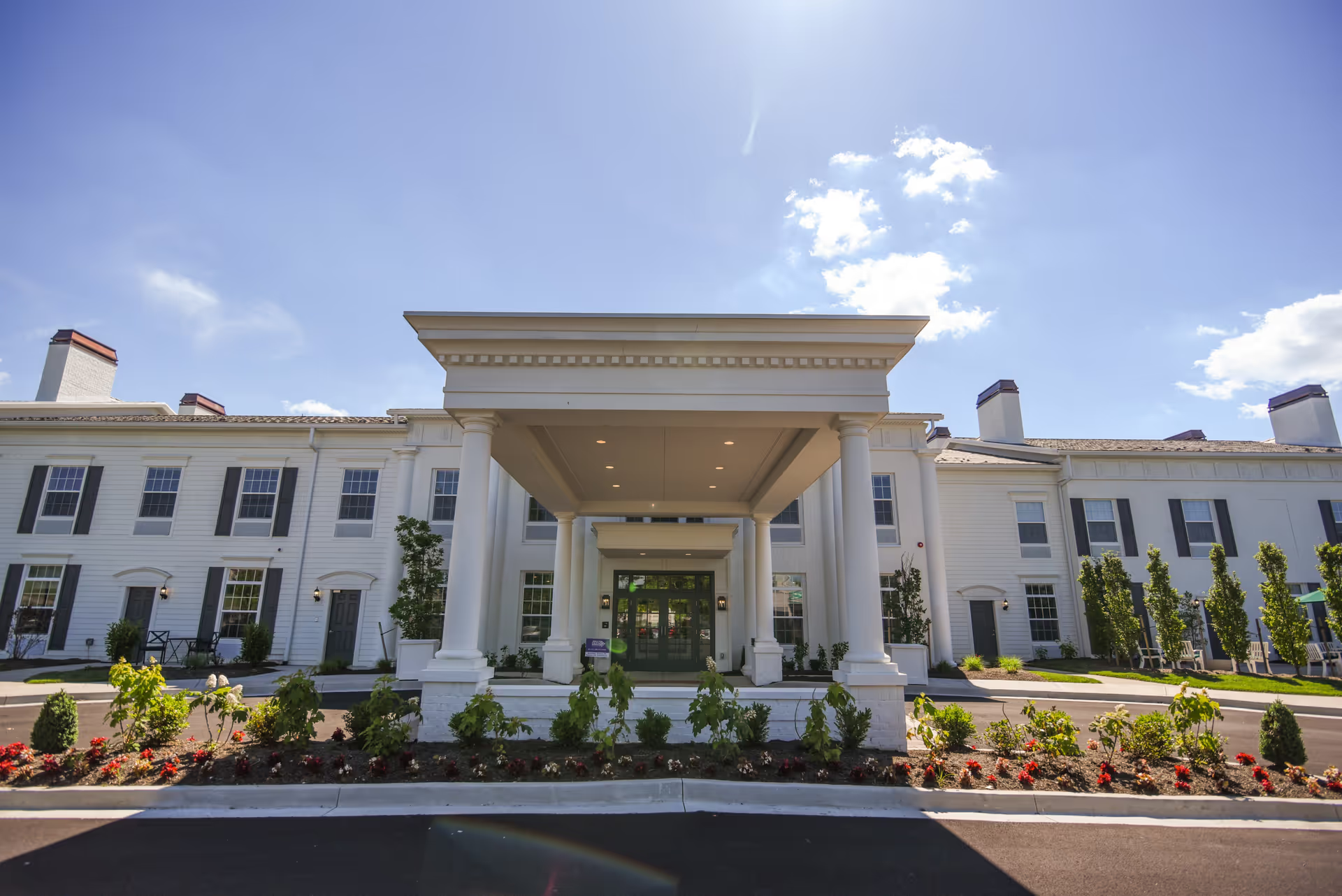
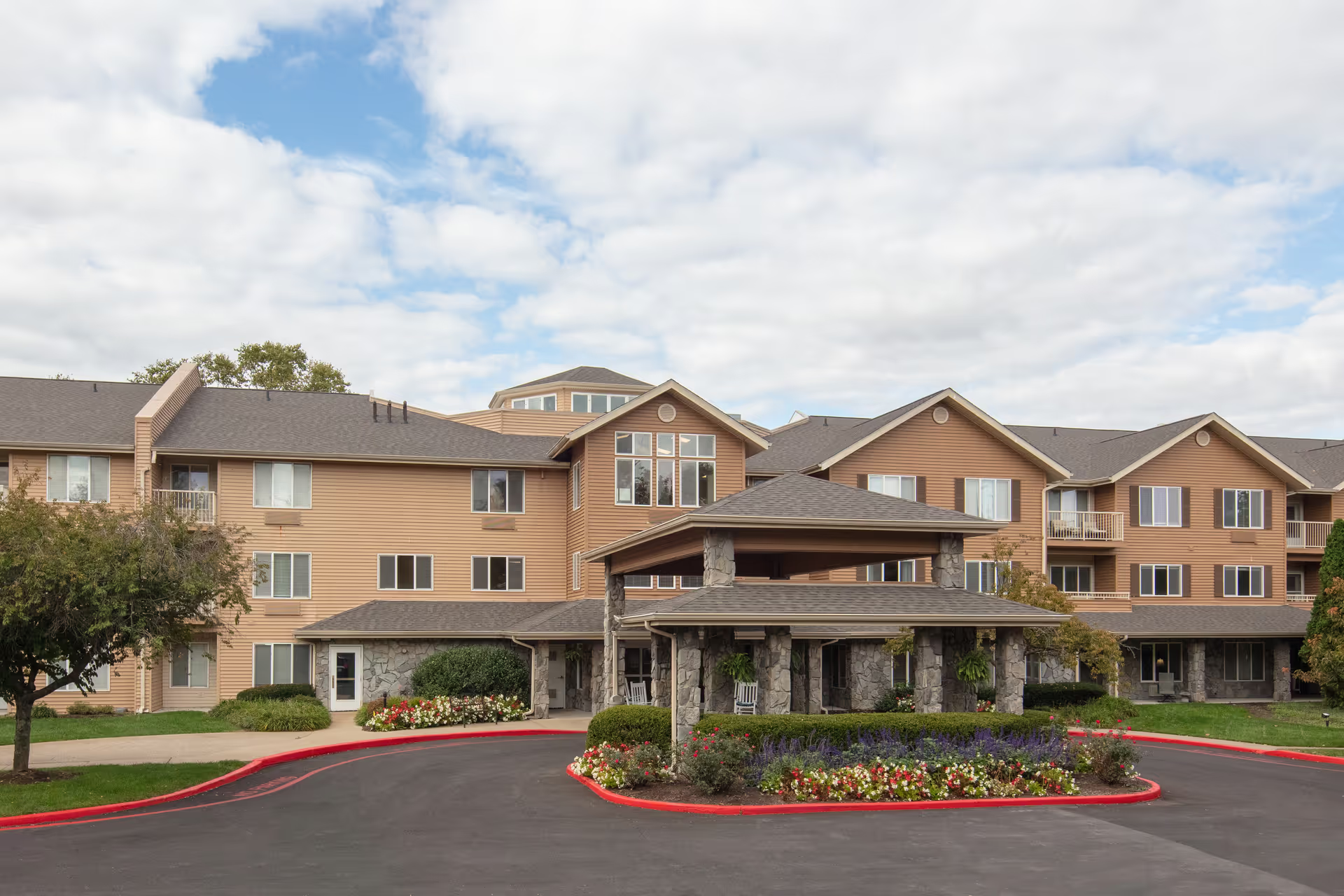
Overall impression The Lantern at Morning Pointe Alzheimer's Center of Excellence in Lexington is frequently described as a clean, well-maintained, and modern memory-care community with programming focused on Alzheimer's and dementia. Reviewers consistently highlight staff warmth, purposeful activity programming (including the Meaningful Day approach), and a physical environment designed for dementia care: bright, open spaces, wide hallways, single-story circulation in parts of the community, and a range of private and semi-private room options. Many families praised the facility for creating a home-like dining atmosphere, offering therapy transportation, and maintaining active engagement opportunities for residents.
Care and staff Care quality is a standout for many families. Caregivers and nursing staff are commonly described as compassionate, knowledgeable about dementia care, and willing to go above and beyond (examples cited include extra transport to therapy, attentive night checks, and proactive follow-up after incidents). The community has licensed nursing coverage and staff trained in memory-focused programming, and reviewers note frequent family communication and visible staff–resident relationships. At the same time, there is variability in staff performance across shifts and functions: reviewers cited inconsistent training or responsiveness in some situations, medication-management gaps, and concerns about staffing ratios. Prospective families should ask about current staffing levels, shift coverage, and medication/clinical communication protocols.
Dining and activities Dining is often described positively: many reviewers praised meal presentation, dessert frequency, a pleasant dining room, and a formal or homey atmosphere that supports social dining. Activities are a clear strength for residents with memory impairment — the community offers structured memory games, music, group exercise, religious programming, outings, and individualized engagement. That said, there are notes of variability in meal quality and cultural-menu alignment for some residents, and practical dining-room challenges (seating and maneuvering for larger residents or those in wheelchairs) that can affect mealtime experience. Observing a mealtime and asking about menu flexibility and accessibility are recommended when evaluating the community.
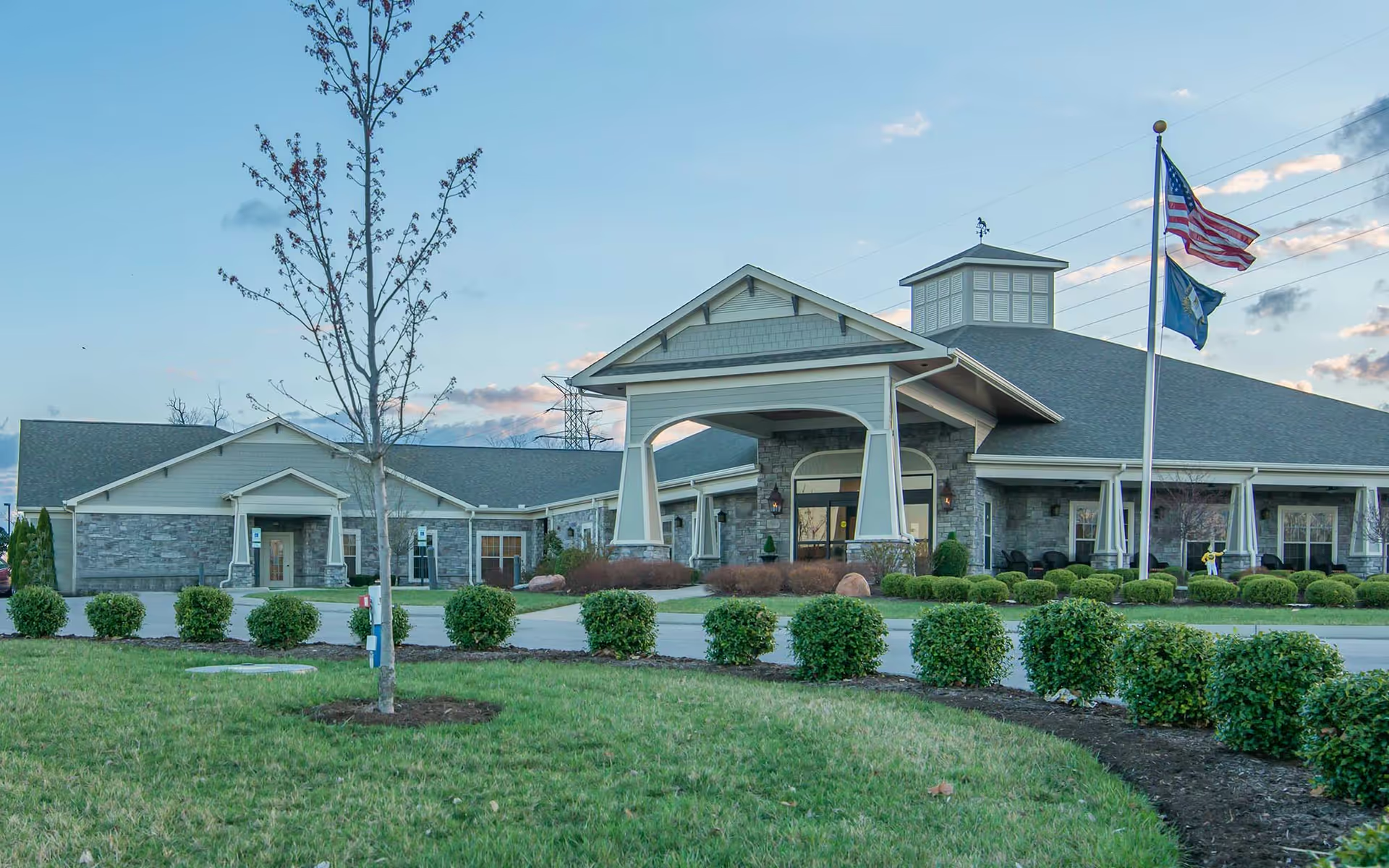
Facilities and safety The building and grounds receive frequent praise for being newer, bright, and thoughtfully designed for dementia care. Rooms are typically described as spacious with large bathrooms and good natural light; community areas and courtyards are also noted positively. However, some reviewers raised sanitation and odor concerns in particular private bathrooms and inconsistent room-cleaning practices. Safety-related items include positive examples of quick staff response to falls but also observations suggesting gaps in fall-prevention and toileting-assistance practices. Families should review fall-prevention protocols, toileting assistance routines, and housekeeping schedules during a visit.
Management and notable patterns Management and leadership draw mixed but mostly positive feedback: many families find administrative staff helpful, communicative, and engaged in transitions and care planning; several reviewers singled out directors and clinical leaders for responsive outreach. A minority of visitors described front-office interactions as overly transactional or less approachable. Financial/placement policies and perceived emphasis on admissions were mentioned by a few families; prospective residents may find it useful to clarify respite, pricing, and payment policies up front. Common themes across reviews are excellent dementia-focused programming and compassionate direct care, tempered by operational variability in staffing, clinical communication, housekeeping, and dining accessibility.
Bottom line For families seeking a dementia-focused community with purposeful programming, active daily engagement, and a modern, well-kept environment, Morning Pointe’s Lantern is frequently recommended. To make an informed decision, visitors should (1) observe multiple shifts including a mealtime and an evening/night period, (2) ask specific questions about current caregiver-to-resident ratios and medication-management procedures, (3) tour private bathroom and room-cleaning practices, and (4) verify dining accessibility and menu flexibility for cultural or dietary needs. These targeted inquiries will help determine whether the facility’s strengths align with an individual resident’s clinical and social needs.