Cedarhurst of Beaumont receives strong praise for its staff, campus condition, and activity programming while showing operational inconsistencies that families should probe during a visit. Many accounts describe a clean, updated building with attractive common areas (dining room, patio, TV room) and a generally welcoming, family-like atmosphere. The community offers a broad range of social and therapeutic activities — from faith-based groups, music and movement classes, and off-site trips to discussion groups and specialty tastings — and provides memory-care programming that several families characterized as personalized and responsive to challenging behaviors.
Care quality is frequently described as attentive and compassionate. Reviewers highlight staff who learn residents’ names, maintain open communication, and prioritize safety and infection control. Skilled nursing and therapy services are available on-site, and maintenance and housekeeping are repeatedly noted as responsive and thorough. At the same time, there are recurring operational concerns: examples include inconsistencies in staff conduct and training, occasional errors in clinical measurements or documentation, and reported delays in assistance with mobility and transfers. These items suggest the need to confirm staff training, supervision, and transfer protocols during a tour.
Dining and entertainment receive mixed feedback. Several families praised good food options, flexibility in menu requests, and attractive dining spaces; others described uneven meal quality, small portions, and lapses in meal-service continuity. Media and entertainment infrastructure was also a pain point for some residents — limited channel availability and dependency on the provider network were specifically noted. Prospective residents should ask about current dining menus, portioning practices, and the community’s television/network arrangements.
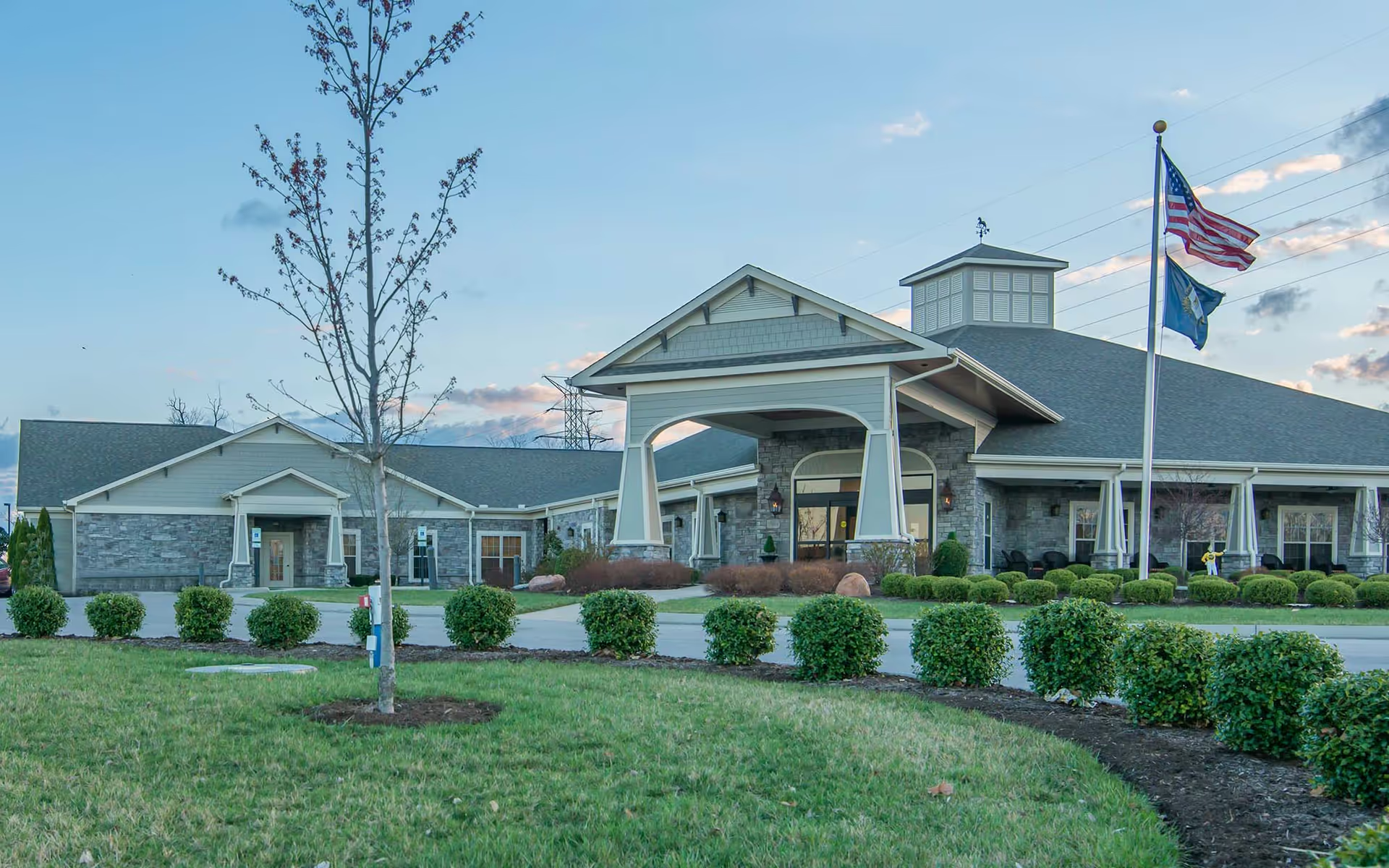
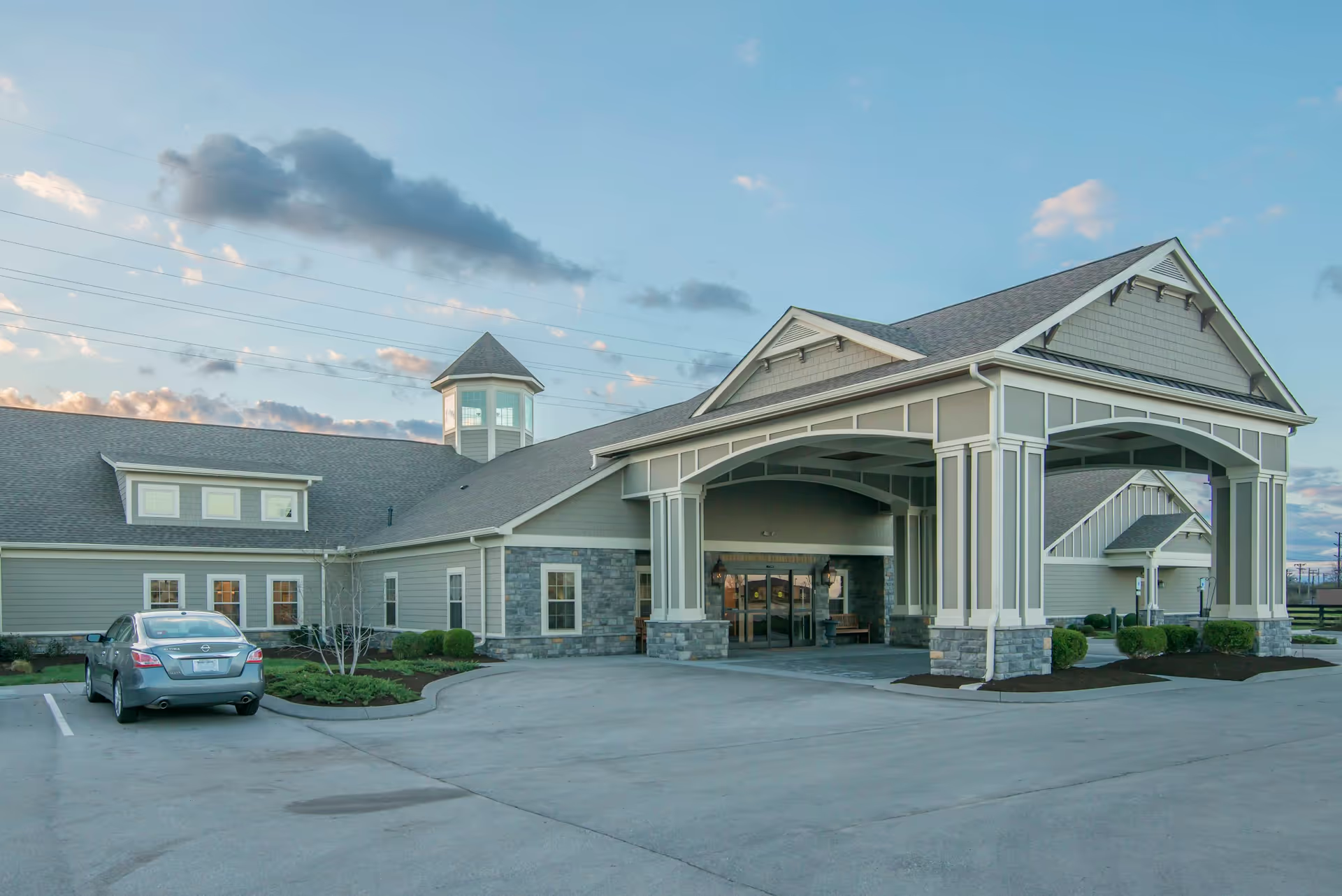
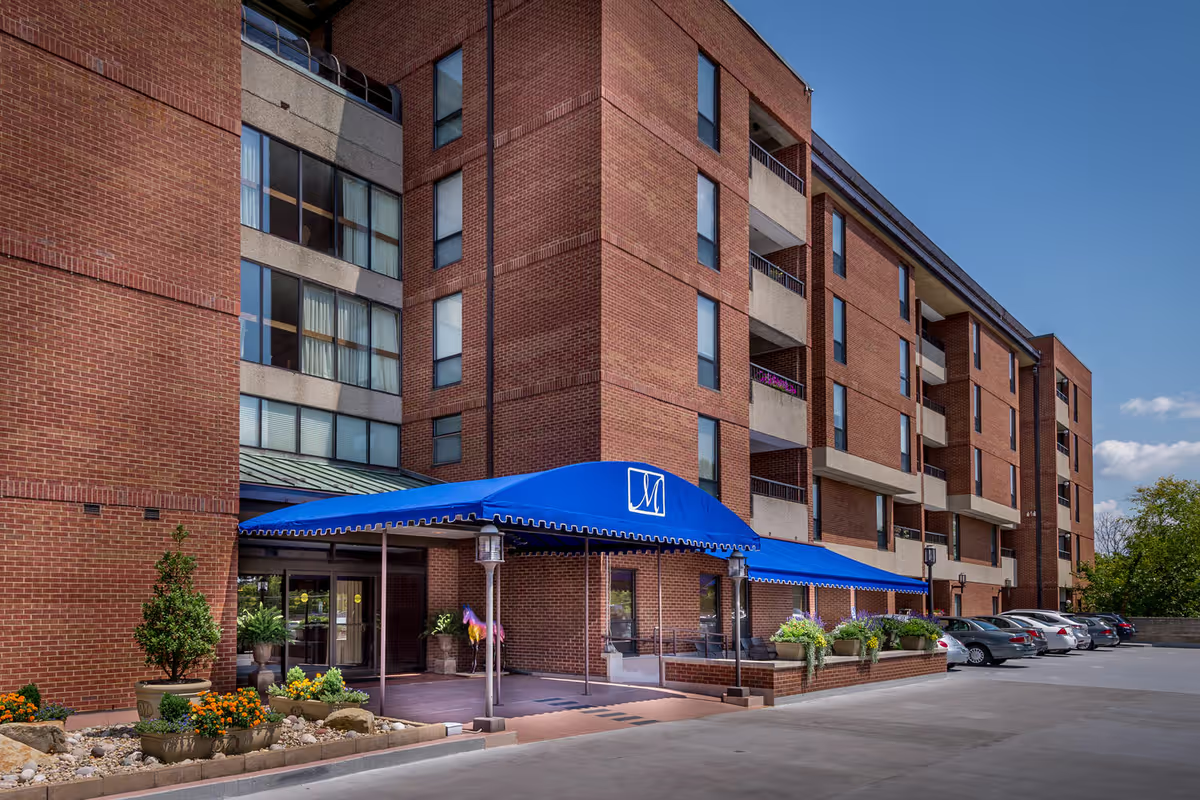
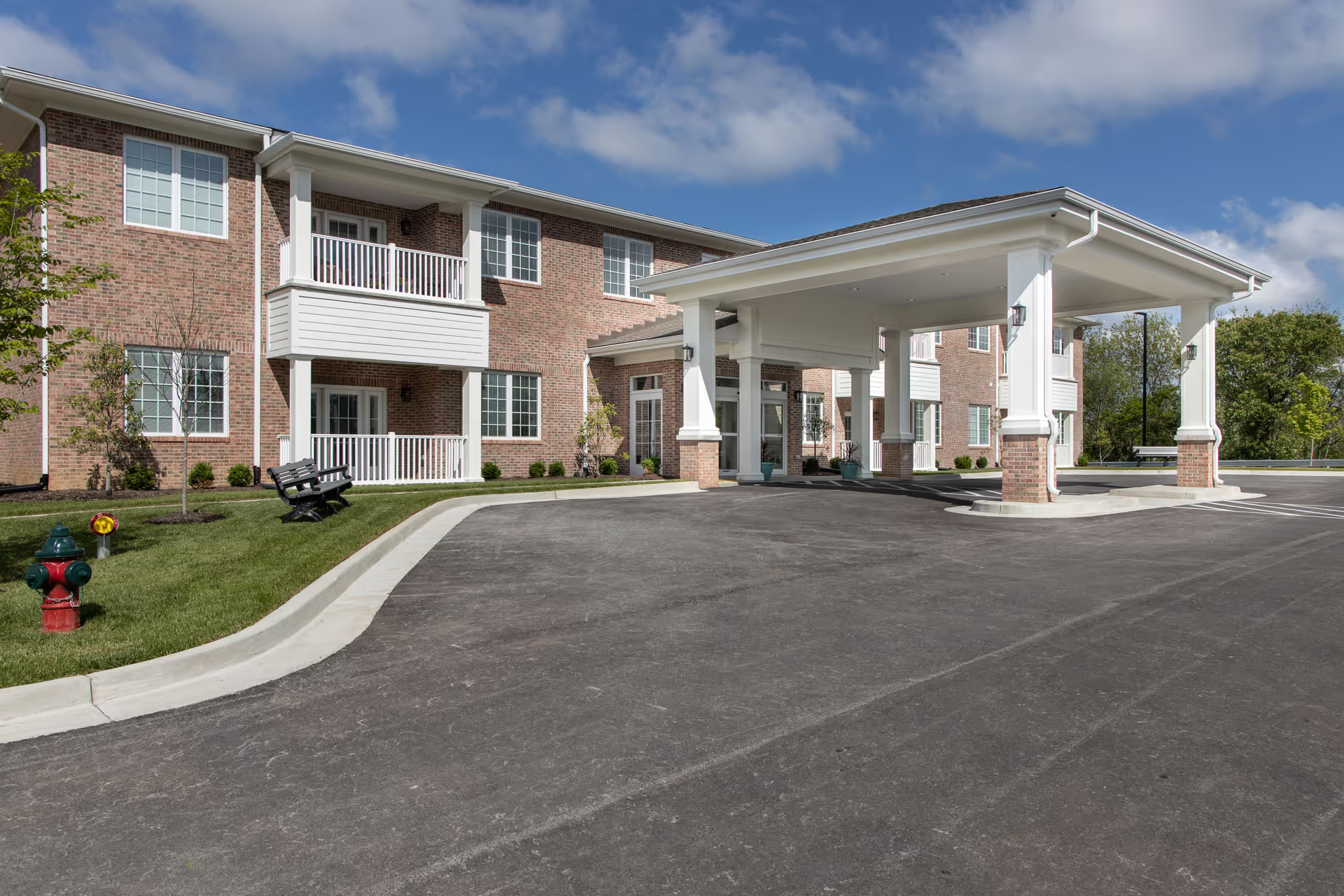
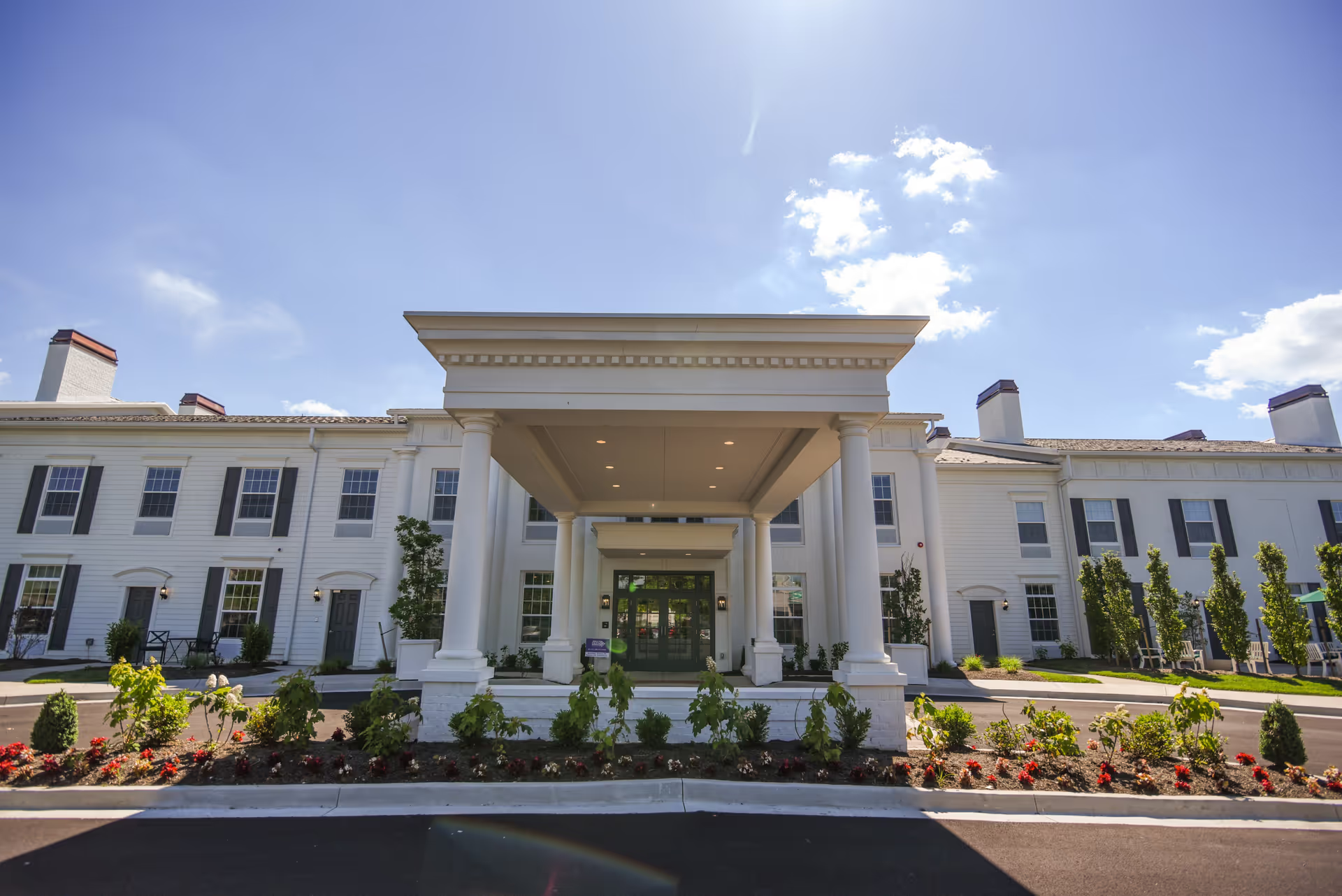
The facility’s physical plant is generally rated highly: newer construction, roomy dining and common areas, outdoor patios, and well-kept grounds. Some reviewers, however, found the layout spread out or better suited to residents who can walk longer distances, and they described a relatively small dedicated wellness/fitness room. Apartment sizes were described variably (some spacious with large closets, others compact), so room location and floor plan matter for individual needs.
Management and communication present both strengths and gaps. Several families singled out the leadership and individual staff members for going above and beyond and keeping lines of communication open. Conversely, others described reception/scheduling coordination problems, inconsistent weekend staffing, and concerns about transparency following specific incidents. These patterns point to variability in day-to-day operations rather than uniformly poor management; families should meet leadership, inquire about staffing ratios and weekend coverage, and request examples of incident reporting and family-notification procedures.
Overall, Cedarhurst of Beaumont appears to offer a strong programmatic and physical environment with especially notable strengths in activities, memory care, and housekeeping. The primary trade-offs are operational: inconsistent staffing and training in some areas, variable dining and media services, and layout considerations for residents with limited mobility. Prospective residents and families will benefit from focused questions on staffing levels, clinical training, transfer procedures, dining consistency, and media connectivity during a tour to determine fit for specific care needs.