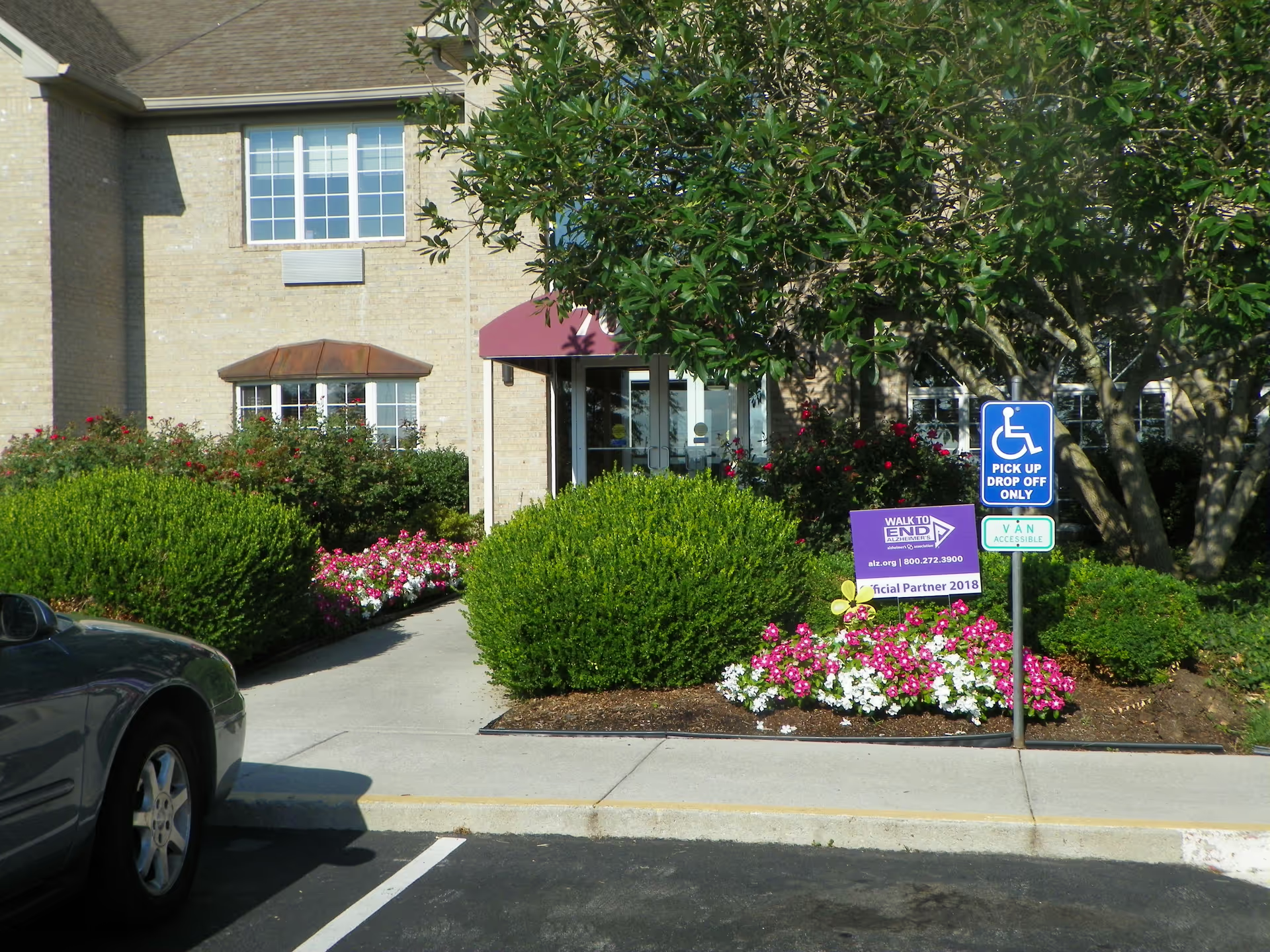
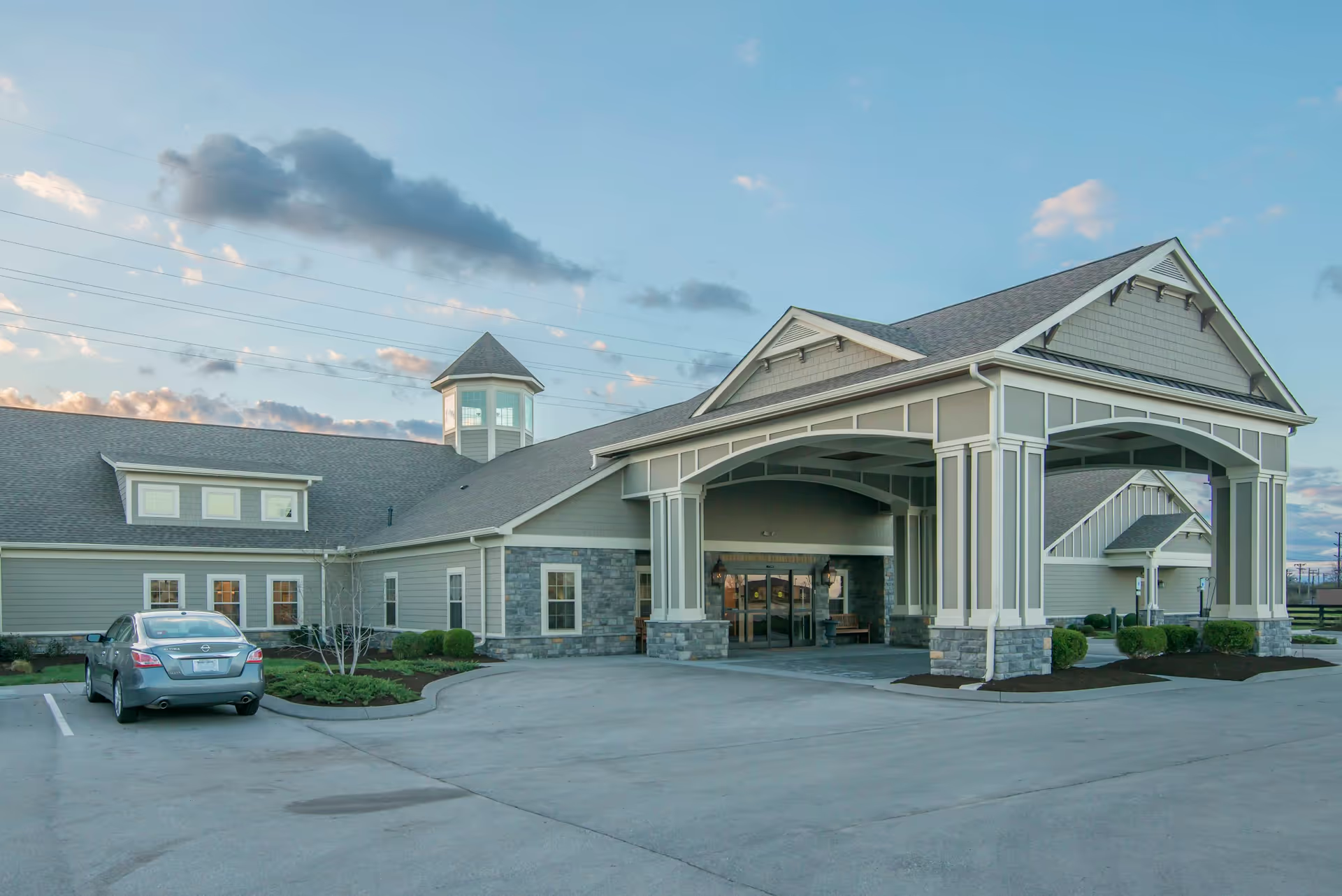
Bluegrass Care & Rehabilitation elicits strongly mixed impressions. Across many accounts the facility's rehabilitation program and therapy staff are repeatedly praised for effective, goal-oriented PT/OT/ST that help residents regain strength and return home. Therapy-led activities, including music-based programs and group events, are highlighted as engaging and supportive of resident morale. Many families describe nursing and ancillary staff as compassionate and attentive, and the facility's small, homelike layout and pleasant dining area contribute to a sense of community for some residents.
At the same time, a consistent pattern of operational weaknesses appears in other accounts. Staffing levels and coverage are frequently described as inconsistent, with particular strain on weekends and during busy shifts; this is linked to delays in responding to call lights and bedside assistance. Several reports describe interruptions or delays in medication administration and coordination with the pharmacy, which caregivers characterize as a clinical risk. There are also recurring notes about lapses in wound and incontinence-care timeliness and about the need for family members or home-health providers to supplement basic care.
Food service and environmental concerns are another notable pattern. While some reviewers report positive meal experiences and a pleasant dining area, others note uneven food quality, missed meals or mealtime lapses, and problems in laundry and personal-property handling. Sanitation and odor concerns, pest-control issues, and visible signs of aging or deferred maintenance are reported often enough to be a facility-level consideration for prospective residents and families.
Clinical capability and safety are areas to evaluate relative to a prospective resident's needs. Several comments indicate the facility may have limited capacity to manage high-acuity respiratory patients (BiPAP/ventilator) and that staff training and equipment for complex respiratory care can be variable. There are also items indicating weaknesses in property-control and medication-control processes, including allegations of missing personal items and medication diversion; these suggest the need for clear policies and oversight.
Management and communication show mixed performance. Some families praise responsive administrators, strong case management, and proactive discharge coordination. Other accounts describe poor follow-up after incidents, inconsistent family communication, and restricted visitation during infection-control events that contributed to family frustration. Prospective residents should weigh the strong rehabilitative capabilities and many individual staff strengths against operational variability in staffing, medication and property controls, cleanliness, and facility condition.
For families considering Bluegrass Care & Rehabilitation, a practical approach is recommended: visit the unit, observe staffing patterns during the times most relevant for the prospective resident, ask about medication and property-control policies, confirm respiratory-care capabilities if applicable, and review recent infection-control and maintenance records. Those whose primary need is intensive rehabilitation may find the therapy program a strong fit; those requiring consistently high hands-on nursing care or complex respiratory support should verify current staffing, protocols, and clinical safeguards before placement.