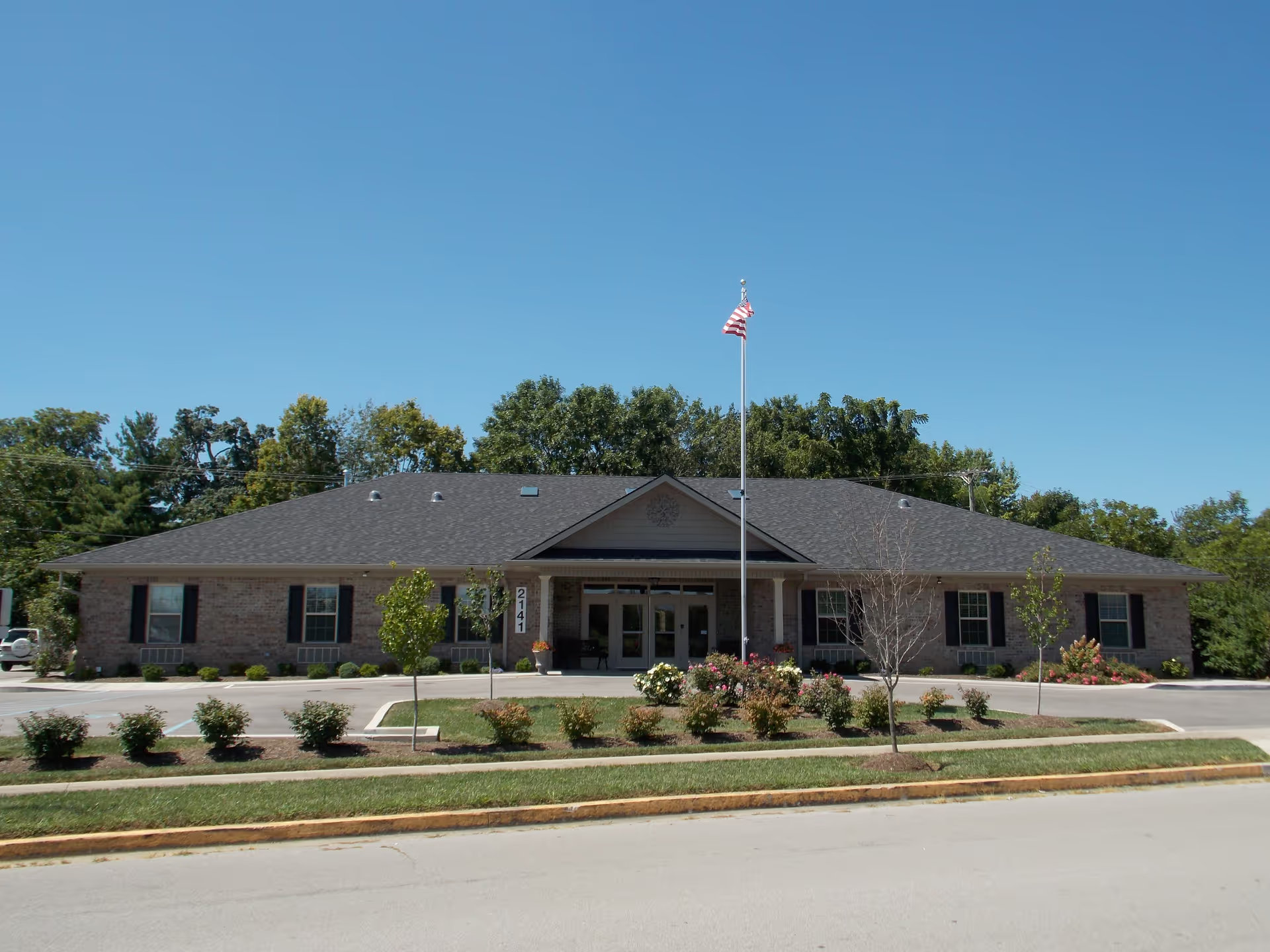
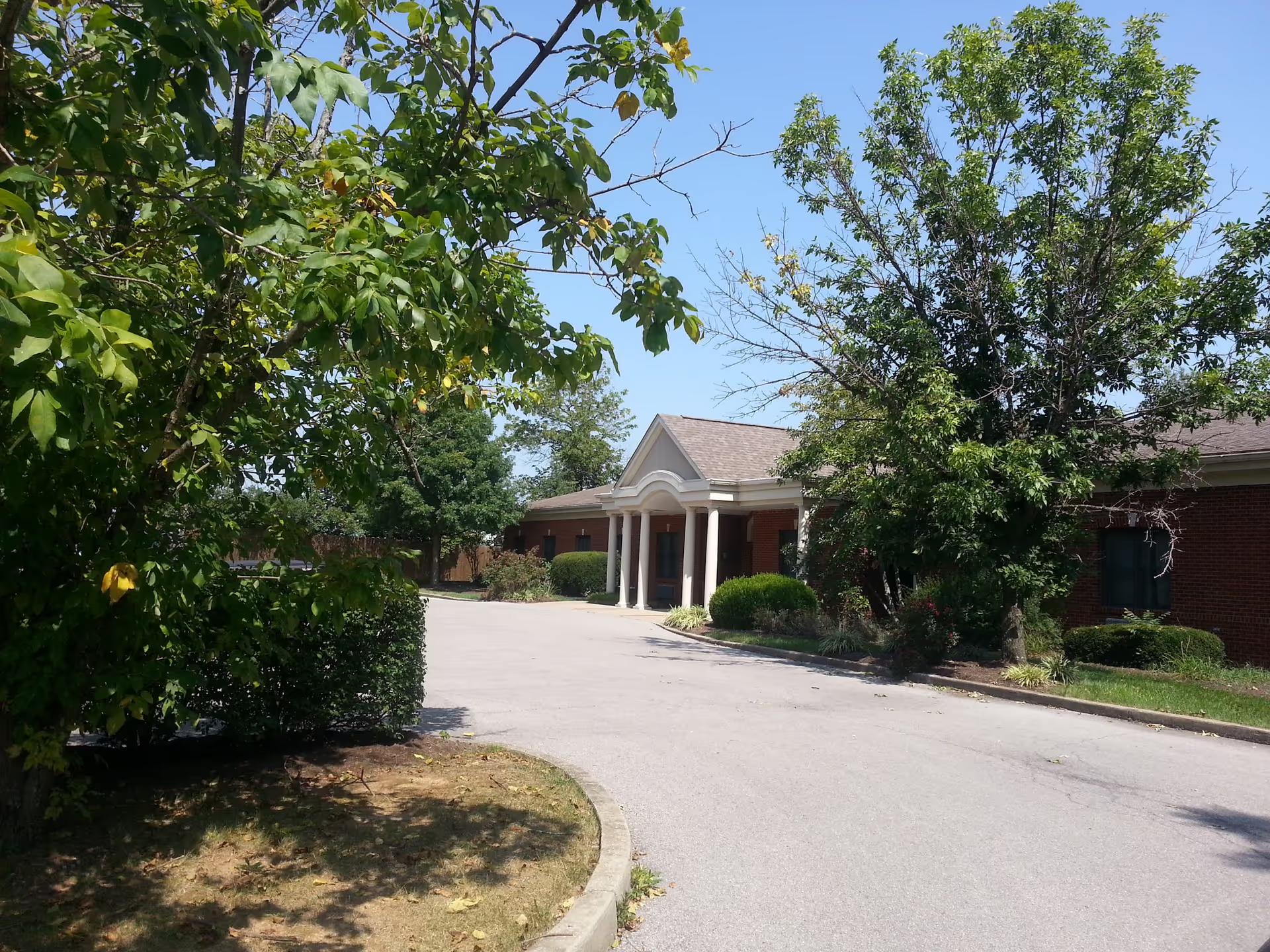
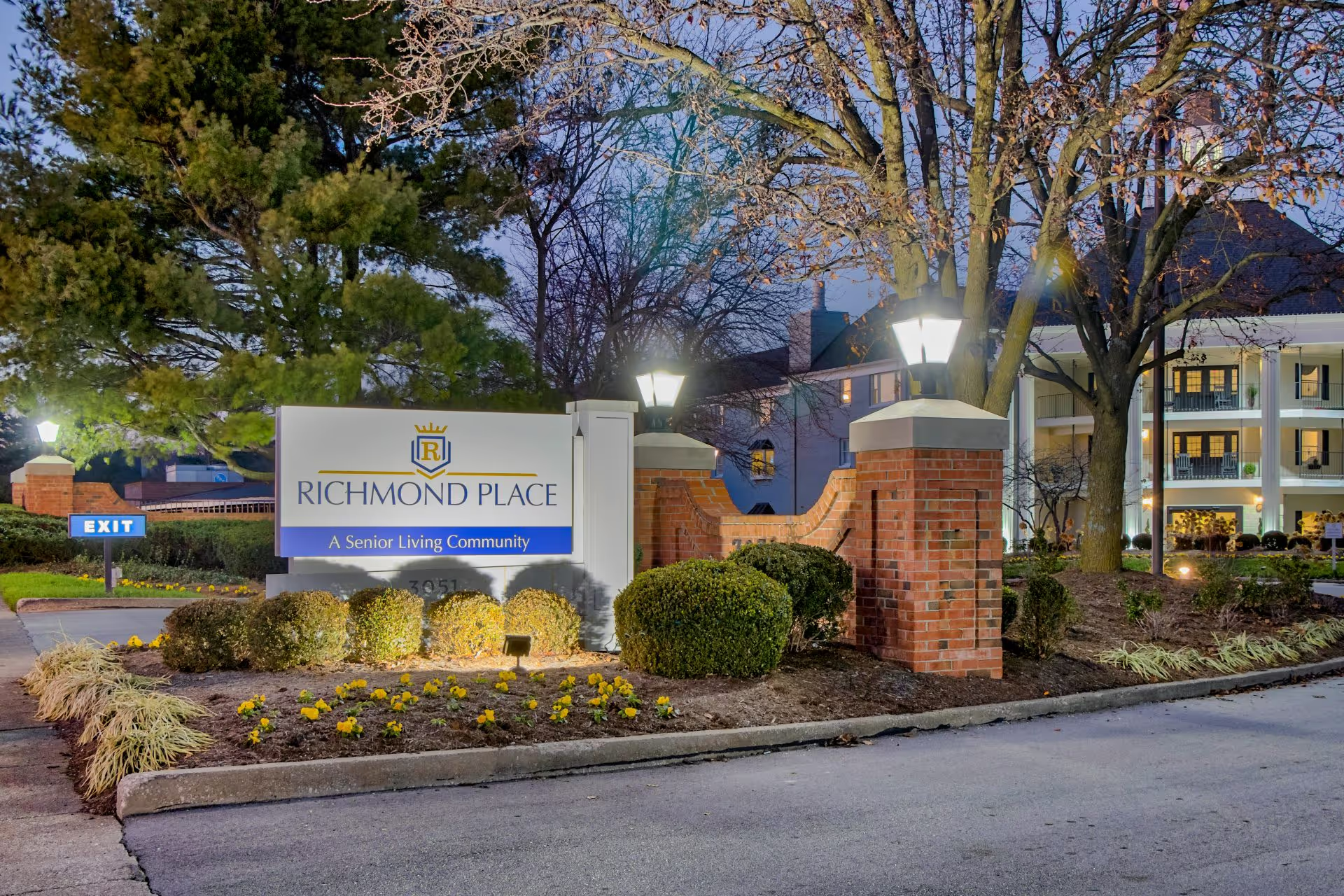
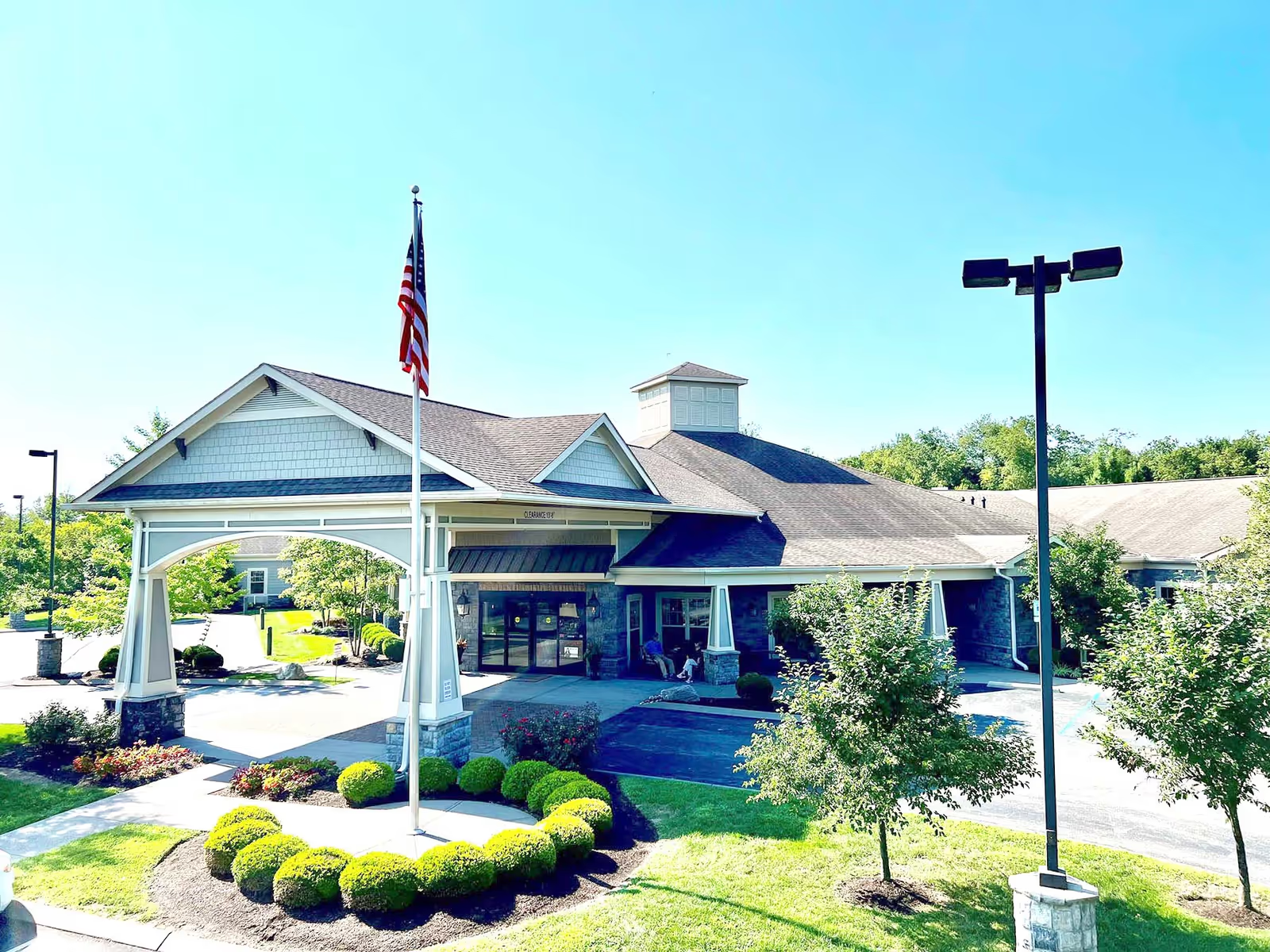
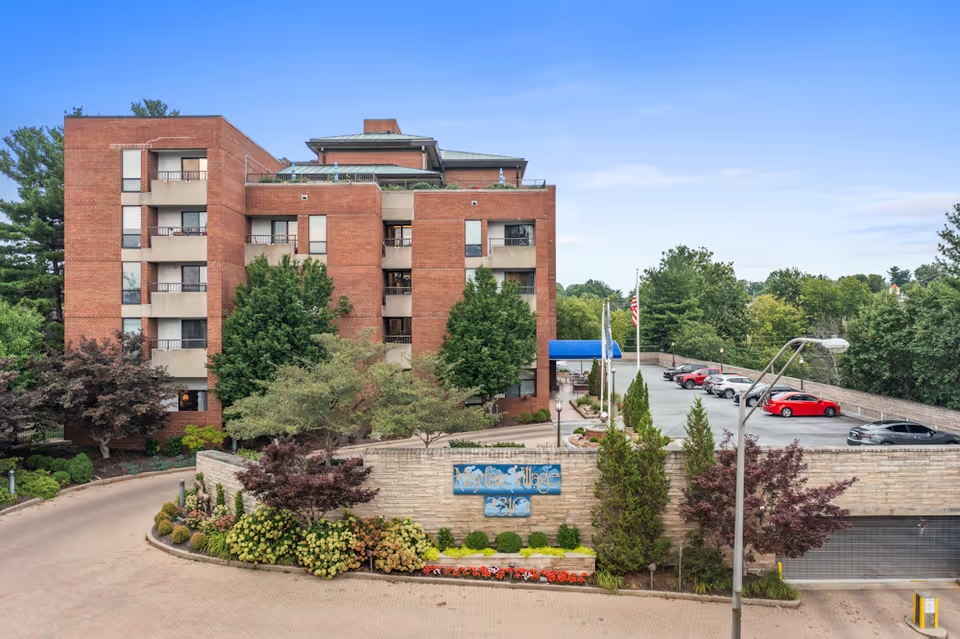
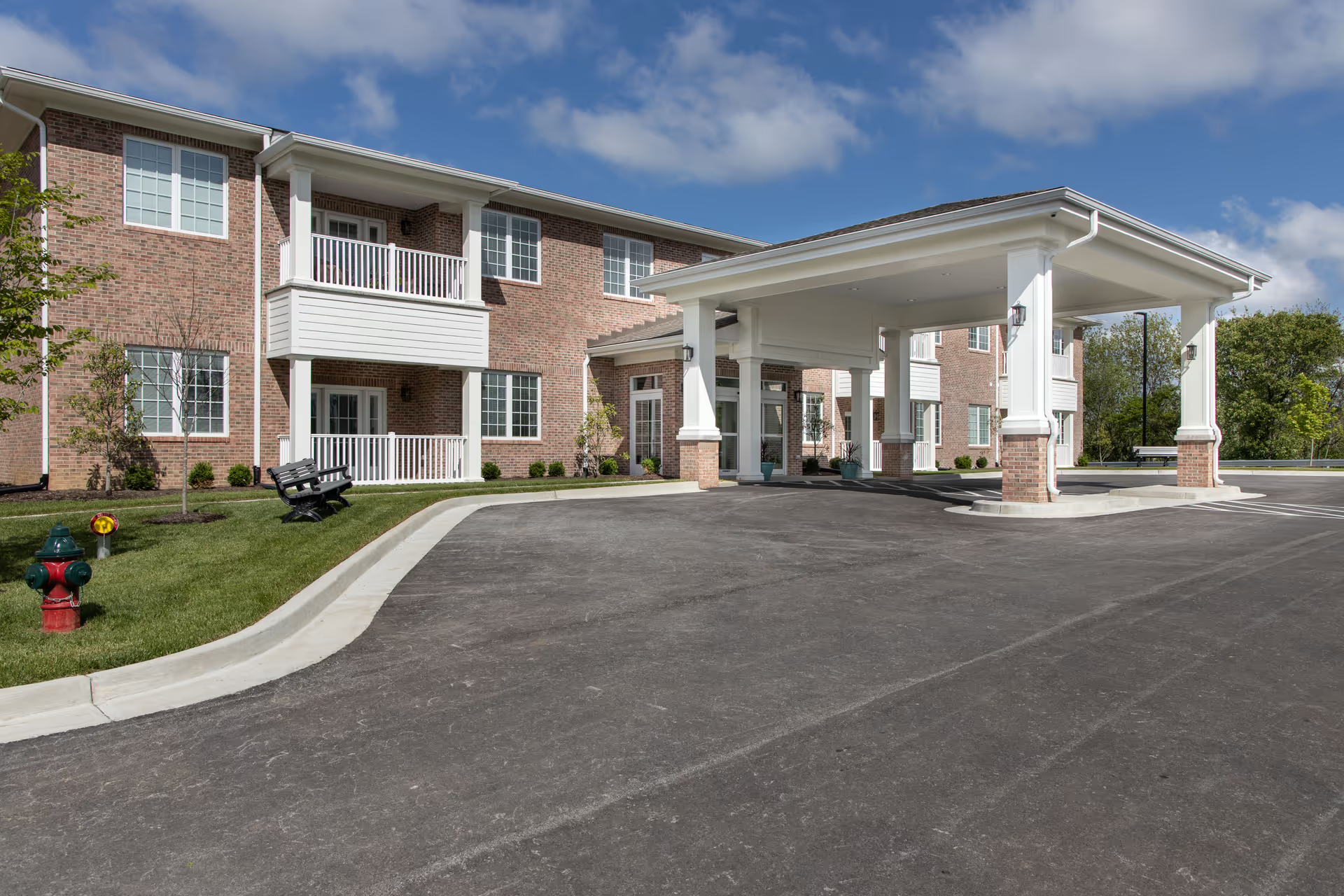
Preston Greens presents as a new, well-appointed senior living community with strong physical amenities and a resort-like atmosphere. Reviewers commonly praise the facility’s clean, contemporary design, spacious apartments (often with kitchenettes and balconies), and abundant shared amenities such as a movie theater, salon, bistro, courtyard and recreational spaces. The location and move-in process receive positive comments, and several families highlighted helpful sales and transition support that eased placement.
Care and staff performance show a mixed but generally positive picture. Many families describe caregiving staff as compassionate and attentive, and the community maintains on-site nursing and medical oversight that some relatives specifically valued. At the same time, reviewers raise operational concerns: leadership and middle-management turnover, inconsistent staffing levels (with reported weekend gaps), and variable continuity of clinical follow-up. There are specific notes about medication-management and responsiveness after clinical incidents; prospective families should ask about clinical protocols, handoffs, and incident-communication processes during a tour. Named employees were repeatedly singled out for exemplary work, indicating pockets of strong, consistent caregiving within the broader staffing challenges.
Dining and activities are strengths for many residents but are not uniformly experienced. The community offers multiple dining venues and special-event meals, and some reviewers applauded food quality and variety. Others noted variability in meal preparation and slow service at times; a new chef was reported as working to improve offerings. Social programming appears comprehensive — daily activities, group outings, and on-site entertainment are available — but there are mixed accounts about the memory-care program’s level of outing frequency and social engagement. Families with residents who have higher activity needs or vision impairments should review the activity calendar and ask how programming is individualized.
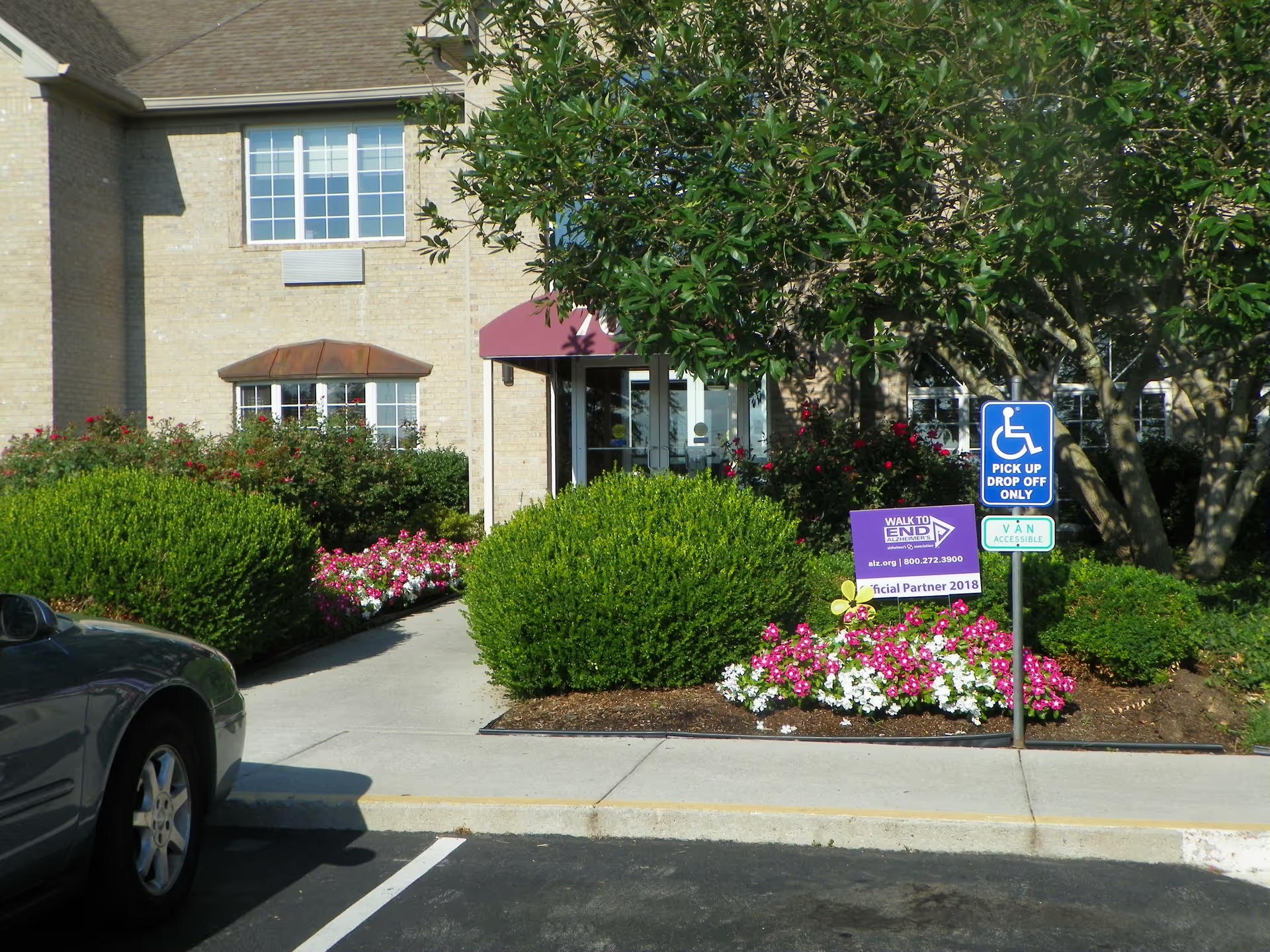
Facility logistics and operations show clear positives and some practical shortcomings. Maintenance and housekeeping are generally adequate, and the property is described as clean and well maintained; however, housekeeping and laundry reliability were sometimes inconsistent. Visitor parking and accessibility emerged as recurrent operational issues: limited visitor spaces and few handicap-designated spots can create inconvenience for families and visitors. Several reviewers also called attention to a lack of on-premise landline or stable phone/internet service for residents, which can affect communication for people with limited cellphone access. Transportation options have been described as improved after adjustments, but families should confirm current vehicle availability and schedules.
Management patterns are an important consideration. Numerous comments reflect frustration with leadership turnover, inconsistent communication from corporate or regional offices, and contract or billing rigidity — including a 30-day notice policy that some families found restrictive. Given those patterns, prospective residents and families are advised to obtain clear, written answers on staffing ratios, leadership stability, medication and incident protocols, parking accommodations, technology/phone provisions, and contract terms before committing. Overall, Preston Greens combines a strong physical environment and many caring staff with operational areas that would benefit from greater consistency in staffing, clinical follow-up, communication, and logistics. Those trade-offs should be weighed against the facility’s amenities and individualized staff strengths when deciding whether it meets a particular resident’s needs.