Overall impression The Breckinridge Memory Care is consistently described as a small, secure memory-care community with a strong focus on compassionate, family-style caregiving. Reviewers emphasize long-tenured staff, a warm atmosphere, and dementia-focused training among caregivers. Many families point to effective clinical oversight — including an on-site physician, in-house lab work, and timely medication management — as a strength that supports resident stability and continuity of care.
Care and staff Care is frequently characterized as attentive and relationship-driven. Multiple comments highlight low staff turnover, staff who dine and socialize alongside residents, and caregivers described as passionate or loving toward residents. Clinical practices such as proactive medication administration and fall-notification communication are noted positively. However, there are intermittent concerns about the tone of staff–family interactions and enforcement-style communication; these comments indicate the need for clearer family-staff communication norms and de-escalation training in some situations.
Dining and activities Dining is often described as homestyle and wholesome, with family participation encouraged for meals. Activity programming appears varied and resident-focused, including movies, games, trivia, seasonal events and music programs; outdoor enjoyment of gardens and bird viewing through large windows is a recurring highlight. At the same time, several reviewers perceive a decline or inconsistency in meal quality over time, indicating variability in culinary or service delivery that management may need to monitor.
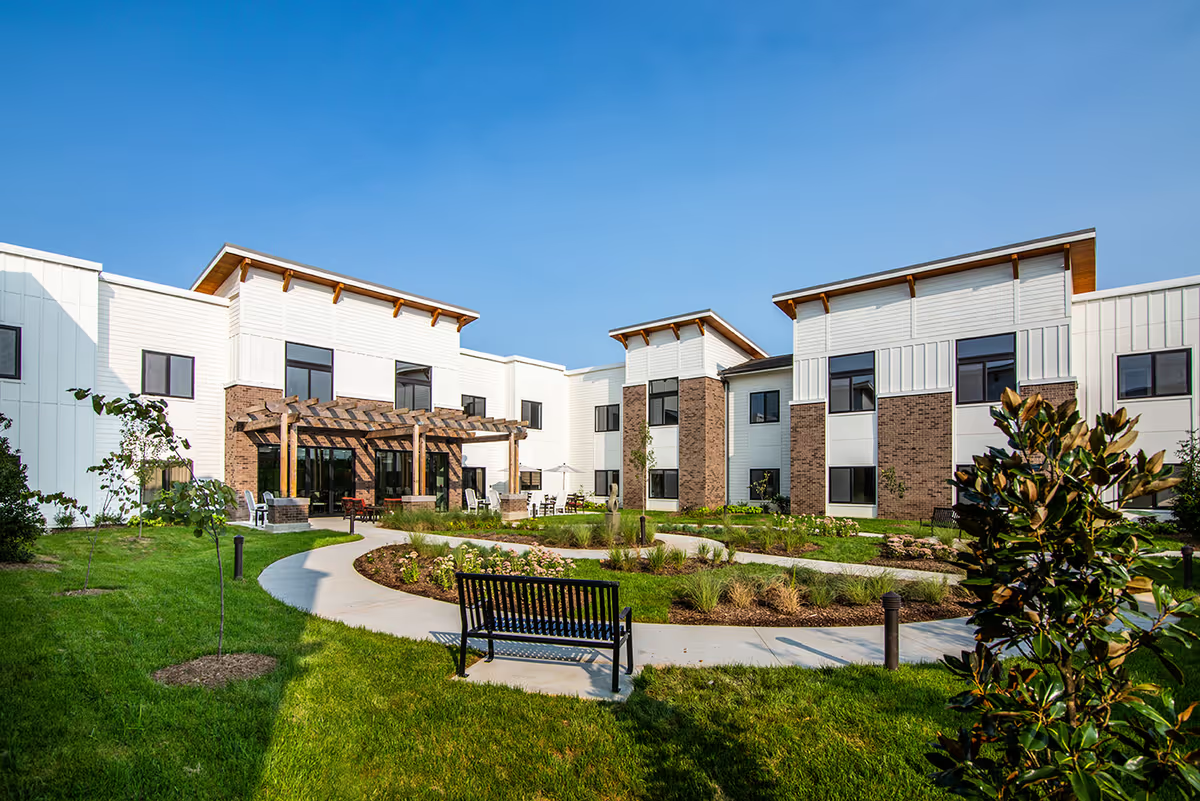
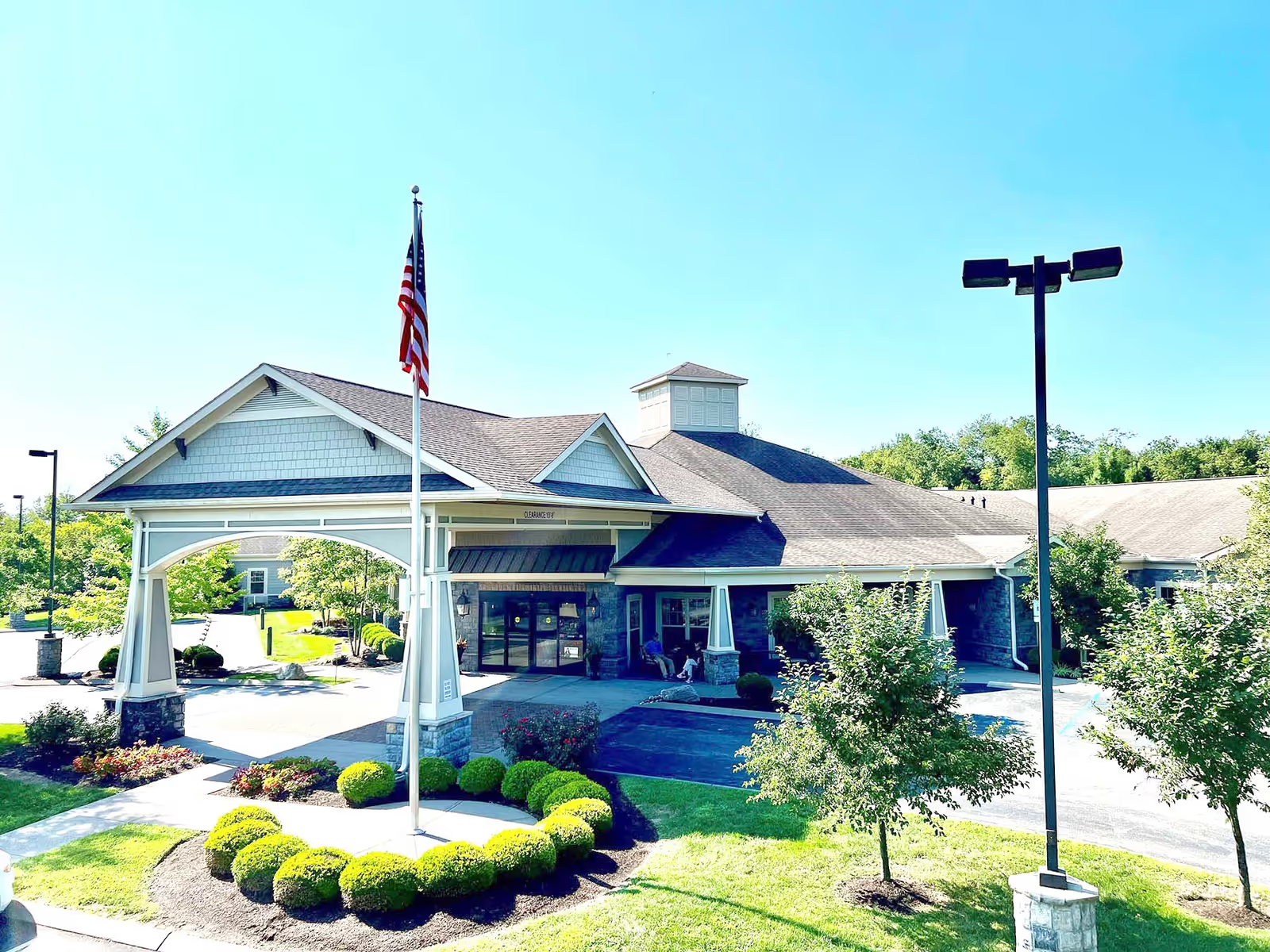
Facilities and environment The physical environment receives strong marks: private rooms, a quiet small-community layout, secured walking paths with rubberized surfaces, attractive gardens, patios and trellises, and ample natural light. These features support safe ambulation and outdoor engagement. Infection-control measures during outbreak periods were noted as effective by some families. Conversely, there are sanitation concerns raised about bathrooms and some common areas, suggesting inconsistent housekeeping standards in parts of the facility.
Management, policies and notable patterns Families report generally good clinical communication (e.g., medication timeliness, lab oversight, fall alerts), but there are notable patterns around visitation and activity restrictions. Several reviews describe rigid visitation policies (including weekend limits) and restrictions on off-site outings that some families found overly inflexible. There are also isolated, serious-sounding accounts of confrontational family interactions and strict enforcement of rules; while these appear not to be the norm, they suggest opportunities for clearer written policies and more consistent, family-centered application. Cost is mentioned as a consideration by at least one family, indicating the facility is viewed as a premium option in the local market.
Bottom line For families seeking a small, secure memory-care setting with experienced, dementia-trained staff, on-site medical oversight, and attractive outdoor spaces, The Breckinridge presents many strengths. Prospective residents and families should plan an in-person visit focused on current dining samples, housekeeping walk-throughs, and a clear review of the facility's visitation and outing policies. Asking for recent examples of staff-family communication practices and for housekeeping quality metrics may help assess whether the noted inconsistencies are being addressed.