Overall impression: Laurel Heights Home–Elderly receives consistent praise for day-to-day caregiving and facility upkeep while showing operational weaknesses in visitor policies and higher-acuity clinical coverage. Families describe a generally clean, bright environment with staff who demonstrate hands-on attentiveness; however, a set of recurring administrative and clinical limitations create friction for some families and residents.
Care quality and clinical services: Clinical care appears reliable for routine and palliative needs. Reviewers emphasize timely medication administration, frequent checks, a thorough bedside checklist, regular turning and pressure-area care, and hospice support. The attending physician and bedside caregivers are cited as compassionate and conscientious. At the same time, the facility has limited capacity for advanced respiratory management; reviewers indicate the respiratory therapist works limited hours and the building is not equipped to manage advanced COPD or other high-acuity pulmonary conditions, which may necessitate alternative arrangements for those residents.
Staff and interpersonal dynamics: Staffing is a clear strength in direct-care roles. Nursing and support staff are repeatedly described as friendly, gentle, and family-oriented; specific staff members received individual praise. Call lights and routine assistance are characterized as responsive. Conversely, some families experienced poor interactions with admissions and discharge personnel and described gaps in communication and coordination during transitions; this suggests variability in staff conduct and training across administrative teams.
Dining and activities: Meals are presented as accommodating, with staff making efforts to adapt menus to individual needs. Community-building activities and gestures such as gift-giving and veteran recognition are noted positively, contributing to a family-friendly atmosphere and resident engagement.
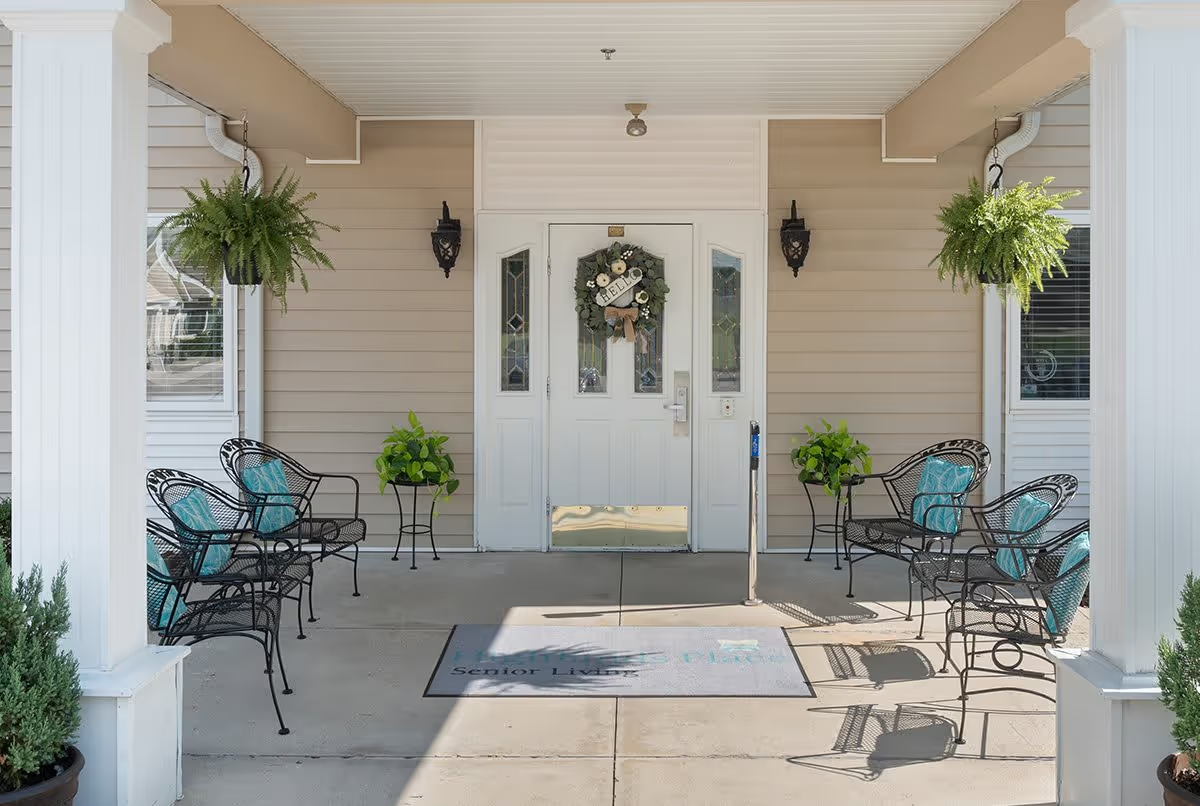
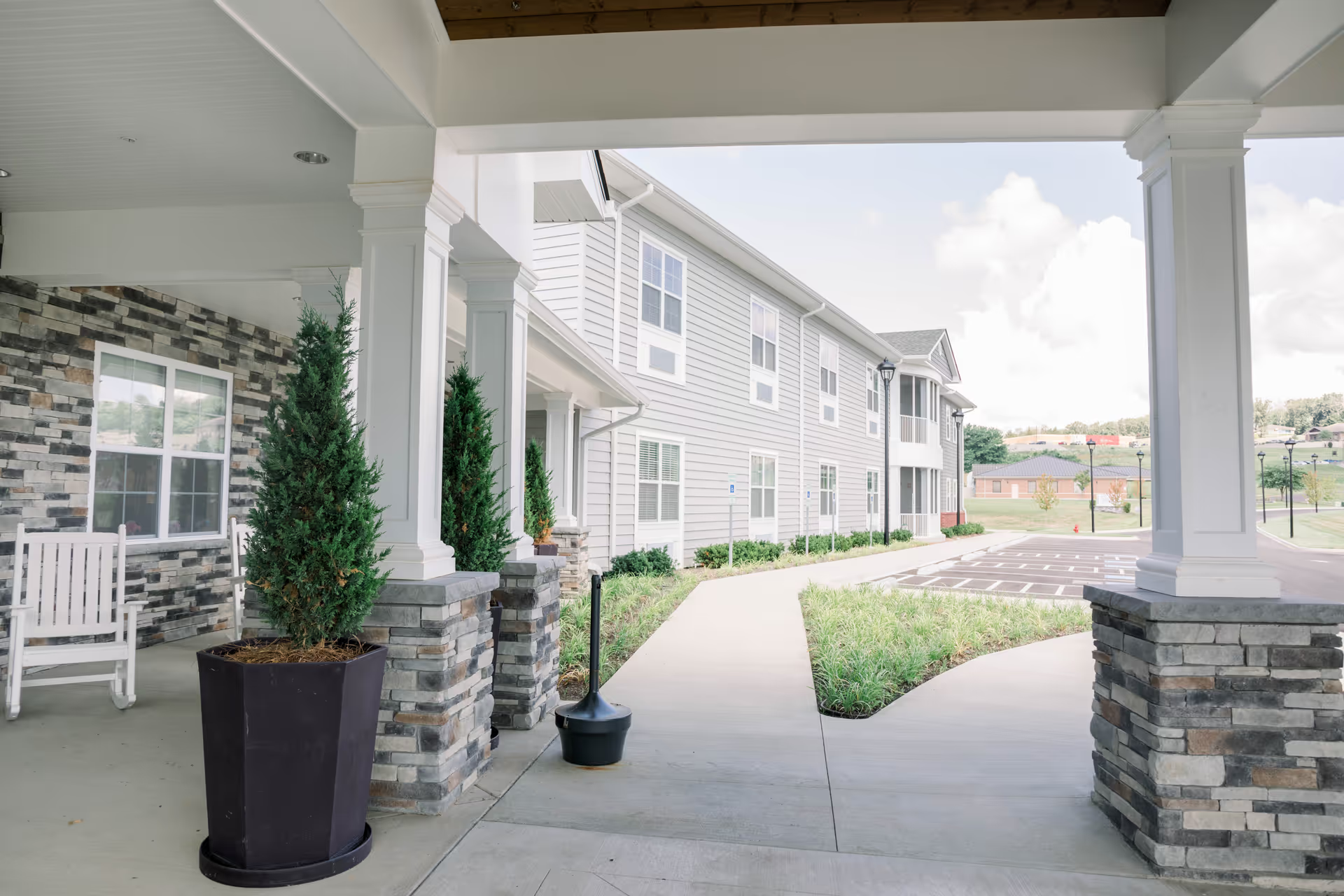
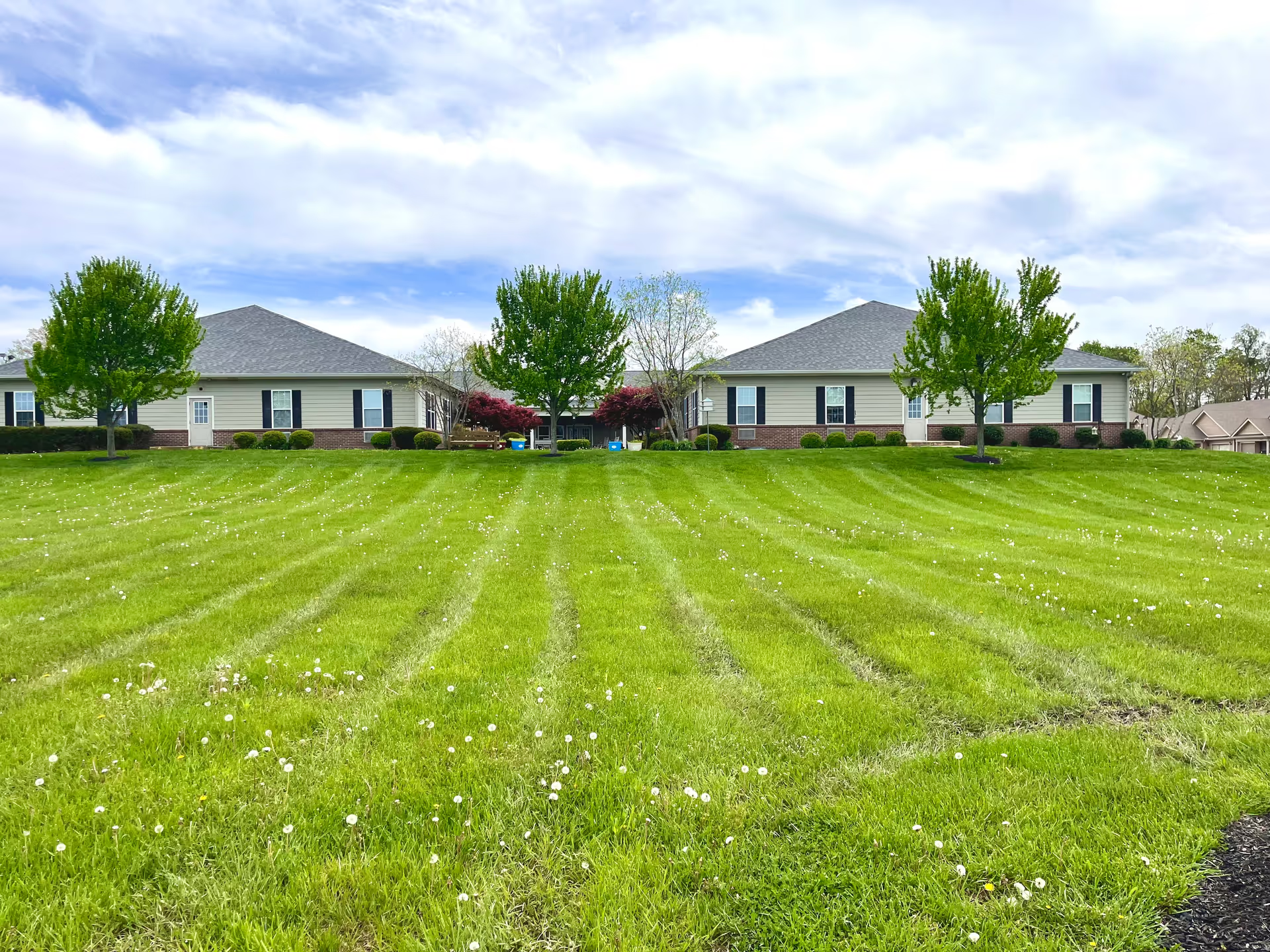
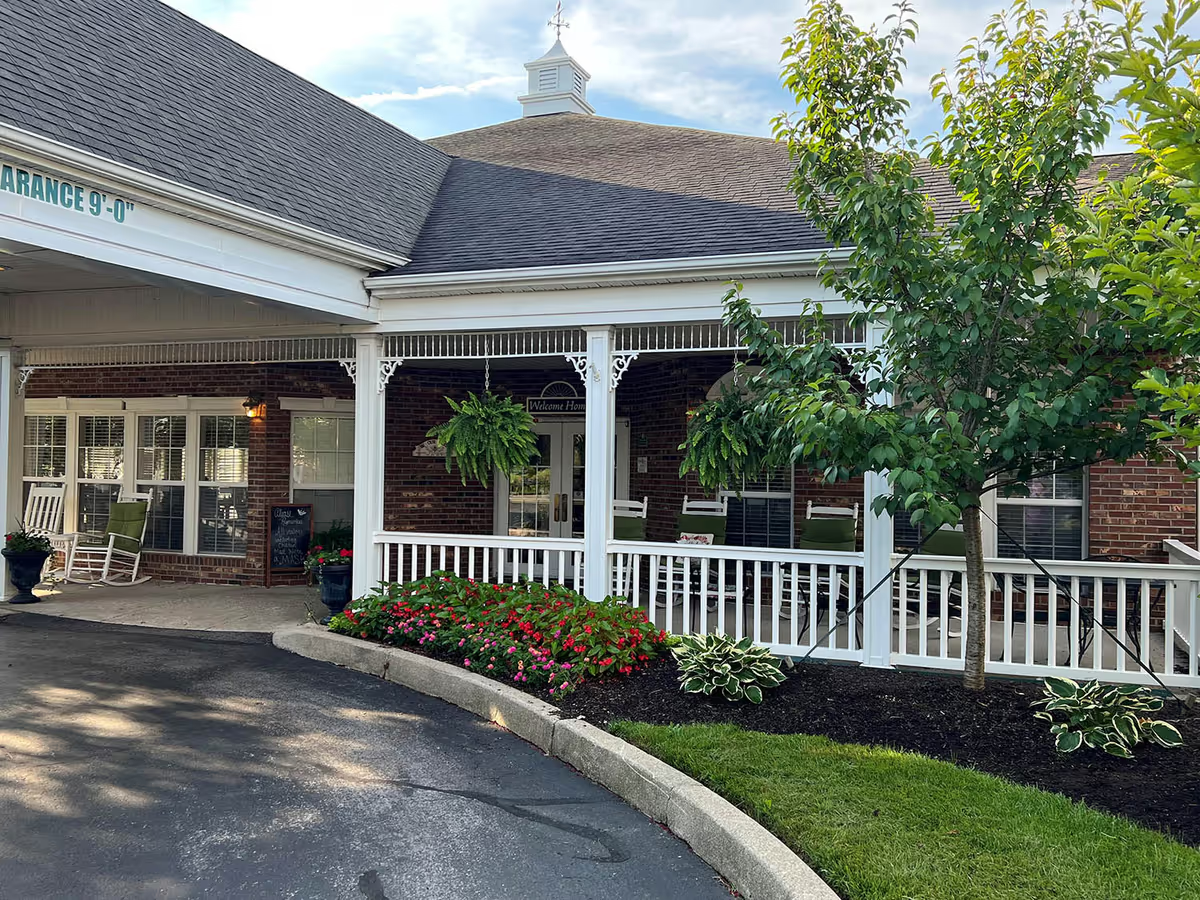
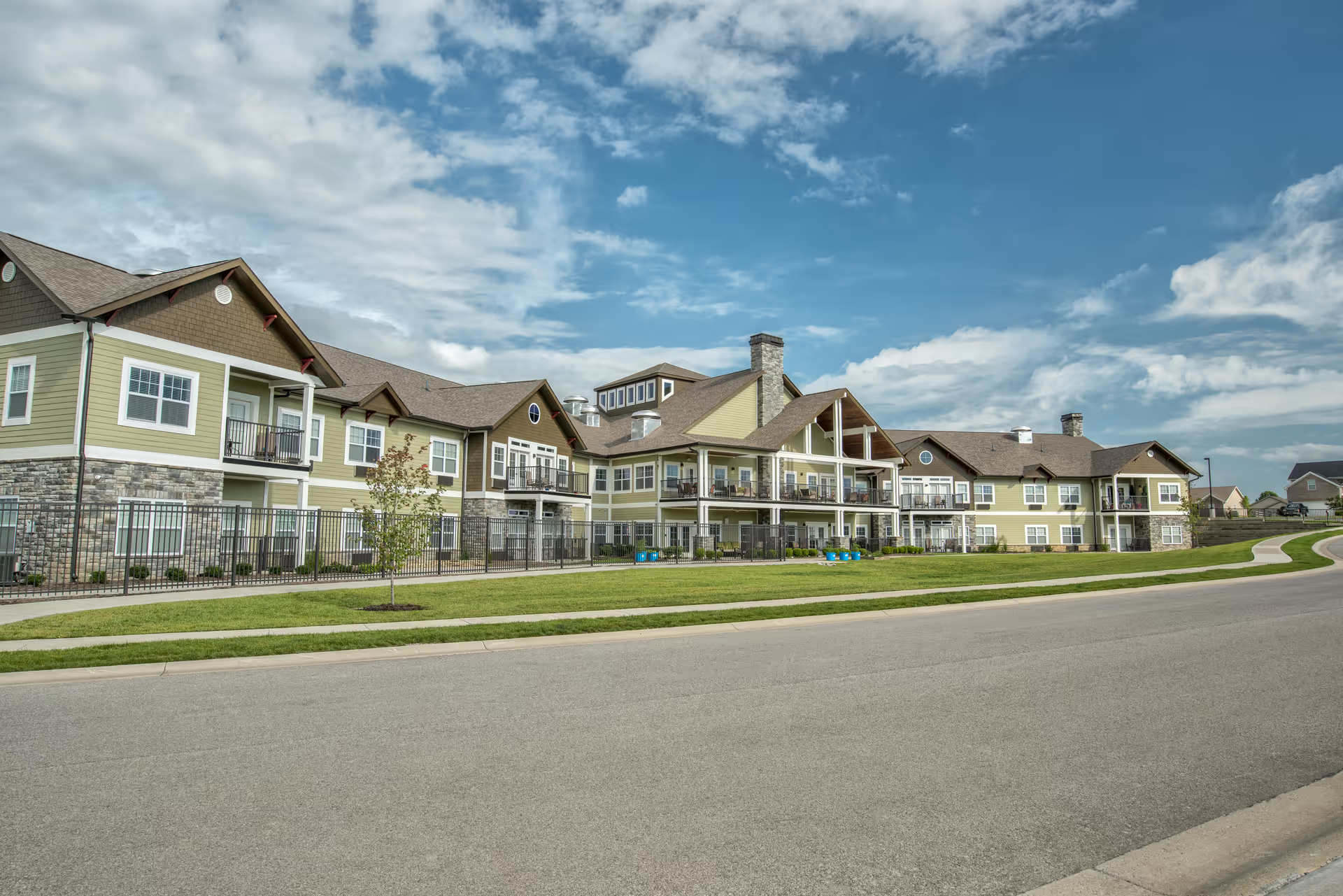
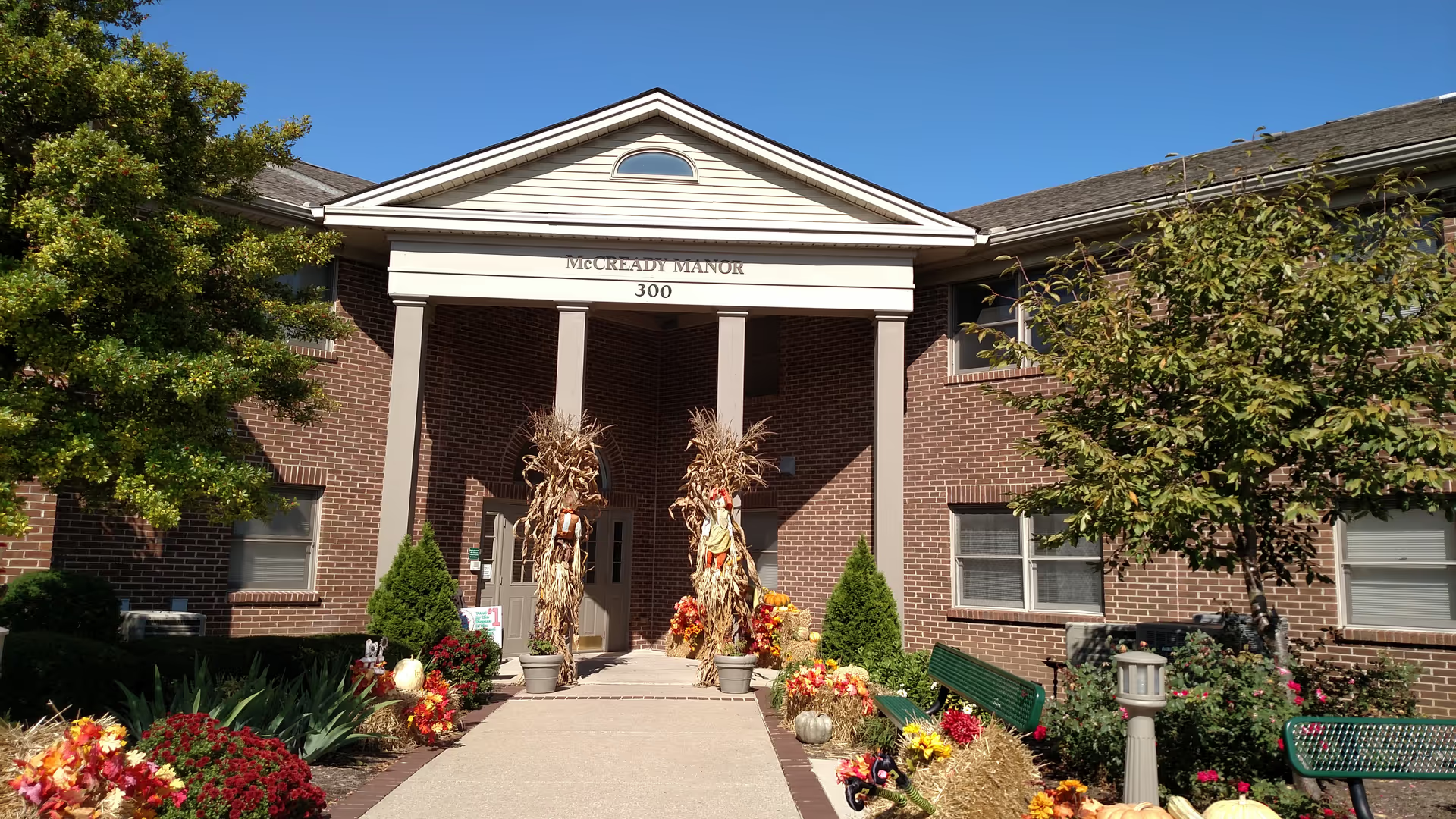
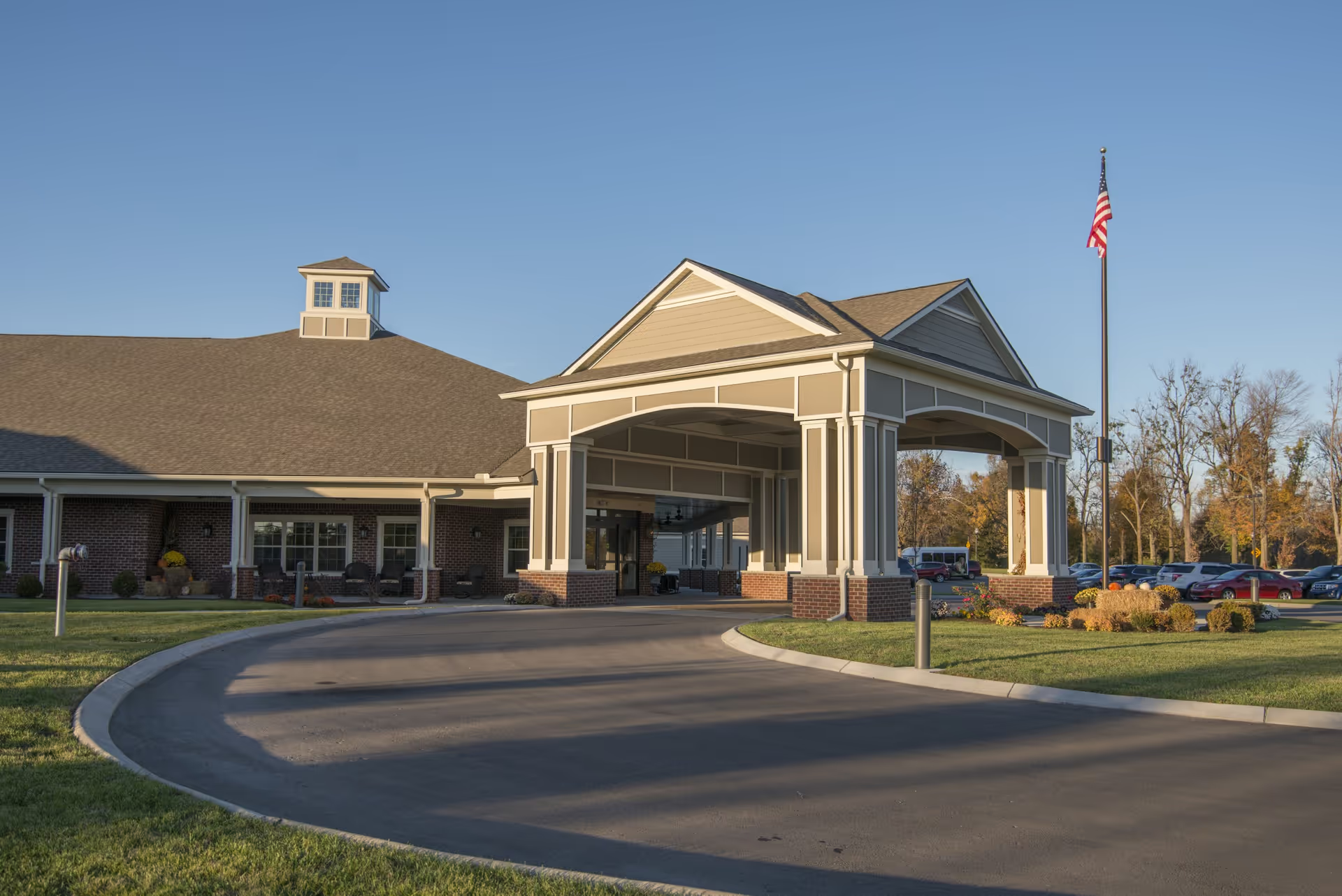
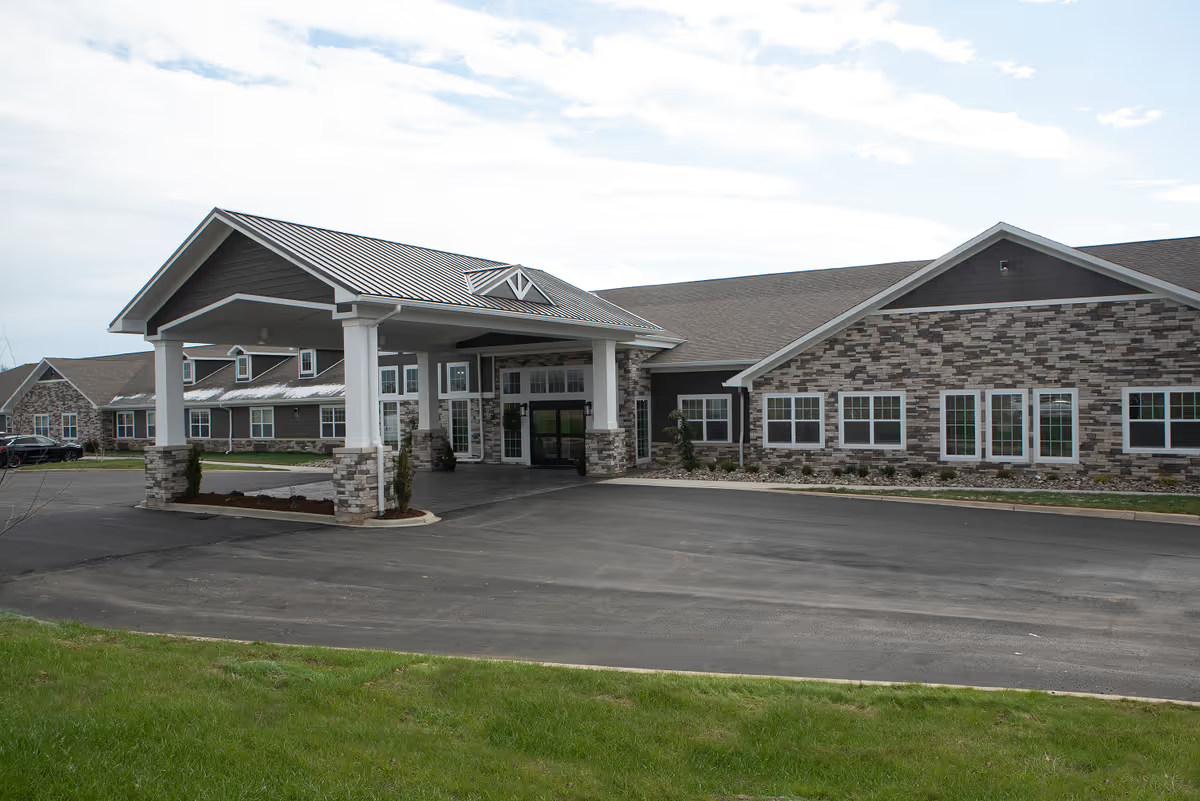
Facilities and cleanliness: The facility is consistently described as well kept and clean, with a bright, secure environment that gives a positive first impression. Reviewers cite an orderly interior and helpful associates who maintain the physical environment.
Management, policies, and notable patterns: A recurring operational issue is the facility’s visitation and admission policy, particularly restrictions related to under-18 visitors and outdoor-visit procedures. Families described strict enforcement of these rules and perceived uneven application across visitors, creating distress in some cases (including exposure to cold-weather waiting scenarios). There are also concerns about limited flexibility for long-distance families and about the tone and responsiveness of some administrative staff during admissions and discharge processes. Separately, there are allegations that some positive online feedback may originate from internal sources; these are presented as claims rather than verified findings and suggest a need for transparency in reputation management.
Bottom line: For prospective residents whose needs are within the facility’s demonstrated strengths—skilled routine nursing care, hospice, strong personal attention, and a clean, community-oriented setting—Laurel Heights appears to deliver consistently. Prospective residents requiring advanced pulmonary or other high-acuity services, those who anticipate frequent visits by minors, or families who require highly flexible admissions coordination should discuss clinical capabilities and visitation procedures with management before placement. Clearer communication from admissions staff, more flexible visitor logistics, and expanded respiratory coverage would address the primary operational concerns noted by families.