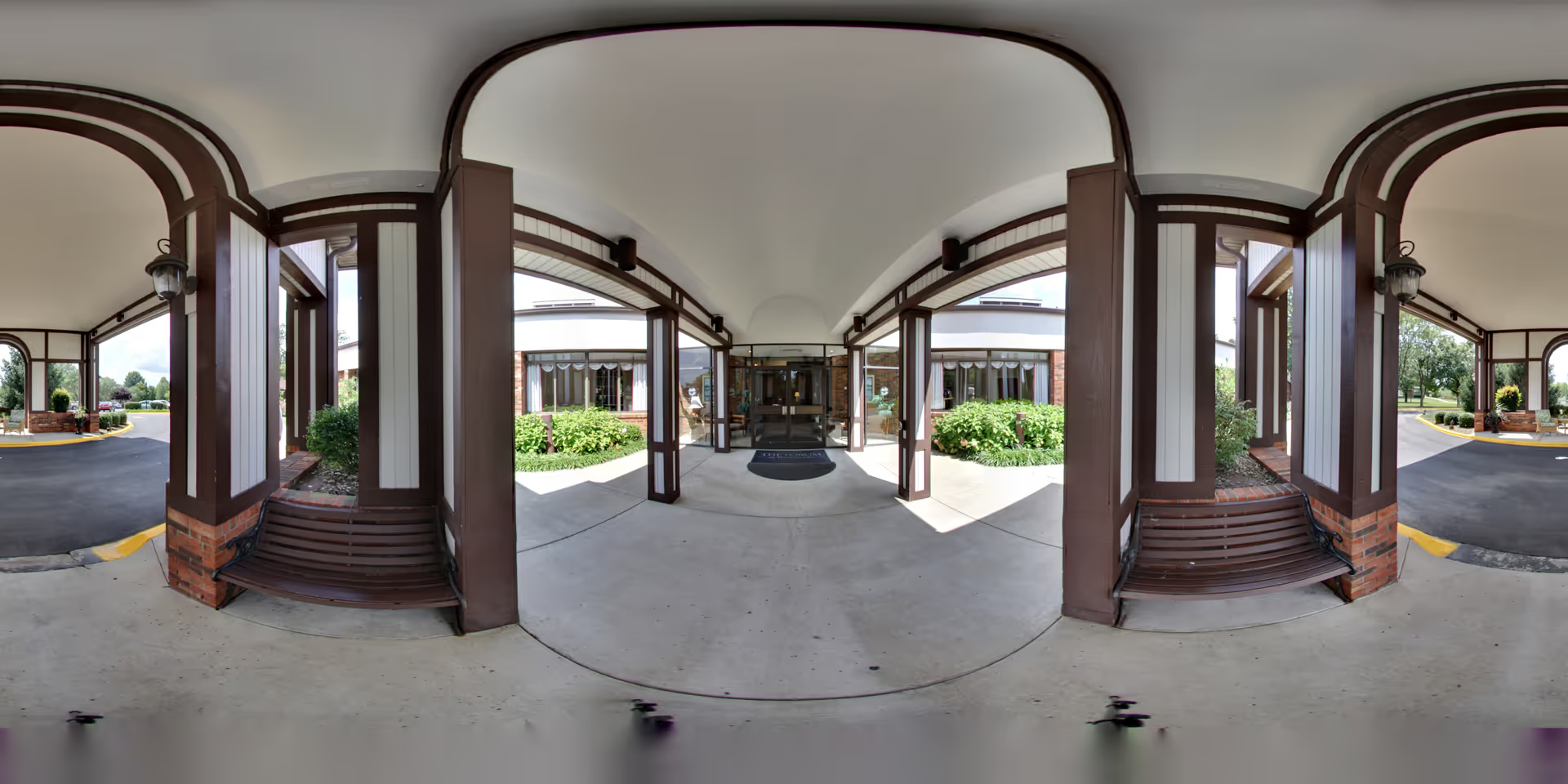
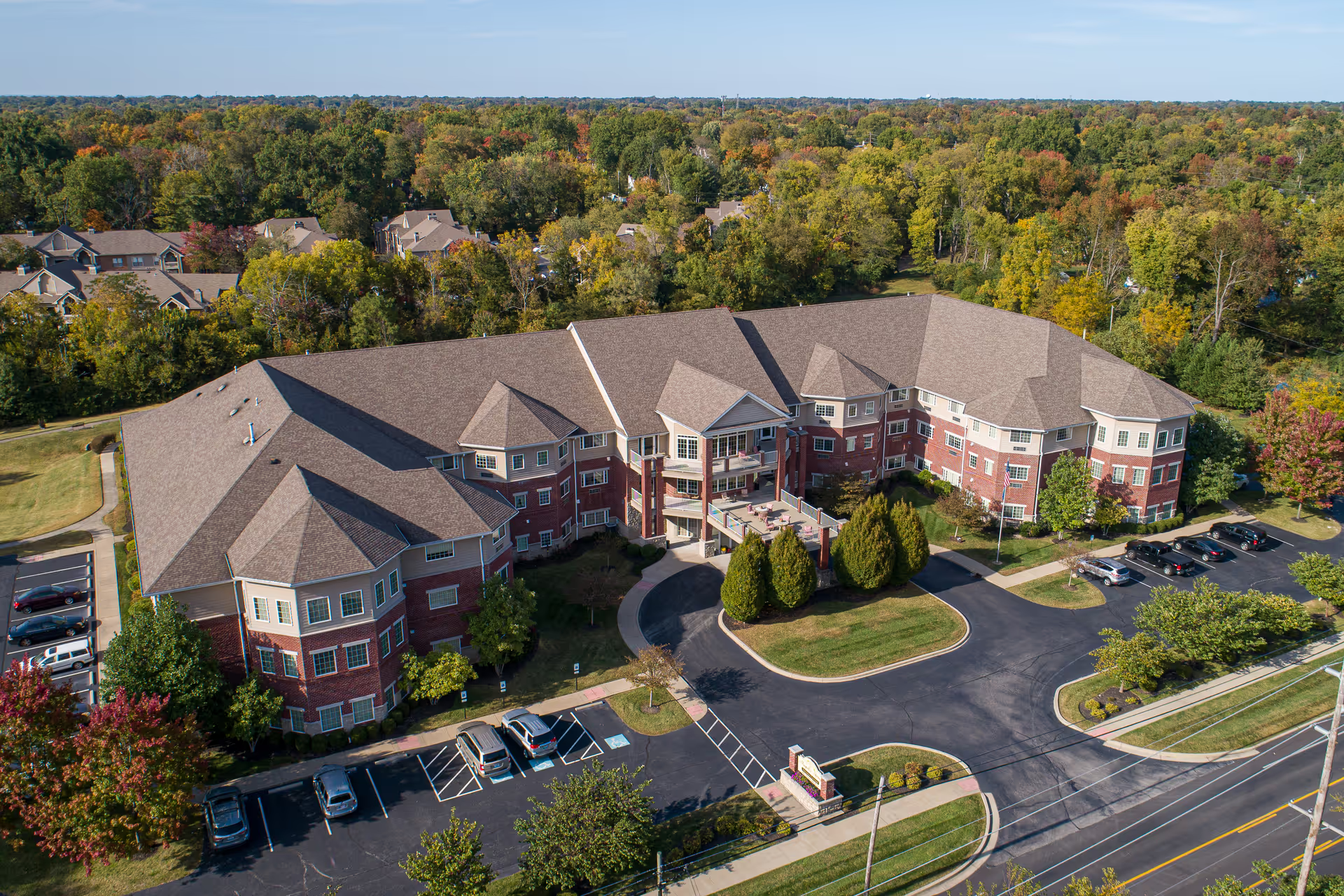
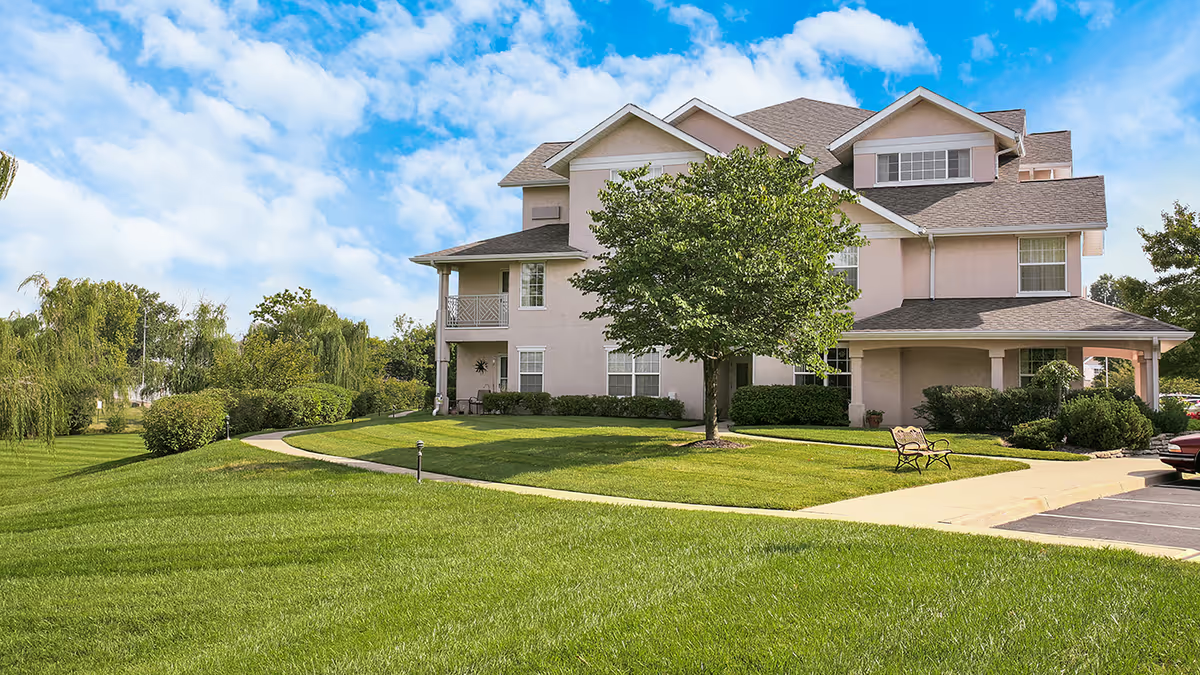
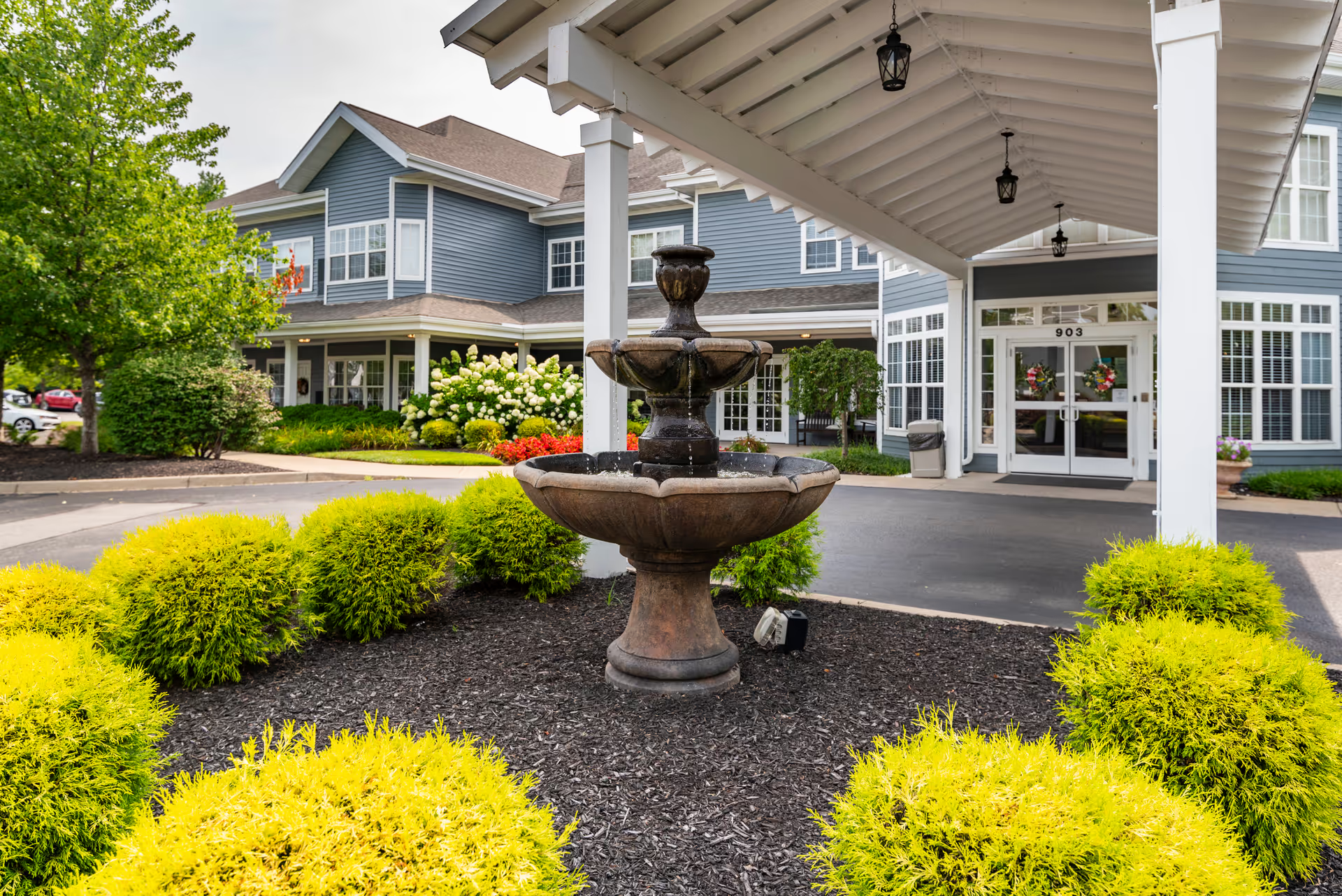
The Ashton on Dorsey is consistently described as a modern, well-appointed assisted-living community with many strengths in direct care, social programming, and facility amenities. Reviewers highlight compassionate nursing leadership and caregiving teams who provide personalized attention, learn residents' names, and foster a home-like atmosphere. The property itself receives frequent praise for being clean, bright, and newly built or renovated, with pleasant common spaces, outdoor verandas, a small garden, and multiple social venues such as a bistro and TV/movie room.
Dining and activities are prominent positives. The kitchen is often characterized as enthusiastic and resident-focused, offering fresh selections, colorful displays, and opportunities for resident input. Dining-room staff are described as attentive. The activities program is broad and active — organized daily programming, live music, outings, faith-based groups, therapy animals, happy-hour events, and memory-care–tailored offerings are repeatedly mentioned as contributing to quality of life.
Care quality is generally portrayed as strong when staffing is stable: many comments single out an engaged Director of Nursing and aides who go above and beyond, as well as useful onsite rehab and therapy services. Families report good move-in assistance, responsive business-office staff, and effective COVID-era safeguards and communication in several accounts. Memory-care availability and a small-unit setting are also noted as appropriate for residents with cognitive needs.
However, a consistent pattern of operational concerns appears across reviews. Leadership turnover and changes in department heads have been associated with perceived declines in overall service quality and gaps in activity leadership. Reviewers describe inconsistent staff performance and continuity, and some cite internal communication and coordination shortfalls between departments. Practical consequences mentioned include housekeeping and odor concerns in certain areas, inconsistent dining execution at times, and uneven supervision for residents with increasing, higher-acuity needs — including weaknesses in shower supervision and fall-prevention/mobility-support protocols. Several reviews also link staffing pressures to compensation and retention challenges.
Cost and placement fit are additional themes. The community is commonly regarded as higher cost, and some families find the pricing and periodic increases notable relative to expected service stability. A few reviewers felt the facility lacked an intermediate clinical level of care between assisted living and skilled nursing for residents with rapidly increasing medical needs. There are occasional comments about limited cultural and culinary diversity and about slower response times from some administrators.
For prospective residents and families, the prevailing impression is of a facility with strong relational care, lively programming, and attractive physical amenities, tempered by operational risks tied to leadership stability and staffing consistency. A focused tour that samples a meal, reviews current leadership and staffing ratios, asks about fall-prevention protocols and supervision for higher-acuity needs, and verifies housekeeping/odor-control procedures would help determine whether Ashton’s current operational status matches a family’s expectations and care requirements.