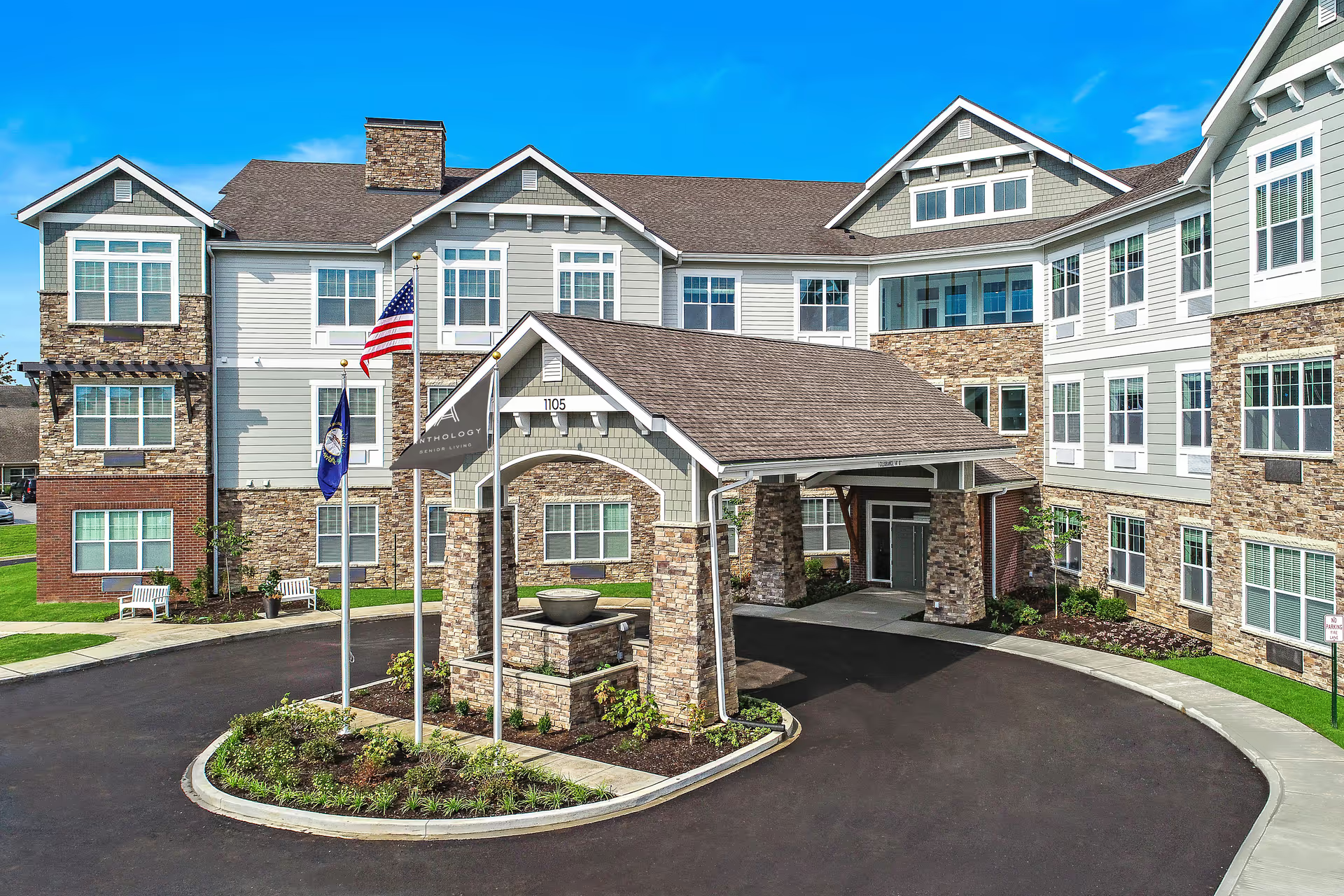
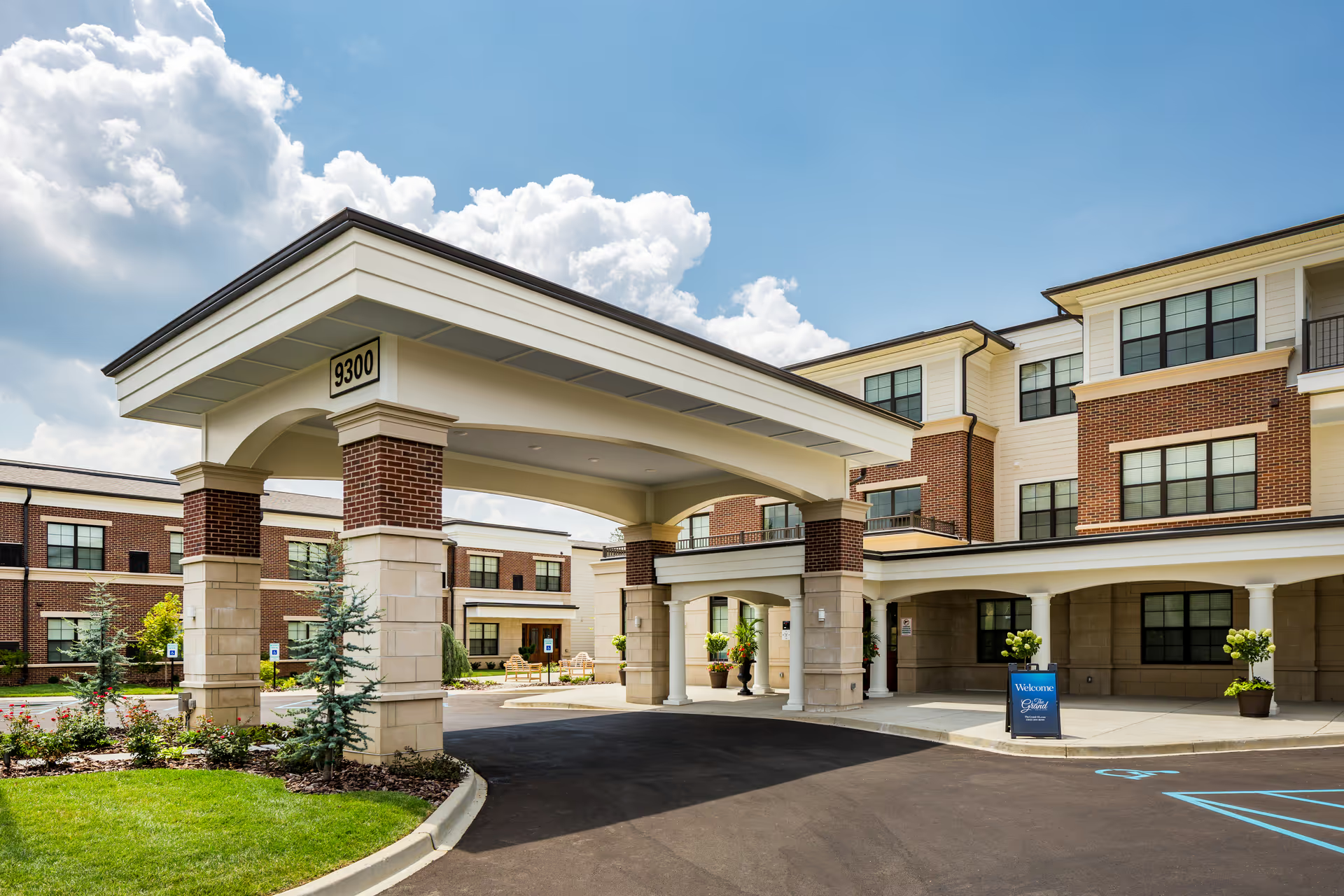
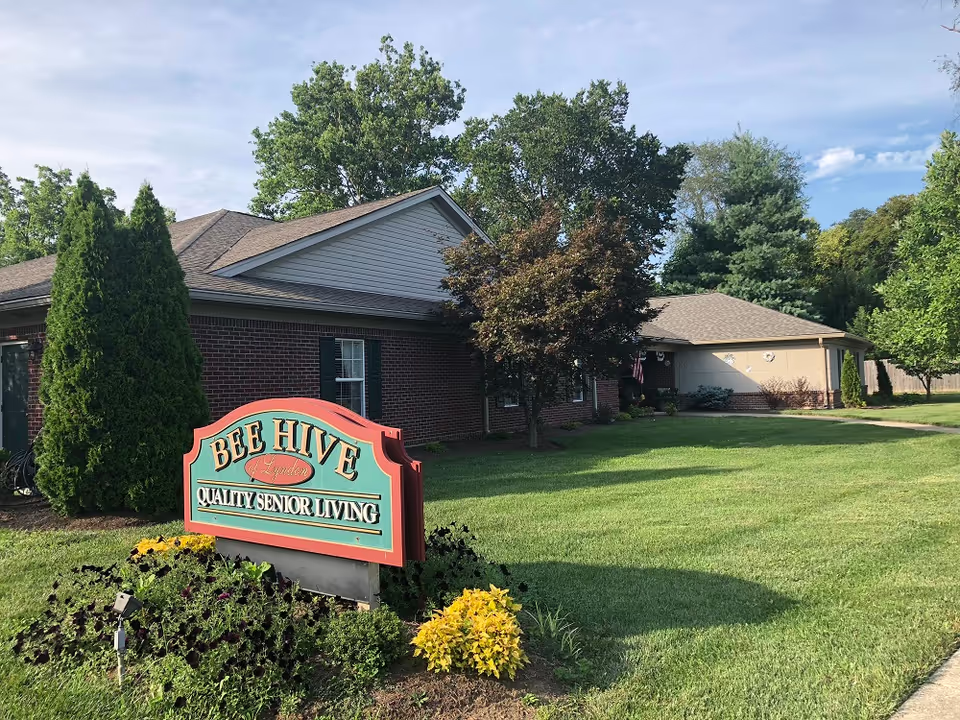
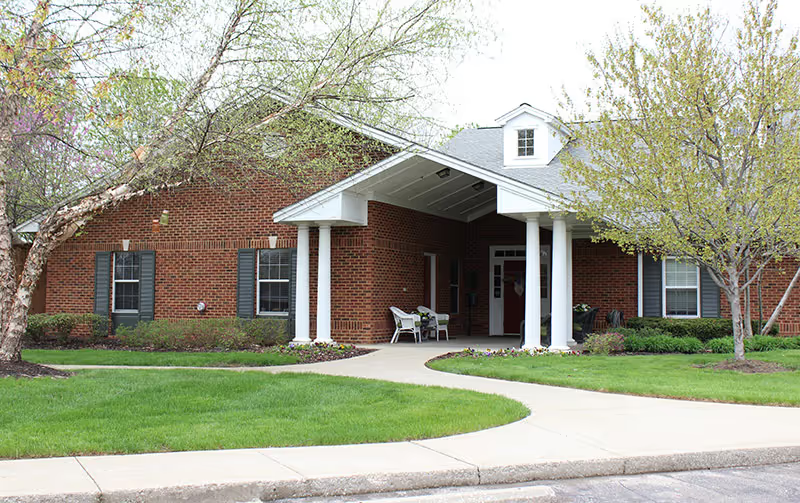
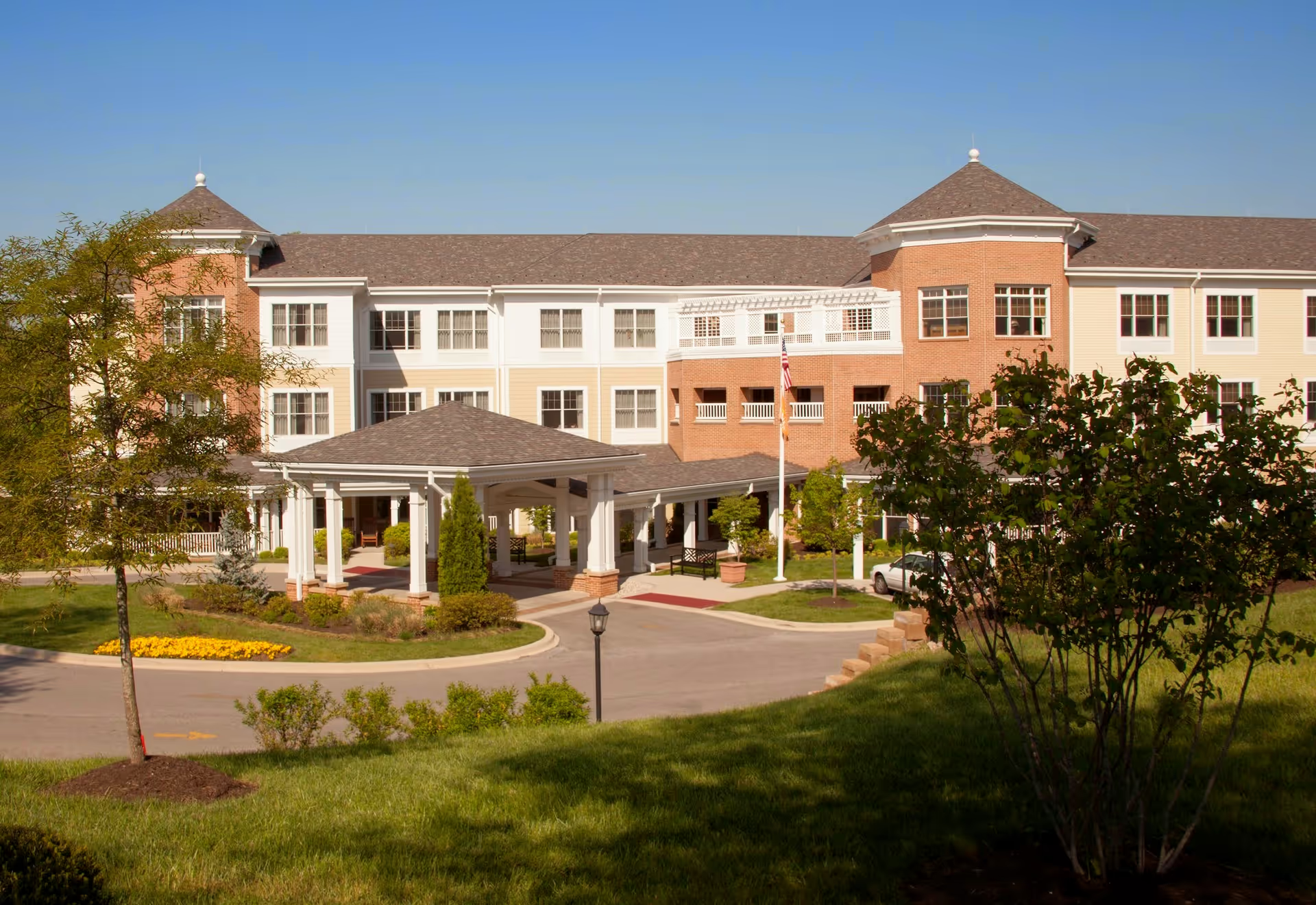
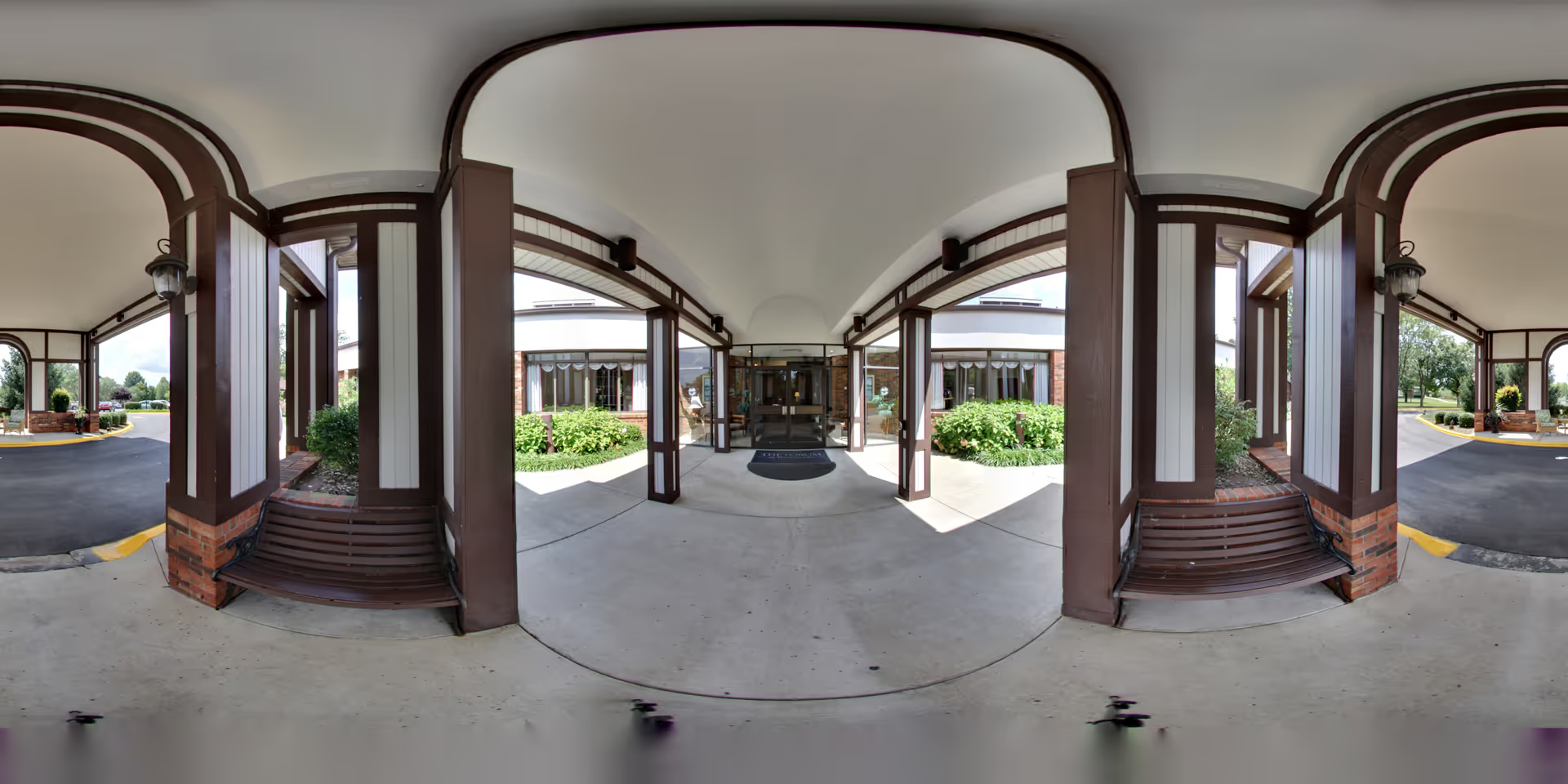
The Willows at Springhurst - Memory Care elicits a strongly mixed set of impressions. Many families and visitors praise frontline caregivers, CNAs, and the memory-care day team for compassionate interactions and resident engagement; the activities program and physical-therapy services are frequently cited as meaningful strengths. The building and grounds are often described as attractive and well maintained, with private rooms (many with en-suite baths), an updated dining area, and on-site amenities such as rehabilitation services and transportation that support resident routines.
At the same time, an identifiable pattern of operational weaknesses emerges across reviews. Staffing instability — including high turnover and regular use of agency personnel — is a recurrent concern; reviewers indicate that agency staff are at times unfamiliar with resident care plans and documentation. This staffing variability appears linked to delayed responses to call lights, uneven medication administration and charting practices, and longer waits for assistance with toileting and transfers. Several accounts describe safety-practice issues such as call-button placement, inconsistent use of transfer/wheelchair scales, and delayed clinical follow-up that families found worrisome.
Dining and therapy services are another area of divergence. The activities program and certain therapy staff receive positive marks, but meal service consistency and quality are uneven: reviewers cite missed meals, incorrect trays, undercooked or bland food, and occasional inventory/shortage events that affect continuity. Restorative therapy and long-term therapy follow-up are described by some families as under-resourced or variable in effectiveness.
Facility-level management and communication are frequently criticized. Multiple reviewers point to weak upper-management oversight, poor responsiveness to family phone calls, and issues with admissions/discharge coordination and medical-record transfer. Financial concerns — including billing questions and difficulties accessing resident accounts — are also mentioned. Additional operational issues include sanitation/pest-control concerns in certain units, nighttime noise, and some security or front-desk access-control gaps.
For prospective residents and families, the overall picture is one of a facility with clear strengths at the direct-care level (compassionate aides, strong activities, attractive facilities) but persistent systemic challenges related to staffing, management, and operational consistency. When evaluating this community, consider asking specific questions about current staffing ratios, use of agency personnel, medication-administration protocols, meal-service continuity plans, pest-control and sanitation policies, care-plan handoff procedures, and recent changes in leadership. Observing a mealtime and a late-night shift, requesting recent survey or staffing data, and clarifying billing and discharge procedures can help families gauge whether the facility’s operational practices match the positive aspects described by many reviewers.