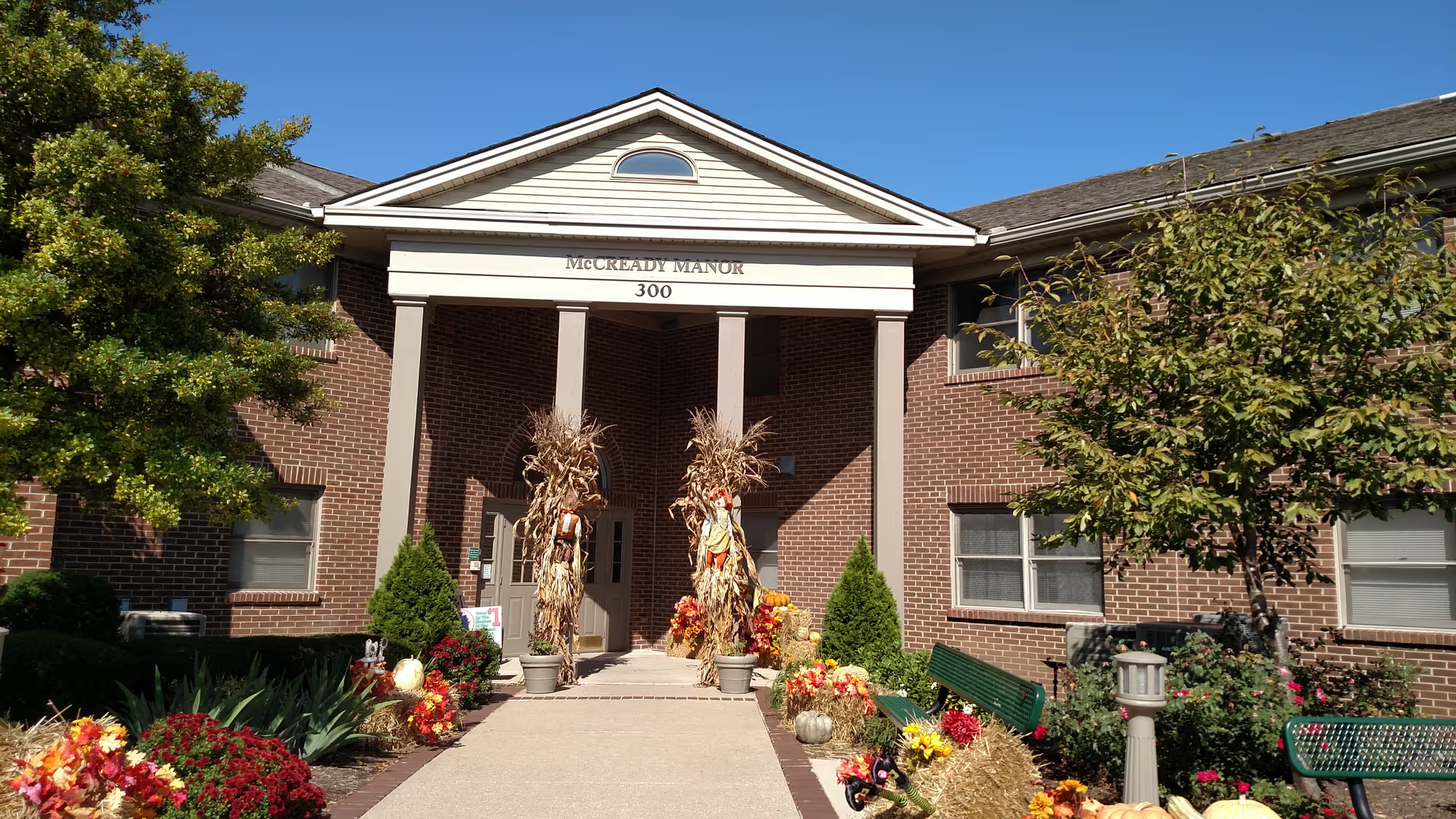
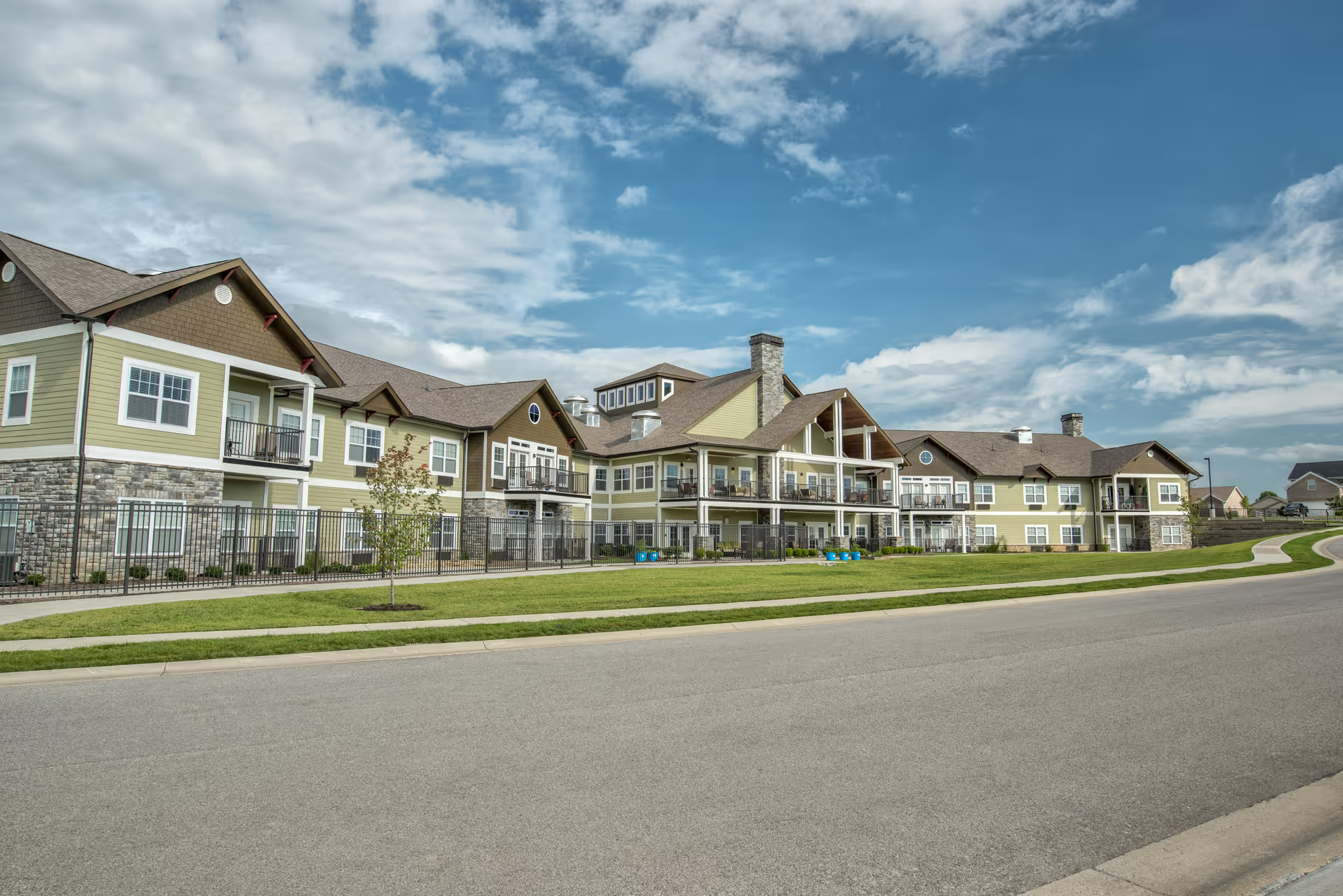
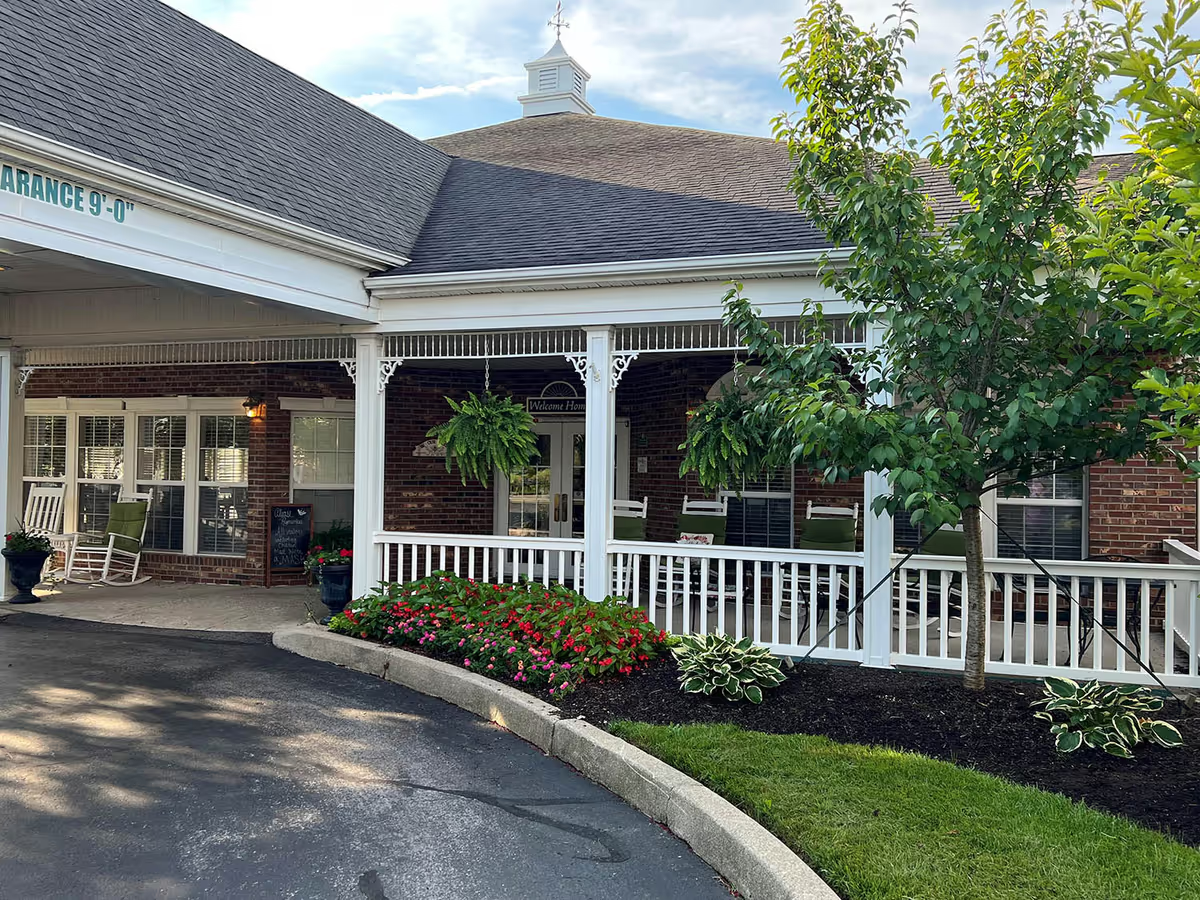
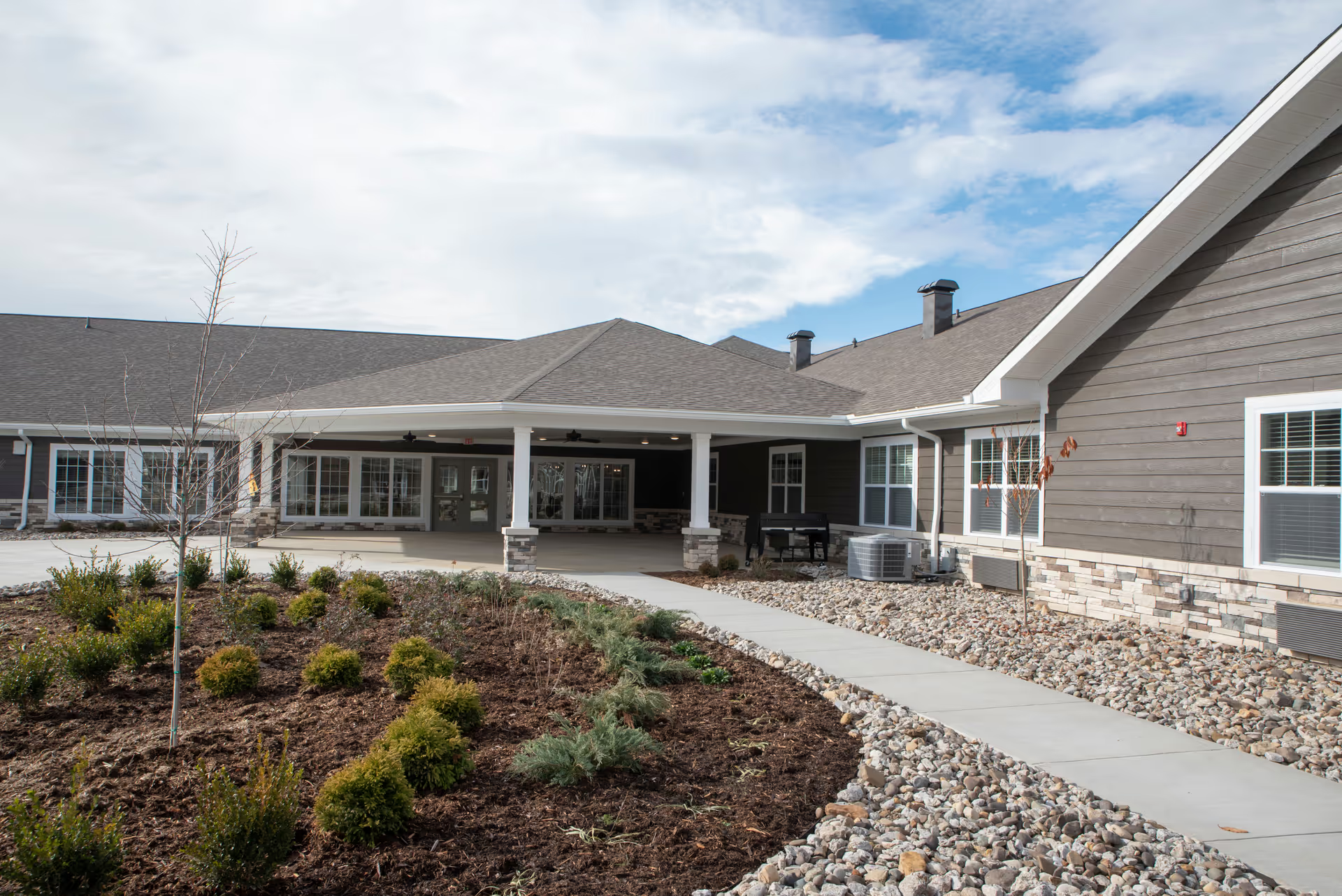
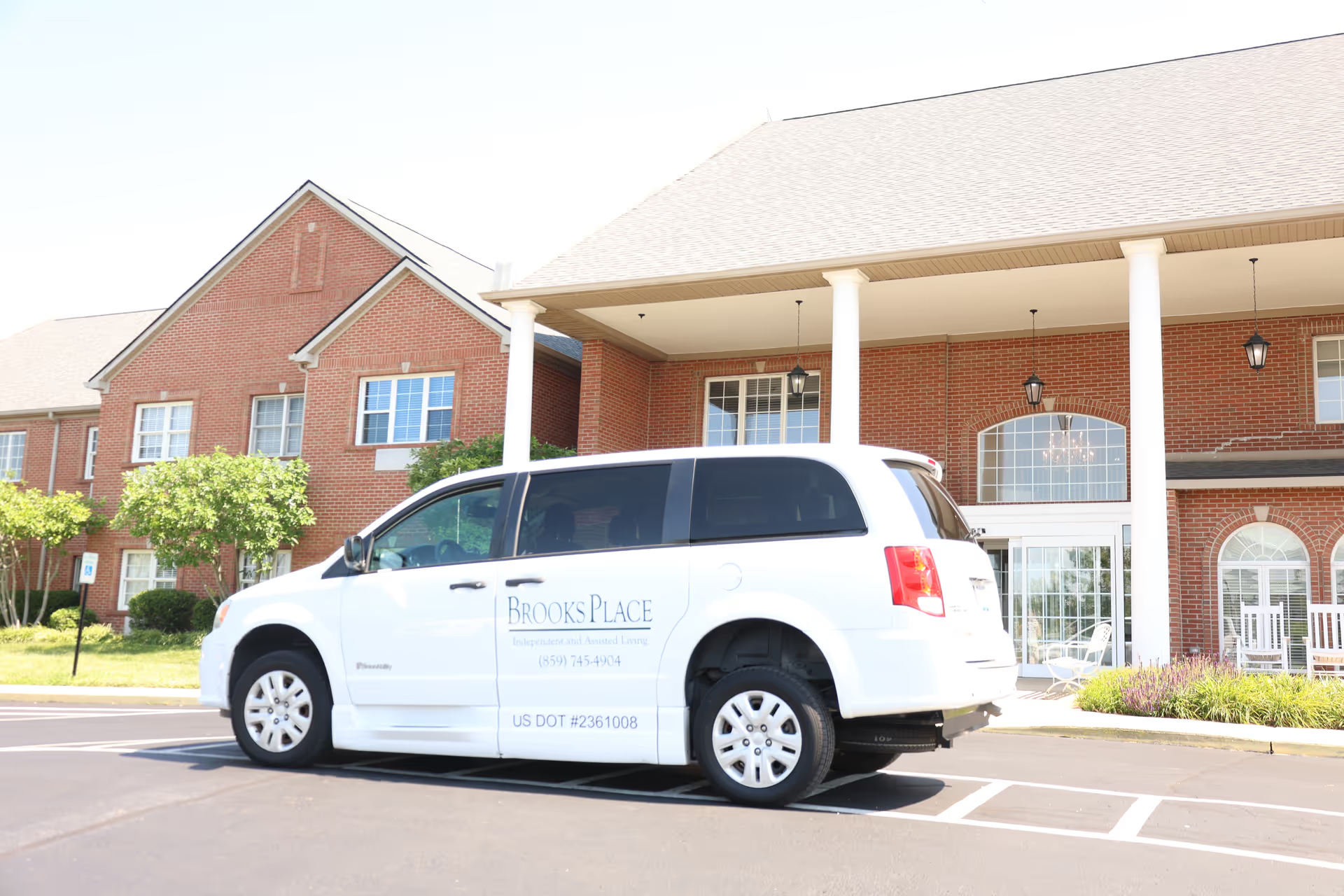
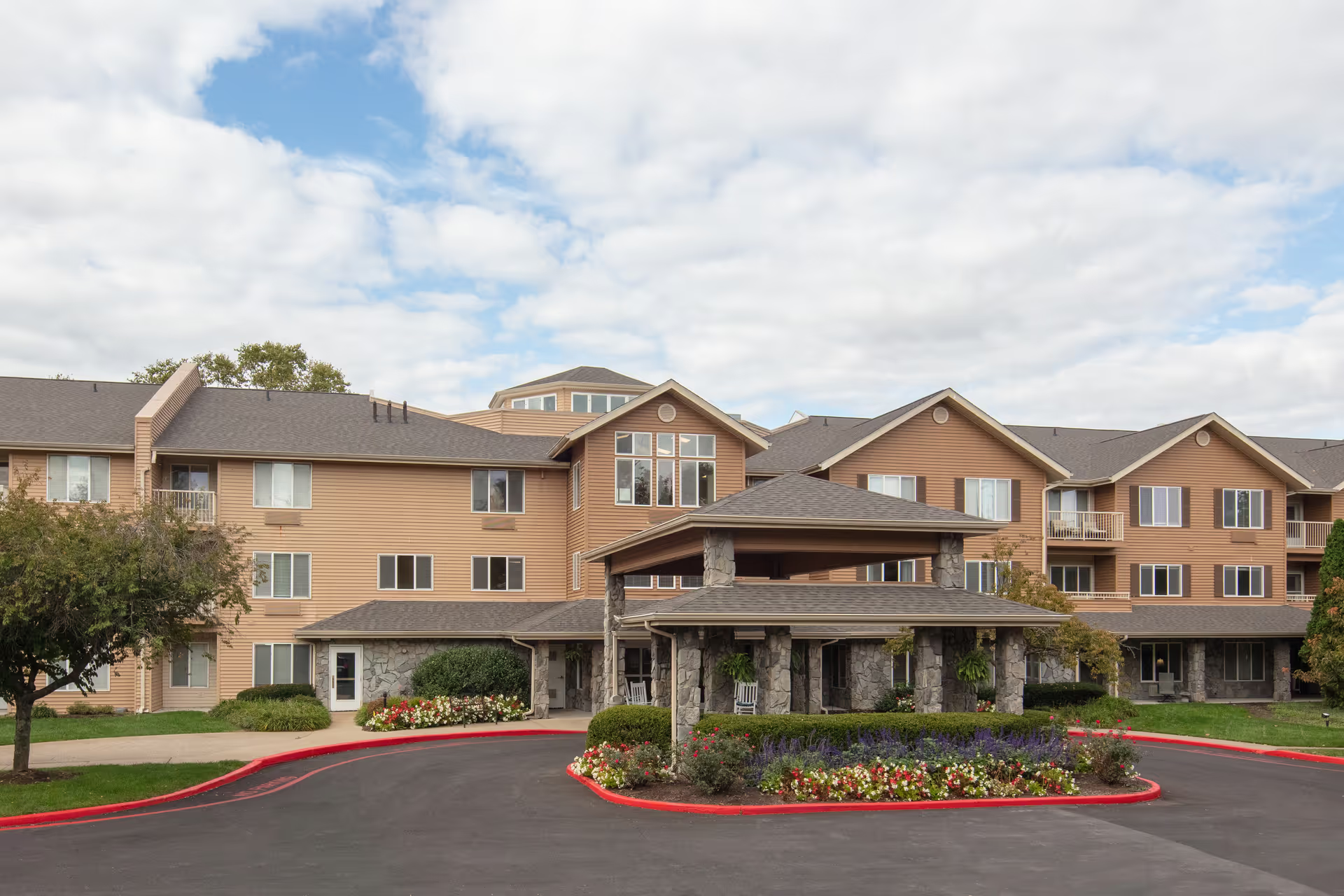
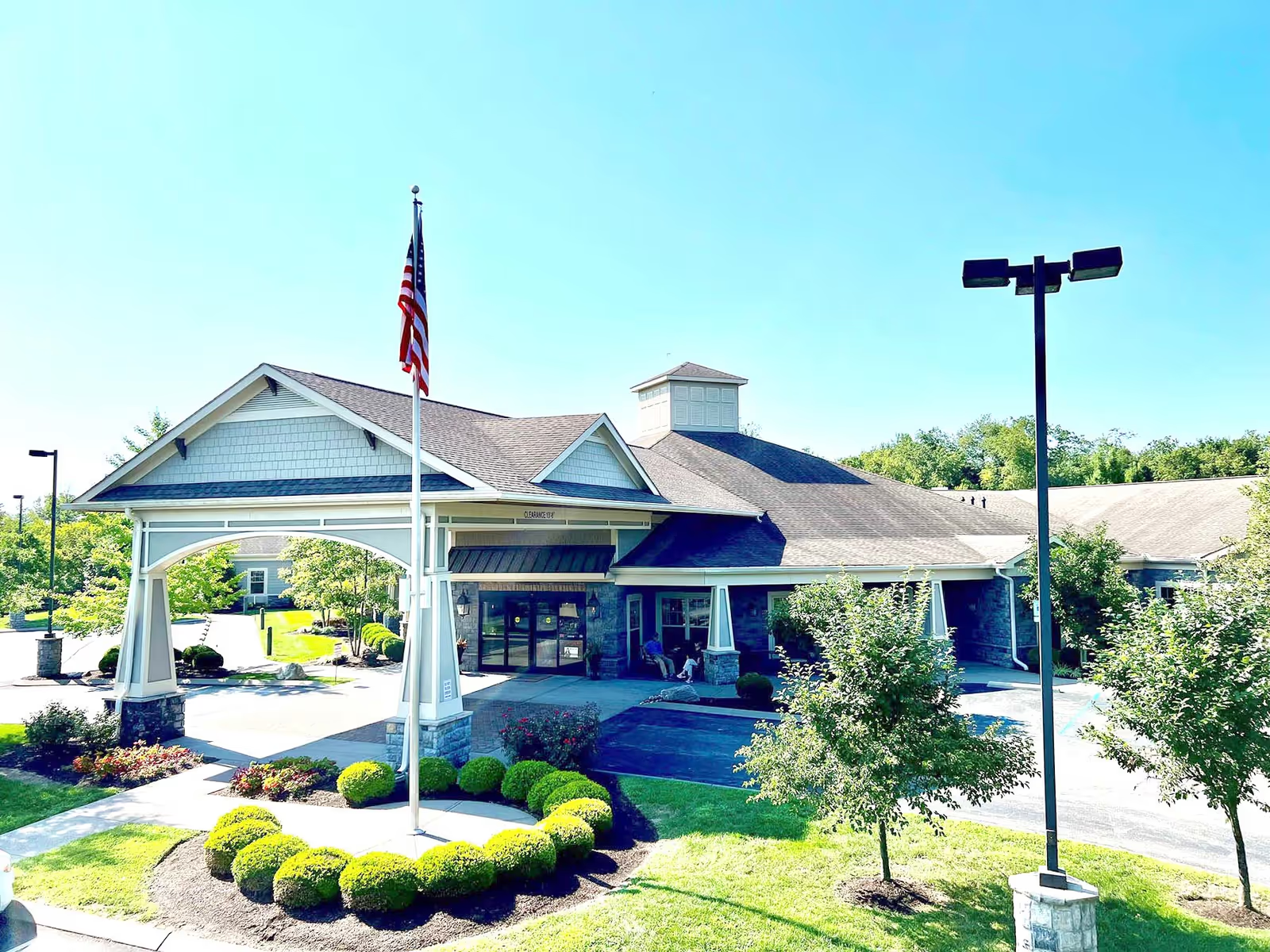
Overall impression: Telford Terrace presents a mixed picture in which demonstrable strengths in facility environment and certain aspects of clinical care coexist with operational and communications weaknesses that families should evaluate carefully. Many reviewers praised the facility’s cleanliness, room quality, warm atmosphere and active programming; the facility’s rehabilitation focus and favorable state-inspection history were also highlighted. At the same time, reviewers described recurring operational issues that may affect day-to-day resident experience and family confidence.
Care quality and clinical staffing: The facility appears to deliver solid clinical and rehabilitation services for many residents. Multiple comments praised knowledgeable nurses, an excellent LPN, attentive night-shift caregivers, and an active nursing-management presence. However, there is variability in staff competency and professional demeanor. Some families described specific nurse conduct concerns that were reported to leadership and, in at least one instance, addressed by the director of nursing. Prospective families should confirm staffing levels, staff training and supervisory oversight during tours.
Staff, management and communication: A consistent area of concern is staff professionalism and communication style. Reviewers noted instances of public confrontations between staff and family members and described attitude problems among some employees. There are also reports of payroll or administrative-management problems, including discrepancies and disputes about staff hours. These issues point to weaknesses in conflict-resolution practices, human-resources processes, and family communication pathways. Families may want to ask about grievance procedures, how management handles conduct issues, and whether there is a documented process for resolving payroll or staffing disputes.
Dining and daily living: Comments indicate the facility maintains regular meal service and that many residents find the daily routine agreeable; lunch was cited as the most well-received meal and residents enjoy consistent activities. However, operational gaps were described around mealtime assistance and dining safety: slow or delayed assistance during meals, trays left in common dining areas, and practices reviewers felt increased choking risk. These describe process-level concerns about dining supervision and feeding practices rather than isolated culinary quality. Visitors should inquire about meal-assistance protocols, staffing at peak meal times, and how staff monitor residents during eating.
Activities and environment: The facility’s activity program and social opportunities were generally viewed positively. Reviewers described a busy schedule, regular programming, and a welcoming social environment that residents enjoyed. Facility maintenance and cleanliness were noted as strengths, and room size and quality were favorably compared to other options.
Notable patterns and recommendations: The most significant items that families should verify in person are call-light response times, mealtime assistance procedures, visitor and resident-movement policies, and administrative practices around payroll and staffing. A serious individual allegation concerning restricted movement and visitation was raised; families should review the facility’s resident-rights policies, competency-assessment procedures, and any applicable regulatory findings when making decisions. Given the mix of commendations and operational concerns, prospective residents and their families would benefit from targeted questions during a visit, requesting recent inspection reports, speaking with current families when possible, and observing meal and shift-change periods to assess real-time operations.