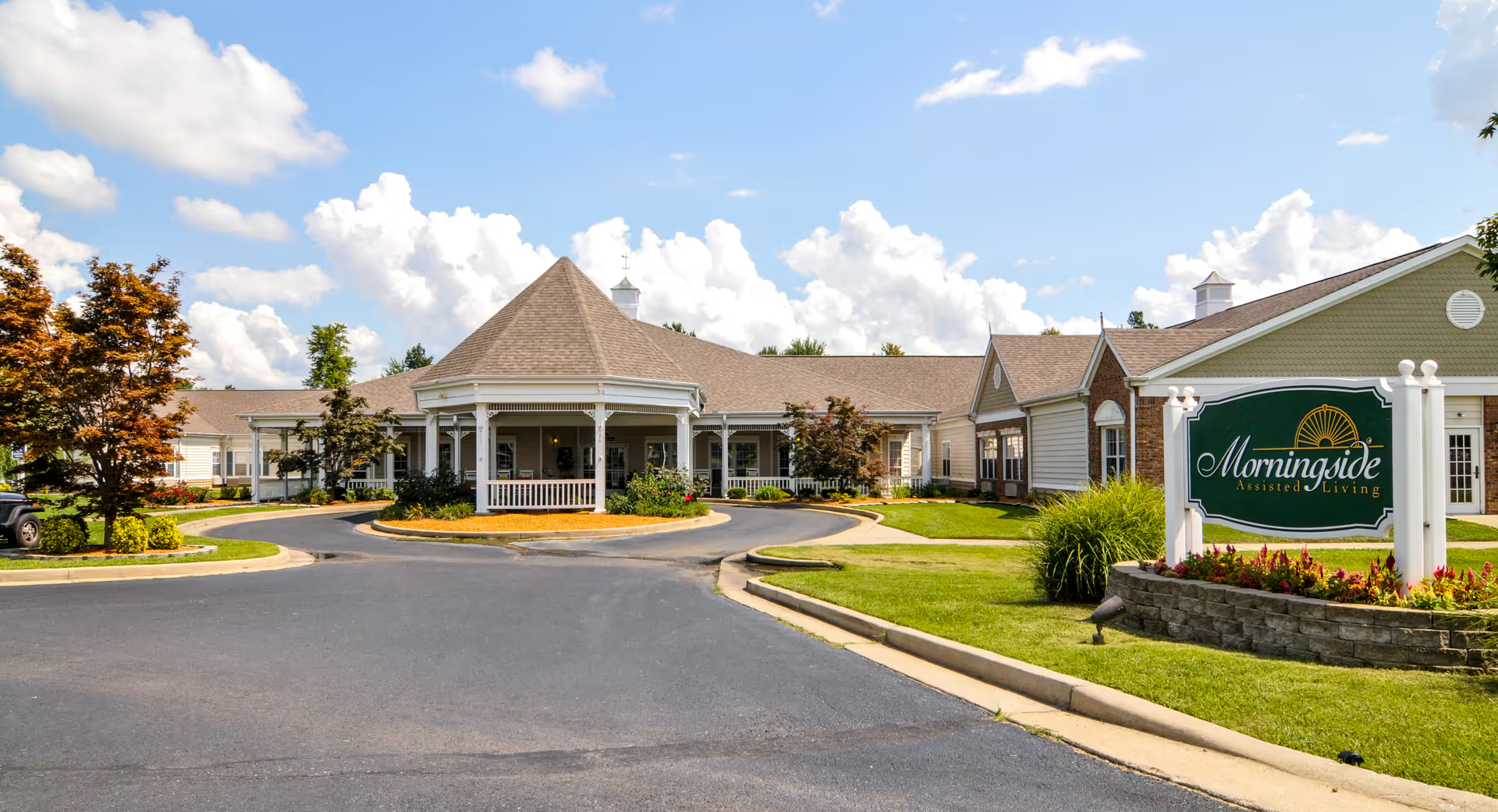
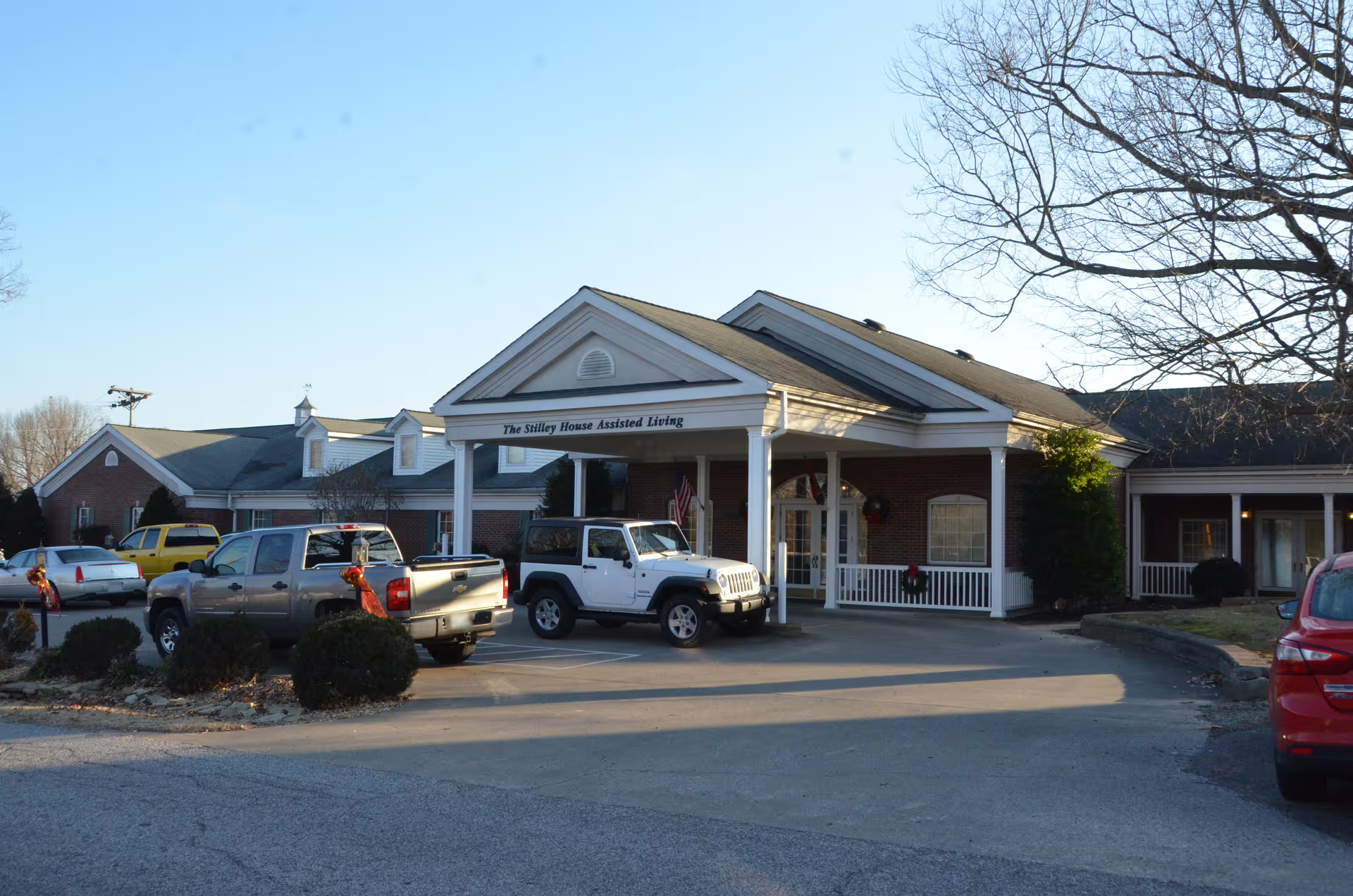
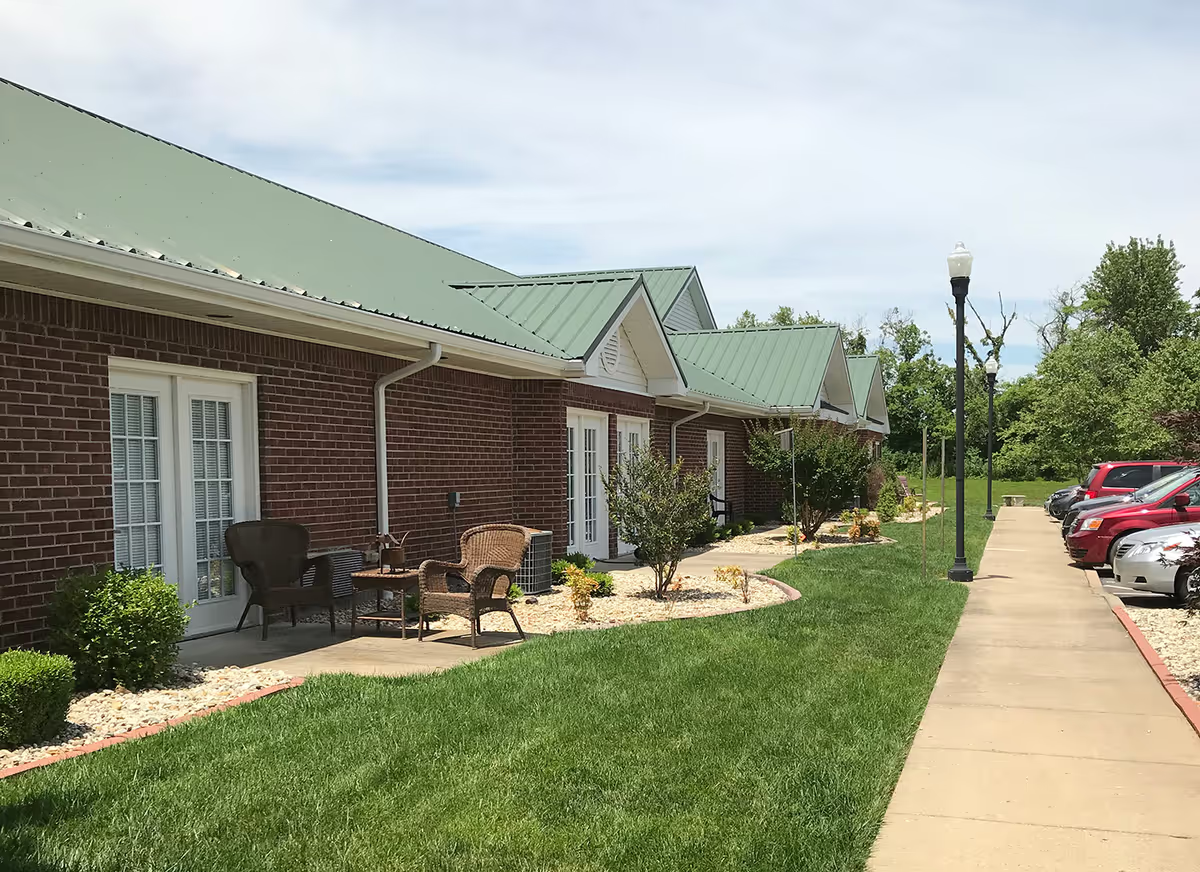
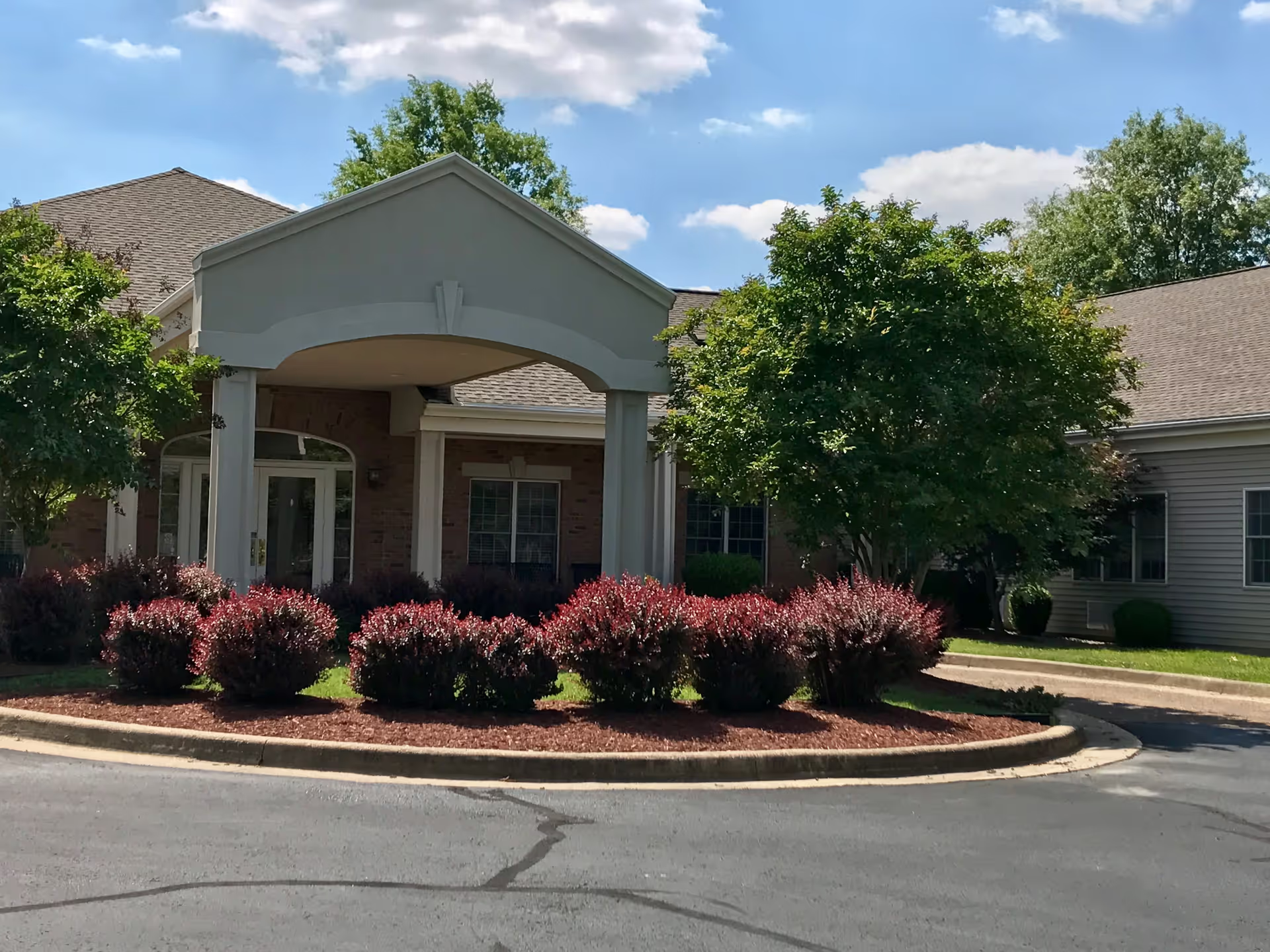
Overall impression: Reviews present a predominantly positive picture of daily life at the facility, especially around therapy services, the physical environment, and many caregiving staff. Multiple comments praise the rehabilitation (PT/OT) program as well as staff who are described as caring, family-oriented, and engaged with the wider community. The center’s setting and upkeep are frequently noted as bright, quiet, and well maintained, with pleasant common areas and accessible outdoor patios.
Care and staff: Care quality appears to be a strength for many families: reviewers highlight attentive, compassionate caregivers and a strong therapy team that supports resident function. At the same time, there are operational concerns involving the timeliness of assistance. Reviewers referenced delays in responding to requests for help and a specific, serious allegation involving inadequate incontinence care; while that allegation appears to be an individual report, it signals a potential gap in incontinence-care practices and response protocols that prospective families should inquire about.
Dining and daily services: Comments about dining are mixed. Several reviewers are satisfied with day-to-day services, but there are also statements indicating inconsistent meal quality. Maintenance and facility upkeep receive consistently positive mentions, and maintenance responsiveness is a clear operational strength.
Activities and community: The facility appears active in community engagement and programming. Staff involvement in events and donations, school partnerships, and on-site activities were cited positively, contributing to an engaged atmosphere for residents.
Management and communication: Perceptions of management are mixed. Some reviewers describe effective, responsive administration, while others raise concerns about leadership, staff conduct, and communication. Problems described include staff tone or interactions with visitors, instances of asking visitors to leave, and difficulty obtaining clear information about a resident’s status. These indicate variable practices around family communication, visitor interaction policies, and front-line staff training.
Notable patterns and questions to ask: The dominant positive themes are strong therapy services, a clean and well-maintained environment, and many supportive caregiving staff. The principal operational concerns are inconsistent responsiveness to assistance requests, potential gaps in incontinence-care protocols and room-cleaning practices, variable meal quality, and uneven management/communication practices. Prospective residents and families may want to ask the facility about current staffing ratios, average call-response times, incontinence-care protocols and monitoring, room-cleaning procedures, dining menus and meal-satisfaction processes, family communication practices, and how complaints or incidents are documented and addressed.