Overall impression Eastridge Nursing & Rehabilitation elicits a mixed but distinct pattern of feedback. Many comments emphasize warm, personable staff, a welcoming environment, effective rehabilitation services, and a clean facility; these strengths contribute to positive experiences for residents and families. At the same time, a subset of accounts describe serious clinical and safety concerns that suggest operational gaps in certain areas of care.
Care and staff Staff behavior and interpersonal care are repeatedly cited as a strength. Reviewers describe staff as caring, welcoming, and attentive, with family-style interactions and generally good communication during routine care and rehabilitation. Therapy and short-term rehab services are singled out positively by several families. However, there are also reports indicating uneven clinical skill levels, particularly for residents with complex or dementia-related needs. These comments point to gaps in dementia-specific training, wander-prevention protocols, and the management of skin integrity and wounds. In some instances families escalated concerns about clinical responsiveness during critical situations, which indicates a need for clearer systems for urgent clinical response and family notification.
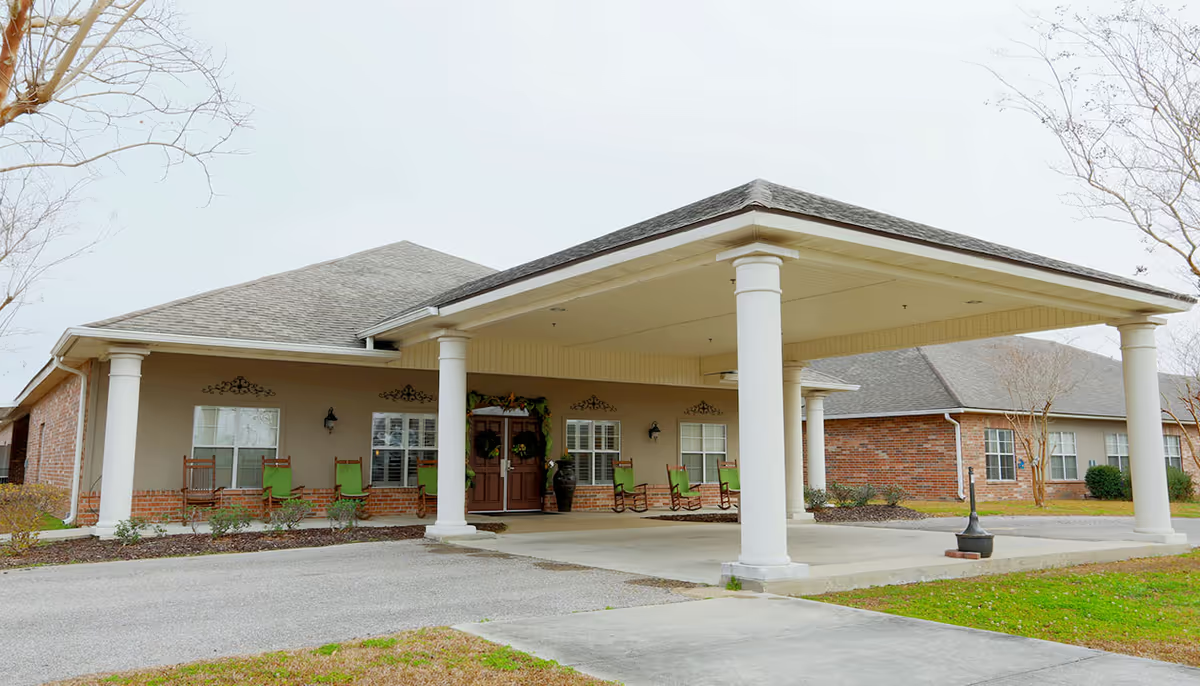
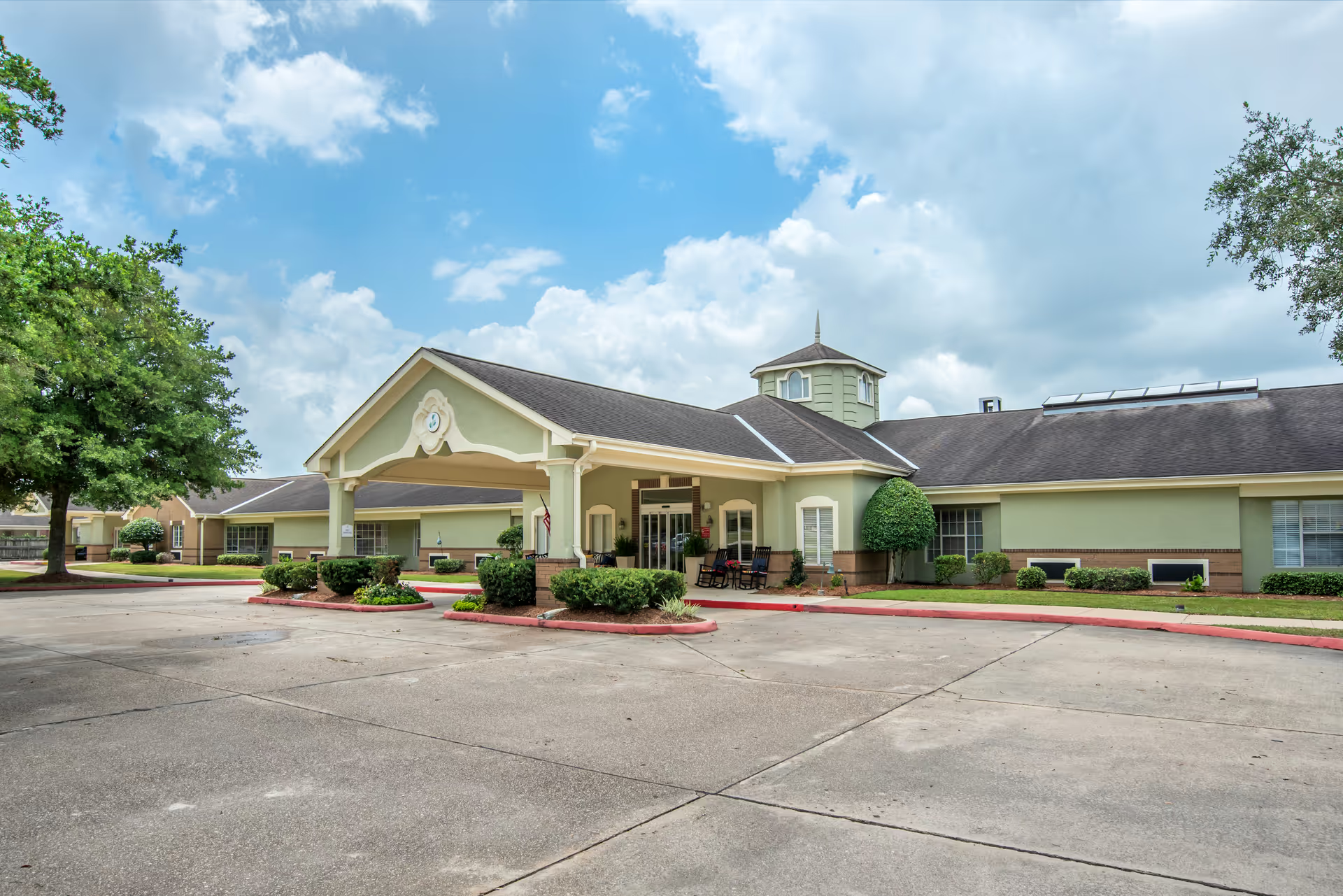
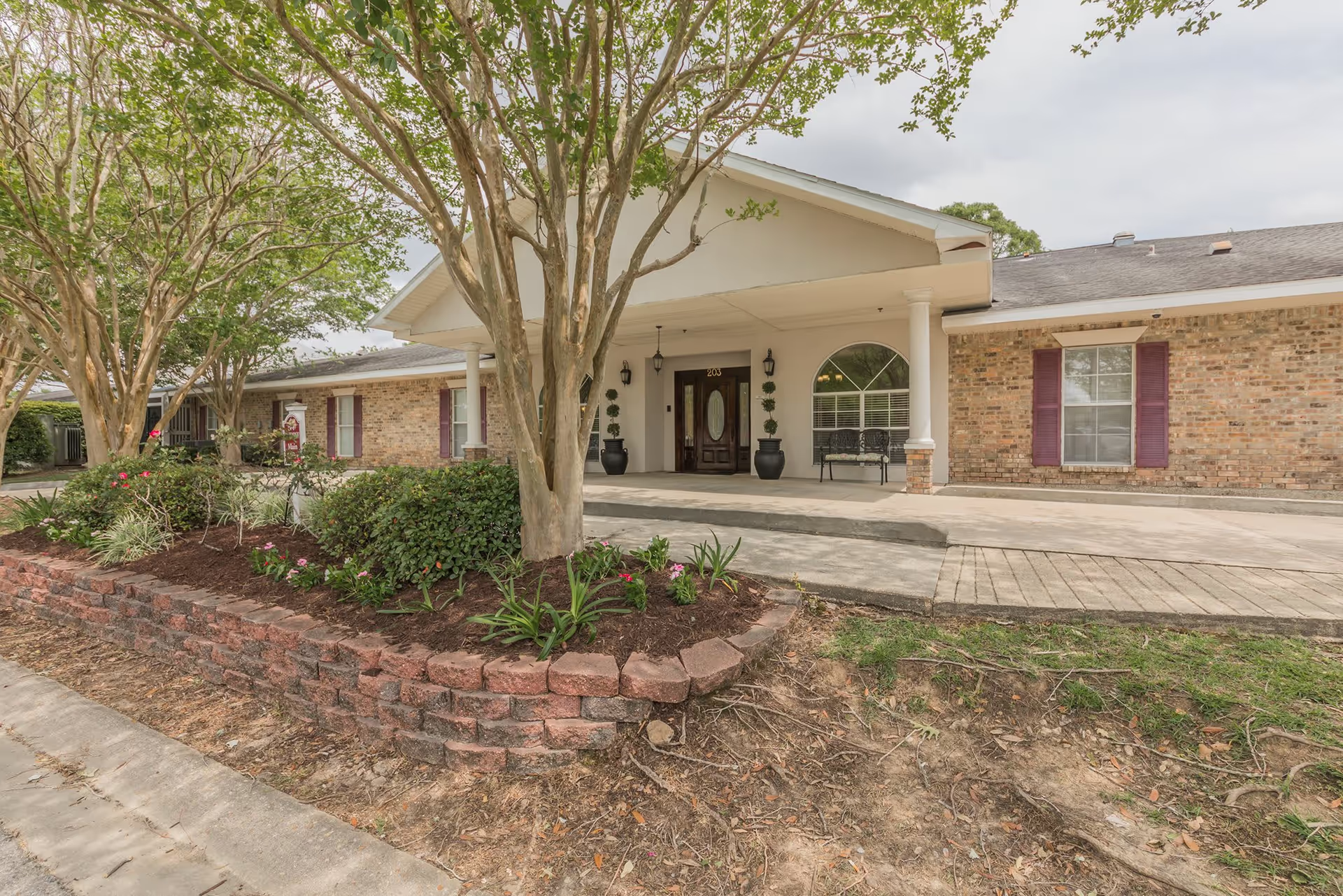
Dining, activities, and facilities Facility upkeep and communal atmosphere receive favorable mention: the building is described as clean and fresh, common areas as welcoming, and residents as engaged and personable. Kitchen and dining staff receive positive notes from some respondents, though meal quality is characterized as variable by others. Activity and social engagement appear satisfactory to many families, contributing to an overall sense of a homelike environment for residents who do not require highly specialized clinical support.
Management and patterns to watch The pattern of comments suggests a facility with strong interpersonal culture but variable clinical consistency. Key operational areas for prospective families to investigate include dementia-care protocols, wandering-risk management, wound-care and skin-integrity procedures, staffing levels and skill mix for specialized needs, and how the facility communicates with families during clinical incidents. There are also indications that some situations have prompted family escalation and external review; prospective residents and families should ask about incident reporting, hospice integration, and the facility’s mechanisms for addressing serious concerns.
Practical guidance When considering Eastridge, request specifics during a visit: staffing ratios, dementia training and monitoring protocols, wound-care processes and documentation, sample therapy schedules and measurable rehab goals, recent survey or inspection history, and sample menus. Speaking directly with therapy staff, nursing leadership, and current family members can help clarify whether the facility’s strengths in interpersonal care are matched by the clinical systems needed for residents with higher-acuity or dementia-related needs.